Dr Rajiv Desai
An Educational Blog
Junk Food
Junk Food:
_

_
Section-1
Prologue:
There are few things in this world more delicious than a candy bar. Notice how your tongue begins to tingle and mouth fills with saliva while you’re still unwrapping the darn thing. Then that first bite, an intoxicating tsunami of sweet, salty, rich and creamy, lighting up the pleasure centers in your brain. And there’s only one way to keep the thrill alive − another bite. Junk food is a miracle of edible engineering. It has no equal in the natural world − or else we’d all have a candy bar tree in the backyard − and has been fine-tuned to deliver pure pleasure through generous combinations of fat, sugar and salt. Not only does junk food taste amazing, but it’s also cheap, convenient, long shelf life and available in every fast-food restaurant, grocery store, gas station, truck stop, movie theater and vending machines around the world.
_
Food is any material we eat or take into the body that makes up or replaces body tissues, provides energy, or regulates all the processes in the body. Nutrients are substances that are not synthesized in sufficient amounts in the body and therefore must be supplied by the diet. For good health, we require energy-providing nutrients (protein, fat, and carbohydrate), vitamins, minerals, and water. According to the National Institute of Nutrition (NIN), junk food is classified as food products that are high in salt, sugar, fat and energy (calories) and contain little or no protein, fiber, vitamins or minerals. Junk food is also known as “high in fat, salt and sugar food” (HFSS food). Junk food, by definition, is food that contains little or no nutritional value while delivering staggering amounts of calories in the form of fat, sugar and salt. Most junk food falls into the category of candy, salty snack foods, high-fat dairy, packaged sweets, baked goods and sugary soft drinks. Many foods such as hamburgers, pizza and tacos can be considered healthy or junk food depending on their ingredients and preparation methods. Junk food is what we call “empty calories,” loading our body with excess energy (mostly stored as fat) with little or no proteins, and without dietary fiber, vitamins and minerals our bodies need to promote healthy development and fight disease.
_
Humans have had a long and beneficial relationship with salt, sugar, and fat that dates back to the origin of the species. Salt is essential for fluid balance; sugar provides the energy for physical and mental activity while fats of various types make up most of the mass of the brain. Over time, however, we discovered the seemingly magical properties of these three ingredients to transform smelly, stale, and near tasteless foods into sweet, savory, and delightfully flavorful nutrition. As a result of their ability to “flavorize” a vast array of foods, this trio of ingredients became a culinary treasure and used around the world to create those wonderful foods we have come to associate with important historical events, indispensable elements in religious rituals, feasts, festivals as well as those sweet memories from our youth.
_
By the mid-1900s, this trio of salt, sugar, fat took on a new psychosensory dimension when the processed food industry discovered that these ingredients could be formulated to produce a state of satiety, pleasure, and hedonia in those who consumed them. American market researcher and psychophysicist, Howard Moskowitz, termed this the “bliss point” or the point where the levels of saltiness, sweetness, and richness were perceived by the consumer as just right. When the processed food industry added a crunchy mouth feel to their bliss point formulations, a whole new generation of “craveable” foods was created. A vast array of craveable chips, dry sweetened cereals, candies, cookies, fried foods, and even spaghetti sauces became wildly popular among consumers, particularly children, and profits for processed food companies soared. Most craveable foods are junk food.
_
Of course, as interest and consumption of craveable foods surged, interest and consumption of more traditional, home cooked cuisine that included fresh fruits, vegetables, and whole grains began to wane. Containing high levels of sugar, salt, trans-fats and saturated fats, junk food has replaced healthy foods in diets. In terms of current sugar consumption, developed countries like the U.S. are consuming between 68 and 77 kg per year per capita compared to the 1.8–2.7 kg consumed annually in the early 1700s. Interestingly, the introduction of sugar substitutes and government recommendations to lower the intake of sugar and salt have produced only slight reductions in recent years. It has been speculated by researchers in the fields of nutrition and biomedical research that these craveable foods can dysregulate the brain’s food reward system by increasing dopamine production, thus making them addictive.
_
The term junk food was coined by Michael Jacobson, director of the science center in 1972 for the public interest who wanted to bring public attention to the problem of foods with high caloric value and low nutritional value. In a speech at the World Health Organization’s annual summit, Olivier De Schutter, the U.N.’s Special Rapporteur, stirred up some controversy by stating how problematic the world’s obsession with junk food has become. His exact words: “Unhealthy diets are now a greater threat to global health than tobacco. Just as the world came together to regulate the risks of tobacco, a bold framework convention on adequate diets must now be agreed”. As such, he called for the world to begin putting limitations on junk food advertising, instituting taxes on unhealthy products, placing regulations on the amounts of fats and sugars that can be used, and halting agricultural subsidies for products that increase obesity.
_
The U.S. Department of Agriculture says anything that changes the fundamental nature of an agricultural product—heating, freezing, dicing, juicing—is a processed food. Food you cook at home is processed food. So are frozen vegetables, or even broccoli that’s been cut into florets. Ultra-processed food (UPF) takes things further. These products typically have low nutritional value due to extensive industrial processing, which increases their content of added sugars, saturated fats, and salt, while significantly reducing their levels of protein, fiber, vitamins, and minerals. Modern environments offer foods that undergo extensive processing and combine macronutrients in ways never encountered in human history. The rise in obesity and type 2 diabetes prevalence occurred in parallel with an increasingly industrialized food system characterized by large-scale production of high-yield, inexpensive, agricultural “inputs” (primarily corn, soy, and wheat) that are refined and processed to generate an abundance of “added value” foods. Ultra-processed foods have become more common worldwide and have been associated with a variety of poor health outcomes. Ultra-processed foods, also called highly processed foods, can be cheap, convenient and tasty. They also tend to pack a lot of calories into each bite. That means you’re likely to eat a lot before you feel full. Examples would include chips, cookies, processed meat, soft drinks and sweetened breakfast cereals. Unlike minimally processed food or unprocessed foods—like eggs, for example, which travel from the farm to your kitchen looking pretty much the same—ultra-processed foods have been radically changed by manufacturers. By the time they hit your grocery shelf, they’ve likely been heated, pressed, and enhanced by additives designed to make them last longer, taste better, and appear more attractive, often to the detriment of your health. You might be wondering if junk food is the same as ultra-processed food. While they both have a bad reputation, they’re not always the same. Most junk foods (cookies, biscuits, crisps, and frozen dinners) are ultra-processed. But not all ultra-processed foods are junk food. Products such as wholemeal bread, low-fat yoghurt, and wholegrain breakfast cereals can also be ultra-processed but still fit into a healthy diet.
_
The term fast food was introduced in a dictionary by Merriam Webster in 1951. According to Merriam Webster, fast food is the term given to food that can be prepared and served very quickly. Typically, this means any food that is sold in restaurants with a short preparation time and can be given to customers to take away. Most fast foods are junk foods with low nutritional value and high calorie value that cause adverse effects on one’s health. One could argue that a Big Mac has nutritional value because it provides 24 grams of protein, 3 grams of dietary fiber and 25 percent of your calcium. However, at 530 calories, the Big Mac also delivers 48 percent of your saturated fat for the day and 40 percent of your sodium. Pair that with a large order of fries and a Coke and you quickly understand why most, if not all, fast food qualifies as junk food. Open any fast food restaurant menu and you’ll find a “Kids 12 and under” section—macaroni & cheese, cheeseburger & fries, pepperoni pizza. It’s inexpensive; it tastes good; kids smile. Yet it’s junk food. It’s the unfortunate cornerstone of many children’s diets. Eating it becomes a habit they carry to adulthood.
_
You are what you eat. When people say that, they mean a healthy diet can boost your health. But the opposite is also true. Today, junk foods and soft drinks are sold and consumed worldwide and their negative impact on global health is being noticed in terms of increased rates of obesity and its comorbidities, diabetes, and cardiovascular disease. Junk foods that have artificially high levels of refined carbohydrates (e.g., white flour, sugar), fat, and salt now dominate the food environment. Dozens of scientific studies have found links between the consumption of junk foods with numerous adverse health outcomes, including cardiovascular disease, Type 2 diabetes, cancer, obesity and neurological disorders. If you’re between the ages of 10 and 19, eating too much junk food can harm your body and your brain. Junk food shapes adolescent brains in ways that impair their ability to think, learn and remember. It can also make it harder to control impulsive behaviors. It may increase a teen’s risk of depression and anxiety. In addition to shortening lifespans and reducing the quality of life, junk food related health problems impose significant economic costs through higher health care expenditures and lower economic output.
_
In a nutshell, most ultraprocessed food and most fast food are junk food but even homemade deep fried potato chips and fruit juice with added sugar can be classified as junk food. Supporters of the packaged food industry say processed foods are an essential part of the food supply. Processed foods in general help create a more affordable, available, and accessible food environment. Processing technologies, particularly at the industrial scale, add value, safety and nutrition while reducing costs, food loss and waste. Supporters of junk food say that there is insufficient evidence linking junk food to various disease as most studies are observational showing association and not causation and therefore want “absolute” or “final” proof. For complex biomedical problems, we may not have the luxury of awaiting absolute proof before making public health decisions. All scientific work is liable to be upset or modified by advancing knowledge. That does not confer upon us a freedom to ignore the knowledge we already have, or to postpone the action it appears to demand at a given time. The knowledge we already have on the massive ill effects of junk food and the worldwide increasing consumption of these products certainly demand our attention and public health action.
______
______
Abbreviations and synonyms:
UPF = ultraprocessed food
PF = processed food
MPF = minimally processed food
JF = junk food
FF = fast food
HFSS = high in fat, salt and sugar = junk food
NCD = non-communicable disease
SES = socioeconomic status
T2D = type 2 diabetes mellitus
YFAS = Yale Food Addiction Scale
LMIC = Low- and Middle-Income Countries
NOVA is not an acronym but a new classification of foods (Portuguese: Uma nova classificação de alimentos) based on food processing. NOVA means new.
______
Food calories (kcal):
A calorie is a unit of energy. Specifically, it’s a unit of heat energy, often used to measure the energy content of food and the energy expenditure of the human body. Scientific calorie (cal) is the amount of heat needed to raise the temperature of 1 gram of water by 1 degree Celsius. One calorie is equal to exactly 4.184 Joules. In food and nutrition, “food calories” refers to kilocalories (kcal), a unit of energy that is 1,000 times larger than a scientific calorie (cal). The two terms are often used interchangeably because the small “calorie” (cal) is too small to be practical for measuring food energy, so when you see calories on a food label, it almost always means kilocalories (kcal). Calories provide a measure of how much energy you get from a serving of food. You need energy from food for your body to work properly. Your body uses this energy to function properly. Carbohydrates provide 4 calories per gram, protein provides 4 calories per gram, and fat provides 9 calories per gram. This information is also included at the end of the Nutrition Facts label on food packages.
1 food calorie = 1 kilocalorie (kcal)
100 grams of cooked rice contains 130 calories. 100 grams of apple contains approximately 52 calories. There are 60 calories in 100 grams of Whole Milk.
_____
_____
Section-2
Nutrition:
Nutrition is the science of how food, water, and nutrients support life’s processes, including growth, development, and disease prevention. It involves the intake and utilization of macronutrients (carbohydrates, fats, proteins) for energy and building tissues, and micronutrients (vitamins, minerals) for bodily functions. Carbohydrates, fats and proteins are macronutrients, which are needed in large amounts. Vitamins and minerals constitute the micronutrients and are required in small amounts. These nutrients are necessary for physiological and biochemical processes by which the human body acquires, assimilates and utilizes food to maintain health and activity. A balanced, varied diet provides the essential nutrients needed for physical and mental health, energy, and a strong immune system. Nutrition is a basic human need and a prerequisite to a healthy life. A proper diet is essential from the very early stages of life for proper growth, development and to remain active. Food consumption, which largely depends on production and distribution, determines the health and nutritional status of the population. The recommended dietary allowances (RDA) are nutrient-centred and technical in nature. Apart from supplying nutrients, foods provide a host of other components (non-nutrient phytochemicals) which have a positive impact on health. Since people consume food, it is essential to advocate nutrition in terms of foods, rather than nutrients. Emphasis has, therefore, been shifted from a nutrient orientation to the food-based approach for attaining optimal nutritional status. Dietary guidelines are a translation of scientific knowledge on nutrients into specific dietary advice. They represent the recommended dietary allowances of nutrients in terms of diets that should be consumed by the population. The guidelines promote the concept of nutritionally adequate diets and healthy lifestyles from the time of conception to old age. The major food issues of concern are insufficient/ imbalanced intake of foods/nutrients.
_
Animal and plant-based diet:
Excessive amounts of animal products may lead to premature aging, increased risk of chronic disease and higher all-cause mortality. Multiple studies have been published on hundreds of thousands of people, followed for decades showing that the objective endpoint of death is increased with higher amounts of animal product consumption. Western diets, high in animal-based foods, are recognized as a leading risk factor of non-communicable diseases and premature mortality. Many studies have demonstrated associations between a high consumption of red and processed meat and increased incidences of cardiovascular disease, type 2 diabetes, and certain types of cancer, as well as mortality rates. Besides, current food production and consumption patterns are estimated to contribute to 20–30% of total greenhouse gas emissions (GHGE) and are a major cause of biodiversity loss, deforestation, and water extraction and pollution. Particularly diets high in animal-based foods play a substantial role herein. Meat and dairy production accounts for the largest share of environmental impact due to the inefficient conversion of animal feed into food, causing 50% of GHGE in the food sector and using 80% of total farmlands.
_
A transition towards a plant-based diet, focusing on a high consumption of plant foods and low to no consumption of animal-based foods, has been of interest to provide benefits for both health and the environment. Several modelling studies that replaced animal-based foods by foods of plant origin have shown large reductions in GHGE and land use, and a lower risk of all-cause mortality. Despite these positive effects, it should be considered that various plant foods differ in terms of environmental impact and nutritional quality. For instance, several plant foods, such as nuts, fruits, and vegetables, have been associated with a relatively high consumption of blue water as these foods require high amounts of irrigation water to grow. Moreover, earlier studies revealed that the associations between plant-based diets and health depend on the types of plant foods consumed. Greater adherence to a diet high in healthy plant foods (e.g. whole grains, vegetables, legumes, etc.) was shown to be associated with reduced incidences of cardiovascular disease and mortality rates, while individuals who consumed mostly unhealthy plant foods (e.g. sweetened beverages, fries, sweets, etc.) were at increased risk. As many of these unhealthy plant foods can be classified as ultra-processed foods (UPF), the adverse effects of unhealthy plant-based diets may be due to the high amount of UPF in these diets. Furthermore, refined carbohydrates may not just lead to being overweight and diabetic but also contribute to dementia, mental illness, and cancer. There is considerable evidence today that heart disease is not only promoted by saturated fat and increased animal products but also by refined carbohydrates, including white rice, white bread, sugar, honey, maple syrup, and agave nectar.
_______
_______
Various types of food classification:
Food can be classified in many ways as following:
-1. Food groups
-2. Food function
-3. Nutrient profiling
-4. Food processing
-5. Speed of preparing food
_
-1. Food groups:
Food groups categorise foods for educational purposes, usually grouping together foods with similar nutritional properties or biological classifications. Food groups are often used in nutrition guides, although the number of groups used can vary widely. Food groups were a public health education concept invented to teach people eating very restricted, unvaried diets how to avoid becoming deficient in specific nutrients. They have since been adapted to also address diseases of affluence related to diet, such as obesity, diabetes and heart disease.
The most common food groups:
- Dairy, also called milk products and sometimes categorized with milk alternatives or meat, is typically a smaller category in nutrition guides, if present at all, and is sometimes listed apart from other food groups. Examples of dairy products include milk, butter, ghee, yogurt, cheese, cream and ice cream. The categorization of dairy as a food group with recommended daily servings has been criticized by, for example, the Harvard School of Public Health who point out that “research has shown little benefit, and considerable potential for harm, of such high dairy intakes. Moderate consumption of milk or other dairy products—one to two servings a day—is fine, and likely has some benefits for children. But it’s not essential for adults, for a host of reasons.”
- Fruits, sometimes categorized with vegetables, include apples, oranges, bananas, berries and lemons. Fruits contain carbohydrates, mostly in the form of non-free sugar, as well as important vitamins and minerals.
- Cereals and legumes, sometimes categorized as grains, is often the largest category in nutrition guides. Cereal examples include wheat, rice, oats, barley, bread and pasta. Legumes are also known as pulses and include beans, soy beans, lentils and chickpeas. Cereals are a good source of starch and are often categorized with other starchy food such as potatoes. Legumes are good source of essential amino acids as well as carbohydrates.
- Meat, sometimes labelled protein and occasionally inclusive of legumes and beans, eggs, meat analogues and/or dairy, is typically a medium- to smaller-sized category in nutrition guides. Examples include chicken, fish, turkey, pork and beef.
- Confections, also called sugary foods and sometimes categorized with fats and oils, is typically a very small category in nutrition guides, if present at all, and is sometimes listed apart from other food groups. Examples include candy, soft drinks, and chocolate.
- Vegetables, sometimes categorized with fruit and occasionally inclusive of legumes, is typically a large category second only to grains, or sometimes equal or superior to grains, in nutrition guides. Examples include spinach, carrots, onions, and broccoli.
- Water is treated in very different ways by different food guides. Some exclude the category, others list it separately from other food groups, and yet others make it the center or foundation of the guide. Water is sometimes categorized with tea, fruit juice, vegetable juice and even soup.
As early as the 1980s, researchers were criticizing food groups, saying that they were a concept useful for teaching people to avoid nutritional deficiencies, but that nutritional deficiencies were no longer major cause of diet-related disease in affluent societies. Since these are caused by unhealthy food, not by diets lacking of a specific nutrient, they thought that food groups would have to be entirely discarded, or entirely revamped to make them useful in nutritional education in post-industrial countries.
_
Food pyramid:
A food pyramid is a visual guide, traditionally shaped like a pyramid, that suggests the optimal number of servings from different food groups to eat daily for a balanced and healthy diet. Developed first in Sweden, the concept was popularized by the U.S. Department of Agriculture’s 1992 “Food Guide Pyramid,” though it has since been updated and replaced by different visual guides, such as MyPlate. The pyramid emphasizes consuming foods at the base of the pyramid (like grains, fruits, and vegetables) in larger quantities and foods at the top (like fats and sweets) in smaller amounts to promote health and reduce disease risk.
_
In 1992 the USDA rolled out its version of the food pyramid (figure below). It had four levels. The bottom level included bread, cereal, rice, and pasta, with a recommended 6 to 11 servings per day. The second level was split between a vegetable group (3 to 5 servings per day) and a fruit group (2 to 4 servings per day). The third level specified 2 to 3 daily servings from a group comprising milk, yogurt, and cheese and 2 to 3 daily servings from a group comprising meat, poultry, fish, dry beans, eggs, and nuts. The top level included fats, oils, and candy, which were to be eaten sparingly.
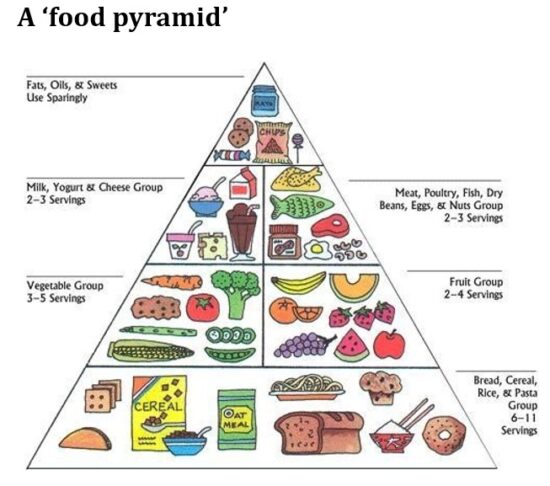
The most obvious problem of this and any other food pyramid (or other device, such as a ‘rainbow’ or ‘plate’) based on such classifications, is that they include only a few of the food and drink products that people actually purchase and consume. In this pyramid, soft drinks are not shown, and nor are burgers, pizzas, or other ready-to-eat or -heat foods, dishes or meals. The base of the pyramid, illustrating the recommendation to consume more starchy foods (‘complex carbohydrates’) includes cakes, buns and biscuits together with wholegrain bread, oatmeal and boiled rice. Overall, this pyramid makes no explicit reference to food processing. At best, it is not particularly useful.
______
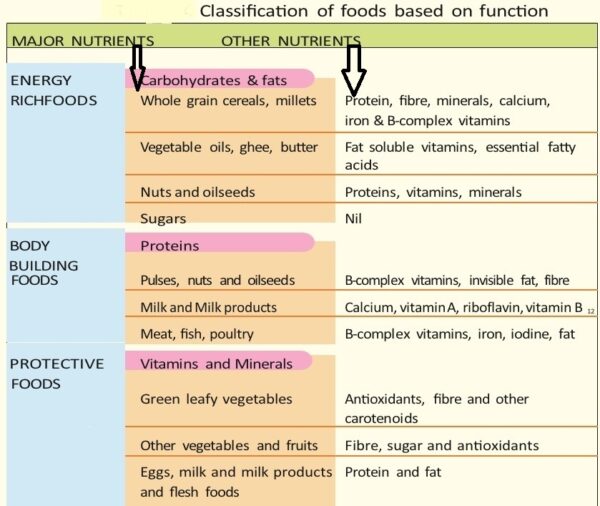
-2. Food function:
Foods may also be classified according to their functions as seen in figure below.
______
-3. Nutrient Profiling:
Nutrient profiles are to classify foods according to their nutritional composition. Nutrient profiling is the science of classifying or ranking foods according to their nutritional composition for reasons related to preventing disease and promoting health. Nutrient profiling can be used for various applications, including marketing of foods to children, health and nutrition claims, product labelling logos or symbols, information and education, provision of food to public institutions, and the use of economic tools to orient food consumption.
For instance, nutrient profiling can be used to generate criteria for descriptions of foods falling into two main types:
- descriptions that refer to the nutrient levels in foods e.g. ‘high fat’, ‘low fat’, ‘reduced fat’, ‘source of fibre’, ‘high in fat, sugar or salt’, ‘energy dense, nutrient poor’; or
- descriptions that refer directly to the effects of consuming the food on a person’s health e.g. ‘healthy’, ‘healthier option’, ‘less healthy’, ‘good for you’.
Though nutrient profiling does not address all aspects of nutrition, diet and health it is a helpful tool to use in conjunction with interventions aimed at improving diets in a region or country. One example of a common use of nutrient profiling is in food labelling schemes aimed at helping consumers better understand the nutrient composition of foods and, on the basis of this understanding, identify foods that are healthier options. These schemes and other uses of nutrient profiling have been employed by governments, food producers and retailers, researchers and nongovernmental organizations such as health charities for more than 20 years.
_
The SAIN,LIM system is a French nutrient profiling system developed in 2008 that classifies foods into four categories based on a “Score for Nutritional Adequacy” (SAIN) and a “Score for Nutrients to Limit” (LIM). Foods with high SAIN and low LIM scores are considered healthier, while those with low SAIN and high LIM are considered less healthy. Each food can be represented on a graph (SAIN = y axis and LIM = x axis) and, by defining threshold values for both scores, each food can be classified into one of four possible classes. With this system, most unprocessed and unrefined foods fall into class 1 (i.e. the most favourable nutrient profile: high SAIN, low LIM); whereas most energy-dense nutrient-poor foods fall into class 4.
______
-4. Food processing:
In 2009 a group of Brazilian public health researchers led by Carlos Monteiro proposed food classification system called NOVA that groups foods by extent and purpose of processing. The four categories are:
(1. Unprocessed and minimally processed foods, those we would think of as whole foods such as meat, produce and eggs.
(2. Processed culinary ingredients, or those used to prepare whole foods such as butter, oils and spices.
(3. Processed foods, or those foods made through combining the previous two groups and processing through preservation or cooking.
(4. Ultra-processed foods, or those made of industrially produced ingredients non-existent or rare in culinary use and created through a series of industrial processes. Includes soft drinks, many packaged snacks, mass produced breads and pastries, flavored yogurts, and instant soups.
The goal of the NOVA classification system is to provide a tool researchers can use to understand the health impacts of dietary patterns that include high percentages of ultra processed food. Thinking about “good” and “bad” food in terms of processing, rather than nutrients, challenges the nutritional classifications that have long shaped dietary advice in the US (and elsewhere), such as MyPlate, which focuses on food groups and does not take processing into consideration at all. Many countries now use NOVA as the basis for dietary guidelines, including Brazil and France. One common theme that has emerged is the association of high sugar, high lipid, and foods with certain additives, such as artificial colors, with negative health impacts for individuals over a relatively long consumption period.
______
-5. Speed of preparing food:
Fast food and slow food:
Fast food is a system of mass-produced, processed food designed for quick consumption, often linked to negative health outcomes and environmental issues due to its high calorie, fat, sugar content, and industrial production. In contrast, slow food is an alternative concept and movement emphasizing fresh, local, and seasonal ingredients, traditional preparation, and the sensual, social, and cultural aspects of eating, promoting healthy, sustainable food systems and a mindful approach to food. Slow food is a movement promoting traditional cooking, local and seasonal ingredients, and a slower, more mindful approach to eating, often involving community and sensory pleasure. In contrast, fast food involves the quick preparation and consumption of mass-produced, often highly processed, and standardized meals, which are typically convenient but can be unhealthy due to high levels of fat, sugar, and salt.
______
______
Why do we decide to eat?
Three types of hunger:
Homeostatic eating: We eat to get the energy our body needs, and to keep our biological system balanced (aka homeostasis).
Hedonic eating: We eat for pleasure (aka hedonism), or to manage our emotions. Most meals are a mix of homeostatic and hedonic eating.
Traditionally, scientists have distinguished between metabolic hunger—the body’s need for energy—and hedonic hunger, which arises when food looks or smells tempting.
But new study adds a third layer: memory-driven hunger.
Though the research was conducted in animals, it supports a growing body of evidence that memories of fat and sugar can quietly shape our eating behavior—often without our awareness. And in a world where high-calorie foods are everywhere, those neural patterns may help explain why some cravings feel impossible to resist.
_
Although taking in nutrients is as old as biology, we still don’t know why and how humans get hungry and decide to start eating. Hunger and eating are shaped by many factors, including:
-Our genes – biological determinants such as hunger, appetite, and taste.
-Social determinants such as culture, family, peers and meal patterns.
-Economic determinants such as cost, income availability.
-Physical determinants such as access, education, skills (e.g. cooking) and time.
-Circadian rhythm, our natural body clock, is synchronized with your external environment through cues like exposure to light and the timing of your meals.
-Our hormones, Ghrelin is a hormone that increases appetite, and also plays a role in body weight.
-Psychological determinants such as mood, stress, and guilt.
-Attitudes, beliefs, and knowledge about food.
_
Why do we stop eating?
Once we’ve started eating, what makes us stop? This is in part influenced by satiation — the perception of fullness you get during a meal that causes you to stop eating. (Satiety is sometimes used interchangeably with satiation, but the terms aren’t the same. Satiety is your perception of satisfaction, or reduced interest in food, between meals; satiation is your perception of fullness during a meal.) When we eat a meal, two physiological factors work together to tell us to put down our fork and call it quits: gastric distension and hormonal satiation.
Gastric distension:
When empty, your stomach can only hold about 50 mL. When you eat, the stomach can expand to hold 1000 mL (1 liter), or at the extreme end, 4000 mL (4 liters or 1 gallon). Your stomach is designed to stretch and expand, aka gastric distension. Your stomach is also designed to tell your brain about how much stretching is happening. As your stomach expands to accommodate the incoming food, neurons in your stomach send this message to your brain via the vagus nerve, which runs from your head to your abdomen.
Hormonal satiation:
While you eat, your GI tract and related organs (like the pancreas) tell many areas of the brain that food is coming in. Some of these signals travel up the vagus nerve, while others enter the brain by different routes. Some of the more important of these hormones are:
Cholecystokinin (CCK):
When we eat fat and protein, the gut releases CCK, telling your brain (through the vagus nerve) to stop eating.
GLP-1 and amylin:
Recent research indicates that GLP-1 may be the most unique, and important, satiation hormone. It seems to stimulate the production and release of insulin (a powerful satiation/satiety hormone itself) and slow down food moving from the stomach into the small intestine, among many other impressive mechanisms. Similarly, amylin is one of the few satiation/satiety hormones shown to actually reduce food intake.
Leptin:
Leptin is a hormone produced by fat cells that regulates appetite by signaling to the brain that the body has sufficient energy stores, thereby suppressing hunger and promoting satiety.
Insulin:
When we eat carbs and protein, we release insulin. It binds to insulin receptors in areas like the hypothalamus, which dictates hunger. Normally, when insulin is functioning correctly, it deploys a signal of satiety, reducing hunger.
Many of these hormonal messages stick around. They can tell us to eat less at later meals, too. For instance, a high-protein breakfast might prevent you from overeating at dinner.
_______
Hedonic hunger:
Hedonic hunger or hedonic hyperphagia is the “drive to eat to obtain pleasure in the absence of an energy deficit”. Particular foods may have a high “hedonic rating” or individuals may have increased susceptibility to environmental food cues. Weight loss programs may aim to control or to compensate for hedonic hunger. Therapeutic interventions may influence hedonic eating behavior.
Although hunger may arise from energy or nutrient deficits, as would be expected in the set-point theories of hunger and eating, hunger may arise more commonly from anticipated pleasure of eating, consistent with the positive-incentive perspective. Gramlich distinguished the overeating responses to these stimuli as homeostatic hyperphagia and hedonic hyperphagia respectively. Accordingly, hunger and eating are subject to feedback control from homeostatic, hedonic, and cognitive processes. Although these mechanisms interplay and overlap to some extent, they can nonetheless be individually separated. Thus, the positive-incentive perspective suggests that eating is similar to sexual behavior: humans engage in sexual behavior, not because of an internal deficit, but because they have evolved in a way that makes them crave it. High calorie foods have had intrinsic reward value throughout evolution. The presence of desirable (or “hedonic”) food, or the mere anticipation of it, makes one hungry. The psychological effects of hedonic hunger may be the appetitive equivalent of hedonically driven activities such as recreational drug use and compulsive gambling. Susceptibility to food cues can lead to overeating in a society of readily available calorie dense, inexpensive foods. Such hedonistic eating overrides the body’s ability to regulate consumption with satiety.
______
Satiety value:
Satiety value is the degree at which food gives a human the feeling of satiety per calorie. A higher satiety value indicates increase of satiety after eating a serving of equal overall caloric content. The satiety value of food refers to its ability to create a lasting feeling of fullness and satisfaction after eating, often expressed as the Satiety Index. Foods high in protein, fiber, and low in energy density generally have a higher satiety value, leading to lower subsequent calorie intake. Sugar-sweetened beverage showed lower satiety compared to isocaloric semi-skimmed milk. Alcoholic beverages tend to have a lower satiety per calorie. Fruit juice with and without pulp was shown to result in lower satiety than comparable amounts of fruits.
Foods with the most satiation per calorie are often:
- high in certain proteinase inhibitors that suppress appetite – e.g. potatoes
- high in protein (which takes longer to digest than other energy sources) – e.g. meat
- low in glycemic index (in which the carbohydrates take longer to digest) – e.g. oats
- high in fibre (which takes longer to digest than low fibre foods) – e.g. fruit
- low in calories – e.g. vegetables
- solid (which takes longer to digest than liquid foods, though liquids have high satiety for a short period)
_______
External eating:
Externality theory posits that external environments or stimuli can induce individuals to eat, reducing sensitivity to internal hunger and satiety cues, a phenomenon known as external eating. External eating is characterized by eating in response to external food-related cues, such as the sight and smell of food, regardless of internal hunger signals. This phenomenon reflects the influence of changes in eating environments, utensils, and dietary patterns and is implicated in the rising prevalence of obesity and food cravings. Individual sensitivity to external food cues is a critical factor influencing eating behavior, and while behavioral factors shape food choices, they are also significantly influenced by environmental factors. Environmental factors are now recognized as major drivers of obesity. The modern food environment, characterized by a wide variety of palatable and energy-dense foods, often serves as a cue for overeating. Additionally, food advertising plays a significant role, with sugary drinks being the most frequently advertised products, while advertisements for vegetables and fruits are scarce. This imbalance can contribute to unhealthy eating habits and related health issues. Previous research has extensively examined the links between eating behaviors and dietary patterns. The Dutch Eating Behaviour Questionnaire (DEBQ) evaluates three key eating behaviors: emotional eating (eating in response to negative emotions), restrained eating (consciously restricting food intake to control weight), and external eating (eating in response to external food cues rather than internal hunger signals). Emotional eating is typically linked to unhealthy dietary patterns; restrained eating can be associated with both healthy and unhealthy eating behaviors depending on context. External eating exhibits a positive association with food craving, which may increase actual food intake without necessarily leading to binge-eating behavior, particularly among middle school students demonstrating weaker inhibitory control. Studies have shown that students’ candy intake is positively associated with external eating and those more sensitive to external food cues are at a higher risk of excessive weight gain and obesity.
_______
_______
Healthy diet:
Nutrition is of particular importance in maintaining good health, in the correct and harmonious development of the body, and in the prevention of certain ailments, and nutritional therapy plays a complementary part in the healing of various ailments. A healthy diet is one in which macronutrients are consumed in proportions that are adequate to support energy and physiological needs, without an excessive intake, while providing sufficient micronutrients and hydration to meet the body’s physiological needs. Macronutrients (carbohydrates, proteins, and lipids) provide the energy necessary for the cellular processes required for daily functioning. Micronutrients (vitamins and minerals) are required in relatively small amounts for the growth, development, metabolism, and normal physiological functioning of the body. A healthy diet (figure below) combined with a daily exercise program and a sufficient amount of sleep, helps to maintain the body weight within normal limits, as well as to reduce the risk of many chronic diseases, such as obesity, cardiovascular diseases, dental, diabetes, cancer, skeletal diseases, etc.
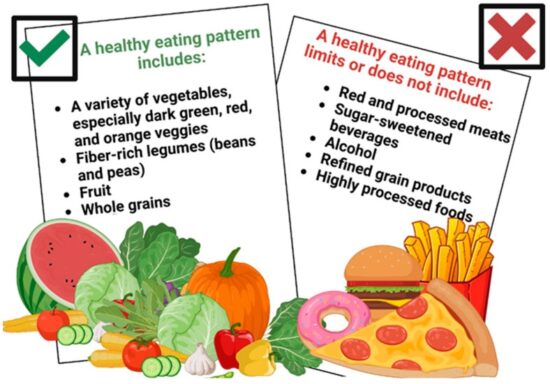
Figure above shows characteristics of a healthy diet.
A healthy diet is also more environmentally sustainable, as it is associated to lower greenhouse gas emissions, lower use freshwater and land mass. However, healthy diets can be inaccessible, particularly in low- and middle-income countries, and also in places and situations with high rates of food insecurity. Around the world, an estimated 3 billion people cannot access safe, nutritious and sufficient food. In addition, the proliferation of highly processed food, supported by aggressive marketing, rapid unplanned urbanization and changing lifestyles have contributed to more people eating unhealthy diets high in energy, free sugars, salt, saturated fats and trans fats.
_
It is important to pay particular attention to the sources used to obtain food raw materials, as food must be as free from contaminants or degradation products, and as minimally processed, as possible, to avoid the introduction of unwanted, potentially toxic compounds into the body. It is ideal to consume vegetables and fruits as naturally as possible and unsprayed; meat, eggs, fish, seafood, and dairy products from safe sources; and foods that are as minimally processed and free of additives as possible. This is unfortunately, nowadays, quite difficult to achieve, but not impossible. Avoiding the contamination of food products by various toxic substances from the environment (pesticides, heavy metals, microplastics, etc.) represents an essential element for increasing consumer safety.
_
Everyday foods and drinks many people don’t realize are harming their health. Among the unhealthy foods are junk food products, which are hyper-caloric food products, poor in valuable nutrients for the body, and heavy in hydrogenated fats, which are rich in trans acids. The long-term excessive consumption of these foods, correlated with a low consumption of fiber and antioxidants provided mainly by vegetable products, and with an unhealthy and predominantly sedentary lifestyle is one of the main causes of alterations in the quality of life, and the appearance of the metabolic syndrome with complications from an early age. Industrially ultra-processed foods, rich in various synthetic additives, are also among those that lead to excessive consumption, causing the appearance of insulin resistance, obesity, allergic phenomena, food intolerances, decreased immunity, and intestinal inflammatory syndrome. Frozen meals are loaded with sodium and unhealthy fats, while diet sodas disrupt gut health. Potato chips contribute to high blood pressure, and sweetened coffee drinks lead to sugar spikes. Even moderate alcohol consumption poses risks to various organs and overall well-being.
_
Key facts of healthy diet:
- A healthy diet helps to protect against malnutrition in all its forms, as well as noncommunicable diseases (NCDs), including diabetes, heart disease, stroke and cancer.
- Healthy dietary practices start early in life – breastfeeding fosters healthy growth and improves cognitive development, and may have longer term health benefits such as reducing the risk of becoming overweight or obese and developing NCDs later in life.
- A healthy diet includes fruit, vegetables, legumes (e.g. lentils and beans), nuts and whole grains (e.g. unprocessed maize, millet, oats, wheat and brown rice) with at least 400 g (i.e. five portions) of fruit and vegetables per day, excluding potatoes, sweet potatoes, cassava and other starchy roots.
- Energy intake (calories) should be in balance with energy expenditure. To avoid unhealthy weight gain, total fat should not exceed 30% of total energy intake. Intake of saturated fats should be less than 10% of total energy intake, and intake of trans-fats less than 1% of total energy intake, with a shift in fat consumption away from saturated fats and trans-fats to unsaturated fats, and towards the goal of eliminating industrially-produced trans-fats. Unsaturated fats (found in fish, avocado and nuts, and in sunflower, soybean, canola and olive oils) are preferable to saturated fats (found in fatty meat, butter, palm and coconut oil, cream, cheese, ghee and lard) and trans-fats of all kinds, including both industrially-produced trans-fats (found in baked and fried foods, and pre-packaged snacks and foods, such as frozen pizza, pies, cookies, biscuits, wafers, and cooking oils and spreads) and ruminant trans-fats (found in meat and dairy foods from ruminant animals, such as cows, sheep, goats and camels).
- Limiting intake of free sugars to less than 10% of total energy intake is part of a healthy diet. A further reduction to less than 5% of total energy intake is suggested for additional health benefits. Consuming free sugars increases the risk of dental caries (tooth decay). Excess calories from foods and drinks high in free sugars also contribute to unhealthy weight gain, which can lead to overweight and obesity. Recent evidence also shows that free sugars influence blood pressure and serum lipids, and suggests that a reduction in free sugars intake reduces risk factors for cardiovascular diseases.
- Keeping salt intake to less than 5 g per day (equivalent to sodium intake of less than 2 g per day) helps to prevent hypertension, and reduces the risk of heart disease and stroke in the adult population. Most people consume too much sodium through salt (corresponding to consuming an average of 9–12 g of salt per day) and not enough potassium (less than 3.5 g). High sodium intake and insufficient potassium intake contribute to high blood pressure, which in turn increases the risk of heart disease and stroke. Reducing salt intake to the recommended level of less than 5 g per day could prevent 1.7 million deaths each year.
_
Here are some practical tips for incorporating healthy foods into your diet:
- Focus on Fruits and Vegetables: Aim to consume a variety of fruits and vegetables each day, incorporating different colors and textures.
- Choose Whole Grains: Opt for whole grain bread, pasta, rice, and cereal over refined grain products.
- Include Lean Protein: Incorporate lean protein sources like fish, chicken, beans, and lentils into your meals.
- Limit Processed Foods⁚ Reduce your intake of processed foods, including packaged snacks, fast food, and sugary drinks.
- Read Food Labels: Pay attention to serving sizes, calories, fat content, sugar content, and other nutritional information on food labels.
- Cook More Meals at Home; Cooking at home allows you to control the ingredients and portion sizes of your meals.
- Be Mindful of Marketing: Be aware of food marketing tactics and don’t be swayed by misleading advertisements.
- Seek Professional Guidance: Consult a registered dietitian or other qualified healthcare professional for personalized nutrition advice.
_
Research has shown that excess calories shorten lifespan, whereas moderate caloric restriction slows the aging process and protects the body and brain. So let’s consider the individual who is consuming 50 excess calories per day. What will be the short- and long-term result? Fifty excess calories per day, over and above your basic metabolic needs, over a 10-year period, adds about 50 pounds of extra body weight. The excess weight increases the risk of multiple chronic illnesses, cancers, and also takes many years of life away from the individual simply as a result of consuming only 50 calories a day too many.
Conversely, if an individual consumed 50 calories a day less that their metabolic requirements what would happen then? Would he or she become too thin, anorexic, and unhealthy? Would their bones fall apart? Obviously not! When you moderately caloric-restrict, even a small amount such as 50 to 100 calories a day, weight remains about the same, the person is slim, not too thin, and healthy. He or she will have a lower body fat percentage, and the skeletal mass, bones, and muscle mass are strong. In this scenario, the metabolic rate would slow down accordingly. The respiratory quotient, (the number of calories lost through respiration) would decrease, the body temperature would lower, and thyroid function would decrease slightly, all lowering the metabolic rate, which overall may result in a slowing of the aging process. The secret to a long life and freedom from chronic disease may be simply to moderately reduce calories in order to slow down our metabolic rate. The only behavior proven scientifically to dramatically increase life span in every species of animals, including primates, is to lower caloric intake while maintaining an environment of micronutrient adequacy, assuring that we have exposure to all micronutrient humans need.
_______
_______
Nutrition label:
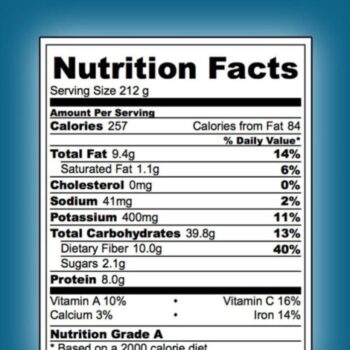
The nutrition facts label is a label required on most packaged food in many countries, showing what nutrients and other ingredients (to limit and get enough of) are in the food. Most pre-packed foods have a nutrition information label on the back or side of the packaging. These labels must include the amount of energy in kilojoules (kJ) and kilocalories (kcal), usually referred to as calories. They must also include information on fat, saturates (saturated fat), carbohydrate, sugars, protein and salt. They may also include other nutrients, like fibre. All nutrition information is provided per 100 grams or per 100 millilitres and sometimes per serving or portion of the food or drink. But be aware that the manufacturer’s idea of a serving or portion may be different from yours.
_
There are guidelines to tell you if a food is high in fat, saturated fat, salt, sugar or not.
These are:
-Total fat
High: more than 17.5g of fat per 100g
Low: 3g of fat or less per 100g
-Saturated fat
High: more than 5g of saturated fat per 100g
Low: 1.5g of saturated fat or less per 100g
-Sugars
High: more than 22.5g of total sugars per 100g
Low: 5g of total sugars or less per 100g
-Salt
High: more than 1.5g of salt per 100g (or 0.6g sodium)
Low: 0.3g of salt or less per 100g (or 0.1g sodium)
For example, if you’re trying to cut down on saturated fat, eat fewer foods that have more than 5g of saturated fat per 100g.
_
Red, amber and green colour coding:
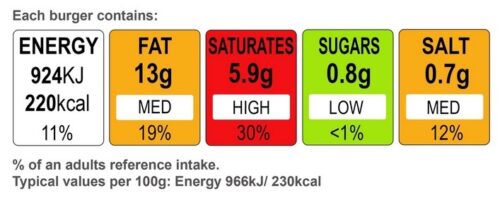
Some front-of-pack nutrition labels use red, amber and green colour coding. Colour-coded nutritional information tells you at a glance if the food has high, medium or low amounts of fat, saturated fat, sugars and salt:
- red means high
- amber means medium
- green means low
In general, a food or drink that has all or mostly green on the label is a healthier choice. Amber means neither high nor low, so you can eat foods with all or mostly amber on the label most of the time. But any red on the label means the food is high in fat, saturated fat, salt or sugars, and you should limit your intake of these foods and drinks. Try to eat these foods less often and in small amounts.
_____
_____
Section-3
Food processing:
Food processing is the transformation of raw food ingredients, like harvested crops or slaughtered animals, into consumable and marketable food products through physical and chemical processes such as cleaning, cooking, milling, canning, and fermenting. Its main goals are to extend food shelf life, ensure safety by eliminating contaminants, enhance nutritional value and palatability, and create convenient, attractive products for consumers and markets. Food processing is any of a variety of operations by which raw foodstuffs are made suitable for consumption, cooking, or storage. Ever since the use of fire, air and salt to prepare and cook food, and the development of methods of preservation such as smoking and fermentation, food has been processed in various ways. The processing of food has enabled the evolution, adaptation and increase of humankind and of settled populations.
_
Humans have processed food for centuries — the first evidence of fermentation was some 13,000 years ago. The simple act of peeling an apple, potato or carrot, simmering tomatoes to create a sauce, adding salt to cure and preserve meat, or canning food grown in summer for use in winter are all ways that we process food. Processing can often be beneficial because in some plants, tough cell walls lock in vitamins, minerals and micronutrients, making them less accessible to the human body. When the cells walls of asparagus are weakened by steaming, for example, vitamins A, C, E, K and B folate are more available to be absorbed by the body. Simmering tomatoes boosts levels of an antioxidant called lycopene thought to improve bone health and lower risk of heart disease. Cooked carrots release more beta-carotene, an antioxidant the body uses to create vitamin A. Overcooking vegetables, however, can destroy some of those same nutrients — vitamin C, for example, is extremely susceptible to heat. Fermentation has been a form of processing for centuries. Fermenting food is a preservation process that uses microorganisms like bacteria or fungi to convert carbohydrates into other compounds, like acids or alcohol, resulting in unique flavors, textures, and extended shelf life. Pickling is an ancient food preservation technique where foods are submerged in an acidic solution, either brine (saltwater) or vinegar, to extend their shelf life and alter their flavor and texture. The process inhibits spoilage by creating a low pH environment that suppresses the growth of mold, bacteria, and yeast.
_
Food processing has a number of roles including aiming to:
- ensure foods that would otherwise be inedible without processing are edible (for example, cooking)
- ensure foods that could otherwise be unsafe to eat are safe (for example, pasteurisation)
- increase the shelf life, preservation and retention of nutrients for some foods (for example, freezing)
- modify the nutrient composition or bioavailability (for example, reformulation for saturated fat, sugar, salt or micronutrient fortification)
- increase palatability (such as through taste and texture)
- increase convenience
Some processing – including some processing used in ultra-processed foods – can play an important role in food safety or nutrition, or in making food cheaper. Processing can improve the taste or texture of food or increase shelf-life. This can make food more accessible or affordable or help reduce food waste.
_
Food processing plays an essential role in providing edible, safe and nutritious foods to the population, and in food preservation. However, the topic is complex, with many different types of processes that may bring both risks and benefits depending on the context (van Boekel et al., 2010). For example, heat treatment reduces microbial activity which may increase shelf life and reduce food-borne illness, and can also improve digestibility, as well as bioavailability of nutrients or bioactives. To illustrate, it was found that unpasteurised (raw) milk was responsible for 96% of illnesses caused by contaminated dairy products in the US (Costard, Espejo, Groenendaal, & Zagmutt, 2017). Meanwhile, sometimes thermal processing can also have undesirable consequences such as loss of certain nutrients, for example pasteurisation of human milk also reduces vitamin C content by 20% (Molto-Puigmartí, ´ Permanyer, Castellote, & Lopez-Sabater, 2011). Processing can also lead to the formation of toxic compounds, for example heterocyclic amines and polycyclic aromatic hydrocarbons in processed meat, and acrylamide, a by-product of the Maillard reaction, while also resulting in browning and other desirable sensorial changes (van Boekel et al., 2010).
_
Technological developments and the industrialisation and globalisation of the food system have changed the purpose of processing over the last decades. Industrialised processes, the use of additives and preservatives and packaging allow food manufacturers to massively produce a wide variety of highly palatable foods with long shelf lives from cheap ingredients. The profitability and convenience of these highly processed foods which are usually high-calorie and of low nutritional value, has made them widely available and consumed, replacing traditional diets that are mainly composed of a variety of fresh or minimally processed foods. As a consequence, a profound change in food purchasing and consumption patterns has been observed globally. Mechanization as from the mid-19th century enabled increasingly effective and efficient formulation and mass manufacture, distribution and sale of – as examples – bread, biscuits, cakes, pies, sauces and meat products. This was accompanied by steady declines in food insecurity and nutrient deficiencies, which then were the main food-related public health problems globally, including within industrialized countries, even up to the early 20th century. Later in the century, ample supplies notably of increasingly cheap fatty or sugary foods and animal food products were followed by rapid increases in obesity, diabetes and cardiovascular disease, at first in high-income countries, and then globally.
_
It is generally acknowledged that increased production and consumption of industrially processed foods and drinks is an important cause of the current pandemics of obesity and related chronic diseases. However, dietary assessments, and dietary recommendations typically use classifications of food (and of drink, here included as “food”) that largely ignore or minimize the significance of industrial food processing. The significance of food processing in itself, is overlooked. In this way, foods with very different nutritional profiles and impacts on eating patterns and health, such as whole grains, breakfast cereals, flours, breads, cookies, crackers, and cereal-based snacks such as “power bars”, are classified within the same food group of grains or cereals and cereal products. The same applies to whole fresh fruits, sugared canned fruits, and reconstituted sugared fruit beverages (classified within fruits) as well as to fresh meat, chicken and fish, and processed products such as burgers, nuggets and fingers (classified within meat or meat and meat products). Such classifications, derived from the “big four” (or “five”) groups originally devised early last century, still dominate official and other authoritative information and education programmes, accounts of population dietary patterns, and reports designed to prevent diseases that are influenced by diet. Because food processing is minimized, unclear or ignored in such classifications, the generally accepted literature includes only fragmentary information about and insight into the relationships between processed foods, and eating patterns, energy and nutrient intake, and health. Some conclusive evidence has emerged on processed meats and certain types of cancer as well as on sugar-sweetened soft drinks, energy intake, and obesity and diabetes. Some evidence exists on “fast” foods and snacks, and obesity. But the focus so far has been on the effect only of specific types of processed foods, and not on the overall pattern of processed food production and consumption.
_
Why processing is overlooked:
The proposal that food processing has an impact on public health may seem obvious. But it is largely overlooked by conventional nutrition science. As now applied in policies, programmes and interventions, nutrition science has failed to have much significant impact on what is currently the uncontrolled pandemic of obesity.
There are a number of reasons why the significance of food processing is generally overlooked or marginalised. One is that food technology is not included as a significant part of the nutrition science curriculum. Another is that nutrition scientists continue to depend on a conceptual framework of their discipline elaborated from the discoveries of biochemists between the early 19th and early 20th century, which has diminishing relevance.
Another is that any approach to nutrition and human health that gives special attention to food processing, is a ‘hot potato’. Even more now in these days of ‘public private partnerships’, much of the discourse of food and nutrition policy involves collaboration between international and national civil servants, their scientific advisors, and university and research centre departments and senior scientists, with representatives of the transnational and other big food and drink manufacturers whose profits depend on ultra-processed products. It may be fair to say that most nutrition scientists now do not see this as a problem. But it is.
Perhaps the greatest impediment to seeing the significance of food processing in all its aspects, is the identification of nutrition as solely or mainly a biological discipline, a branch of biochemistry heavily influenced by the clinical ‘medical model’.
_
The most important factor now, when considering food, nutrition and public health, is not nutrients, and is not foods, so much as what is done to foodstuffs and the nutrients originally contained in them, before they are purchased and consumed. That is to say, the big issue is food processing – or, to be more precise, the nature, extent and purpose of processing, and what happens to food and to us as a result of processing. To understand the impact of various types of processing now on industrial food systems, it is necessary to be more precise. Take the double cheese-bacon burger shown in the picture below.
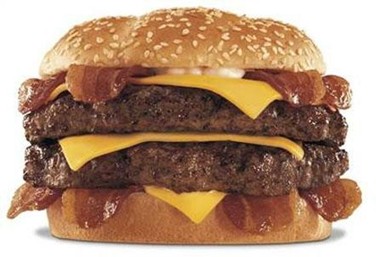
It delivers almost 1,000 calories, or close to half the daily energy turned over by a basically sedentary adult. This ‘fast food’, whose constituent parts are mass manufactured off-site and trucked onto the burger outlet to be assembled and heated on-site, is an example of an ‘ultra- processed product’. Its substrates, and the product as a whole, are the result of a series of sophisticated technical processes. Also – another characteristic of ultra-processed products – it features a ‘wholesome’ or ‘natural’ touch, in this case the sesame seeds scattered on top of the bun.
_
A burger typically contains carbohydrates from the bun, proteins and fats from the beef patty, and fats from the cheese and sauce. On average, a burger from a fast-food chain contains 36–40% of your daily energy needs and this does not account for any chips or drinks consumed with it. A few hours to a few days after eating rich, heavy foods such as a burger, unpleasant symptoms like tiredness, poor sleep, and even hunger can result. Rather than providing an energy boost, junk foods can lead to a lack of energy. For a short time, sugar (a type of carbohydrate) makes people feel energized, happy, and upbeat as it is used by the body for energy. However, refined sugar (sugar that has been processed from raw sources such as sugar cane, sugar beets or corn), which is the type of sugar commonly found in junk foods, leads to a quick drop in blood sugar levels because it is digested quickly by the body. This can lead tiredness and cravings.
_______
_______
Processed food:
Processed food is any food that has been changed from its natural state, encompassing everything from minimally prepared items like cut vegetables to heavily processed ones like packaged snacks. Processed foods include any food that has been cooked, canned, frozen, preserved, packaged or fortified with beneficial nutrients. In fact, according to the U.S. Department of Agriculture, anything that has been crushed, cut, chopped, diced, sliced, pitted, blended, pureed, juiced or dried is considered a processed food. So, while processed foods include frozen mac and cheese or pizza, a bag of barbecue chips or a cheeseburger from a fast-food joint, they also include a loaf of whole-wheat bread, canned beans, a carton of pasteurized milk or jar of tomato sauce. Everything is processed unless you go into a corn field or to an apple tree and bite into that food right off the stalk. According to these standards, virtually all foods sold in the supermarket would be classified as “processed” to some degree. Because food begins to deteriorate and loses nutrients as soon as it is harvested, even the apples in the produce aisle undergo four or more processing steps before being sold to the consumer. That’s why in practice, it’s helpful to differentiate between the various degrees of food processing. Processing isn’t all bad. You can have a processed food that’s a whole food. The food you cook at home is processed food.
Clearly, some processed foods are healthier than others. A bag of roasted peanuts is considered processed, but it’s fine. By contrast, honey-coated, chocolate-dipped peanuts obviously are more processed and worse for you.
_
The spectrum of Processed Foods:
-1. Minimally processed foods
Some of these foods are processed at their peak freshness to lock in nutritional quality. In fact, when tomatoes are cooked (processed) then canned, they end up with more lycopene, an antioxidant, that’s available to the body than fresh tomatoes do.
Minimally processed foods include:
- Bagged lettuce and spinach
- Pre-cut vegetables
- Roasted nuts
- Dried fruits
- Canned, unsweetened fruits and unsalted vegetables and beans
- Canned fish like tuna and salmon
Some minimally processed foods, such as the ones listed above, make good-quality, nutritious foods convenient for busy people to use.
-2. Processed culinary ingredients
Processed culinary ingredients are foods that are used during food preparation, such as cooking, baking, grilling or roasting.
Examples of processed culinary ingredients include:
- Cooking oils, such as olive oil
- Vinegar
- Honey
- Butter
- Sugar
- Salt
-3. Processed foods
Towards the middle of the spectrum, processed foods may be fortified with important nutrients – such as calcium, vitamin D, folic acid or iron – that can help prevent chronic diseases.
Examples of processed foods include:
- Dairy and plant-based milk products, like cheese and yogurt
- Whole-wheat or whole-grain breads and pasta
- Many breakfast cereals
- Nutritional shakes
The fortification of refined grains with folic acid caused the prevalence of neural tube defects – such as spina bifida – to plummet.
-4. Ultraprocessed foods
At the far end of the spectrum are ultraprocessed foods, also referred to as highly processed foods. These include:
- Chips
- Sugary breakfast cereals
- Sodas/soft drinks
- Candy
- Cookies
- Meat products, such as deli meats and sausage
- Instant noodles and soups
- Fried foods
- Frozen pizza
- Chicken nuggets
Many food manufacturers formulate these foods in ways that appeal to the human palate’s “bliss point” – the optimal combination of sugar, fat and salt – that will make people want to keep eating them. When the mix is right, food becomes more stimulating. Eating foods high in sugar, fat and salt makes us eat more foods high in sugar, fat and salt. In fact, researchers stated in the journal NPJ Science of Food that “when the processed food industry added a crunchy mouth feel to their bliss point formulations, a whole new generation of craveable foods was created.” In other words, these hyper-palatable processed foods can hijack your appetite, causing you to lose control of how much you eat.
_
Pros and cons of processed food:
There’s no doubt that at least some processed foods are found in most people’s kitchens. There are benefits and drawbacks.
Pros:
- Frozen, pre-chopped, and canned ingredients can be time-savers in the kitchen.
- Some processed and fortified foods provide important nutrients that may not otherwise be obtained in a busy household or one that has a limited food budget.
- From a nutritional standpoint, processed and even ultra-processed foods can provide key nutrients. Some nutrients, like protein, are naturally retained throughout processing, and others, such as B vitamins and iron, may be added back if they are lost during processing. Fruits and vegetables that are quickly frozen after harvesting can retain the majority of vitamin C.
- Throughout history, foods fortified with specific nutrients have prevented deficiencies and their related health problems in certain populations. Examples include infant cereals fortified with iron and B vitamins to prevent anemia, milk fortified with vitamin D to prevent rickets, wheat flour fortified with folic acid to prevent birth defects and iodine added to salt to prevent goiter.
- Processing by certain methods like pasteurization, cooking, and drying can destroy or inhibit the growth of harmful bacteria. Additives such as emulsifiers preserve the texture of foods, such as preventing peanut butter from separating into solid and liquid parts. Other functions of processing include delaying the spoilage of food; preserving desirable sensory qualities of food (flavor, texture, aroma, appearance); and increasing convenience in preparing a complete meal.
In a nutshell, the indispensable role of food processing enables us to have a stable and predictable food supply and maintains food and nutrient security.
Cons:
Depending on the degree of processing, nutrients can be destroyed or removed. Peeling outer layers of fruits, vegetables, and whole grains may remove plant nutrients (phytochemicals) and fiber. Heating or drying foods can destroy certain vitamins and minerals. Although food manufacturers can add back some of the nutrients lost, it is impossible to recreate the food in its original form.
Currently, bread and frozen meals are some of the most consumed ultra-processed foods in the U.S. While these products can be good sources of whole grains, fiber, vitamins, and minerals, they can also be high in sodium, added sugars, and saturated fats. Given the variety of ultra-processed foods, it may be helpful to distinguish those with lower nutritional value from the broader category. Such distinction can be determined by evaluating a food’s nutritional content and long-term health effects. A product with an unevenly high ratio of calories to fiber and healthy nutrients (e.g., unsaturated fats, B vitamins, potassium) may be considered an “ultra-processed food of low nutritional value.” For example, soda provides high calories from added sugars and no healthy nutrients; and research supports an association between a high intake of sugar-sweetened beverages and an increased risk of obesity, diabetes, and heart disease. On the other hand, whole-grain bread and fiber-containing low-sugar breakfast cereals that may be fortified with nutrients such as folic acid have consistently been linked with lower rates of stroke.
_
To help illustrate the spectrum of food processing, the table below includes ultra-processed foods of low nutritional value as its own category.
|
Unprocessed foods |
Minimally processed foods |
Processed foods |
Ultra-processed foods |
Ultra-processed foods of low nutritional value |
|
Whole apple |
Prepackaged apple slices with no additives |
Unsweetened applesauce made with apples, water, and ascorbic acid to prevent browning |
Sweetened applesauce that contains the prior ingredients plus high fructose corn syrup |
Apple juice drink with high fructose corn syrup and added coloring |
|
Whole oat groats
|
Steel-cut oats, rolled oats |
Instant oats with added sugar and a preservative only to enhance freshness |
Instant flavored oatmeal with added sugar, artificial flavorings, and other additives to improve texture and freshness |
Low-fiber packaged oat-containing cookie (mostly made of refined flour and sugar) |
|
Dried chickpeas |
Chickpea flour made from dried finely ground chickpeas; chickpea pasta |
Canned chickpeas; store-bought hummus made with chickpeas, spices, and oil without preservatives |
Store-bought hummus made with chickpeas, salt, spices, and artificial flavors |
“Chickpea” chips that are made with mostly rice or potato flour and are high in added salt and oils |
|
Peanuts in the shell |
Shelled plain peanuts |
Natural peanut butter made with only peanuts and salt |
Peanut butter with added sugar, salt, and emulsifiers |
Peanut butter candy |
|
Homemade veggie burger made with brown rice, lentils, sweet potato, and cooked kale |
|
|
Packaged frozen veggie burgers or plant-based meat substitutes with added salt and seasonings; a good source of protein and fiber |
|
|
|
Homemade or store-bought plain yogurt with only pasteurized milk |
Store-bought plain yogurt made with pasteurized milk, live active cultures, and food starch (thickener) |
Yogurt with a small amount of added sugar, and pectins and gums to thicken/emulsify; a good source of protein and calcium |
Yogurts higher in added sugars or fruit concentrates, artificial flavors, and gums to thicken/emulsify; not a significant source or protein or calcium |
|
Fresh fish |
Unseasoned frozen fish filets |
Canned or frozen or fresh fish with seasoning |
Breaded fish sticks |
|
_
The Academy of Nutrition and Dietetics describes a ranking of processed foods from minimally to heavily processed:
- Minimally processed: e.g., bagged spinach, fresh blueberries, roasted nuts, whole-grain bread, fortified milk
- Foods processed at their peak to lock in nutritional quality and freshness: e.g., canned tomatoes, canned tuna, frozen vegetables
- Foods with ingredients (salt, sugar, oils, spices, preservatives) added for flavor and texture: e.g., salad dressing, sweetened yogurt, cake mixes
- Ready-to-eat foods: e.g., crackers, granola, deli meats, which are more heavily processed
- Heavily processed: e.g., frozen pizza, frozen dinners, fast foods
_______
_______
Industrial food processing:
Food is any substance intended to be, or reasonably expected to be, ingested by humans that provides nutrients needed to maintain life.
What unprocessed food is:
Unprocessed foods, also known as fresh foods, are defined here as parts of plants (such as seeds, leaves, roots, fruits) or animals (such as muscles, offals, milk, blood) and also fungi or algae, shortly after they have been harvested, butchered or extracted, or after they have been gathered from nature. Most unprocessed foods have two important limitations. First, they are highly perishable and cannot be stored for a long time. Second, they require kitchen (culinary) preparation and cooking to be digestible, safe, and palatable. These limitations are the main reasons for the development of numerous techniques of industrial food processing.
_
What industrial food processing is:
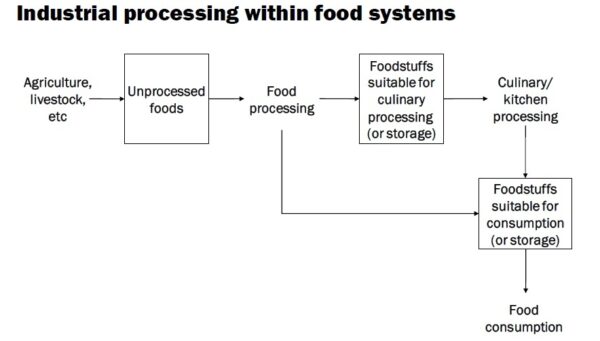
Industrial food processing is defined here as a series of industry-performed operations by which unprocessed foods are converted into foodstuffs suitable for storage and/or consumption, with less or no kitchen (culinary) preparation and cooking. Figure below shows the position of industrial food processing in food systems.
_
The three types of processing:
Type 1 processing:
The processes classified here as type 1 do not substantially change the nutritional properties of the original unprocessed foods, and may improve them, intrinsically or in effect. Such processes include and are not confined to cleaning, removal of inedible fractions, grating, squeezing, draining, flaking, drying, parboiling, bottling (without additions other than water), chilling, freezing, fermentation (when the result is not alcoholic), pasteurisation, vacuum and gas packing, and simple wrapping.
The purpose of type 1 food processing is to extend the duration of unprocessed foods, to enable extended storage, and often to reduce the time and effort involved in their culinary preparation. The results of type 1 food processing are minimally processed foods, classified below as nova group 1 foods, together with fresh, perishable, unprocessed foods. Meat and milk, cereals (grains), pulses (legumes), nuts, and fruits, vegetables, roots and tubers sold as such, are usually minimally processed in various ways.
Type 1 food processing is usually undertaken by the primary producer, packing house, distributor or retailer, as well as by manufacturers, for eventual sale to consumers.
Type 2 processing:
The second group of processes extract and ‘purify’ specific substances from unprocessed foods. There are many. They include pressing, crushing, milling, refining, ‘purifying’, hydrogenation, hydrolysation, extrusion, and use of enzymes and additives. Combinations of such processes are commonly used to make manufactured products.
One purpose of type 2 food processing is to convert unprocessed foods into culinary ingredients. These are used in preparation and cooking of unprocessed or minimally processed foods in the home, or in catering outlets such as restaurants, cafes and street markets where meals are made on site. The other purpose of type 2 food processing is to convert unprocessed foods into food industry ingredients used in the industrial development of ultra-processed foods.
The results of type 2 food processing are therefore culinary or food industry ingredients. Examples are oils, fats, sugar and sweeteners, flours and pastas (when made of flour and water), and starches. Most end products of type 2 food processing are depleted or devoid of nutrients and essentially provide energy. They are not palatable by themselves apart from sugar (which however is not commonly eaten neat), and are not consumed by themselves. Oils are used in the cooking of cereals (grains), vegetables and pulses (legumes), and meat, and are added to salads. Flours are made into pastry used as a covering for meat or vegetable dishes or as a basis for cakes. Pastas are the base for dishes that include vegetables, meat and other minimally processed foods, and also oil. Table sugar is used to prepare fruit- or milk-based desserts. And so on. This group also includes industrial ingredients usually not sold directly to consumers, such as processed remnants of meat, high fructose corn syrup, lactose, milk and soy proteins, gums, preservatives, and cosmetic and other additives. In modern food systems, the processing of such ingredients is mostly undertaken by specialist firms, for sale to food manufacturers.
Type 3 food processing:
The third type of processing combines the already processed ingredients, such as oils, fats, sugars, salt, flours, starches, remnants of meat, with some (often only a small or even minuscule amount) of unprocessed or minimally processed foods. Specific processes include baking, battering, frying, deep frying, curing, smoking, pickling, canning, use of preservatives and cosmetic additives, addition of synthetic vitamins and minerals, and sophisticated types of packaging.
The purpose of type 3 food processing is the creation of durable, accessible, convenient, attractive, ready-to-eat or ready-to-heat products. Such ultra-processed products are formulated to reduce microbial deterioration (‘long shelf life’), to be transportable for long distances, to be extremely palatable (‘high organoleptic quality’) and often to be habit-forming. Typically, they are designed to be consumed anywhere – in fast-food establishments, at home in place of domestically prepared and cooked food, and while watching television, at a desk or elsewhere at work, in the street, and while driving. This is why they are termed ‘convenience’ foods.
Ultra-processed products are themselves of two types. One includes soft drinks, and ready-to-eat savoury or sweet snacks, or products liable to be consumed as such. The other includes pre-prepared ready-to-heat products designed to replace dishes and meals in the home or on site in catering establishments. Their processing is undertaken by food manufacturers, or by caterers such as those that supply burger and pizza outlets, or food retailers such as bakeries.
From the public health point of view, ultra-processed foods are problematic in two ways. First, their principal ingredients (oils, solid fats, sugars, salt, flours, starches) make them excessive in total fat, saturated or trans-fats, sugar and sodium, and short of micronutrients and other bioactive compounds, and of dietary fibre. Taken together this increases the risk of various serious diseases. Second, their high energy density, hyperpalatability, their marketing in large and super-sizes, and aggressive and sophisticated adverting, all undermine the normal processes of appetite control, cause overconsumption, and therefore cause obesity, and diseases associated with obesity.
Ultra-processed products are usually not consumed together with unprocessed and minimally processed foods. They are designed to be ready-to-eat or ready-to-heat, and are often consumed alone or in combination with other ultra-processed products, such as savoury snacks with soft drinks, and bread with burgers. Any accompanying fresh food, such as lettuce within a burger, is usually little more than trimming or decoration, added to give an illusion of wholesomeness. For this reason, it is right to isolate ultraprocessed products in dietary analyses and guidelines.
______
______
Food classification by degree of processing:
There are a great number of food processing classification systems and a growing debate about the value/meaning of such categorisation. Food processing and the degree of processing are interpreted in different ways. The classification systems address multiple characteristics of industrial foods as well as eating culture and hence the debates are multifaceted. From the perspective of food science and technology, processing and nutritional value do not have a linear relationship and these concepts need to be dissociated.
While there is no universally agreed definition of processed foods, a number of classification systems have been developed globally, which attempt to group foods by their level of processing, including:
- a system developed by the International Agency for Research on Cancer
- the NOVA system including the UPF category developed in Brazil and a variation of the NOVA system
- a system developed by the International Food Information Council
- a system developed by the International Food Policy Research Institute in Guatemala
- a system developed by the Mexican National Institute of Public Health
- the Siga Index
- a system developed by researchers at the University of North Carolina in 2015
_
NOVA and Poti classification systems cite definitions of food processing that are restricted to the methods used by industry (Monteiro et al., 2010; Poti et al., 2015). Only a few classification systems appear to also classify foods processed at home (IARC-EPIC, Louzada, IFIC), whereby home-made foods can be “minimally” or “moderately” processed (Chajes et al., 2011`; da Costa Louzada et al., 2015; Slimani et al., 2009). Some classification systems include socio-cultural elements, for example by segregating culinary ingredients because they are used in home cooking (Monteiro et al., 2018a; Monteiro, Moubarac, Cannon, Ng, & Popkin, 2013; Moodie et al., 2013; Moubarac et al., 2014).
_
Siga Index:
The Siga Index is a classification system for processed foods developed in France. It is based on the degree of processing and the nutritional quality of foods, using a holistic and reductionist approach. The Siga Index assigns a score from 1 to 100 to each food product, where higher scores indicate higher nutritional quality and lower processing. The Siga Index also defines ultra-processed foods (UPFs) as those with a score below 40, which are considered to have low nutritional value and high levels of additives, preservatives, and artificial ingredients.
_
The purpose of processed food classifications is to categorise foods according to their level of processing. While one classification system has attempted to account for nutritional content and recommended dietary guidelines, other classification systems, including NOVA, do not consider the nutrient content of foods. Most classification systems based on processing do not include a quantitative nutritional assessment. Only Siga evaluates nutritional content (added fat, sugar, salt) in relation to dietary recommendations (Fardet, 2018).
These elements are illustrated in Figure below.
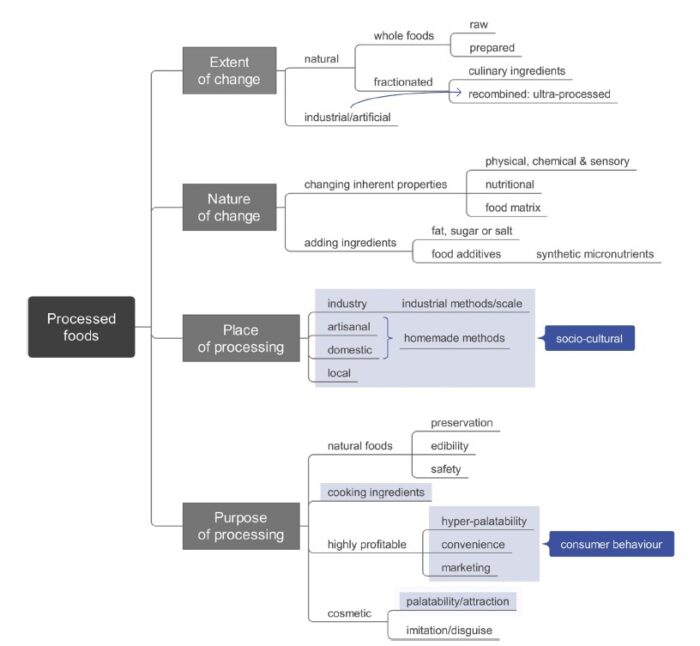
Figure above shows the various dimensions used in the conceptualisation of processed foods: extent of change from natural state, the nature of the change, place representing by whom, where, with traditional or modern/industrial methods, and the purpose or value of processing. The blue-shaded areas highlight elements which relate to socio-cultural factors and consumer behaviour.
_____
The NOVA classification:
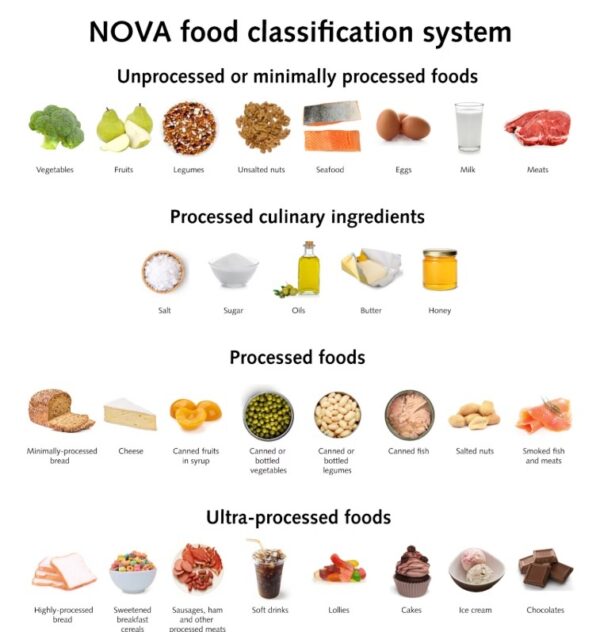
Nutrition science seeks to comprehend the influence of diet, with all its complexities, on human physiology and health. Classifying foods by their nutrient composition (e.g., sodium, fiber, saturated fat, added sugars) has been useful for understanding nutritional physiology as well as informing dietary recommendations and guidelines. But the classical nutrient-centric view was recently challenged by a new classification system called NOVA that categorizes foods according to their purpose and extent of processing, largely ignoring their nutritional content (Monteiro et al., 2019).
Nova (formerly NOVA) is not an acronym, but rather the name for the system developed by the Center for Epidemiological Studies in Health and Nutrition, School of Public Health at the University of São Paulo in Brazil. NOVA groups foods according to the nature, extent and purpose of the industrial processing they undergo. Food processing as identified by NOVA involves physical, biological and chemical processes used after foods are separated from nature, and before being consumed or prepared as dishes and meals.
Foods may be consumed by themselves (such as fruits, nuts, milk); or as a main item or accompanying items of dishes and meals (such as grains, flours, vegetables, meat, eggs); or as food products used in making these dishes and meals (such as oils, butter, sugar, salt). Or, they may be food products ready to consume or heat (such as bread, cheese, ham; packaged snacks, soft drinks, pre-prepared frozen dishes).
_
In its original form, 3 categories of foods were defined within the NOVA classification: group 1, unprocessed and minimally processed foods; group 2, processed culinary or food-industry ingredients; and group 3, ultra-processed foods. These broad categories would change with a redefinition of the original group 3, ultra-processed foods. This NOVA group was first divided into group 3.1, processed food products, and 3.2, ultra-processed food products. Processed foods (group 3.1) were defined as “Generally produced to be consumed as part of meals or dishes or may be used together with ultra-processed products to replace food-based freshly prepared dishes and meals.” Typical foods described for this category were canned or bottled vegetables and legumes (pulses) preserved in brine; peeled or sliced fruits preserved in syrup; tinned whole or pieces of fish preserved in oil; salted nuts; unreconstituted processed meats such as ham, ham bacon, and smoked fish; and cheese. Subsequently, groups 3.1 and 3.2 became groups 3 and 4, respectively. Currently the NOVA classification involves 4 food categories, defined thus: group 1, unprocessed or minimally processed foods; group 2, processed culinary ingredients; group 3, processed foods; group 4, ultra-processed foods. To date, the great majority, if not all, of the published articles examining the role of the NOVA classification focus solely on ultra-processed foods.
_
The Nova system has four groups of processed foods, with group 1 being the least processed and group 4 being the most processed. Here’s a breakdown of the four groups and some food examples:
|
Groups |
Examples |
|
Group 1 Unprocessed or Minimally Processed Foods: Naturally occurring foods with no added salt, sugar, oils, or fats. |
Milk, meat, eggs, fish, poultry, plain unsweetened yogurt, beans, fresh, frozen, or dried fruits and vegetables, oats, grits, pasta, rice. |
|
Group 2 Processed Culinary Ingredients: Food products from Group 1 that have been processed by pressing, refining, grinding and/or milling; they are used in home and restaurant kitchens to prepare, season and cook Group 1 foods. |
Vegetable oils, butter, vinegar. Salt, sugar and molasses from cane or beet, honey extracted from combs and syrup from maple trees. |
|
Group 3 Processed Foods: Food products made by adding sugar, oil and/or salt to create simple products from Group 1 foods with increased shelf life or enhanced taste. |
Canned vegetables, fruits, and beans; some salted or sugared nuts and seeds; salted, cured, or smoked meats; canned fish; fruits in syrup; cheese and freshly made bread. |
|
Group 4 Ultra-Processed Foods: Industrially created food products created with the addition of multiple ingredients that may include some Group 2 ingredients as well as additives to enhance the taste and/or convenience of the product, such as hydrolyzed proteins, soy protein isolate, maltodextrin, high fructose corn syrup, stabilizers, flavor enhancers, non-sugar sweeteners, and processing aids such as stabilizers and bulking and anti-bulking agents. |
Commercially produced breads, rolls, cakes, cookies, donuts, breakfast cereals, soy burgers, flavored yogurts, ready-to-heat meals, such as frozen pizzas, soft drinks, and candy. |
_
All foods go through processing before they are consumed. When a person washes and cooks dried chickpeas to be edible, this is considered minimal processing and the chickpeas are classified as a group 1 food. Ready-to-eat canned chickpeas that you can drain and add to meals are considered a processed food in group 3. When you buy a commercially made hummus, which is made with chickpeas but has guar gum added as a stabilizer, this product would be considered a group 4 ultra-processed food. That means this hummus is in the same category as commercially produced sweetened beverages, chips and many sweet treats.
_______
_______
Ultraprocessed foods (UPFs):
In the early 2000s, Brazilian nutrition researcher Carlos Monteiro made a puzzling discovery that led to an epiphany. While trawling survey data on household spending to try to understand why rates of obesity and type 2 diabetes were rising so rapidly in his home country, he was surprised to note that people were buying smaller quantities of sugar, salt and other ingredients generally associated with these conditions than they had in previous decades.
Only when Monteiro and his colleagues dug deeper did they find the culprit. People were buying less sugar to prepare cakes and desserts, but eating more of it in pre-made pastries and breakfast cereal. They were buying less salt, but consuming more of it in frozen pizzas, chicken nuggets and dehydrated packet soups. “We realized the problem was our traditional dietary patterns were being replaced by foods that are processed so many times that they can no longer be recognized in the final products. We called them ultra-processed foods.”
_
For hundreds of thousands of years, humans have been processing food by cooking it. The fermentation, milling, salting, pickling and smoking of food also have long histories. Canning, pasteurization and the use of additives, such as artificial sweeteners and colouring agents, date back to the nineteenth century. Today, many foods undergo multiple forms of advanced processing, such as fractionation into constituent sugars, oils and fibres; hydrogenation to alter physical properties; and extrusion, which subjects ingredients to high temperature, pressure, shear forces and rapid expansion. These foods are generally classified as UPFs.
_
A revolution in food science and modern grocery retailing over the last 60 years has led to explosive growth in manufacturing and consumption of ultra-processed foods (UPFs). This shift began in high-income countries but has now reached countries at all income levels. UPFs are a substantial factor affecting worldwide increases in the prevalence and incidence of obesity and other diet-related, non-communicable diseases. UPFs’ poor nutritional profiles, hyper-palatability, and content of biologically harmful compounds all wreak havoc on health, increasing risks for obesity and other non-communicable diseases. Policy interventions are needed to curb rising UPF consumption and lessen their associated negative health and environmental outcomes.
_
Ultra-processed food and drink products are packaged formulations resulting from several sequences of industrial processes. These processes involve altering the natural state of food by incorporating ingredients like salt, oil, sugar, and other substances. As a result, these products are manufactured mostly or entirely from substances derived from foods and several additives used to mimic sensory properties of foods or to disguise unpalatable aspects of the final product. They typically contain little or no intact foods, and are ready to be consumed without further preparation. In other words, they are laboratory engineered to maximize appeal, are calorie-dense, and have little or no fiber or other heartful nutrients. Examples of ultra-processed food include snacks such as mass-manufactured chips, buns, and cookies, and reconstituted meat and poultry products such as sausages and nuggets. Additionally, many pre-packaged meals fall into this category.
_
A singular feature of NOVA is its identification of ultra-processed food and drink products. These are not modified foods, but formulations mostly of cheap industrial sources of dietary energy and nutrients plus additives, using a series of processes (hence ‘ultra-processed’). All together, they are energy-dense, high in unhealthy types of fat, refined starches, free sugars and salt, and poor sources of protein, dietary fibre and micronutrients. Ultra-processed products are made to be hyper-palatable and attractive, with long shelf-life, and able to be consumed anywhere, any time. Their formulation, presentation and marketing often promote overconsumption. Studies based on NOVA show that ultra-processed products now dominate the food supplies of various high-income countries and are increasingly pervasive in lower-middle- and upper-middle-income countries. The evidence so far shows that displacement of minimally processed foods and freshly prepared dishes and meals by ultra-processed products is associated with unhealthy dietary nutrient profiles and several diet-related non-communicable diseases. Ultra-processed products are also troublesome from social, cultural, economic, political and environmental points of view.
_
There are several reasons why UPFs now dominate the food supply in many regions. UPFs are highly profitable, and industry employs intensive marketing campaigns to consumers, particularly aimed at children. Consumers find a wide variety of UPFs to be affordable, palatable, convenient, and shelf stable. Despite potential advantages, however, epidemiologic and experimental evidence collectively implicate that UPF intake is a risk factor for obesity, poorer cardiometabolic health, and all-cause mortality (Pagliai et al., 2021). Recent longitudinal data from children in the UK corroborate prior evidence, showing those consuming the most UPF in childhood (∼68% total kcal from UPF) had greater increases in adiposity through adolescence and into young adulthood than their peers with lower UPF intake in childhood (Chang et al., 2021), by an amount similar to the overall adiposity increases in UK children over the past quarter century (NHS, 2019). One tightly controlled randomized crossover trial demonstrated that a diet high in UPFs caused excess ad libitum energy intake and weight gain in adults, while an unprocessed diet matched for presented calories, carbohydrate, sugar, fat, sodium, and fiber resulted in spontaneous weight loss (Hall et al., 2019). Therefore, it is plausible that the increased share of UPFs in the food supply at least in part caused the rise in prevalence of obesity in the US (and now globally).
_
Definitions of Ultra-Processed Foods:
The term “ultra-processed” was coined to refer to industrial formulations manufactured from substances derived from foods or synthesized from other organic sources. They typically contain little or no whole foods, are ready-to-consume or heat up, and are fatty, salty or sugary and depleted in dietary fibre, protein, various micronutrients and other bioactive compounds. Examples include: sweet, fatty or salty packaged snack products, ice cream, sugar-sweetened beverages, chocolates, confectionery, French fries, burgers and hot dogs, and poultry and fish nuggets.
2016 definition:
The fourth NOVA group is of ultra-processed food and drink products. These are industrial formulations typically with 5 or more and usually many ingredients. Such ingredients often include those also used in processed foods, such as sugar, oils, fats, salt, antioxidants, stabilizers, and preservatives. Ingredients only found in ultra-processed products include substances not commonly used in culinary preparations, and additives whose purpose is to imitate sensory qualities of group 1 foods or of culinary preparations of these foods, or to disguise undesirable sensory qualities of the final product.
2017 definition:
Industrial formulations typically with 5 or more and usually many ingredients. Besides salt, sugar, oils, and fats, ingredients of ultra-processed foods include food substances not commonly used in culinary preparations, such as hydrolyzed protein, modified starches, and hydrogenated or interesterified oils, and additives whose purpose is to imitate sensorial qualities of unprocessed or minimally processed foods and their culinary preparations or to disguise undesirable qualities of the final product, such as colorants, flavorings, nonsugar sweeteners, emulsifiers, humectants, sequestrants, and firming, bulking, de-foaming, anticaking, and glazing agents.
2025 definition:
The definition of ultraprocessed food has shifted a bit since the term was first coined by Brazilian researchers in 2009, but now the term basically involves a food product meeting two specific criteria.
The first is that the main components of the food are a result of multiple stages of industrial processing. Examples: white sugar, white flour, vegetable oil.
The second is that the food has additives not commonly used in at-home cooking. This includes preservatives like BHT, emulsifiers like soy lecithin, stabilizing agents like modified corn starch, food dyes, thickening agents, and the ever mysterious “artificial flavors.”
That’s a tough definition for the average person to remember, understand, and apply to their food choices. Research actually bears this out. Even people who claim to know what ultraprocessed foods are often misidentify which foods are actually ultraprocessed.
To make things even more confusing, some foods fall into an ultraprocessed grey area. Let’s take bacon, for example. While bacon certainly has additives thanks to its preservatives, whether it undergoes multiple stages of industrial processing is more nebulous. As a result, bacon has been classified as ultraprocessed in some scientific papers, but not ultraprocessed in others.
Whole-grain bread, certain aged cheeses, and tomato sauce—healthy by most definitions—have also been slapped with an ultraprocessed label, only adding to consumer confusion.
_____
Figure below operationally defines UPFs based on the Nova criteria to facilitate identification and to demonstrate their nutritional heterogeneity.
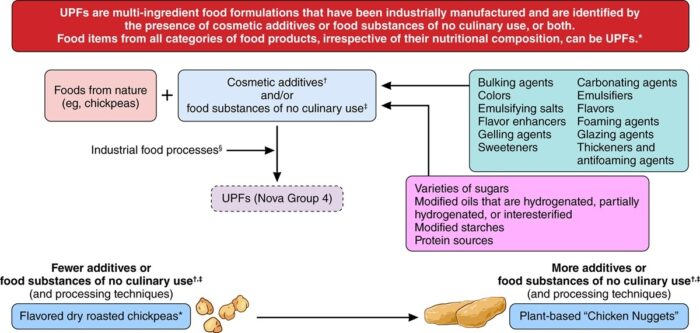
*The Nova classification system is used to define UPFs. Operationally, UPFs are distinguished from processed foods by containing at least 1 cosmetic additive or food substance of rare or no culinary use. All operationally defined UPFs undergo industrial processing, but not all foods that undergo industrial processing are UPFs. UPFs may contain few or many additives or food substances of no culinary use. In this example, the flavored dry-roasted chickpeas are considered a UPF because of a single additive (e.g., natural flavors). Other foods such as jam may contain a single gelling agent/thickener such as pectin (additive) or maltodextrin (food substance of no culinary use). Many UPFs have multiple additives. In this example, plant-based nuggets contain methyl cellulose and lecithin (emulsifiers), as well as diphosphates (thickeners).
†Classes of cosmetic additives include (1) bulking agents, (2) carbonating agents, (3) colors, (4) emulsifiers, (5) emulsifying salts, (6) flavors, (7) flavor enhancers, (8) foaming agents, (9) gelling agents, (10) glazing agents, (11) sweeteners, and (12) thickeners and antifoaming agents.
‡Classes of food substances of no culinary use (e.g., nonadditive ingredients) include (1) varieties of sugars (e.g., fructose, high-fructose corn syrup, “fruit juice concentrates,” invert sugar, maltodextrin, dextrose, lactose, and other added sugars of rare culinary use), (2) modified oils that are hydrogenated or interesterified, (3) modified starches, and (4) protein sources (e.g., hydrolyzed proteins, soy protein isolate, gluten, casein, whey protein, and “mechanically separated meat”).
§UPFs also undergo sequential industrial physical or chemical processing (e.g., extrusion, molding, prefrying, fractioning, grinding, hydrolysis, hydrogenation, or chemical modifications), exposure to packaging and neoformed contaminants, and marketing.
_______
Which foods are classified as ‘ultra-processed’?
|
Bread |
Most bread that we buy in a supermarket or shop would be classed as ultra-processed in the NOVA definition. Bread is not usually high in fat, salt or sugar and going for wholegrain versions is a healthier option, providing more fibre. |
|
Ready meals |
Ready meals are usually industrially processed and so would be classed as ultra-processed, but can be low in fat, salt and sugar. The nutritional content of ready meals varies a lot and nutrition labels can help you identify healthier options. But also look for those that provide healthy foods such as vegetables, fruit, nuts and pulses. |
|
Yogurts |
Yogurts with added sugar, or additives such as sweeteners or thickeners could be classed as ultra-processed. Plain, unsweetened yogurt or yogurt with unsweetened fruit would not be classed as ultra-processed. |
|
Cheese |
Processed cheeses, as well as most vegetarian or vegan cheeses, are considered ultra-processed. Freshly made cheese and cheeses such as cheddar or soft cheeses that you buy in a supermarket are not considered ultra-processed. Cheese provides calcium and other nutrients but can be high in salt and saturated fat. |
|
Meat |
Some, but not all, processed meats are classed as ultra-processed but it’s best to limit consumption of all of these as intakes have been linked to increased risk of colorectal cancer and they are usually high in salt and saturated fat. Meat such as steak, mince, and chicken portions is not considered ultra-processed but high intakes are also associated with increased risk of colorectal cancer. |
|
Meat alternatives |
Products such as vegan sausages and burgers are usually classed as ultra-processed as they often contain added salt or flavourings and are industrially produced. It’s best to choose those that are lower in salt, saturates and saturated fat. |
|
Cakes and biscuits |
Most cakes and biscuits could be considered ‘ultra-processed’ due to the use of raising agents, emulsifiers, flavours or colouring. Homemade cakes and biscuits are not considered to be ‘ultra-processed’ but can be high in fat and sugar. |
_
Three groups of ultra-processed products are frozen products, snacks (which include sweet and savoury snacks, confectionery, and ice cream) and soft drinks. Table below lists the items included in each of these three groups.
|
Frozen products |
Snacks |
Soft drinks |
|
Includes: Frozen processed products (Bakery products; potatoes; desserts; meat, poultry, fish, seafood, meat substitutes, red meat, processed poultry, processed fish/sea food, meat substitutes; dishes such as pizza, ready meals, others). |
Includes: Sweet and savoury snacks (Chips/crisps, corn chips, pretzels, sweet snacks, salted nuts. Confectionery (Chocolates, sweets, gums, pastilles, jellies) Ice creams (Also frozen yoghurt) |
Includes: Carbonates (Carbonated drinks) Fruit and vegetable juices (Sweetened juices, nectars, fruit drinks, fruit-flavoured drinks) Ready-to-drink tea or coffee Sports and energy drinks Asian speciality drinks |
_____
Ultra-processed foods often contain a variety of ingredients that are not typically found in home cooking. These ingredients are usually added to enhance flavour, texture, shelf life, and appearance. Below are some common ingredients found in ultra-processed foods:
(1. Added Sugars
– High-fructose corn syrup
– Sucrose (table sugar)
– Glucose syrup
– Fructose
– Maltodextrin
(2. Refined Oils and Fats
– Hydrogenated oils (trans fats)
– Palm oil
– Soybean oil
– Canola oil
(3. Preservatives
– Sodium benzoate
– Potassium sorbate
– BHT (butylated hydroxytoluene)
– BHA (butylated hydroxyanisole)
(4. Artificial Flavours and Colours
– Synthetic flavouring agents (e.g., vanillin, ethyl maltol)
– Artificial colourings (e.g., Red 40, Yellow 5)
(5. Emulsifiers and Stabilizers
– Lecithin
– Mono- and diglycerides
– Carrageenan
– Xanthan gum
(6. Thickeners and Gelling Agents
– Guar gum
– Agar-agar
– Pectin
(7. Flavour Enhancers
– Monosodium glutamate (MSG)
– Yeast extract
(8. Modified Starches
– Modified food starch
– Corn starch
(9. Dairy Substitutes
– Non-dairy creamers
– Processed cheese products
(10. Artificial Sweeteners
– Aspartame
– Sucralose
– Saccharin
(11. Processed Meats
– Nitrates and nitrites (used in curing)
– Flavoring agents and fillers
(12. Pre-packaged Ingredients
– Instant noodles
– Ready-to-eat meals that may contain a mix of the above ingredients
These ingredients contribute to ultra-processed foods’ palatability, convenience, and shelf stability but often come at the cost of nutritional quality. Regular consumption of such foods can lead to health issues, so it’s advisable to read labels carefully and limit intake of ultra-processed items in favour of whole, minimally processed foods.
_______
Processing is a vital part of ensuring food safety and standards:
Processing is a vital part of ensuring food safety and standards are upheld. Although a key concern for many of us is the use of additives and substances such as preservatives, emulsifiers, sweeteners, artificial colours, antioxidants and flavours, these are covered by strict legislation and require thorough safety assessments before they can be authorised to be used as an ingredient in a food product.
All food additives undergo detailed assessments to check they are safe for people to eat. When new information about an additive’s safety arises, the additive is reassessed for its safety based on the latest scientific evidence.
There are several reasons why food additives and other substances are added, these include:
- Preservatives which help to keep food safer for longer by slowing the growth of microorganisms.
- Emulsifiers which help to mix or thicken the product.
- Sweeteners which are used to replace sugar in calorie-reduced foods.
- Food colourings which add or restore colour to a food which was lost during processing.
- Antioxidants which stop fats within the product becoming rancid or changing colour.
- Flavours which add or restore flavours to a food which was lost during processing.
_______
Other terms for ultra-processed foods:
- UPFs
- Highly processed food
- Junk food (most UPFs are junk foods)
______
Some examples of ultraprocessed foods include:
- Fatty, sweet, savory or salty packaged snacks.
- Ice creams and frozen desserts.
- Cola, soda and other carbonated soft drinks.
- Energy and sports drinks.
- Canned, packaged, dehydrated and other instant soups.
- Packaged meat, fish, vegetables, breads and buns.
- Breakfast cereals and bars.
- Sweetened juices.
- Margarines and spreads.
- Infant formulas and drinks.
- Meal replacement shakes such as Slim Fast.
______
UPF consumption on the rise:
UPFs have rapidly displaced minimally processed foods, freshly prepared meals, and traditional cooking in most countries, causing significant nutritional, social, economic, and environmental disruption worldwide. UPFs, which largely did not exist before the mid-20th century, now account for over half of estimated total calories consumed in the United States, United Kingdom, and Canada (among children and adolescents), and ≈20-40% of calories in other high- and middle-income countries with sales growing rapidly every year. In countries where intake has been estimated across different age groups, children are consuming more UPFs than older generations. This worldwide shift towards greater consumption of UPFs coincided with global increases in prevalence of obesity and other nutrition-related diseases.
_
UPFs encourage overconsumption due to:
- Convenience (i.e., products are typically ready-to-eat or ready-to-heat);
- Hyper-palatability (formulations are engineered to maximally please all the senses);
- Disrupted satiety signaling (e.g., UPFs are often processed in ways that degrade foods’ basic structure or “matrix,” increasing rate of consumption and digestion and preventing or delaying normal feelings of fullness); and
- Marketing that is highly pervasive and persuasive, often targeting children, as well as effective branding — both of which are largely absent for unprocessed and minimally processed foods.
- Addictiveness: UPFs meet the scientific criteria used to label tobacco products as addictive substances. UPFs have been shown to: (1) cause highly controlled or compulsive use; (2) have mood-altering effects on the brain; (3) reinforce behavior; and (4) trigger strong urges or cravings.
_
Published commentaries have proposed a range of hypotheses and mechanisms for observed associations between ultra-processed foods and adverse health outcomes. This includes:
- higher palatability
- higher energy density
- promotion of a faster eating rate – for example, due to softer texture or other changes in the food structure or matrix
- differences in the nutrient content – such as higher saturated fat, salt and free sugars content alongside lower fibre content
- effects of high temperature in the production of processed foods
- effects of specific additives, including low or no calorie sweeteners
- contaminants from packaging
- higher consumption due to widespread marketing and lower cost of processed foods
- combined effects of the above
- UPF consumption worsens nutritional intake: UPFs are often calorie-dense and disproportionately contribute sugar, sodium, saturated and trans-fats, and highly refined carbohydrates to the diet. They also displace consumption of traditional, less-processed and freshly prepared foods containing more beneficial nutrients.
- UPFs can contain harmful substances, including:
-Contaminants formed during high-temperature cooking,
-Industrial additives linked to inflammation and gut dysbiosis (imbalances in the diversity and composition of gut microbiota),
-Hormone-disrupting chemical compounds leached from plastics used in industrial food manufacturing and packaging materials.
- When consumed in small amounts and with other healthy sources of calories, ultra-processed products are harmless; however, intense palatability (achieved by high content of fat, sugar, salt, and cosmetic and other additives), omnipresence, and sophisticated and aggressive marketing strategies (such as reduced price for super-size servings), all make modest consumption of ultra-processed products unlikely and displacement of fresh or minimally processed foods very likely. These factors also make ultra-processed products liable to harm endogenous satiety mechanisms and so promote energy overconsumption and thus obesity.
_
Ultra-processed foods induce unhealthy dietary patterns:
Ultra-processed foods are designed to be portable, convenient and accessible. They induce eating patterns such as ‘grazing’ and skipping main meals, eating when doing other things such as watching television, driving a car or working, and eating alone. Extremely convenient packaged products such as caloric soft drinks have created diets in which a substantial amount of energy comes in liquid form. Liquid calories are not part of the regular diet of any mammal, except for milk during infancy, a period of rapid increase in weight. There is growing evidence that consumption of large quantities of caloric soft drinks may fool the biological mechanisms responsible for satiety responses, and cause over-consumption of energy and thus overweight and obesity. A recent review of a vast array of sophisticated studies, from neuro-imaging of the brain to elegant behavioural human experiments, indicate that excess eating is largely the result of automatic and uncontrollable responses to unappreciated environmental cues such as food accessibility and food advertisement. These studies contradict the idea that eating and drinking behaviours are simply a matter of conscious choice that can be educated. Modern and sophisticated food marketing strategies are concentrated on ultra-processed products such as soft drinks, burgers and biscuits, not on minimally processed foods like traditional staples such as grains and legumes, or even on oil and sugar. The reason is well-known. Ultra-processed foods and drinks are very profitable. Their ingredients may cost the manufacturer a mere 5–10 % of the product’s retail price.
_______
_______
Ultraprocessed food are pre-digested food:
Would you eat food that’s been predigested? Experts say that’s what we’re doing when we consume many popular packaged foods — those breads, cereals, snack chips and frozen meals that have been refined, pounded, heated, melted, shaped, extruded and packed with additives. A growing body of research suggests that the extent of industrial processing that your food undergoes can alter its effects on your body, determining its impact on your appetite, hormones, weight gain, and likelihood of developing obesity and chronic diseases.
This extreme processing creates foods that are so easily absorbed by the body that they’re essentially predigested. Many foods also are engineered to overcome our satiety mechanisms, which drives us to overeat and gain weight, experts say. Why do many people overeat chips, cereals, cakes, puddings and other ultraprocessed foods despite knowing those foods may not be healthy? According to emerging science, it may be due to manufacturing processes that “predigest” raw food ingredients — creating ultraprocessed foods that bypass the body’s signals of fullness.
_
Many ultra-processed foods start with fiber-rich grains like wheat, rice, oats and corn. Food companies use high-speed steel rollers to mill these grains into flour or small particles. In some cases, the grains are refined, meaning their fiber and nutrient-rich components, the bran and germ, are removed. To manufacture cheap, delicious food that is packaged for convenience, basic food crops such as corn, wheat and potatoes are dissembled into their molecular parts — starchy flours, protein isolates, fats and oils — or what manufacturers call “slurries.” The bulk of what is extracted is starch slurry, a milky mixture of starch and water, but we also have extracted proteins and fibers. Although starch slurries aren’t at all unusual in the world of the culinary arts, what sets these apart is that rather than using cornstarch or similar ingredients, mass-produced food manufacturers make theirs’ by breaking a given raw food down to its molecular level and then pounding it, along with food coloring, emulsifiers, and fake flavors, with industrial machines to make a variety of ultra-processed foods through a manufacturing technique called extrusion cooking.
_
Cooking extruders have spawned a multibillion-dollar industry: They are widely used by food companies to mass produce many of the starchy and sugary packaged foods that line grocery store shelves. Cooking extruders contain rotating screws inside a large steel barrel. Flour, water and other ingredients are poured into one side of the machine as the rotating screws blend and force the mixture through the barrel. While the process can vary, the machine typically twists and heats the mixture, generating intense pressures, shear forces and temperatures that melt the mixture. This process disrupts the food matrix of the starch: It breaks open the rigid cell walls inside the starch and destroys its microscopic granules, which contain long chains of glucose, a type of sugar. Eventually, the “melt,” as the mixture inside the cooking extruder is called, is forced out of the machine through a small hole called a die. As it exits, the melt encounters a drop in atmospheric pressure that causes it to expand. The final product, called the “extrudate,” can be shaped into an endless variety of ultra-processed foods: breakfast cereals, corn chips and puffs, snack bars, cookies, doughnuts, croutons, breadsticks, baby foods and more.
_
Extrusion technology is efficient and economical. It allows manufacturers to make a wide range of shelf-stable, ready-to-eat foods. Extrusion technology is now increasingly used to fabricate products. For example, ‘economy’ chicken and other nuggets often have as an ingredient, a slurry ‘mechanically recovered’ from remnants of the animals that otherwise would be discarded, by use of high-pressure grinders and centrifuges. The animal-source material becomes an ingredient much like the refined starches, oils and other substrate of the product, reconstituted to look, smell and taste like a juicy battered slice of chicken.
_
Extrusion cooking at very drastic pressures and temperatures is a kind of predigestion of your food, the process appears to accelerate the speed at which our digestive tracts absorb glucose and other nutrients from food, causing greater spikes in blood sugar and insulin levels. With the help of artificial colorings, flavorings and glue-like emulsifiers, starch slurries are heated, pounded, shaped or extruded into any food a manufacturer can dream up. Add in just the right ratio of sugar, salt and fat designed to tickle our taste buds, and an ultraprocessed food that’s nearly irresistible is born. It could be a pizza if you put some cheese and tomato on top. It could be a burger bun. It could be a grain bar, a breakfast cereal, ice cream or confectionery — they all have the same list of basic starting ingredients.
_
It’s an illusion of food. But it’s really expensive and difficult for a food company to make food that is real and whole, and much cheaper for food companies to destroy real foods, turn them in molecules, and then reassemble those to make anything they want.
Much like the regurgitated food mother birds feed their babies in the nest, ultraprocessed food is quick and easy to digest, according to experts. Many of the most processed grain-based foods we eat, from burger buns and pizza crusts to potato chips and puddings, were made in a manner that is quite similar to a mama bird pre-chewing her baby’s food — except in this case, it’s as if she digested it before regurgitating it to her offspring. But that’s not how the human digestive system was meant to work.
Starting with teeth designed to tear food apart, the human gastrointestinal system evolved to break down whole foods into their various nutritional components, absorb those vitamins, minerals and micronutrients and then eliminate the undigestible leftovers and fiber as stool.
When food moves through the digestive system in ways Mother Nature didn’t intend, however, the body loses the ability to send a signal of fullness to the brain. In effect you are bypassing the stretch receptor effect in the stomach. Before the stretch receptors can even tell you that you have had had enough, you’ve put down twice as many calories as you need.
There’s another problem with foods that are broken down and reassembled — they may no longer contain the nutrients our bodies need. We are consuming more calories, but they are less dense in terms of micronutrients. Breaking down the chemical and physical structure of the cells in a food, or a food’s matrix, can damage or even eliminate many of the nutrients in that food. By fracking food much like we frack oil, we have fully deconstructed the food matrix, and this is associated with many times higher risk of chronic disease and early mortality and a degradation of global health. Such ultraprocessed foods are less satiating than minimally processed foods and contribute to a rise in non-communicable diseases.
_
Humans have been cooking, grinding, preserving and processing food for thousands of years. Cooking makes food easier to digest. It liberates nutrients, allowing our bodies to extract more fat, carbs and calories from our food. The advent of cooking helped give our ancestors the energy their bodies needed to gain weight and grow bigger brains. Our bodies absorb more energy from meat and starches that have been cooked. But modern food technology takes processing to another level.
Fiber, a type of carbohydrate found in plant-based foods, is one of the main casualties of ultra-processing. Fiber slows digestion. It reduces blood sugar spikes, delays the return of hunger after you eat and travels down to your colon, where it nourishes the trillions of microbes that make up your gut microbiome. These microbes turn fiber into health-promoting compounds such as short-chain fatty acids.
A study found that people absorbed significantly more calories when they ate a diet of highly processed foods compared to when they ate a mostly unprocessed, fiber-rich diet. The highly processed foods were quickly absorbed in the upper gastrointestinal tract, essentially starving the gut microbes that reside farther down in the colon. But on the unprocessed diet, people excreted more calories in their stool and lost slightly more weight and body fat. They had higher circulating levels of short-chain fatty acids and increased levels of GLP-1, a gut hormone that promotes fullness and satiety.
_______
_______
Ultra‐processed foods: Processing versus formulation:
It is important to distinguish between formulation and processing of a food. In most cases it is the formulation more than the processing that results in foods that are not recommended as part of a healthy diet. Such “ultra‐formulated” foods are unhealthy because they are high in added sugar and other caloric sweeteners, refined flours saturated fats and salt to increase palatability. The understanding that processing and formulation are distinct will assist health professionals in identifying the types of foods that are unhealthy and contribute to overconsumption and obesity.
_
For nova Group 4 products, technology and formulation are often independent variables: while oil is needed to process potato chips, salt and flavorings can be added at will. Corn flakes can be produced without added sugar and other additives and are then categorized as Group 1. Sugar can be added in any amount, and is usually applied by frosting, a simple process technology, and the resulting breakfast cereals are categorized as Group 4. Salt, sugar, fat and additives such as flavors and colorants can thus be added independent of the process, in particular for Group 4 foods. It is often the content of fat, sugar and salt that render Group 4 products unhealthy. Fat and sugar (incl. processed starches, such as high‐fructose corn syrup and maltodextrins) increase the energy density of the products without providing important micronutrients (“empty calories”). Colorants, flavors and additives, such as emulsifiers, are added to make these energy‐dense “ultra‐formulated” products more attractive but have few substantiated negative health consequences themselves.
_
Processing itself can have negative effects on nutrient availability of foods and thus on health. Overprocessing of grains can cause an increase in the glycemic index which can impact circulating glucose levels and hemoglobin A1C. As a result of processing, quick oats and rolled oats have a higher glycemic index than steel cut oats. Simple grinding of peanuts to make peanut butter can increase the absorption of fat and thus provide more kilocalories. Fat absorption is even higher when consuming peanut oil.
Technology can also result in negative health effects. Chemical modification was applied to create solid fat (margarine) from vegetable oil, which was thought to be healthier than butter due to the lower cholesterol content and lower content of saturated fats. Unfortunately, this introduced trans‐fats that are now known to have negative health impacts. The recognition of this in the 1990s led to technology changes that resulted in production of partially hardened fats no longer containing trans fatty acids.
_
On the other hand, processing can improve the nutritional quality of foods. The bioavailability of lycopene, an antioxidant, is higher in tomato paste than in fresh tomatoes. Adding air and water to food decreases the ratio of calories to volume which has an impact on energy intake. Greek yogurt is more highly processed compared to regular yogurt but is considered healthier due to increased protein content and, in modern versions, reduced fat content. Lactose can be filtered out of milk to make lactose free milk or to decrease the caloric content of milk‐based cocoa beverages. Pasteurization of milk decreases the risk of foodborne illness and more healthy low‐fat milk results from the use of a fat separator. Food processing also renders foods such as beans non‐toxic by degradation of antinutritional factors and improves the digestibility of low digestible vegetables. Many foods are seasonal and have improved shelf life due to drying, pickling and fermentation. Also, foods with low palatability can become a versatile ingredient for culinary uses such as the dehusking and milling of wheat converting it to flour.
_
Formulation independently of processing can affect the quality of foods in either a positive or negative way. Salt, sugar, and fat are added to foods in Group 3 “Processed foods” and Group 4 “Ultra‐processed foods” of the NOVA system to improve palatability and to prolong the shelf life. Other additives such as coloring agents and flavors are also used to enhance the acceptability of foods, mainly those of Group 4. These formulated foods easily lead to overconsumption and are even labeled addictive by some and thereby promote obesity as well as other negative health consequences. In contrast, certain non‐formulated, minimally processed foods in Category 1 such as high‐fat or cured meats are generally not recommended as part of a healthy diet due to their nutrient composition. Addition of certain oils such as olive oil to highly processed foods can improve their “health index.” While low sodium soups are not highly processed, potassium chloride, monosodium glutamate, yeast extract or hydrolyzed soy are often added to improve palatability, providing a low sodium option for individuals needing to decrease their sodium intake.
_
Recognizing the importance of both processing and formulation as parameters that independently impact the nutritional and dietary characteristics of foods, a food matrix that explicitly recognizes these two parameters is presented (see figure below). In figure below, the MyPlate recommendations to color code if a food fits in a healthy diet were used. Foods that are considered healthy or unhealthy occur all over the matrix, whereby the prevalence of unhealthy foods increases with the degree of processing, and specifically, with the degree of formulation. As argued above, this is often a conscientious choice to make such “ultra‐formulated” foods more palatable and attractive rather than being driven by the process and often has to do with the addition of sugar (or other caloric sweeteners such as high fructose corn syrup), (saturated) fats and salt to intermediate and highly processed foods.
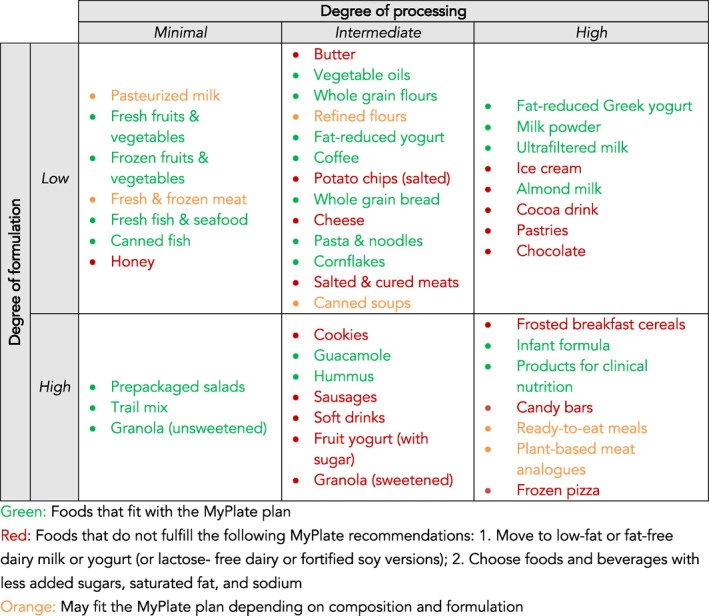
______
______
Not all ultraprocessed foods are created equal:
The ultraprocessed food category is large and wide-ranging. It contains stereotypically “unhealthy” products like sodas, candies and hot dogs as well as seemingly “healthy” ones like whole grain breads & breakfast cereals, flavored yogurts and plant milks. It’s a “hodgepodge of foods,” some of which are likely more harmful than others. Even among the range of processed foods currently on the market not all ultraprocessed foods are bad.
Foods classified as ultraprocessed are those that have many added ingredients such as artificial coloring, added sugars, emulsifiers and preservatives. An apple may undergo minimal processing when it gets made into applesauce. But when it gets made into a shelf-stable apple pie or candy gummies with added sugars, colorings and flavorings, these foods are considered ultraprocessed. Packaged whole grain breads is classic example. Under the NOVA classification system, most mass-produced breads are considered ultraprocessed. But if they have little or no added sugars and high levels of fiber, they could be a healthy option. There is enough research linking ultraprocessed foods to health issues that it makes sense to try to cut back on our consumption in general — especially when these foods are high in salt, sugar and fat.
_
Are all packaged foods processed or ultra-processed?
Not really! Package foods often get a bad reputation for being overly unhealthy. While it’s true that many package foods fall into the categories of processed or ultra-processed, it’s important to recognise that not all package foods are equal. In fact, some package foods can actually be quite healthy and minimally processed.
Here are some examples of minimally processed packaged foods:
-1. Plain Yoghurt: Yoghurt made from just milk and live cultures is a good source of protein, calcium, and probiotics. It undergoes minimal processing compared to flavoured or sweetened varieties, which often contain added sugars and artificial flavours.
-2. Frozen Vegetables: These are plucked in a peak ripeness and quickly frozen to lock in nutrients. They often contain no additives or preservatives, making them a convenient and nutritious option for adding vegetables to meals.
-3. Packaged Whole Grains: In items like brown rice, quinoa, or whole wheat pasta only basic cleaning and packaging is require without further processing beyond milling or drying. They retain their natural fibre, vitamins, and minerals.
-4. Nuts and Seeds: Many nuts and seeds are available in packages that contain only the raw or roasted nuts themselves, without added oils or salts. They provide healthy fats, protein, and essential nutrients.
_
Why bread is ultra-processed:

It may well seem counter-intuitive to identify bread as ultra-processed. One reason that this classification may seem surprising is that in some parts of the world bread has been made for thousands of years. It is imprinted in biblical and other sources originating in wheat-growing parts of the world as the Staff of Life, in the Christian tradition as the body of Christ, and is part of various versions of traditional Mediterranean diets. Bread is a processed food because the ingredients—grains—are changed from their natural state to make flour, which is then baked. While all bread is processed to some degree, many store-bought breads are considered ultra-processed foods due to industrial production methods and the addition of ingredients not typically used at home, such as emulsifiers, sweeteners, and artificial colors. Brown bread (such as wholemeal or wholegrain) goes through a similar production process as white bread. The main difference is that it may have some fibre either retained or added back into the flour.
_
Why hot dog is ultra-processed:

Hot dogs are made up of white bread in the form of a bun, and a type of sausage, both ultra-processed, together with mustard or other relishes.
Processed meat contains only small amounts of real meat or poultry, and instead may be made using ‘mechanically recovered’ scraps, skin and offals, centrifuged into a slurry that is then rendered into a substance that looks and tastes like meat. Cheap ‘chicken’ nuggets are one of many examples. Others use problematic preservation processes, such as salting, salt-pickling, curing or smoking, and nitrates, which do or may increase the risk of some cancers. Processed meat is meat that manufacturers have preserved through smoking, curing, or salting. Examples include: sausages, hot dogs, salami, lunch meat, bacon, ham, corned beef, beef jerky. The manufacturing process for these meats often involves nitrites, which can create carcinogens. Even smoking meat without chemicals can create polycyclic aromatic hydrocarbons, a type of carcinogen. The WHO states that there is “convincing evidence” that processed meats cause cancer. According to a 2019 review processed meat consumption is a significant risk factor for colorectal cancer.
What about burgers?
If you buy fresh meat and mince and cook it yourself, together with ingredients such as oil, spices and herbs, and serve it at home, the result is a dish that is a combination of group 1 unprocessed food with group 2 ingredients. If you serve it as a burger inside a bun, it is a hybrid dish. But ‘patties’ manufactured at distance and trucked into outlets at which they are given their final heating, and inserted into a bun together with cheese, bacon and bits of salad, are ultra-processed products.
_
Why margarine is ultra-processed:
Margarine is not an ancient product like bread, but it has been produced and consumed in increasing and now great quantity for a century. For half a century after the introduction of the hydrogenation process margarine, which is roughly 80 per cent fat and 16 per cent water, was made from any suitable and commercially attractive animal fat, such as beef or mutton tallow, pig lard, or whale or fish oils, or from plant oils, singly or in combination. The rest was mostly salt, flour, added vitamins, and an array of additives. Margarine can be made from animal fats, as it was historically and can still be, though most consumed today is made from vegetable oils. Many populations consume a lot of margarine.
Seeing margarine as an ultra-processed product may also seem counter-intuitive, because of the intensive advertising of some types of margarine as ‘heart-healthy’. Discussion about table fats and human health usually centre on their chemical composition. Since the 1960s butter has been identified as harmful to heart health, when consumed in substantial quantities, whereas margarine has been seen as a better choice, because the softer versions are lower in saturated fats, and often also contain types of fat that are regarded as positively beneficial. In the last 20 or so years the story has changed, because of general agreement that the trans-fats in margarine that are created by the hydrogenation process that is intrinsic to margarine manufacture, while chemically being an artificial type of unsaturated fat, are at least as harmful to heart health as naturally saturated fats found in meat and dairy products such as butter. The nature of the processes used to produce butter and margarine are so different, that it is more appropriate to classify margarine as ultra-processed product, whereas butter remains in group 2.
______
______
Processed versus ultraprocessed food:
Processed foods are altered from their natural state for preservation or convenience, while ultra-processed foods undergo extensive industrial processing and often contain numerous additives. Ultra-processed foods are generally considered less healthy due to their high content of added sugars, salts, unhealthy fats, and artificial ingredients.
Here’s the truth: almost all foods are processed somehow, but not all processing is equal. There’s a big difference between lightly processed foods (like frozen vegetables or whole grain bread) and ultra-processed foods packed with preservatives, artificial flavors, and refined sugars. A key issue is that we can’t yet determine whether the risk associated with processed food is due to the processing itself or because these foods are often energy-dense, high in saturated fat, salt or sugars and/or low in fruit, vegetables, and fibre. In comparison, the evidence of health harms as a result of consuming too much fat, sugar and salt is very strong and well established, including increased risk serious conditions such as heart disease, stroke and some types of cancer.
_
In the battle between processed food and ultra-processed food regarding healthiness, the scales tip decisively towards processed food for several reasons:
-1. Degree of Processing: Processed foods undergo minimal alterations (e.g., washing, freezing) compared to ultra-processed foods, which involve extensive industrial processing including additives, preservatives, and flavourings.
-2. Nutrient Content: Processed foods often retain more of their original nutrients compared to ultra-processed counterparts, which may contain fewer nutrients and more unhealthy additives like sugars, unhealthy fats, and sodium.
-3. Impact on Health: According to NHS, processed foods can still be part of a balanced diet if chosen wisely. Whereas ultra-processed foods are in link to increased risks of obesity, heart disease, and diabetes due to their high calorie density, low nutrient content, and potential harmful additives.
-4. Food Quality: Processed foods can maintain food quality (e.g., frozen fruits) while ultra-processed foods often sacrifice quality for shelf stability and taste enhancement.
In summary, in the battle between processed foods vs. ultra processed foods, processed foods wins being slightly healthy when chosen carefully.
_____
UPFs as junk food:
While not all processed foods are unhealthy, many ultra-processed foods are considered “junk food” due to their high levels of unhealthy fats, sugars, and sodium, and low nutritional value. Ultra-processed foods are often heavily modified and contain additives like artificial flavors and colors, which can contribute to health problems when consumed regularly.
Here’s why they are often categorized as junk food:
- Nutrient Deficiency:
Ultra-processed foods are often low in essential nutrients like fiber, vitamins, and minerals, while being high in calories, saturated fats, and added sugars.
- Health Risks:
Diets high in ultra-processed foods have been linked to increased risks of various health issues, including heart disease, type 2 diabetes, obesity, and certain types of cancer.
- Overconsumption:
The high palatability and low satiety of these foods can lead to overeating and weight gain.
- Additives and Processing:
The extensive processing and use of additives in ultra-processed foods can negatively impact health in ways that go beyond the simple presence of fat, sugar, and salt.
Examples of Ultra-Processed Foods (often considered “junk food”):
- Sugary cereals
- Processed meats (like hot dogs and bacon)
- Pre-packaged meals
- Most commercially baked goods (cakes, cookies, pastries)
- Fast food (burgers, fries, etc.)
- Sugary drinks (soda, soft drinks, energy drinks, sweetened juices)
_
Front of package labelling can help you choose foods lower in fat, sugar and salt during your grocery shop:
There’s an abundance of food and drink that is high in calories, fat, sugar and salt which is convenient and has a long shelf life. We know that these foods are heavily advertised, marketed and promoted and that this can be highly persuasive in encouraging us to buy more, or simply buy things we weren’t intending to.
Looking at food labels can help us choose healthier options. Many products have a colour coded front of pack label which can help you compare products and find options which are lower in fat, saturated fat, salt and sugars. Try to choose products with more greens and ambers and fewer reds on the label.
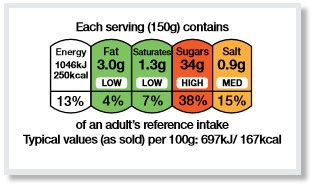
- Red means the food is high in fat, saturated fat, salt or sugars so should be eaten less often and in smaller amounts
- Amber means medium, so you can eat foods with all or mostly amber on the label most of the time
- Green means the food is low in fats, salt or sugars and is a healthier choice
_______
_______
Section-4
Fast food:

_
Fast food is mass-produced food prepared for quick, convenient service and sale in restaurants, stores, or take-out packaging, with a strong emphasis on speed and efficiency over sit-down dining. Common examples include burgers, pizza, french fries, tacos, and sandwiches, often sold by large restaurant chains like McDonald’s, Burger King, and KFC, though Indian street foods like Vada Pav are also considered fast food. Fast foods in colloquial term implies that home-cooking is “slow-cooking”. Consumption of fast-food is highly prevalent in almost all parts of the world and does not spare any age, gender, racial or ethnic groups. ‘Fast Food’ mania is not peculiar to the young, adolescent and adults but is now also a favourite amongst elders. In short, it is an individual’s delight of not only a 12 year old child but also of a 60 year old grandmother who enjoys this delicious and affordable food that is just a stone’s throw from one’s home.
_
Fast food generally refers to food that is quickly prepared and served, often at chain restaurants, and is typically associated with being less expensive and less nutritious. Common examples include hamburgers, cheeseburgers, hot dogs, french fries, pizza, tacos, burritos, fried chicken, and sandwiches. Many fast food restaurants also offer items like salads and soups, but these are often considered “slower” foods within the fast food context. Fast food was created as a commercial strategy to accommodate large numbers of busy commuters, travellers, and wage workers. The fastest form of “fast food” consists of pre-cooked meals which reduce waiting periods to mere seconds. Some fast food outlets, primarily hamburger outlets such as McDonald’s and Burger King, use mass-produced, pre-prepared ingredients and cook the meat and french fries fresh, before assembling “to order”. Fast food’s popularity stems from its convenience, speed of service, and affordability. However, it’s important to note that fast food can be high in calories, saturated and trans fats, sodium, and added sugars, which can contribute to health issues if consumed frequently.
_
There has always been fast food. From the pizza booths of ancient Rome and the 12th-century markets along the Thames to the makeshift kitchens of the Chili Queens of 1800s San Antone, the culinary tradition of affordable, portable, quickly scarfable fare goes at least as far back as Exodus, when the ancient Israelites ate matzo while hurrying out of Egypt. In spite of this millennia-spanning legacy, fast food has come to resemble a somewhat specific concept over the course of the past century. The phrase “fast food” generally brings to mind places that look the same everywhere and serve food on the fast and cheap. No waitstaff, no dishware, and little need for utensils. Other standard-issue amenities tend to include combo meals, value menus, drive-thru windows, and maybe an indoor playground. Fast food is culture, its history, it’s nostalgia. It’s a meal you eat with your hands, oftentimes while navigating traffic on the open road. When honouring Mickey D’s strongman Ray Kroc as one of Time’s 100 most important figures of the 20th century, the famed chef Jacques Pépin delivered this revelatory truth that speaks spiritual volumes about the entire idea of fast food: “One goes to McDonald’s to eat, not to dine.”
_
Fast food is a type of mass-produced food designed for commercial resale, with a strong priority placed on speed of service. Fast food is a commercial term, limited to food sold in a restaurant or store with frozen, preheated or precooked ingredients and served in packaging for take-out or takeaway. Fast food was created as a commercial strategy to accommodate large numbers of busy commuters, travellers and wage workers.
The fastest form of “fast food” consists of pre-cooked meals which reduce waiting periods to mere seconds. Other fast-food outlets, primarily hamburger outlets such as McDonald’s and Burger King, use mass-produced, pre-prepared ingredients (bagged buns and condiments, frozen beef patties, vegetables which are pre-washed, pre-sliced, or both; etc.) and cook the meat and french fries fresh, before assembling “to order”.
Fast-food restaurants are traditionally distinguished by the drive-through. Outlets may be stands or kiosks, which may provide no shelter or seating, or fast-food restaurants (also known as quick-service restaurants). Franchise operations that are part of restaurant chains have standardized foodstuffs shipped to each restaurant from central locations.
_
Lifestyle changes which have taken place in many countries worldwide over the last few decades have been shown to impact food consumption patterns. One of the most prominent trends is a growing prevalence of meals eaten away from home. In addition, even meals consumed at home are often purchased from catering outlets which offer takeaway or home delivery service. The traditional regular family dinner has been replaced by eating ‘on the run’ at various locations throughout the day. An average US woman and man spend 0.79 h and 0.32 h per day carrying out food preparation and cleaning up, respectively. Moreover, 59% of men and 32% of women spend no time on daily food preparation.
Food eaten out of the home is becoming an important and a regular component of the Western diet. A number of studies have shown an increased frequency of takeaway and fast food consumption worldwide, especially in Europe, the USA and Australia. About 22% of Britons were found to purchase foods from takeaway outlets at least once a week and 58% a few times a month. A similar frequency of consumption of takeaway or fast food is observed in other countries as well, about 27% of Australians ate takeaway meals at least twice a week and 37% of Americans reported eating fast food at least once over two nonconsecutive days. Fast food is particularly popular among adolescents, with 75% of USA teenagers between the age of 11 and 18 years eat at fast food outlets at least once a week and 70% of Brazilian students (9 – 18 years old) consumed fast food four times or more per week.
Critics say the production of fast food often subordinates quality to efficiency, affordability, and profit. Fast-food products are often highly processed and precooked or frozen and may contain artificial preservatives in addition to high levels of sodium, cholesterol, saturated fats, and refined grains and sugars. Thus, the term fast food has come to carry negative connotations regarding health, and it raises ethical issues in the fields of agriculture and labour. However polarizing, fast food remains highly popular internationally for its convenience and flavour.
Aware of the negative connotations of the term fast food, various chains have shifted the language around their service models. For example, American sandwich chain Arby’s adopted the descriptor “Fast crafted” in the mid-2010s, and ice-cream chain Dairy Queen revealed the slogan “Fan food, not fast food” about the same time. The industry itself largely uses the term quick-service restaurant, or QSR.
_____
Fast Food restaurant:
A fast-food restaurant, also known as a quick-service restaurant (QSR) within the industry, is a specific type of restaurant that serves fast-food cuisine and has minimal table service. The food served in fast-food restaurants is typically part of a “meat-sweet diet”, offered from a limited menu, cooked in bulk in advance and kept hot, finished and packaged to order, and usually available for take away, though seating may be provided. Fast-food restaurants are typically part of a restaurant chain or franchise operation that provides standardized ingredients and/or partially prepared foods and supplies to each restaurant through controlled supply channels. The term “fast food” was recognized in a dictionary by Merriam–Webster in 1951. Variations on the fast-food restaurant concept include fast-casual restaurants and catering trucks. Fast-casual restaurants have higher sit-in ratios, offering a hybrid between counter-service typical at fast-food restaurants and a traditional table service restaurant. Catering trucks (also called food trucks) often park just outside worksites and are popular with factory workers.
_
Are fast food restaurants popular for breakfast, lunch, and dinner?
Yes, fast food restaurants are popular for all three meals: breakfast, lunch, and dinner. The popularity of fast food restaurants can be attributed to their convenience, speed, and affordability, which cater to the fast-paced lifestyle of many individuals today.
Are fast food restaurants popular for food delivery?
Yes, fast food restaurants are incredibly popular for food delivery. This popularity is primarily due to the convenience and speed they offer. Fast food restaurants have streamlined their processes to prepare food quickly, making them an ideal choice for customers who want their meals delivered promptly.
What are the most popular fast food restaurant chains?
Internationally, McDonald’s, Subway, and Starbucks are among the top fast food chains, boasting 40275, 37000, and 36170 locations respectively as of 2023. Other notable global chains include KFC, Burger King, and Pizza Hut. Their worldwide presence demonstrates the tremendous influence and adaptability of fast food, transcending national boundaries and becoming a truly global phenomenon. The global fast food market generated approximately $1 trillion in revenue in 2024. In the United States, some of the popular fast-food chains include 7-Eleven, A&W Restaurants, Arby’s, Auntie Anne’s, Baskin-Robbins, Burger King, Chick-fil-A, Chipotle Mexican Grill, Dairy Queen, Domino’s, Dunkin’ Donuts, Five Guys, and Hardee’s among others.
______
Health concerns and criticisms:
Many fast foods tend to be high in saturated fat, sugar, salt and calories. Fast food has faced numerous criticisms for its negative effects, including:
- Fast-food consumption has been linked to increased risk of cardiovascular disease, colorectal cancer, obesity, high cholesterol, insulin resistance conditions and depression. These correlations remain strong even when controlling for confounding lifestyle variables, suggesting a strong association between fast-food consumption and increased risk of disease and early mortality.
- Animal cruelty and worker exploitation
- Contribution to the obesity crisis
- Concerns about the promotion of unhealthy eating habits, particularly targeting children, through advertising tactics
Some fast food chains have responded to these concerns by offering healthier options on their menus, including salads, whole grains, and items with reduced sodium and added sugar content. While these initiatives represent progress, consumers should still strive to maintain a balanced diet and make informed choices regarding their food intake. After all, moderation and variety are key to healthy eating and a healthy lifestyle.
______
Fast food: unfriendly and unhealthy, a 2007 study:
Although nutrition experts might be able to navigate the menus of fast-food restaurant chains, and based on the nutritional information, compose apparently ‘healthy’ meals, there are still many reasons why frequent fast-food consumption at most chains is unhealthy and contributes to weight gain, obesity, type 2 diabetes and coronary artery disease. Fast food generally has a high-energy density, which, together with large portion sizes, induces over consumption of calories. In addition, authors have found it to be a myth that the typical fast-food meal is the same worldwide. Chemical analyses of 74 samples of fast-food menus consisting of French fries and fried chicken (nuggets/hot wings) bought in McDonalds and KFC outlets in 35 countries in 2005–2006 showed that the total fat content of the same menu varies from 41 to 65 g at McDonalds and from 42 to 74 g at KFC. In addition, fast food from major chains in most countries still contains unacceptably high levels of industrially produced trans-fatty acids (IP-TFA). IP-TFA have powerful biological effects and may contribute to increased weight gain, abdominal obesity, type 2 diabetes and coronary artery disease. The food quality and portion size need to be improved before it is safe to eat frequently at most fast-food chains.
______
______
Healthy versus unhealthy fast food:
Fast food hamburgers may be delicious, but aren’t always good for you. Fast food can be convenient, but it often contains hidden ingredients like hydrogenated oils, chemical preservatives, and artificial flavoring that your body doesn’t need. These additives may contribute to inflammation, poor digestion, and long-term health concerns when eaten regularly. An occasional burger is okay, but your everyday meals should focus on whole, nutrient-dense foods that support your energy, mood, and overall well-being.
Let’s look at a few typical fast food menu items, which do not contain drinks or sides:
- McDonalds Big Mac: 540 calories and 29 g of fat
- Burger King Whopper: 670 calories and 40 g of fat
- Wendy’s Bacon Deluxe Double: 880 calories and 52 g of fat
- Taco Bell Nachos Bell Grande: 770 calories and 24 g of fat
Now let’s throw in the sides:
- Medium fries at McDonalds: 380 calories and 19 g of fat
- Onion rings at Dairy Queen: 360 calories and 16 g of fat
- Regular cole slaw at Popeye’s: 260 calories and 23 g of fat
And don’t forget the drinks:
- Large Frosty at Wendy’s: 540 calories and 8 g of fat
- Large sweet tea at McDonalds: 280 calories and 0 g of fat
- Iced Carmel Latte from Dunkin Donuts: 450 calories and 12 g of fat
These foods are highly processed, full of fat, calories and sodium. You could easily take in 1,500 calories from just one meal alone. Keep in mind that a general caloric recommendation is 1800 calories per-day and around 50-60 grams of total fat. Choosing a typical fast food meal every day can lead to increased calories which can lead to weight gain and can lead to other health conditions like heart disease.
_
Unhealthy fast food options:
-1. Pizza: The average slice of pepperoni pizza contains about 680 milligrams of sodium, 12 grams of fat (including 5 grams of saturated fat) and 300 calories. But who eats just one slice? Three slices from a large pie provide more than 2,000 mg of sodium — almost the daily limit in just one meal.
-2. Burger and fries: A typical double cheeseburger and large fries provide about 1,200 calories and up to 1,700 milligrams of sodium. Make it a combo with a large soda, and you’ll top 1,500 calories.
-3. Cold-cut combo: Lunch meats tend to be loaded with sodium, saturated fat and carcinogenic agents called nitrates and nitrites, which are known to increase the risk of certain cancers. Three ounces of processed deli meat can pack up to 1,300 milligrams of sodium — even before you add cheese, condiments, bread and chips.
-4. Hot dog: A typical frankfurter without condiments contains more than half of your daily recommended saturated fat intake and 33% of your sodium intake. If you usually eat two hot dogs, it would be close to your day’s allotment of saturated fat and sodium.
-5. Fried chicken: Just one fried chicken breast from your favorite chicken place packs 500 or more calories, 34 grams of fat and 1,200-plus milligrams of sodium.
-6. Vada pav: A standard vada pav contains approximately 260-290 calories, with significant amounts of carbohydrates (37-55g), fat (9-9.5g), and a lower amount of protein (3-7g) per serving. It’s also high in sodium and contains some dietary fiber and sugars. Vada pav is generally considered an unhealthy snack due to its high content of refined flour, simple carbohydrates, and unhealthy deep-fried fats. However, you can make healthier versions by using whole grains, baking or air-frying instead of deep-frying, and incorporating more vegetables into the filling.
-7. Samosa: A standard savory potato (aloo) samosa contains roughly 250-300 calories, with significant amounts of fat (15-20g), carbohydrates (25-35g), and fiber (2-3g). It is a high-calorie, high-carb, high-fat snack. Samosas are generally not considered a healthy food due to their high levels of unhealthy fats from deep-frying, refined flour (maida), and high salt content.
Note:
All unhealthy fast foods are junk foods.
_
Healthy fast food:
Believe it or not, healthy fast food does exist! There are many chain restaurants where you can grab a quick and nutritious bite to eat. Eating at home is still better for you than eating out (due to smaller amounts of calories, and less saturated fat and sodium), but sometimes fast food is the only thing available.
Some examples of healthy fast food:
KFC:
Grilled chicken breast:
Ordering a grilled chicken breast by itself may seem strange, but it packs in a lot of protein, and if you pair it with some veggie sides, you can make a full, nutritious meal.
Nutrition info: 210 calories, 7 grams of fat, 0 grams of carbs, 38 grams of protein, 710 milligrams of sodium
Sweet corn:
This is the healthiest side option available at KFC (though green beans are a good choice too, if you see them on the menu). You can get the sweet corn in an individual or large size.
Nutrition info: 70 calories, 0.5 grams of fat, 16 grams of carbs, 2 grams of protein, 0 milligrams of sodium
McDonald’s:
Grilled chicken and bacon salad:
This salad is surprisingly low in calories for a fast food salad, especially one with bacon. The balsamic dressing only adds 23 calories. Other ingredients include tomato, cucumber and red onion.
Nutrition info: 185 calories, 4.3 grams of fat, 30 grams of protein, 5.2 grams of carbs, 426 milligrams of sodium
Hamburger, no cheese:
It’s more than OK to indulge in traditional fast food fare once in a while. A regular McDonald’s hamburger should satisfy that craving. Skip the cheese to save on calories.
Nutrition info: 251 calories, 8.3 grams of fat, 30 grams of carbs, 13 grams of protein, 465 milligrams sodium
______
______
Difference between Fast Food, Junk Food, and Street Food:
It is incorrect to use the terms fast food, junk food, and street food interchangeably, yet we do. The three categories overlap each other in many ways, but they are distinctively different. For instance, you can grab-and-go with street food just as you can with fast food and junk food, but some of street food can be fresher and healthier.
Fast food is defined as quick, convenient food that is easily accessible, requires little preparation, and is inexpensive. Typically, it is purchased from a fast-food restaurant chain by placing an order at a counter or drive-through. Many fast foods are junk foods.
Junk food is also defined as quick, convenient, accessible, and cheap. But such foods consist mainly of what is termed empty calories because the nutritional content is poor. They can be purchased from just about anywhere food and/ or other items are sold.
Street food too is generally quick, convenient, and inexpensive. Traditional street food is available around the world, usually through small and independent vendors operating from a cart, table, portable grill or motor vehicle. Quite often, there are strong cultural ties. Common examples include Vietnamese rice soup vendors, Middle Eastern falafel stands, New York City hot dog carts, and taco trucks.
_
Fast food companies spend billions of dollars on advertisement that mainly target teenagers and young children. Parents, particularly those of low economic status, welcome the ability to purchase very inexpensive food. Folks who do not have the time or ability to prepare a home-cooked meal for themselves or their families are also happy to turn to the fast food industry. But these foods are mostly unhealthy. Fast foods are loaded with bad fats, cholesterol, sodium, refined sugars, other carbohydrates, and calories.
Some chains have added salads, vegetables, fruit, and other healthy foods to their menus. They also offer healthier choices in food preparation such as grilling and broiling. But the image of two juicy hamburgers topped with bacon, cheese, mayonnaise, and ketchup looks a lot more attractive in their ads than an image of grilled chicken with lettuce and tomato.
Junk food also targets children. The deliberate addition of colors makes it visually appealing, while flavor enhancements and textures whet the appetite for over-consumption. The trans and saturated fats, sugars, sodium, calories, preservatives (to ensure the longest possible shelf life), and other artificial ingredients render no health benefits at all.
Some street food, believe it or not, can be a healthier choice. Vendors lean more toward providing a tasty sample of authentic ethnic and/ or regional foods at cheaper prices. This is good economics for citizens at the poverty level and tourists alike. It is usually made fresh with local ingredients, and often right in front of you. Street food is available in just about every country and continent on the planet: United States (U.S.), Canada, Central and South America, Europe, Africa, Middle East, Asia, Australia, and the Caribbean. Often, immigrants bring these recipes with them to their new homeland and turn it into a business. The Street Vendor Project of New York City determined that over 80 percent of their street food is sold by people from at least 20 different countries.
_
Figure below shows hamburgers and hot dogs on grill, examples of fast foods.

Pizza, hamburgers, hot dogs, French fries, fried chicken, grilled cheese sandwiches, deli meats sandwiches, crepes, and donuts are good examples of fast food.
_
Figure below shows Doritos chips, example of junk food.
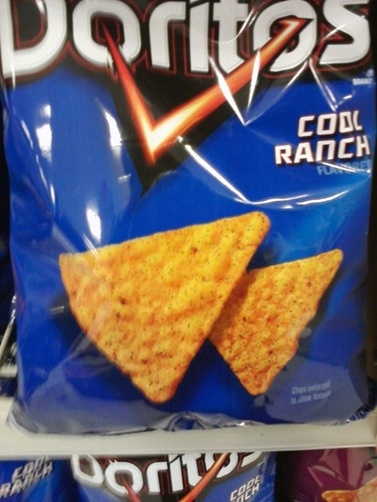
Popcorn, potato chips, corn chips, onion rings, pretzels, processed and prepackaged cookies, candy, soda; even some cereals are examples of junk food.
_
Figure below shows New York City vendor selling Indian crepes; example of street food from a cart.

Examples of street food by country, region, and ethnicity includes the homegrown Philly Cheesesteak – City of Philadelphia, Pennsylvania, U.S.; Currywurst (sausage in spicy chili or tomato sauce on white or whole grain roll with chips) –Germany; Samosa (baked or fried savory pastry filled with spices, vegetables and/or ground meat) –India; Sfenji (deep-fried, spongy, sticky dough pastry) –Morocco; Walkie-talkie (seasoned, boiled, stewed, or grilled feet and heads of chickens) –South Africa, especially Soweto; Yaki-Imo (sweet potatoes roasted over an open fire) –Japan.
_
Advantages and Disadvantages of Consuming Fast Foods, Junk Foods, and Street Foods:
Advantages of eating fast foods include the obvious savings of time and money. You may be too busy to cook, don’t know how to cook, or simply dislike the process. You may be of low economic status or have too many mouths to feed, so fast foods prove ideal. The disadvantages are that the unhealthy ingredients can lead to a host of health issues for both you and your family, which could cost you more in the future. Documentation from research abound showing that excessive consumption of fast foods is the cause of high blood pressure, cardiovascular diseases, diabetes, and obesity.
The advantages of consuming junk food are similar to those of fast foods. It is also easier to eat just about anywhere, including on-the-go. Disadvantages too are similar, but there are additional additives, including artificial coloring, high fructose corn syrup, sugar substitutes, all of which may be carcinogenic.
Street foods are also convenient, easily accessible, cheap depending on what you purchase. Some of them are made with fresh vegetables, fruits, and grains with cooking techniques such as boiling and grilling. They can provide you with essential vitamins, minerals, protein, and other nutrients. Besides the disadvantages already mentioned, another concern with street food has to do with preparation, especially in foreign countries that may not have strict laws. If not washed properly, left unrefrigerated, prepared or cooked in/ with unclean equipment or water, is under-cooked, or the vendor is not keen on personal hygiene, consumption of street foods can lead to botulism, Salmonella and the E. coli bacteria as well as other diseases.
______
______
Fast food versus junk food:
Characteristics of fast food:
- Speed of Service: Fast food establishments pride themselves on delivering food quickly, often within minutes of placing an order.
- Standardized Menu: Many fast food chains offer a limited menu that includes signature items that remain consistent across locations.
- Additionally, fast food is typically designed for takeout, making it a convenient option for people on the go. The preparation methods often involve frying, grilling, or baking, and serve large portions to appeal to a wide customer base.
Characteristics of Junk Food:
- High Caloric Density: Junk food is calorie-rich but lacks essential nutrients, making it easy to overconsume.
- Artificial Ingredients: Many junk foods contain artificial additives, preservatives, and flavorings.
- The appeal of junk food lies in its taste and convenience, but the health implications can be significant when consumed regularly.
_
The difference between junk food and fast food:
While fast food and junk food are often used interchangeably, they are not the same. Fast food refers to food that is prepared and served quickly, while junk food is characterized by being high in calories, fat, sugar, and salt, with minimal nutritional value. Essentially, all junk food can be considered fast food, but not all fast food is junk food.
Junk food and fast food are two different categories of food that are often confused with one another. While both can be unhealthy and should be consumed in moderation, there are some key differences between them:
-1. Definition: Junk food refers to food that is high in calories, sugar, salt, and fat but low in nutritional value. Fast food, on the other hand, is food that is prepared and served quickly, typically in a restaurant or through a drive-thru.
-2. Preparation: Junk food is often pre-packaged and processed, with little to no preparation required. Fast food can also be pre-packaged and processed, but it can also be freshly prepared to order.
-3. Examples: Examples of junk food include candy, chips, cookies, and sugary drinks. Examples of fast food include burgers, fries, pizza, and fried chicken.
-4. Nutritional Value: Junk food is typically high in calories, sugar, salt, and fat but low in nutrients such as vitamins, minerals, and fiber. Fast food can also be high in calories, sugar, salt, and fat, but some options may have more nutritional value, such as salads or grilled chicken sandwiches.
-5. Health Effects: Both junk food and fast food can have negative health effects when consumed in excess, such as weight gain, high blood pressure, and increased risk of heart disease and diabetes.
In a nutshell, fast food is about speed and convenience, while junk food is about the nutritional profile of the food. Some fast food options can be healthy choices, while junk food is generally considered unhealthy due to its lack of nutritional value.
_
Junk food versus Fast food – key differences are depicted in table below:
|
Aspect |
Junk Food |
Fast Food |
|
Preparation Method |
Highly processed, prepackaged |
Quickly cooked using grilling or frying |
|
Nutritional Content |
High in unhealthy fats, sugars, additives |
High in calories, unhealthy fats, sodium |
|
Common Examples |
Candy bars, chips, sugary snacks |
Burgers, fries, pizza, fried chicken |
|
Nutrient Density |
Low in essential nutrients |
May lack essential nutrients depending on choice |
|
Health Impact |
Contributes to weight gain, chronic illnesses |
Linked to obesity, heart disease, diabetes |
|
Convenience |
Readily available, minimal prep |
Quick service, on-the-go options |
|
Addiction Potential |
High due to sugar, salt, additives |
Can trigger cravings due to high sugar content |
|
Cooking Time |
Minimal |
Quick cooking methods like frying |
|
Focus on Ingredients |
Emphasis on taste and shelf life |
Focus on speed and convenience |
|
Long-Term Health |
Linked to long-term health risks |
Can lead to health issues if consumed often |
|
Moderation Importance |
Should be consumed in moderation |
Wise choices can mitigate negative effects |
_
Frequently Asked Questions:
Is junk food and fast food the same?
No, they are not! Junk foods are generally high in sugar and fat and low in nutritional values, while fast foods refer to quick, ready-to-eat meals. Yes, many fast foods are junk food as well. Both have several similarities, for example both are high in calories, fat, sugar & salt. Similarly, both can cause several health issues like obesity, heart disease, and diabetes. And last but not least, people consume them as a snack or treat and often associate it with affordability and convenience.
Which is better, fast food or junk food?
Fast food can be healthier if fresh ingredients, vegetables and fruits are used, whereas junk food is typically unhealthy.
Which fast food is not junk food?
Grilled chicken sandwiches, salads, or wraps with fresh vegetables instead of fried or breaded items are healthy fast food.
_______
_______
Section-5
Introduction to junk food:
Food is generally any substance that is meant to provide nutritional support and help one survive. It boosts one’s immune system, strengthen the bones, help different functions of the body, including the digestive system, keep all organs functioning, lower the risk of diseases, support muscles and promote overall growth. Every human being has different food habits and food preferences. Based on the preferences, they can be categorised mainly into vegetarian and non-vegetarian consumers. A vegetarian diet usually consists of grams, pulses, vegetables, fruits, healthy fat and protein-rich food like legumes, nuts, seeds, etc. On the contrary, a non-vegetarian diet includes all kinds of dairy products, meat, fish, seafood, poultry and eggs. Both vegetarian and non-vegetarian foods provide the necessary nutrients that the human body needs to convert into energy to perform the various functions of the body.
_
Have you ever wondered why some of the food items we have are called ‘junk food’?
Food like cakes, biscuits, processed meat, packaged foods, snacks, sweets, chocolates, carbonated and alcoholic drinks come under the category of junk food as they fail to serve the purpose of having food for nutrition. Junk food includes all food that is high in calories, fat or sugar with very less proteins, minerals or vitamins that are required for the human body. There are many reasons why all these junk foods seem to be tastier than normal nutritious foods. Human beings tend to have a strong liking for salt, sugar and fat, and this is what is excessively used in junk foods.
_
Junk food is an informal term applied to some foods which are perceived to have little or no nutritional value, but which also have ingredients considered unhealthy when eaten regularly, or to those considered unhealthy to consume at all. The term “Junk food” was coined as a slang in the public interest in 1972 by Michael Jacobson, Director of the Center for Science, Washington D.C. Factors contributing to labeling as junk food are high levels of refined sugar, white flour, trans fat and saturated fat, salt, and additives such as preservatives and coloring agents. Others include lack of proteins, vitamins, fiber and other nutrients for a healthy diet. High income, rapid urbanization, free home deliveries, mouthwatering advertisements and international cuisines have contributed to a rising trend in increased junk food intake. Calculation of monetary cost gets more priorities than the actual hidden health costs, as usual. Healthier foods cost nearly twice as much as unhealthier foods per serving on an average among high income countries. The added fat, sugar, and salt create a taste that makes people crave these foods, a sensation that many describe as an addiction. Increase in the junk food consumption is a global phenomenon having a prevalence of around 70%.
_
“Junk food” is a term used to describe food that is high in calories from macronutrients such as sugar and fat, and often also high in sodium, making it hyperpalatable, and low in dietary fiber, protein, or micronutrients such as vitamins and minerals. It is also known as “high in fat, salt and sugar food” (HFSS food). The term junk food is a pejorative dating back to the 1950s. The term “junk” implies that these foods are essentially worthless in terms of nutrition. They provide empty calories – calories without any real nutritional benefit. Precise definitions vary by purpose and over time. Some high-protein foods, like meat prepared with saturated fat, may be considered junk food. Fast food and fast-food restaurants are often equated with junk food, although fast foods cannot be categorically described as junk food. Candy, soft drinks, and highly processed foods such as certain breakfast cereals, are generally included in the junk food category; much of it is ultra-processed food. Concerns about the negative health effects resulting from a junk food-heavy diet, especially obesity, have resulted in public health awareness campaigns, and restrictions on advertising and sale in several countries. Current studies indicate that a diet high in junk food can increase the risk of depression, digestive issues, heart disease and stroke, type 2 diabetes, cancer, and early death. The term ‘junk food’ is inherently colloquial. The metaphor ‘junk’ traditionally only refers to the problematic health implications of these foods. However, the production and consumption of junk food also has significant environmental impacts.
_
International Junk Food Day, celebrated annually on July 21, is a great opportunity to talk about the temptation of chips, hamburgers, borscht or ice cream, but also about the health dangers that lie behind them, and how they can be incorporated into a balanced diet without guilt and without harming your health. International Junk Food Day is a disturbing reminder of the habits we don’t always choose. They are salty, sweet, crunchy, soft, comforting: Hamburgers, pizzas, fried schnitzels, French fries, borax, ice cream, snacks, so-called junk food. At first glance, it is a delicious treat that comes at just the right time. But behind the addictive taste lies a much more complex reality – one that begins in the laboratory. Junk food doesn’t just taste good; it’s engineered to be that way. The precise combination of salt, sugar, and fat—what food scientists call the “Bliss Point”—is designed to make our brains crave more. Unlike natural food, this is a formula that lights up the pleasure centers in the brain almost like a drug. The texture also plays a role: soft, chewy, and doesn’t require chewing, so you can eat it quickly without noticing. And that’s exactly the point. Consuming fast food is often accompanied by eating very quickly, lasting only 7 to 10 minutes, long before the brain has time to realize that the body is full. It is only after about 20 minutes that the feeling of satiety arrives, and therefore we eat larger amounts than the body really needs. The result? Excess calories, obesity, and nutritional deficiencies. What is known in medical jargon as “hidden hunger,” the body receives a lot of calories, but not what it really needs.
_
Main ingredients commonly found in junk food:
Junk food typically contains high levels of sugar, salt, and unhealthy fats. Common ingredients include refined grains, artificial flavors, colors, and preservatives. These ingredients are specifically chosen for their ability to enhance taste and prolong shelf life, making junk food more appealing to consumers. Additionally, many junk food items have added sugars, such as high-fructose corn syrup, which contribute to their sweet taste. Moreover, junk food often includes emulsifiers and stabilizers that help maintain texture and consistency. This is important for products like chips, candies, and processed snacks. Understanding these ingredients can help consumers make more informed choices, as many of them can lead to negative health effects when consumed excessively.
One problem with junk foods is that they’re low in satiation value — that is, people don’t tend to feel as full when they eat them — which can lead to overeating. Another problem is that junk food tends to replace other, more nutritious foods. When people drink lots of soda, for example, they are usually not getting plenty of low-fat dairy or other healthful beverages like green tea or orange juice. When they’re snacking on chips and cookies, they’re usually not loading up on fruits and vegetables. Most “junk food” falls into the categories of either “snack food” or “fast food.” And then there are things like breakfast cereals. They seem innocent enough, but some of them could definitely be considered “junk food,” as they mostly contain sugar or high-fructose corn syrup and white flour or milled corn.
Can junk food be part of a balanced diet?
Junk food can potentially fit into a balanced diet if consumed in moderation. The key is to limit the intake of these foods while ensuring that the majority of your meals are nutritious and rich in whole foods such as fruits, vegetables, whole grains, lean proteins, and healthy fats. By practicing portion control and being mindful of frequency, it is possible to enjoy your favorite snacks without compromising your overall health. Incorporating occasional treats can also help satisfy cravings, making it easier to adhere to healthier eating habits long-term. It’s important to remember that a balanced approach to diet is sustainable, and completely eliminating junk food might lead to feelings of deprivation. Finding a healthy balance allows for enjoyment without the adverse effects on physical or mental health.
_
Junk food refers to items that are high in calories but low in nutritional value. These foods typically have:
- High levels of carbohydrates, sugar, salt, and saturated fat
- Undergone heavy processing, stripping away vital nutrients
- Little to no fiber and water content
Examples include sugary drinks, chips, candies, and most fast food items. While they might satisfy your immediate cravings, they often leave you feeling hungry again soon after.
The processing of junk food often strips away its essential nutrients. For example:
-1. Refining grains eliminates most of the fiber, vitamins, and minerals by removing the bran and germ.
-2. High-temperature frying creates harmful compounds like acrylamide and destroys heat-sensitive vitamins.
-3. While extending shelf life, adding preservatives can reduce the food’s nutritional value over time.
_
Etymology:
The term junk food dates back at least to the early 1950s, although its coinage has been credited to Michael F. Jacobson of the Center for Science in the Public Interest, in 1972. In 1952, the phrase appeared in a headline in the Lima, Ohio, News, “‘Junk Foods’ Cause Serious Malnutrition”, over a reprint of a 1948 article from the Ogden, Utah, Standard-Examiner, originally titled, “Dr. Brady’s Health Column: More Junk Than Food”. In the article, Dr. Brady writes, “What Mrs. H calls ‘junk’ I call cheat food. That is anything made principally of white flour and or refined white sugar or syrup. For example, white bread, crackers, cake, candy, ice cream soda, chocolate malted, sundaes, sweetened carbonated beverages.” The term cheat food can be traced back in newspaper mentions to at least 1916.
______
______
Definitions of junk food:
In Andrew F. Smith’s Encyclopaedia of Junk Food and Fast Food, junk food is defined as “those commercial products, including candy, bakery goods, ice cream, salty snacks and soft drinks, which have little or no nutritional value but do have plenty of calories, salt, and fats. While not all fast foods are junk foods, many of them are. Fast foods are ready-to-eat foods served promptly after ordering. Some fast foods are high in calories and low in nutritional value, while other fast foods, such as salads, may be low in calories and high in nutritional value. Junk food provides empty calories, supplying little or none of the protein, vitamins, or minerals required for a nutritious diet. Some foods, such as hamburgers, and tacos, can be considered either healthy or junk food, depending on their ingredients and preparation methods. The more highly processed items usually fall under the junk food category, including breakfast cereals that are mostly sugar or high fructose corn syrup and white flour or milled corn.
_
HFSS Nutrient Profiling in UK:
Junk food can be defined through nutrient profiling. The United Kingdom’s Advertising Standards Authority, the self-regulatory agency for the UK ad industry, takes this approach. Points are allocated on the basis of 100g of a food or drink, irrespective of the serving size, and if a product needs to be reconstituted before it is eaten, the score should be calculated on the reconstituted product (as per manufacturer’s instructions).
Points are awarded for ‘A’ nutrients (energy, saturated fat, total sugar and sodium) and for ‘C’ nutrients (fruit, vegetables and nut content, fibre and protein). The score for ‘C’ nutrients is then subtracted from the score for ‘A’ nutrients to give the final nutrient profile score.
Foods scoring 4 or more points and drinks scoring 1 or more points are classified as HFSS (high in fat, salt and sugar; a term synonymous with junk food). Defining junk food as highly processed or ultra-processed food mainly considers the level of processing rather than nutrient profiles. However, some of processed food may be healthy as per nutrient profile.
_
Junk food as Discretionary food:
Discretionary foods are described in the Australian Dietary Guidelines (ADGs) as: “foods and drinks not necessary to provide the nutrients the body needs, but that may add variety. Many of these are high in saturated fats, sugars, salt and/or alcohol… They can be included sometimes in small amounts by those who are physically active, but are not a necessary part of the diet” (NHMRC, 2013, p.144). Food types that fall into this category include cakes and biscuits; confectionary and chocolate; pastries and pies; ice confections, butter, cream, and spreads which contain predominantly saturated fats; processed meats and fattier/salty sausages; potato chips, crisps and other fatty or salty snack foods; sugar-sweetened soft drinks and cordials, sports and energy drinks and alcoholic drinks (ABS, 2014b, NHMRC, 2013). By contrast, non-discretionary (or core) foods are those recognised as belonging to the core food groups: fruit, vegetables, cereals, legumes, nuts and seeds, dairy and fresh meat.
The medical and public health literature has shown that higher consumption of discretionary foods is conclusively linked to higher incidences of overweight/obesity and non-communicable diseases (NCDs) (Cohen et al., 2010, Friel et al., 2014, Johnson et al., 2011, Monteiro et al., 2011, Moodie et al., 2013). Indeed, the negative impact of meat consumption on human health is more strongly correlated with the discretionary consumption of processed meat than with unprocessed meat (Micha et al., 2012).
_
Junk food as Convenience food:
Convenience food (also called tertiary processed food) is food that is commercially prepared (often through processing) for ease of consumption, and is usually ready to eat without further preparation. It may also be easily portable, have a long shelf life, or offer a combination of such convenient traits. Convenience foods include ready-to-eat dry products, frozen food such as TV dinners, shelf-stable food, prepared mixes such as cake mix, and snack food. Food scientists now consider most of these products to be ultra-processed foods and link them to poor health outcomes. At its core, convenience food refers to pre-packaged or pre-prepared meals tailored for swift and effortless consumption. These are the go-to options when time is scarce, and the kitchen feels like a distant land. Many Americans lead busy lives and don’t have a lot of time to prepare food for their families. Faced with greater time constraints from work, childcare, and commuting, they often turn to convenience foods. Financial resources also play an important role in convenience food choices. Convenience foods from fast-food or full-service restaurants tend to be more expensive than those bought from grocery stores. Not surprisingly, as household incomes rise, households shift from ready-to-eat food from grocery stores to fast-food and full-service restaurant meals. On the other hand, the Supplemental Nutrition Assistance Program (SNAP) provides program participants with funds to purchase food from grocery stores, and as a result, SNAP participants tend to buy more food from grocery stores and less from restaurants than non-participants who are eligible for SNAP.
_
The National Institutes of Health says that junk food is a cheap, quick, and easy alternative to home-cooked meals. They often have a lot of sugar, salt, saturated fat, and calories. Junk food is food that is calorie-dense and nutrient poor. In Panic Nation: Unpicking the Myths We’re Told About Food and Health, the junk food label is described as nutritionally meaningless: food is food, and if there is zero nutritional value, then it is not a food. Co-editor Vincent Marks explains, “To label a food as ‘junk’ is just another way of saying, ‘I disapprove of it.’ There are bad diets – that is, bad mixtures and quantities of food – but there are no ‘bad foods’ except those that have become bad through contamination or deterioration.”
_
Junk food is “a colloquial term for palatable but unwholesome food that is high in fat, salt, or sugar but deficient in protein, fiber, and vitamins” (Stedman, 2012). This definition emphasises that these food products are highly unhealthy but attract consumers because of their ‘hyper-palatable’ nature. Segen (2012) elaborates on this definition by offering specific examples: “junk foods are often highly salted—e.g., potato chips/crisps, pretzels—high in refined carbohydrates (empty calories)—e.g., candy, soft drinks—and high in saturated fats—e.g., cake, chocolates”. This demonstrates that junk foods are a heterogeneous group of food products and beverages characterised by a high degree of processing, palatability, ease and convenience of access, and the potentially adverse consequences to health associated with their frequent consumption (Monteiro et al., 2013, Bell et al., 2005).
_
In the academic literature, there is no consistent definition for junk foods, and most studies assume that only products within categories such as salty snacks, desserts, and sweets are considered junk foods. Consequently, products containing excessive amounts of saturated fat, energy, added sugar, or salt but that are not in these junk food categories (e.g., sandwiches with less healthy ingredients, juice drinks, and bakery products) have been excluded from such a definition. In recognizing these gaps, studies have started using alternative methods such as degree of food processing to define unhealthy foods and operationalize these definitions in available data. In 2016, Chile implemented the Chilean law of food labeling and advertising, including the most comprehensive set of obesity-preventive regulations in the world. The law applies marketing and sales restrictions to foods and beverages with high levels of energy density and added saturated fats, sodium, and sugar ingredients. Thresholds to be considered high in these nutrients and food components have become more restrictive according to 3 phases of implementation of the law. Since Chile’s groundbreaking regulations, similar approaches have been adopted in Israel, Peru, Mexico, and Brazil.
_
Alternative overlapping definitions for junk food products:
|
Term group |
Definition and usage |
Examples of food products |
|
Nutrition-related terms such as: ‘non-core’ or ‘discretionary’, or ‘energy-dense, nutrient poor’ (EDNP) |
Foods or beverages that do not belong to the core food groups and should only be consumed sometimes or in small amounts (Bell et al., 2005); these foods are also referred to as ‘other foods’ or ‘extras’, and are eaten for pleasure rather than health
|
Cakes and biscuits; confectionary and chocolate; pastries and pies; ice confections, butter, cream, and spreads high in saturated fats; processed meats and fattier/salty sausages; potato chips, crisps and other fatty or salty snack foods; sugar-sweetened soft drinks and cordials, sports and energy drinks and alcoholic drinks (Friel et al., 2014) |
|
Terms relating to the degree of processing: ‘Processed’ and ‘ultra-processed’ |
Processed foods are derived from unprocessed or minimally processed foods and industrially produced ready-to-eat or ready-to-heat food products resulting from the processing of several food substances; ultra-processed foods are a subgroup of processed foods that are ready-to-consume, mostly made from industrial ingredients and additives (Monteiro et al., 2013)
|
Burgers, frozen pasta, pizza and pasta dishes, nuggets and sticks, crisps, biscuits, confectionery, cereal bars, carbonated and other sugared drinks, and various snack products (Monteiro et al., 2013); these terms are often used interchangeably with ‘junk food’ |
|
Terms relating to convenience aspect: ‘Convenience’ or ‘ready-to-eat’ |
Food products that can save time and effort in preparation, consumption, or cleanup (Brunner et al., 2010) |
Packaged chips, canned vegetables, bread, commercialized fruit juices. salt, sugar, flour. Frozen meals/pre-packaged foods; not all products in this category are junk foods
|
Most ultraprocessed foods and many fast foods are junk foods.
______
______
Ultraprocessed food as junk food:
Today, ultra-processed foods dominate our diets. Known as HFSS (high in fat, salt and sugar) foods—or simply junk food—they are factory-made, energy-dense and packed with additives like preservatives, sweeteners and emulsifiers—ingredients you don’t typically find in home kitchens. They commonly masquerade as chocolates, sugary treats, salty snacks, beverages, ready-to-cook and ready-to-eat meals, instant noodles and ice cream. Once occasional treats, their easy reach—on kitchen shelves or through delivery apps—have turned them into a daily habit, and a dangerously addictive one.
Ultra-processed foods already make up more than half of the total dietary energy consumed in high-income countries such as the USA, Canada and the UK and between one-fifth and one-third of total dietary energy in middle-income countries such as Brazil Mexico and Chile. The average growth in sales of these products amounts to about 1% per year in high-income countries and up to 10% per year in middle-income countries.
Population-based studies conducted in several countries, most of them using national dietary intake surveys, have shown that ultra-processed foods are typically high-energy-dense products, high in sugar, unhealthy fats and salt, and low in dietary fibre, protein, vitamins and minerals. Experimental studies indicate that ultra-processed foods induce high glycaemic responses and have low satiety potential, and create a gut environment that selects microbes that promote diverse forms of inflammatory disease. Cross-sectional and longitudinal studies have shown that increases in the dietary share of ultra-processed foods result in deterioration of the nutritional quality of the overall diet and increased obesity, hypertension, coronary and cerebrovascular diseases, dyslipidaemia, metabolic syndrome, gastrointestinal disorders, and total and breast cancer. Avoidance of ultra-processed foods is the ‘golden rule’ of national dietary guidelines issued recently in Latin American countries.
_
While more than 20,000 studies have examined ultra-processed foods, the vast majority have been observational. These studies report an association — but no causation — between eating ultra-processed foods and obesity, cardiovascular disease, some cancers, depression and gastrointestinal disorders, said Angela Zivkovic, an associate professor in the UC Davis Department of Nutrition. “We have no way of telling whether the disease outcome is due to the intake of that food or whether it is a reflection of an overall diet and lifestyle,” Zivkovic said. For example, people who eat more ultra-processed foods may also drink more sugar-sweetened beverages, be less active, or eat fewer fruits and vegetables. Zivkovic said the handful of studies that have evaluated the direct effects of ultra-processed foods have shown they lead to higher consumption of calories and weight gain. Even when diets were matched for carbohydrates, protein, fat and fiber, participants consuming more ultra-processed foods consistently ate more calories and gained more weight. These findings suggest that something about ultra-processed food encourages overeating and may contribute to weight gain. She added that ultra-processed food is not just dense in calories but also poor in nutrients. “When you eat these foods, you have consumed calories but not any of the rest of what you need to be getting out of your food to sustain all of the various processes that the body needs to perform,” Zivkovic said. Zivkovic said this calorie-dense, nutrient-poor combination could increase the risk of a variety of diseases, but it’s also possible that certain ingredients in ultra-processed foods — synthetic colors, flavors, stabilizers, preservatives — could also play a role. If a consumer were to eat just one snack-sized bag of chips a month, there might be very few, if any, health implications, according to Zivkovic. But she said eating a one-pound bag of chips twice a day, every day, could expose consumers to a potentially serious dose of chemicals that could affect their health.
_
Are all processed foods considered junk food?
Not all processed foods fall under the category of junk food. Processed foods can range from minimally processed items, such as frozen vegetables or canned beans, to heavily processed foods loaded with sugars and preservatives. The difference lies in the nutritional value and the types of ingredients used in the product. For instance, whole foods can be processed to make them more convenient or preserve their freshness without adding harmful elements.
It’s essential to read labels and understand the ingredients list to discern whether a processed food is healthy or unhealthy. Fans of processed foods might choose items like whole grain pasta or yogurt that contain wholesome ingredients, in contrast to snacks loaded with added sugars and unhealthy fats. Therefore, while processing can affect food quality, it does not automatically equate to junk food status.
______
______
Common Types of Junk Food:
Junk food can be divided into several categories, each containing its unique varieties. Let’s take a closer look at these categories and what they typically include.
-1. Fast Food
Fast food is perhaps the most infamous category of junk food. These ready-to-eat meals are designed for convenience and speed. Common items include:
Burgers: Often made from processed meats and served with sugary sauces.
Fries: Fried in unhealthy oils, usually coated in salt.
Fried Chicken: Cooked in trans fats and breaded with refined flour.
Pizzas: Loaded with cheese and processed meats, providing high levels of calories and fat.
Fast food is often criticized for its role in the obesity epidemic and associated health issues.
-2. Snack Foods
Snack foods can be found in every household and often occupy a prominent space in our diets. They typically include:
Chips and Crackers: These snacks are usually high in salt and unhealthy fats. Popular varieties include potato chips, corn chips, and cheese-flavored crackers.
Candy and Sweets: Candy bars, gummies, chocolates, and pastries are loaded with sugar. Sugar can spike insulin levels and lead to cravings for more sugary foods.
Processed Pastries: Items like donuts, muffins, and sweet rolls fall under this category, usually packed with refined sugars and unhealthy fats.
-3. Sugary Beverages
Drinks such as sodas, energy drinks, and sweetened teas contribute greatly to caloric intake without providing any essential nutrients.
Soft drinks: These carbonated beverages are notorious for having high sugar content, leading to an artificial spike in energy followed by a crash. Soft drinks are known as soda in some parts of world. Soda, or soft drink, is a broad term for a sweetened, carbonated beverage. Cola is a subcategory of soda, characterized by its flavor, which is often based on vanilla, cinnamon, citrus oils, and other flavorings.
Energy Drinks: Loaded with sugar and caffeine, these drinks may offer a temporary energy boost but can lead to serious health implications over time.
The primary contributor to obesity is sugary beverages:
|
Drink Type |
Calories per 350 ml |
Sugar (grams) |
|
Soft Drink |
150 |
39 |
|
Sweetened Tea |
120 |
32 |
|
Sports Drinks |
100 |
27 |
These drinks, while appearing refreshing, contribute to excess calorie intake without providing any satiety.
Tea and coffee themselves are not junk foods, but they can be associated with junk food consumption and have negative health effects if consumed excessively or with unhealthy additions like sugar.
Plain milk is not junk food. Drinking milk hasn’t been linked to weight gain or obesity, and it may help curb appetite.
-4. Frozen and Packaged Foods
Convenience often comes at the cost of nutrition when opting for frozen or pre-packaged meals. These can include:
Frozen Dinners: Many frozen meals are designed for quick preparation and are often high in sodium and preservatives.
Microwave Snacks: Items like instant noodles and pre-packaged burritos often provide minimal nutrition while packing in calories.
_____
Is cane sugar in Coca-Cola better than corn syrup?
No.
The term “sugars” refers to mono- and di-saccharides in terms of chemical categorization. Glucose, fructose, and galactose are the three main monosaccharides – hexoses (six-carbon sugars) that makeup naturally occurring di-, oligo-, and polysaccharides, while “Sugar” is referred to as sucrose also known as table sugar, which is made up from fructose and glucose units. Natural sugar is naturally occurring in food. Think of the sugar that’s in fruit or dairy or carbohydrates. Refined sugar may be from a natural source, but it has been processed so only sugar remains, like granulated sugar from sugar cane, or corn syrup from corn. Refined sugar is a processed product containing 99% sucrose. Both cane sugar and sugar form corn syrup are refined sugar.
Both high-fructose corn syrup and cane sugar are about 50% fructose, 50% glucose, and have identical metabolic effects. That is, both can equally raise the risk for obesity, diabetes, and high triglycerides and blood pressure. Both provide the same number of calories, but the body processes them differently.
Whether from cane sugar or corn syrup, it’s the fructose that appears to cause the most harm. The sugar is almost entirely processed by the liver, which converts excess fructose into triglycerides, a type of fat linked to heart disease. And unlike glucose, fructose doesn’t prompt the body to produce insulin. Insulin triggers a hormone that helps a person feel full. Over time, too much fructose can lead to insulin resistance and increase the risk for Type 2 diabetes. Corn syrup does have slightly more fructose than table sugar, at a ratio of 55% fructose to 45% glucose. A 5% difference might mean people are getting less fructose from cane sugar but table sugar is not a health food. Added sugar in whatever form should be limited.
Sugary sodas have long been associated with obesity in children. A 2023 international study found that adolescents who drank one or more soft drinks a day had a higher prevalence of being overweight or obese, compared to young people who didn’t drink soda daily.
There are 240 calories in a 20-ounce original Coke, with 65 grams of added sugars. The current dietary guidelines recommend that teens and children limit added sugars to less than 50 grams a day.
No matter the choice of sweetener, sodas generally fall into the category of ultraprocessed food because of their added sugars, artificial colors and flavorings.
_
Is natural sweetener different?
While all fruit contains some level of sugar, and some vegetables do, as well, that kind of natural sweetener isn’t on the same level as added sugars in soft drink. An apple, for example, does contain sugar, but it’s also rich in vitamins, minerals, phytochemicals — and especially fiber. When you eat the apple, your stomach has to process it. The sugar isn’t released into the body quickly, so you feel more full. When we drink soft drink, we’re not getting that fiber, so the sugar is absorbed directly into our bloodstream.
_
Is pizza junk food?
Pizza can be considered junk food depending on its preparation and toppings. While some pizzas, particularly those home made with fresh ingredients and balanced toppings, can be part of a healthy diet, many commercially available pizzas are high in calories, unhealthy fats, and sodium, thus falling under the category of junk food. Regular consumption of high-calorie, high-fat, and high-sodium foods like pizza can increase the risk of developing chronic diseases such as heart disease, type 2 diabetes, and certain types of cancer.
_
Is Maggi a junk food?
Yes, Maggi, like most instant noodles, is generally considered junk food. While it’s a convenient and tasty snack, it’s low in nutritional value and high in sodium and processed ingredients. Regular consumption can contribute to health issues like digestive discomfort and an increased risk of lifestyle diseases.
_
Are eggs junk food?
Eggs are not junk food, as they are a nutritious source of protein and vitamins. However, eggs can become part of an unhealthy diet if they are prepared with excessive fat, salt, and calories, such as in fried eggs with bacon, or in egg salads loaded with mayonnaise.
Eating eggs can lower bad cholesterol, contrary to old belief, finds new study 2025:
For decades, eggs were vilified as a major dietary source of cholesterol, with health guidelines warning against their regular consumption. But a new study has flipped that assumption on its head. Researchers from the University of South Australia have found that eating up to two eggs a day, as part of a diet low in saturated fat, can actually reduce levels of LDL (low-density lipoprotein), the so-called “bad” cholesterol. The findings challenge long-standing nutritional advice and emphasise that saturated fat, not dietary cholesterol from eggs, is the main culprit in cholesterol elevation. In other words, eggs may have been wrongly accused, while other high-fat foods deserve more scrutiny for their impact on heart health.
_____
Common junk foods:
Junk foods are typically high in calories, saturated fats, sugars, and sodium, all of which can harm our health. This list below highlights some of the unhealthiest foods commonly consumed, detailing why they are harmful and how they can affect your well-being.
White bread:
Yes, white bread is often considered a “junk food” because it’s a highly processed refined grain with a high glycemic index, meaning it causes rapid spikes in blood sugar and leaves you feeling hungry again quickly. It’s stripped of fiber, vitamins, and minerals during processing, which are essential nutrients found in whole grains that promote fullness and provide long-term energy. While a moderate amount isn’t a big issue for everyone, a diet high in white bread can contribute to weight gain, cravings, and an increased risk of chronic conditions like diabetes and heart disease. Opt for whole grain bread, which contains the entire grain, including the bran and germ, preserving its natural fiber, vitamins, and minerals. This helps you feel fuller for longer and provides more sustained energy.
Sugary Soft Drinks:
Sugary soft drinks are loaded with sugars, making them a major source of empty calories. Regular consumption can lead to weight gain, insulin resistance, and an increased risk of type 2 diabetes. The high sugar content also contributes to tooth decay and cavities. These drinks provide no nutritional value and can lead to poor diet choices as they replace healthier beverage options. The high acidity can erode tooth enamel, and excessive consumption is linked to heart disease due to its impact on blood sugar and cholesterol levels.
Fast Food Burgers:
Fast food burgers are often packed with saturated fats, trans fats, and sodium. Excessive calorie count can contribute to obesity, heart disease, and hypertension. The meat used in these burgers is usually highly processed, stripping away any nutritional value.
The buns are made from refined flours, adding to the unhealthy carbohydrate content. Frequent consumption of fast food burgers can lead to poor dietary habits and an increased risk of metabolic syndrome.
Deep-Fried Foods:
Foods like fried chicken, french fries, and doughnuts are cooked in oils that contain trans fats. Trans fats raise bad cholesterol levels while lowering good cholesterol, increasing the risk of heart disease.
Deep-fried foods are also high in calories, contributing to weight gain. The frying process often involves high temperatures, which can create harmful compounds. Regular consumption can lead to type 2 diabetes and other chronic health conditions.
Packaged Snack Cakes:
Packaged snack cakes are high in sugars, refined flour, and unhealthy fats. They provide little nutritional value and can cause blood sugar spikes, leading to energy slumps and increased hunger.
These snacks are also high in calories, contributing to weight gain and obesity. The artificial ingredients and preservatives used in these cakes can negatively affect health. Regular consumption is linked to an increased risk of metabolic syndrome and other health issues.
Processed Meats:
Hot dogs, sausages, and deli meats are often preserved with nitrates and nitrites, which have been associated with an increased risk of cancer. These meats are also high in sodium and saturated fats, contributing to high blood pressure and heart disease.
The processing methods often involve the addition of unhealthy additives and preservatives. Consuming processed meats regularly can lead to weight gain and an increased risk of chronic diseases. They also lack essential nutrients, making them a poor dietary choice.
Sugary Cereals:
Many breakfast cereals marketed to children are loaded with sugar and refined grains. They provide little nutritional value and can lead to overeating due to their low fiber content. Consuming sugary cereals regularly increases the risk of obesity, type 2 diabetes, and dental problems. These cereals often contain artificial flavors and colors, which can negatively affect health. Choosing whole-grain cereals with less sugar is a healthier option.
Instant Noodles:
Instant noodles are convenient but often contain high levels of sodium and unhealthy fats. They lack essential nutrients and are often made with refined flours, contributing to poor dietary habits.
The presence of artificial additives can negatively impact cardiovascular health. Regular consumption can lead to weight gain, high blood pressure, and other health issues. Opting for homemade noodle dishes with fresh ingredients is a better choice.
Candy Bars:
Candy bars are high in sugars, unhealthy fats, and calories. They offer minimal nutritional value and can cause rapid spikes and drops in blood sugar levels, leading to cravings and overeating.
Over time, this can result in weight gain and an increased risk of chronic diseases. The high sugar content can also contribute to dental problems. Choosing healthier snack options, such as fruits or nuts, can help curb sugar cravings.
Potato Chips:
Potato chips are high in calories, sodium, and unhealthy fats. Their addictive nature can lead to overeating, which contributes to weight gain and increased blood pressure.
Potato chips also lack essential nutrients, making them a poor dietary choice. The high sodium content can lead to fluid retention and other health issues. Opting for baked or air-popped versions with less salt is a healthier alternative.
Ice Cream:
Ice cream is delicious but high in sugars, saturated fats, and calories. Regular consumption can lead to weight gain, insulin resistance, and an increased risk of heart disease. Many commercial ice creams contain artificial additives and preservatives that can negatively affect health. Choosing lower-sugar, dairy-free, or homemade versions can be a healthier option. Moderation is key when enjoying this sweet treat.
Store-Bought Cookies:
Store-bought cookies often contain high levels of sugar, refined flour, and unhealthy fats. They provide little nutritional value and can lead to blood sugar imbalances, weight gain, and an increased risk of metabolic disorders.
These cookies also contain artificial ingredients and preservatives. Baking cookies at home with healthier ingredients can be a better option. Reducing the portion size can also help control calorie intake.
Microwave Popcorn:
Microwave popcorn can be convenient but is often laden with unhealthy fats, artificial flavors, and excessive sodium. Some varieties also contain harmful chemicals in the packaging that can affect health when heated.
Choosing air-popped popcorn with minimal added salt and butter is a healthier option. Reading ingredient labels can help identify better choices. Homemade popcorn is a great alternative to control ingredients and portions.
Energy Drinks:
Energy drinks are marketed as a quick energy boost but are packed with sugars and caffeine. They can lead to jitteriness, anxiety, and sleep disturbances.
Over time, the high sugar content can contribute to weight gain, insulin resistance, and an increased risk of heart disease. The high caffeine levels can also cause dependency and other health issues. Opting for natural energy boosters, such as fruits or nuts, is healthier.
Frozen Pizza:
Frozen pizzas are convenient but typically high in sodium, unhealthy fats, and calories. The use of processed meats and cheeses adds to the unhealthy profile, contributing to cardiovascular issues and weight gain.
Choosing healthier options with whole grain crusts and more vegetables can be beneficial. Making homemade pizza allows better control over ingredients. Moderation is key when consuming this popular food.
Restaurant Pasta:
Many pasta dishes served in restaurants are made with creamy sauces that are high in saturated fats and calories. They often contain large portions, leading to overeating and weight gain.
Refined pasta also contributes to blood sugar spikes and increased hunger. Choosing whole-grain pasta with lighter sauces can be a healthier option. Sharing dishes or opting for smaller portions can also help control calorie intake.
______
Some unhealthy foods disguised as healthy:
Granola
Granola is often packed with honey, syrups, dried fruits, and oils, making it more of a dessert than a health food. A single bowl can contain over 400 calories and loads of sugar. Always check the label or make your own with unsweetened oats, nuts, and seeds.
Multigrain bread
“Multigrain” often misleads shoppers into thinking they’re making a healthy choice. In reality, many multigrain breads are made with refined flour and artificial colouring. Always check if it’s 100% whole wheat or whole grain listed first in the ingredients.
Fruit juice
Even natural fruit juices are packed with sugar and stripped of fibre. One glass may contain the sugar of 3–4 fruits with zero satiety. Unlike whole fruits, juices cause blood sugar spikes. Fresh fruits win every time for digestion, energy, and nutrients.
Energy bars
Energy bars might look fit for a marathon, but many are full of glucose syrup, artificial flavours, and cheap protein fillers. Some have more sugar than a candy bar. Read the label—avoid anything with more than 10g of sugar or unrecognisable ingredients.
Gluten-free packaged foods
Going gluten-free doesn’t automatically mean healthier. Many packaged gluten-free snacks use refined starches like tapioca or white rice flour and compensate with extra sugar and fat. Unless you have celiac disease or gluten sensitivity, you’re often better off with whole wheat.
Diet soda/cola
Diet soda/cola contain artificial sweeteners that may disrupt gut bacteria, increase sugar cravings, and even trigger insulin response. They’re also linked to bloating and metabolic issues. It’s better to hydrate with water, coconut water, or infused drinks.
Veggie chips
Most veggie chips are just potato flour mixed with vegetable powders, then deep-fried and heavily salted. They often have the same (or more) calories and fat as regular chips. Bake real vegetable slices at home for a genuinely healthy snack alternative.
Smoothies
Bottled or café-made smoothies often include syrups, sweetened yogurt, and fruit juices—making them a high-calorie treat. Some pack over 300–400 calories. Make smoothies at home with unsweetened yogurt, whole fruits, and leafy greens to keep it genuinely nutritious.
Always read the labels, watch out for hidden sugars, and don’t assume a food is healthy just because the packaging says so. When in doubt, whole and minimally processed foods are your safest bet.
_____
_____
History of junk foods:
Junk food, synonymous with convenience and indulgence, has become a staple in modern diets worldwide. However, its journey from humble street stalls to the shelves of sprawling supermarkets is a fascinating tale of culinary evolution, technological advancements, and changing consumer habits. One of the first foods to be processed by man was sugar around 600 A.D. Over the centuries the refinement developed more and more into the white sugar we use today. A popular sweetener currently, agave, is also highly processed and contains at least 70 percent fructose.
_
The average ancient Roman ate on the run and didn’t wine and dine in decadence and formality like the elite in Rome, says a British archaeologist. Dr Penelope Allison of the University of Leicester presents her findings in a new book detailing the excavation of an entire neighbourhood block in Pompeii. Pompeii is a city frozen in time after the eruption of volcano Mount Vesuvius in 79 AD. Historians often extend findings from Pompeii to other parts of Italy, particularly Rome, given the city’s proximity to the Roman Empire’s centre. “In many parts of the western world today, a popular belief exists that family members should sit down and dine together and, if they don’t, this may represent a breakdown of the family structure, but that idea did not originate in ancient Rome,” says Allison. Her claims are based both on what she did not find during the excavation, and what she did. Allison noticed an unusual lack of tableware and formal dining or kitchen areas within the Pompeii homes. Instead she found isolated plates here and there, such as in sleeping quarters. “Similar to how children today bring a plate of food to their rooms before watching TV or playing on the computer, my guess is that Roman youths would tote food to certain areas where they possibly engaged in other activities,” she says, adding that kids might also have dined with slaves in nanny or caretaker roles. What she did find in the homes were multiple mini barbecue-type fire boxes, suggesting that “BBQ or fondue-style dining” often took place. Allison’s book is titled The Insula of the Menander at Pompeii Volume III and is published by Oxford University Press.
Professor Stephen Dyson, of the University of Buffalo in the US, is one of the world’s leading authorities on ancient Rome and formerly served as the president of the Archaeological Institute of America. Dyson says the new book “was meticulously researched” and that his own work in Pompeii and Rome supports Allison’s conclusions. “We’ve also found numerous fast food restaurants in Pompeii and other parts of ancient Rome,” he says. Dyson likened these places to a cross between “Burger King and a British pub or a Spanish tapas bar.” Open to the street, each had a large counter with a receptacle in the middle from which food or drink would have been served. “Most Romans lived in apartments or rather confined spaces, and there is not much evidence for stoves and other cooking equipment in them,” he says. Dyson thinks “fast food” restaurants became popular because they were plentiful, the same way many modern city-dwellers often eat out due to the panoply of affordable choices. Additionally, many of Rome’s and Pompeii’s residents, who worked as artisans, shopkeepers, weavers and such, made enough money to support these places. Grabbing food to go, either in a house or on the street, also seems to match the energy and flexibility of the Italian mindset. “Italy’s vibrant street and bar scenes today, along with the often multipurpose design of homes with bedsteads stacked in a corner, or kitchenettes in surprising places, reflect the wonderful, slightly chaotic, aspects of early Roman life,” he says.
_
The concept of quick, convenient food is not new. Street vendors selling ready-to-eat snacks have existed for centuries across various cultures. In ancient Rome, street stalls offered simple fare like bread, olives, and sausages to busy urban dwellers. Similarly, in medieval China, street vendors sold dim sum and noodles to passersby. These early forms of junk food were often nutritious and freshly prepared, catering to the needs of workers and travellers seeking a quick meal.
The Industrial Revolution in the 18th and 19th centuries marked a significant turning point in the evolution of junk food. Technological advancements in food production and preservation enabled the mass production of snacks. The invention of canning, pasteurization, and refrigeration allowed food to be produced in large quantities and stored for longer periods. This era saw the birth of iconic junk foods like potato chips, which were invented by George Crum in 1853, and the mass-produced candy bar, pioneered by companies like Hershey’s in the early 20th century. Andrew F. Smith, a food historian and author of “Fast Food and Junk Food: An Encyclopaedia of What We Love to Eat”, credits the industrialization of flour mills in the 1820s with the launch of the junk food era. Innovations in milling technology and improvements in transportation brought inexpensive white flour to the masses. Even today, cheap white flour is the foundation of low-fiber, high-carbohydrate burger buns, cookies and snack cakes.
_
The 1800s brought refined flour and the invention of canning foods. It was Napoleon who spurred the inception of canning by seeking a better way to feed his troops, but natural enzymes are lost, and refined additives such as salt are added. The process of refining flours came about to make the shelf life longer as well as improving the texture and taste. The taste was incredibly delicious, but the increased price of making refined grains made the white bread products a luxury only the rich could afford. Isn’t it ironic that now it’s just the opposite — refined bread can now be purchased for less than a dollar a loaf, especially in the day-old bakery outlets, and 100 percent whole grain is at the luxury price.
The hydrogenation of oil — the altering of fat molecules — began in the early 1900s, designed to increase the shelf life of packaged products. Even though an oil can be identified as not hydrogenated or trans fat, the instant certain oils have been subjected to a certain high temperature, it becomes a trans fat and causes havoc in the body.
The processing of a food eliminates fiber, alters its natural molecular structure and eradicates nutrients. Just the simple act of peeling fruits and vegetables is a process that alters the nutritional value of these foods. Of course we don’t want to eat banana peels and pineapple rind, but it’s easy and nutritious to eat the skins of yams, potatoes (even mashed), zucchinis, peaches, etc. In fact, there are more nutrients in the rind of a watermelon than in the flesh inside.
_
Here are the stories behind some of the world’s most popular junk food.
Cracker Jack: 1893
It all began in 1893, when two vendors – brothers Frederick and Louis Rueckheim – at the World’s Fair in Chicago made a concoction of popcorn, peanuts, and molasses that was wildly popular. A few years later, in 1896, their sweet invention went on to become sold commercially as Cracker Jack. Twenty years after it was created, Cracker Jack became the best–selling sweet in the world.
Hershey Chocolate Bar: 1900
We could recognize the wrapper the world over. After a couple of years of experimenting in chocolate making, Milton S. Hershey created and introduced what he decided to call a chocolate bar around the 1900s. From that point forward, Hershey Chocolate became the country’s largest chocolate manufacturing company.
Since then, the junk food wheel of creation has continued to spin, churning out everything from chocolate bars and corn chips to today’s creations of cake pops or yogurt-covered pretzels (and no, just because they are covered in yogurt does not mean they are healthy).
_
The post-World War II era brought about significant changes in consumer lifestyles and food consumption patterns. Economic prosperity, suburbanization, and the rise of the automobile culture led to an increased demand for convenience foods. Fast food chains like McDonald’s, founded in 1940, capitalized on this trend, offering quick, affordable meals to busy families. Supermarkets, which began proliferating in the mid-20th century, stocked a growing array of processed and packaged foods, making snacks more accessible than ever.
The latter half of the 20th century saw the emergence of sophisticated marketing techniques that transformed junk food into a cultural phenomenon. Television commercials, catchy jingles, and celebrity endorsements targeted children and adults alike, creating a powerful association between junk food and enjoyment. Brands like Coca-Cola, Pepsi, and Frito-Lay became household names, and their products became ubiquitous in homes and vending machines worldwide. This era also saw the introduction of highly processed snacks with long shelf lives, made possible by advancements in food science and additives.
_
As globalization accelerated in the late 20th and early 21st centuries, Western junk food brands expanded into international markets. Fast food chains opened outlets in major cities around the world, and supermarkets in developing countries began stocking global snack brands. This spread of junk food was accompanied by changes in dietary habits and an increase in lifestyle-related diseases such as obesity and diabetes. However, it also led to the adaptation of junk food to local tastes, resulting in unique regional variations of popular snacks.
In recent years, growing awareness of the health impacts of junk food has spurred a shift towards healthier alternatives. Consumers are increasingly seeking snacks that are organic, non-GMO, and free from artificial additives. The industry has responded with innovations such as baked chips, low-sugar beverages, and plant-based snacks. Additionally, the rise of e-commerce and online delivery services has transformed how people purchase and consume junk food, making it even more convenient.
______
______
Worldwide spread of junk foods:
_
The ultra-processed foods epidemic: how countries differ:
Since the 1990s, sales of ultra-processed foods in most countries have either been increasing (mainly in low and middle income countries) or stayed high. At the same time, data from consumption surveys indicate that the share of ultra-processed foods in diets varies greatly among countries worldwide (figure below).
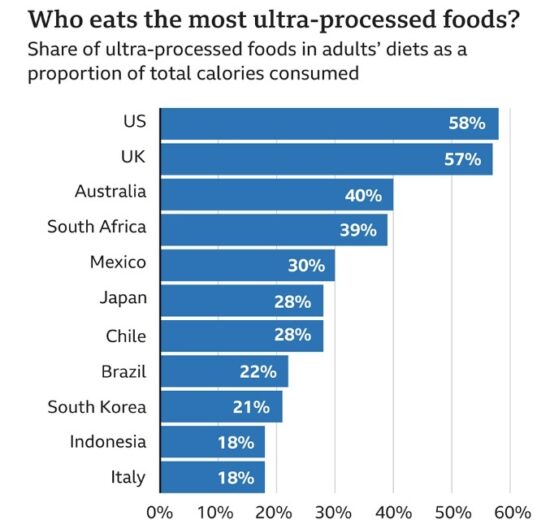
The highest intake is in the United States (58% of daily energy intake) and the lowest in Colombia (16%). Intake also varies within Europe, ranging from 15% of total calories consumed by the adult population in Romania to 57% in the UK. These variations reflect differences in economic, sociocultural, politico-legal, and commercial factors that structure human behaviour throughout food systems and shape the availably, affordability, desirability, and ultimately consumption of ultra-processed foods. Although sales data provide some insights, national surveys of ultra-processed food consumption have not been done in many countries, a key gap for further research.
Across the world, people have been swapping traditional diets for ultra-processed food. While statistics vary, a 2022 study found that in South Korea, Japan, Malaysia, Brazil and Chile, for example, it makes up 20 – 30% of people’s calorie intake. A 2024 study found that in South Africa, the figure is 39%.
According to the 2024 Global Food Policy report by the International Food Policy Research Institute (IFPRI), at least 38 per cent of Indians consumed unhealthy foods while 22 per cent didn’t eat any fruits or vegetables.
_
Trends in junk food consumption are intrinsically linked to profound changes in global diets, characterized by both an increase in total caloric energy (‘expansion’ effect) and a shift in the composition of food consumed (‘substitution effect’); these two effects are illustrated in Figure below.
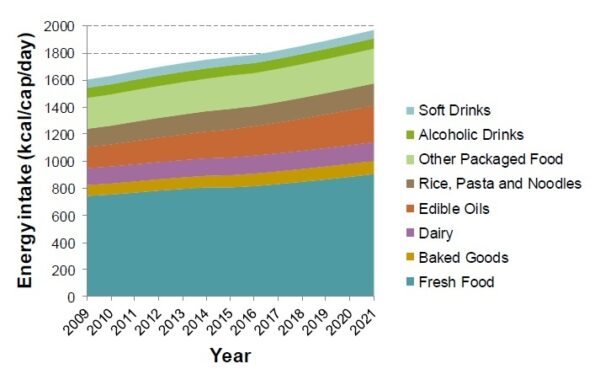
Figure above shows average global caloric intake from processed and fresh foods. The 2009-2016 period is based on actual data while 2017-2021 is based on a Euromonitor trend forecast. Figure above depicts recent and near future trends in average global energy intakes from fresh and processed foods highlighting a concurrent increase in fresh and processed foods, with processed foods already accounting for more than 1000 kcal/cap/day (equivalent to more than 50% of total caloric intake). The energy share from edible oils, mostly comprised of vegetable oils such as soybean and palm oil commonly found in junk foods (Lee et al., 2016), appears to be growing at the highest rate over this period. These globally averaged trends show how calorie intake from different processed foods is increasing steadily alongside fresh foods. However, in reality, increases in unhealthy dietary patterns are outpacing increases in healthy patterns in most world regions (Imamura et al., 2015).
Note:
‘Other Packaged Food’ includes the following: breakfast cereals, confectionery, ice cream and frozen desserts, processed fruit and vegetables, processed meat and seafood, ready meals, sauces, dressings and condiments, soup, spreads, sweet biscuits, snack bars and fruit snacks (source: authors based on data from Euromonitor, 2018).
_
These changes are best described as a ‘nutrition transition’ – a shift in dietary patterns and nutrient intakes as populations move from traditional diets to those associated with more modern and more ‘westernised’ lifestyles (Kearney, 2010). This generally entails a shift away from traditional diets featuring predominantly staple cereals and starchy vegetables, towards those higher in animal products, caloric sweeteners and fat (especially from vegetable oils), with an increased share of highly processed food identified as a central feature of the transition (Tilman and Clark, 2014, Monteiro et al., 2013, Baker and Friel, 2014). A combination of drivers have been linked to these changes, including rising incomes, urbanization, technological and labour market changes – all giving rise to changing tastes and attitudes with respect to food (Kearney, 2010).
_
How have ultra-processed foods affected countries worldwide?
A study by Imperial College London suggests that more than one billion people worldwide – about one in eight – are obese. It says that among children and adolescents, the rate of obesity increased five-fold between 1990 and 2022. It more than doubled for women and nearly tripled for men. And the most recent data from the World Health Organization (WHO), says that worldwide, 16% of adults are obese with the prevalence of obesity having doubled between 1990 and 2022. Previous data, from 2016 stated over 28% of adults in the Americas are now obese, as are 26% in Europe, 19% in the Eastern Mediterranean and 9% in Africa.
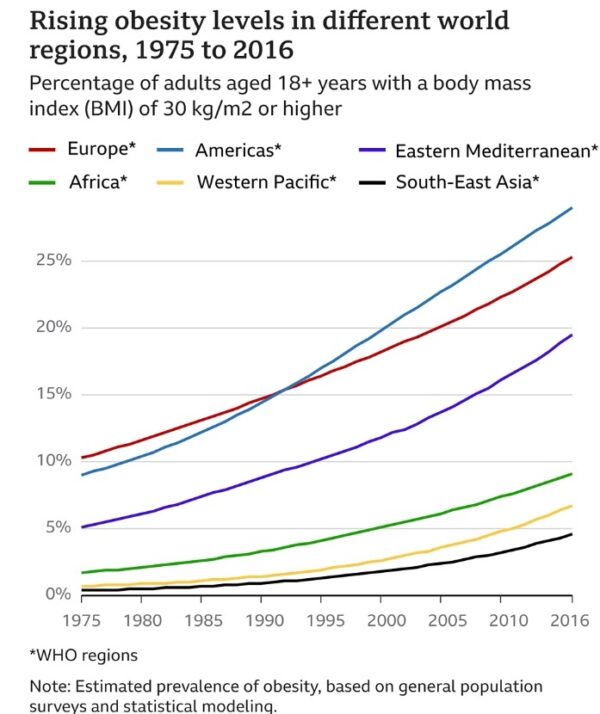
Figure above shows rising obesity level worldwide due to consumption of junk foods. In many countries in the world, ultra-processed food is now more affordable, and more accessible, than the traditional whole foods in the markets.
_____
_____
How junk food spread worldwide:
The strategic spread of Western diets:
Though ultra-processed foods are often associated with western, high-income diets, they increasingly become staples in low- and middle-income regions. These foods—affordable, accessible, and often seen as symbols of modernity—are displacing traditional diets. Between 2011 and 2016, fast food sales grew by 30% globally, compared to a more modest 21% in the United States. Multinational corporations like Nestlé, PepsiCo, and Domino’s Pizza are rapidly expanding into developing nations, seeking new markets as growth in wealthier countries with saturated markets slows down.
These expansion strategies signal a troubling shift: the total sales of ultra-processed foods in emerging economies is projected to match those in wealthier countries already this year. And with this, the consequences for public health and nutrition are already becoming clear. Research increasingly links UPFs, often loaded with sugars, unhealthy fats, and salt while lacking essential nutrients like fibre, protein, and vitamins, to a wide range of health issues. These foods trigger high spikes in blood sugar, offer little in terms of satiety, and contribute to gut imbalances that foster inflammatory diseases.
Why ultra-processed foods are gaining ground:
Several factors explain the rising appetite for UPFs in lower-income regions. Urban migration, increased incomes, and a growing demand for convenience have all played a role. These changes both drive and respond to the growing presence of UPFs. The fast pace of urban life often leaves little time for cooking, and UPFs fit seamlessly into this reality: they’re cheap, require minimal preparation, and are widely available just about anywhere in the world in urban settings. But on top of these cultural shifts, there are a number of ways companies are able to influence these markets more directly through large investments, wide distribution networks and marketing.
In the last decade, food delivers applications like Zomato, Swiggy and now UberEats has carved a niche in the food industry. Though they have benefitted a number of individuals and sectors, they have also increased the junk food consumption. Since these food delivery apps deliver the desired food to the doorstep, a number of people simply order calorie-laden food to their home. The added convenience here has only increased the usage of these apps. People are now ordering outside food more often than ever-increasing their junk food intake.
The nutrition transition and its consequences:
The rise of ultra-processed foods marks what some researchers call a ‘nutrition transition’— a shift away from traditional diets toward those high in calories, sugar, and fat. In many African countries, free trade agreements, such as those that lower tariffs on imported goods, along with aggressive marketing campaigns, have accelerated the influx of these products. While they are often perceived as symbols of a fast-paced, globalised lifestyle, their growing presence threatens to dismantle local food systems that have sustained cultures and economies for generations.
The health impacts are hard to overlook. Around the world, more people are now obese than underweight. Global estimates published in The Lancet have reported that more than a billion people worldwide are considered obese, with 108 million of them children. The prevalence of obesity has doubled in 73 countries since 1980, leading to a rise in chronic conditions such as heart disease, diabetes, and cancer. But the problem isn’t just obesity – many people are simultaneously overweight and undernourished, consuming too many empty calories and not enough essential nutrients.
Beyond health: environmental, economic, and political ramifications:
The expansion of ultra-processed foods is as much an economic story as it is a nutritional one. As global food companies move deeper into developing markets, they are reshaping local agriculture. Farmers are abandoning subsistence crops—traditionally grown for their own families’ food needs, such as rice, maize, or vegetables—in favour of cash commodities like sugar cane, corn, and soybeans, which are sold for profit and used as key ingredients in ultra-processed foods. This shift is not only changing diets but also the economic landscape, pulling in small family-run vendors, and big retailers alike.
In countries like China, South Africa, and Colombia, the rising power of these food companies extends into the political realm. Efforts to reduce the consumption of processed foods, like soda taxes or labelling rules, are often blocked by the influence of these companies.
Moreover, the environmental impact is severe. Ultra-processed foods are tied to industrial agriculture, which relies on monocultures of a few staple crops. This type of farming is heavily reliant on chemical inputs and is a major contributor to carbon emissions. As the demand for UPFs grows, so does the strain on the environment.
______
______
Junk food in America:
Americans get most of their daily calories from ultra-processed junk food such as pizza and sweets, according to a first-of-its-kind federal report reflecting new health priorities under the Trump administration. The Centers for Disease Control and Prevention’s analysis of public health surveys found that burgers, pizzas, sandwiches, salty snacks, sweet baked goods and sugary drinks led the way, as unhealthy food accounted for 55% of the average person’s daily caloric intake between August 2021 and August 2023. That included 61.9% of youths up to 18 years old and 53% of adults 19 and older, the CDC’s National Center for Health Statistics reported recently.
Shocking Statistics:
-1. Ultra-processed foods make up 58% of the average American’s calorie intake (BMJ, 2023).
-2. The Ultra Processed Food Market size is projected to increase by USD 594.71 billion at a compound annual growth rate (CAGR) of 8.39% between 2023 and 2028 (Technavio, 2023).
-3. A 10% increase in ultra-processed food consumption is associated with a 15% higher risk of type 2 diabetes (Nutrients, 2021).
______
People in the UK are among the biggest eaters of ultra-processed food:
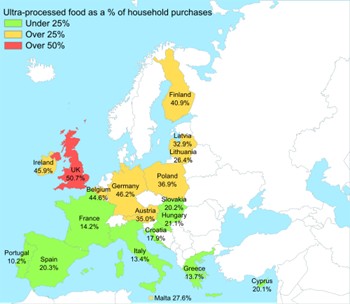
Figure above shows Ultra-processed food as a percentage of household food purchases in some European countries, 2018.
Statistics vary, however the most recent (2025) study found 53% of the UK’s calorie intake is made-up of UPFs. An earlier (2019) study found UPFs accounted for 57% of calories consumed by the average adult, and 65% for children.
The influential Broken Plate report published in 2022 by The Food Foundation reveals as never before the dangerous impact of negative trends in the UK’s diet and the urgent need for a major overhaul of food system.
- Obesity in children has risen by 50% in the past year alone. Children with obesity are more likely to grow up to have diet-related disease. Obesity adversely affects ability to learn in school, self-esteem and physical and mental health.
- Healthy nutritious food is nearly three times more expensive than obesogenic unhealthy products, with more healthy foods costing an average of £8.51 for 1,000 calories compared to just £3.25 for 1,000 calories of less healthy foods. Between 2021 and 2022 healthier foods became even more expensive, increasing in price by an average of 5.1% compared with 2.5% for the least healthy foods.
- About a third (32%) of all food and soft drink advertising is still invested in promoting unhealthy foods compared with 1% spent on fruit and vegetable promotion. A further 39% is spent on brand advertising, much of which is associated with less healthy products.
- Fast food retailers gravitate to areas of poverty: 31% of food retailers in the most deprived areas are fast food outlets compared with 22% in the least deprived areas. As fast-food consumption is closely linked with increased risk of obesity, it is likely that this higher availability of fast food is a contributing factor to socio-economic health inequalities.
- Breakfast cereals and yogurts are foods that parents often give their children in the belief they are relatively healthy, but only 7% of breakfast cereals and 4% of yogurts marketed for children are low in sugar. Some breakfast cereals and yoghurts supply almost the entire recommended daily allowance (RDA) of sugar in one portion: Kellogg’s Froot Loops Marshmallows 17.0g (89% of a 4–6-year-old’s maximum recommended intake); Nestlé Smarties Vanilla Flavour Yogurt 16.5g (87% of a 4-6 year old’s maximum recommended intake).
_
The most commonly eaten ultra-processed foods in the UK are:
- factory-made bread (11% of calories in a typical diet)
- pre-packaged meals (8%)
- breakfast cereals (4%)
- sausages and other reconstituted meat products (4%)
- confectionery (4%)
- biscuits (4%)
- pastries, buns and cakes (3%)
- factory-made chips and fries (3%)
- soft drinks, fruit drinks and fruit juices (3%)
- salty snacks including crisps (2%)
- sauces, dressings and gravy (2%)
_______
Junk food epidemic in India:
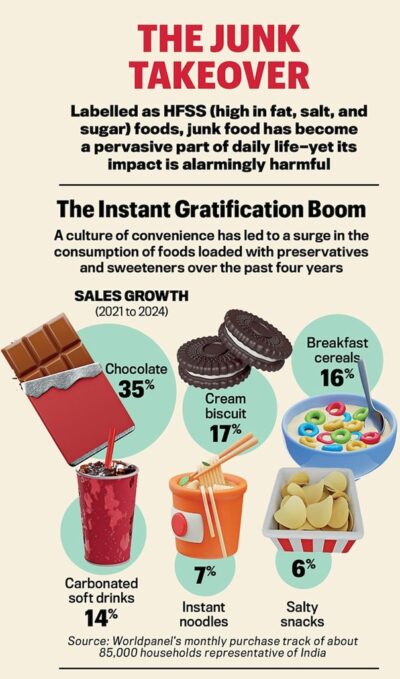
India is a country of paradox where you can see plenty and nothing at the same time. Nutrition is a classic example where under-nutrition, a major public health problem in the past is now giving way to obesity as an emerging health problem. Both are seen simultaneously because of the rapid urbanization. Various shifts in food habits have been seen among millennials ranging from consumption of apparently healthy food to mindless eating of junk food, following economic growth in the country. In India, more and more people having junk food is a trend observed not only in the younger generation but also across all age groups replacing a balanced diet. The terms fast food and junk food are often used interchangeably. Most of the junk foods are fast foods as they are prepared and served fast, but not all fast foods are junk foods, especially when they are prepared with nutritious contents. Junk food consumption is progressing from being just an unhealthy life style habit to a full-fledged addiction. High-calorie junk food is now available as a cheaper and faster alternative to healthy snacks. Fast food chains are cropping up at a fast rate in every corner including smaller towns and cities. The arrival of mobile based apps likes zomato and swiggy in India has made life of foodies easier as food is delivered to doorstep. The market size of ultra-processed foods—chocolate and sugar confectionery, salty snacks, ice cream, biscuits, cold beverages, processed meat, ready-made and convenience foods, and breakfast cereals—grew at a compound annual growth rate (CAGR) of 10 per cent from 2019, reaching Rs 2.58 lakh crore in 2024. It is projected to rise to Rs 3.98 lakh crore by 2029, according to market research firm Euromonitor.
_
Types of Junk Food in India:
Junk food in India comes in various forms. Some of the most common types include:
- Fast Food: Items like pizza, burgers, and French fries.
- Street Food: Popular choices like chaat, pav bhaji, and bhel puri.
- Packaged Snacks: Chips, Kurkure, namkeens, and biscuits.
- Sweet Desserts: Barfi, gulab jamun, ice cream, and more.
- Fried Snacks: Samosas, pakoras, and fried chicken nuggets.
These foods are easy to find, quick to eat, and often very affordable.
_
It’s no surprise, then, that a major study—backed by the Indian Council of Medical Research (ICMR) and the Union health ministry, and published in The Lancet in July 2023—found that 101 million Indians, or 11.4 per cent of the population, have diabetes. What is more concerning is that 15.3 per cent (136 million people) have prediabetes, 28.6 per cent suffer from obesity and 35.5 per cent have hypertension—all linked to rising junk food consumption. The alarming rise in lifestyle diseases is largely driven by poor dietary habits. The increased consumption of ultra-processed foods, which are high in calories but poor in nutrients, is leading to an obesity epidemic, which in turn becomes the causal pathway to several other metabolic disorders. The situation is worse among children. While sedentary lifestyle and stress also contribute to lifestyle diseases among adults, unhealthy diets are the chief reason for such ailments among children and adolescents. Their junk food intake, in fact, is said to be at least three times that of adults. The economic consequences are just as alarming. The ICMR estimates that 56.4 per cent of India’s total disease burden—measured in financial costs, hospitalisation expenses and lost productivity due to illness, including sick leave from school and work—is linked to the rising consumption of junk food.
______
______
Nutrient density and Energy density of food:
How foods affect health depends on a number of factors, one important factor is food nutrient density (nutrient per energy unit) and food energy density (energy per mass). A healthy diet is more than just the right number of calories: our growth, development and health rely on a wide range of nutrients, including vitamins, minerals, protein, fibre and essential fatty acids. In fact, most dietary guidelines encourage us to eat plenty of “nutrient dense” foods to keep a healthy weight and reduce risk of some non-communicable diseases. But what exactly are nutrient dense foods?
_
Foods containing a similar calorie content can be very different in terms of the nutrients they provide. Just think of a medium-sized orange and a scoop of vanilla ice-cream. Even if served in portions that provide the same calories, they have very different contents of added sugars, fibre, vitamins and fats.
Even within the same food group there can be differences between the nutritional composition of foods. For example, wholegrain versions of bread, pasta and rice usually contain more fibre, vitamins and minerals than the refined versions. Similarly, fresh cuts of lean meat generally contain less salt and fat than the equivalent portions of processed meats, such as bacon or sausages.
Usually, when a food presents a higher amount of important nutrients per calorie, we tend to refer to it as being “more nutrient dense”. Key nutrients include those we tend to eat in lower amounts than the recommended, such as some vitamins and minerals (e.g.: calcium, iron, iodine, vitamin D, potassium and folate), protein, unsaturated fats and fibre.
_
The advice to eat “nutrient-dense foods” is the basic premise for any healthy diet and you might recognise it from official dietary guidelines. When we base our diets on nutrient-dense foods, we lower the risk of eating too many calories, saturated fat, cholesterol, sugar, salt (sodium) or alcohol and are more likely to keep a healthy weight and decrease risk of certain diseases. On the contrary, if we regularly eat foods high in calories, but low in vitamins and minerals, we risk meeting – or even exceeding – our energy needs without getting enough micronutrients or other health-promoting compounds. Over time, this increases our risk of nutritional deficiencies and some non-communicable diseases.
_
Energy density and Nutrient density definitions:
Energy density simply refers to the number of calories contained in 100 g of food, which is the direct measurement of the energy a given food provides. Simply put, high energy-dense foods contain more energy per gram of food, meaning that we’ll eat more calories compared to the same portion of low energy-dense foods.
The energy density of foods and beverages depends on the amount of water (0 kcal/g), carbohydrates (4 kcal/g), protein (4 kcal/g), fats (9 kcal/g) and alcohol (7 kcal/g) they contain. That’s why energy-dense foods tend to be dry and high in fats (such as biscuits, chips, candy, butter, etc.), whereas less energy-dense foods are usually rich in water and/or fibre (which cannot be fully digested and absorbed by our bodies) such as fruits, vegetables, vegetable soups, etc.
Contrary to energy density, the definition of nutrient density is less objectively defined. The nutrient density of foods refers to the relative amount of nutrients per calories and is estimated by nutrient profiling methods. Currently, the term “nutrient-dense foods” is used to describe foods that contain a higher amounts of health-promoting nutrients per calorie and are low in saturated fats, added sugars and sodium. Nutrient density describes the ratio of a food’s nutrients to its calorie content. Nutrient-dense foods provide many beneficial nutrients, like vitamins, minerals, fiber, and protein, with relatively few calories, while calorie-dense foods offer more calories and fewer nutrients. Examples of nutrient-dense foods include leafy green vegetables, whole grains, lean meats, nuts, and beans, which help maintain a healthy weight and reduce the risk of certain diseases.
The Nutrient Rich Foods Index (NRF9.3) is a tool used to assess the nutrient density of foods, specifically focusing on the balance of nutrients to encourage versus nutrients to limit. It’s calculated by summing the percentage of daily values for 9 nutrients to encourage (e.g., protein, fiber, vitamins A, C, D, calcium, iron, potassium, magnesium) and subtracting the percentage of maximum recommended values for 3 nutrients to limit (saturated fat, added sugar, and sodium), all per 100 calories.
_
Can a food be both nutrient dense and energy dense?
Yes. While we might be tempted to apply the two concepts in a dichotomous way, it’s not always the case that high energy-dense foods always contain few nutrients or that nutrient-dense foods are necessarily low in calories. Nutrient-dense foods can also be energy-dense, meaning that despite being relatively high in calories, they can provide significant amounts of important nutrients. For example, nuts, seeds, some dairy products and some ready-to-eat cereals can have high energy density and an overall high nutritional value. The opposite is also true, as some low energy-dense foods, such as diet sodas, might contain almost no calories, but also no nutrients.
_
Foods can be divided in 4 groups based on energy density and nutrient density:
-1. high nutrient and high energy (calorie) dense: nuts, seeds, some dairy products, some ready-to-eat cereals
-2. high nutrient and low energy dense: fruits, vegetables, beans, leam meat, whole grains
-3. low nutrient and high energy dense: soda/cola, french fries, fried chicken, cakes and pastries, candy, and chips
-4. low nutrient and low energy dense: diet soda/cola
One should avoid low nutrient high energy dense foods aka junk foods.
_
The ingredients of ultra-processed products make them fatty, sugary or salty, often high in saturated fats or trans- fats, and depleted in dietary fibre and various micronutrients and other bioactive compounds. This is why, in several countries, higher consumption of these products is associated with unhealthy dietary nutrient profiles and several diet-related non-communicable diseases.
When solid, because of their main ingredients and the lack of dietary fibre and water, the energy density of ultra-processed products ranges from fairly high (about 940–1150 kJ (225–275 kcal) per 100 g for baked products) to high (about 1460–1675 kJ (350–400 kcal) per 100 g for ‘energy’ bars) or very high (1675–2090 kJ (400–500 kcal) per 100 g for most biscuits and for chips (crisps)). When formulated as drinks, ultra-processed products are often sugared, and are usually depleted in or devoid of nutrients. These attributes make most ultra-processed products prone to cause inadvertent overconsumption of dietary energy, and thus overweight and obesity.
It has been shown that a typical meal purchased from fast food chains tends to be energy dense and contains ~ 236 kcal/100 g, which is twice as high as the recommended energy density of a healthy diet. Considering the large portion sizes of food eaten out of the home, one meal can provide even more than 1400 kcal.
There are several possible explanations why dietary fat intake may be associated with body weight gain. A number of studies have shown that fat possess a less satiating effect than either carbohydrate or protein. Furthermore, fat is utilized with very high energy efficiency, thus the diet induced thermogenesis following fat consumption is much lower than after protein or carbohydrate intakes. Also, a high fat meal does not enhance lipid oxidation, thus may promote dietary fat accumulation in adipose tissue. A diet high in fat, particularly rich in saturated fatty acids (SFAs), may not only lead to a higher risk of obesity development but may also have other adverse health effects. On average, food eaten out of the home is characterised by high total fat and SFAs content.
When eating food with a low energy density, a greater amount of food needs to be consumed for a given level of energy intake in comparison to food with a high energy density. Therefore, increasing the energy density of the diet may result in a passive increase in energy intake because people are generally habituated to eat a relatively constant weight of food.
_
Characterizing Ultra-Processed Foods by Energy Density, Nutrient Density, and Cost, a 2019 study:
Background: The NOVA food classification scheme divides foods into ultra-processed, processed, unprocessed, and culinary ingredients. Ultra-processed foods contribute >60% of energy to diets in the US.
Objective: To characterize ultra-processed foods by energy density, nutrient density, and monetary cost.
Methods: The 384 component foods of Fred Hutch (FHCRC) food frequency questionnaire (FFQ), were assigned to 4 NOVA categories and to 7 USDA MyPyramid food groups. Energy density was kcal/g. Nutrient density was measured using the Nutrient Rich Food index NRF9.3. Food prices were collected in local supermarkets from 2004 to 2016. Analyses examined time trends in food prices by NOVA category and by USDA food group.
Results: The ultra-processed classification captured mostly grains (91%), fats and sweets (73%), dairy (71%), and beans, nuts and seeds (70%), but only 36% of meat, poultry and fish, 26% of vegetables, and 20% of fruit. Compared to unprocessed foods, ultra-processed foods had lower nutrient density (NRF9.3 per 100 kcal: 21.2 vs. 108.5), higher energy density (mean (SD): 2.2 vs. 1.10 in kcal/g), and lower per calorie cost (0.55 vs. 1.45 in $/100 kcal). Ultra-processed foods did not increase in price as much as unprocessed foods over the 12 year period.
Conclusion: Ultra-processed foods tend to be energy-dense, low-cost, and nutrient-poor. Low energy cost could be one mechanism linking ultra-processed foods with negative health outcomes. Food-based Dietary Guidelines may need to address food processing in relation to economic aspects of food choice.
______
______
How to identify junk food/ultraprocessed food:
Most US adults are unable to identify processed foods correctly, according to a study published in JAMA Network Open. Neal D. Barnard, MD, analyzed responses from 2,174 survey participants aged 18 to 92 years. While a majority identified no single processed food, 28% of respondents cited meat products (e.g., lunch meat, hot dogs, and hamburgers), 14% cited shelf-stable foods (e.g., canned, packaged, frozen), and 13% cited foods with artificial additives. Study authors were particularly alarmed that younger participants failed to identify meat as a processed food, considering its tendency to raise risks for diabetes, colorectal cancer, and cardiovascular disease. Study participants also didn’t seem to recognize that plant-based foods, even breakfast cereals considered ultraprocessed, can reduce risks for these conditions. Remember: When it comes to processed foods, low-fat plant-derived foods are typically healthy and animal-derived foods are typically unhealthy.
There are no health warnings on UPF in the UK – yet. But there are lots of red flags that may point to UPFs. Does it contain at least one ingredient you don’t recognise? Does it have a health claim on the packet, such as “high in fibre” or “source of protein”? Does it contain palm oil? Is it made by a multinational company? Did that company start with a cheap crop, such as a lentil, and turn it into an expensive crisp, chip or puff? These are all hallmarks of UPFs. Top offenders in category of ultra-processed foods, include fizzy drinks; packaged snacks; sweets and chocolate; ice-cream; biscuits, cakes and pastries; sausages and burgers; packaged pies and pizzas; and chicken nuggets.
Most ultra-processed foods are found in the middle aisles of a grocery store. Shop the perimeter where stores stock fresh, whole foods. Most of the foods that are fresh are good for you. If you choose to buy ultra-processed foods, avoid “family size” and choose single serving items. Large packages are designed to make you overeat. If you can’t stop eating from big packages, don’t buy them.
_
Ultra processed options tend to contain:
- Five or more ingredients.
- Added sugar, salt, oils, fats, stabilizers and preservatives.
- Additives that imitate the flavor, color or texture of less processed foods.
- Ingredients not found in nature, such as high fructose corn syrup.
They’re also defined by what they lack. These ready-to-eat products are often so processed that vegetables, grains and other unprocessed foods are either barely present or absent.
_
Industrial breads made only from wheat flour, water, salt and yeast are processed foods, while those whose lists of ingredients also include emulsifiers or colours are ultra-processed. Plain steel-cut oats, plain corn flakes and shredded wheat are minimally processed foods, while the same foods are processed when they also contain sugar, and ultra-processed if they also contain flavours or colours.
Generally, the practical way to identify if a product is ultra-processed is to check to see if its list of ingredients contains at least one item characteristic of the ultra-processed food group, which is to say, either food substances never or rarely used in kitchens, or classes of additives whose function is to make the final product palatable or more appealing (‘cosmetic additives’).
_
What exactly should I look for on the label?
Carlos A Monteiro, a professor of nutrition and public health at the University of São Paulo, has written a useful guide. According to his journal article, Ultra-processed foods: what they are and how to identify them, food substances not used in home kitchens tend to appear at the beginning or in the middle of the ingredients list (ingredients are listed in order of weight). These include protein sources (hydrolysed proteins, soya protein isolate, gluten, casein, whey protein, mechanically separated meat); sugars (fructose, high-fructose corn syrup, fruit juice concentrates, invert sugar, maltodextrin, dextrose, lactose); soluble or insoluble fibre; and modified oils (hydrogenated or interesterified oil).
Additives appear at the end of the ingredients list. Cosmetic additives, used to make the final product more palatable or more appealing, include flavours, flavour enhancers, colours, emulsifiers, emulsifying salts, sweeteners, thickeners, and anti-foaming, bulking, carbonating, foaming, gelling and glazing agents.
One caveat:
Some ingredients may sound unfamiliar to the layperson but don’t signify UPF. For example, UK flour is routinely fortified with calcium, iron, thiamine and niacin; ascorbic acid is another name for vitamin C; and corn starch is a traditional, non-UPF thickener (unlike “modified starches”).
_
Abbreviated List of Ultra-processed Food Ingredients:
The ingredients with an asterisk appear to be safe for most people, however, they are an ultra-processed ingredient which may contribute to over-eating. When comparing two products with similar nutrition facts, choose those with less ultra-processed additives.
|
Ultra-Processed Ingredient Class |
Ingredients you might see on a food label (Incomplete List) |
|
Hydrolyzed proteins |
Hydrolyzed corn protein, hydrolyzed wheat gluten, hydrolyzed soy protein. |
|
Modified starches |
Modified food starch*, Modified Corn Starch*, oxidized starch*, monostarch phosphate*, distarch phosphate*, |
|
Hydrogenated or Interesterified oils |
Fully hydrogenated vegetable oil, Hydrogenated vegetable oil, interesterified oils. |
|
Colorants |
Azodibcarbonamide, Carmine (Cochineal), Caramel coloring, red, blue, or yellow dye, other synthetic food dyes, |
|
Flavorings |
Artificial and natural flavors, autolyzed yeast extract*, castoreum*, diacetyl, fumaric acid*, guanosine monophosphate (GMP)* disodium guanylate |
|
Sweeteners |
Cyclamate, Invert sugar, dextrose |
|
Non sugar Sweeteners |
Acesulfame potassium, aspartame, saccharin, and other artificial sweeteners |
|
Emulsifiers |
soy lecithin, sunflower lecithin, brominated vegetable oil (bvo), cellulose*, pectin*, datem*, dextrin*, mono-and diglycerides*, polyglycerol polyricinoleate (PGPR)*, polysorbate 60,65,80, sorbitan monostearate*, sucrose acetate isobutyrate* |
|
Anti-Foaming agents |
Dimethylpolysiloxane (a type of silicone) |
|
Fruit juice concentrate |
Apple juice concentrate |
|
Gelling and Glazing Agents |
Pectin |
|
Thickeners |
Carrageenan, Alginate*, Gums (Arabic, guar, xanthan), |
_______
Read the nutrition label:
The food label tells the story. Ultraprocessed foods typically contain a long list of ingredients, most of which are not used in home cooking and would be more familiar in a chemistry lab. Examples are many types of packaged snacks, breakfast cereal, prepared meals and sugary beverages. Looking at a nutrition label will give you an idea if a food is ultraprocessed. If you don’t recognize many of the ingredients listed, that can be a sign that there was a lot of processing involved.
Simply reading the nutritional values printed behind the package will enlighten you about the food you are eating.
You can tell the food you are eating is junk if,
- The calories from fat are more than 35%
- Saturated and trans-fat contribute to more than 10% of calories
- The calories contributed by sugar is more than 35%
- Per serving is more than 200 calories (especially snack product)
- The sodium (salt) is more than 480mg/serving
- The primary ingredient is oil or sugar
- The product is high in fructose (corn syrup)
_
Products with high levels of fat, salt or sugar are less healthy.
When choosing a healthy food look for:
- saturated fat levels below 3g in each 100 grams
- total fat levels below 10g in each 100 grams
- sodium levels below 400mg in each 100 grams
- less than 15g of added sugar per 100 grams
The food labels also tell you the recommended serving size. Serving size is a standard, measured amount of food, like a slice of bread or one cup of milk, listed on the Nutrition Facts label. Portion size is the amount of food you actually consume, which may be larger or smaller than the serving size. Serving sizes are primarily used to help consumers compare different food products and understand the nutritional content in a standard amount, not as a recommendation for how much to eat. One package of food may contain more than one serving.
_
Label backfire:
The message that all UPFs are bad oversimplifies the issue. People don’t eat based on food labels alone. They eat based on how a food tastes, how it makes them feel and how it fits with their health, social or emotional goals.
Relying on UPF labels to shape policy could backfire. Warning labels might steer people away from foods that are actually beneficial, like wholegrain cereals, or create confusion about what’s genuinely unhealthy.
Instead, more informed, personalised approach is recommended:
- Boost food literacy: help people understand what makes food satisfying, what drives cravings, and how to recognise their personal cues for overeating.
- Reformulate with intention: design food products that are enjoyable and filling, rather than relying on bland “diet” options or ultra-palatable snacks.
- Address eating motivations: people eat for many reasons beyond hunger – for comfort, connection and pleasure. Supporting alternative habits while maximising enjoyment could reduce dependence on low-quality foods.
_
Health claims on food:
Health claims such as ‘low in fat’ or ‘sugar free’ can be misleading. A product advertised as ‘light’ or ‘lite’ may only be telling a product is light in colour or flavour. It can still be ‘full-fat’— make sure you read the nutrition information panel to check the fat content.
‘Sugar free’ or ‘no added sugar’ is another common product claim. This means that a product has no added sucrose or sugar but can still contain other kinds of sugar. The product may also contain salt or fat and may be high in kilojoules, so even sugar free products can be junk foods.
Note also that products known as ‘health foods’ such as some fruit juices and muesli bars can actually be junk food if they contain high levels of sugar, salt or fat.
_____
_____
Understanding Food Costs:
Before we dive into the comparison, it’s essential to understand how food pricing works. The cost of food is influenced by several factors, including production, processing, transportation, and marketing. These elements play a significant role in determining whether a food item is deemed affordable or expensive.
The Price of Healthy Foods:
Healthy foods typically include fresh fruits, vegetables, whole grains, lean proteins, and low-fat dairy products. The prices of these items can fluctuate based on seasonality, local availability, and production methods. While some may argue that healthy food can be pricey, it’s important to remember that many staple healthy items can be quite affordable.
Examples of Affordable Healthy Foods:
Here are some examples of healthy foods that can be budget-friendly:
- Seasonal vegetables and fruits: Buying produce in season can significantly reduce costs.
- Whole grains: Items like brown rice, oats, and quinoa can often be found at reasonable prices.
These examples show that healthy eating isn’t necessarily synonymous with high expenses.
_
The Cost of Junk Food:
On the other hand, junk food mainly comprises processed snacks, sugary drinks, and fast food, which often have lower upfront costs. These foods are typically high in calories but low in nutritional value, making them an appealing option for those on a budget. The true cost of junk food extends beyond the price tag at the drive-thru. While fast food and sugary snacks may seem inexpensive, their long-term effects on our health, environment, and water resources have significant hidden costs.
The Hidden Costs of Junk Food:
When comparing the prices, it’s crucial to consider the hidden costs associated with junk food consumption, such as:
Health Expenses:
Junk food is linked to obesity, diabetes, heart disease, and other health issues. The economic burden of treating these conditions places a strain on healthcare systems and individuals alike.
Environmental Costs:
The environmental degradation resulting from the production and disposal of junk food carries a hefty price. Water scarcity, soil erosion, and deforestation are just some of the environmental issues that arise from junk food production.
Water Scarcity:
As water resources become scarcer due to overuse and contamination, the cost of obtaining clean water for drinking, agriculture, and industry increases. It, in turn, affects the price of food and goods.
Lower productivity:
Poor nutrition can affect your energy levels and productivity at work or school, indirectly costing you more in lost opportunities.
______
Healthy diets now a luxury for billions: Cost of healthy diets 47% higher than ultra-processed foods in 2025:
Rising global food inflation is widening the gap between healthy and unhealthy diets, making nutritious food inaccessible for billions, especially in low- and middle-income countries, according to the State of Food Security and Nutrition in the World (SOFI) 2025 report released on July 28, 2025 by five United Nations agencies. The cost of nutrient-rich foods — particularly fruits, vegetables and animal-based products — has soared and remains highly volatile, while ultra-processed foods and starchy staples continue to be more affordable despite offering poor nutritional value. The report underscores that this growing disparity is entrenching unhealthy dietary patterns among the world’s poorest. An analysis of global price data from 2011, 2017 and 2021 revealed a persistent and stable disparity in the costs of different food groups. Ultra-processed foods were, on average, 47 per cent cheaper than unprocessed or minimally processed foods and 50 per cent cheaper than processed foods by 2021. On the other hand, “price premiums for nutrient-rich foods, particularly vegetables, fruits and animal source foods, remain substantial and volatile, reinforcing economic barriers to dietary diversity,” the report said. This price disparity was one of the major drivers of unhealthy dietary patterns, especially among the world’s poorest. SOFI 2025 report finds 2.6 billion people cannot afford nutritious meals as food inflation drives up prices of fruits, vegetables and animal-based foods. Prices of fruits, vegetables and animal-source foods have risen sharply, while ultra-processed foods remain 47 per cent cheaper.
______
______
Why is junk food so appealing: Why do we like ultraprocessed foods so much:
The junk food is easily availability and cost effective, let it be your workplace, hangout place, restaurants, mall, nearby street, etc. Above all, the food is economical to every body’s pocket. The packing of the products is another factor of its popularity. Attractive ways of packing the food, eye catching colours of the wrappers are other factor of the popularity of the junk food. Along with which, the presentation of the food also matters. By adding food additives and colours enhance its flavour. Creating awareness about the product through advertisement and availability of the product plays a major role in attracting the public mainly children and youngsters to the junk food selling point.
_
Scientists still don’t know for sure why humans gravitate toward ultraprocessed foods. One hypothesis, according to researcher Hall, is that we might not be able to resist their combination of ingredients. Think about the last time you ate just one chip out of a bag—it’s almost impossible not to eat more. In a 2021 study, Hall attempted to compare a low-carbohydrate diet with a high-carbohydrate one to examine their effects on energy intake. When people were presented with meals that were high in both fat and sugar, fat and salt, or carbohydrates and salt, people tended to eat more calories, he says. “These are so-called hyperpalatable foods,” Hall adds. Such foods essentially have artificially enhanced palatability that exceeds the palatability any ingredient could produce on its own—in other words, they have a combination of fat, salt and sugar “that would never exist in nature. One factor that encourages overconsumption of junk food is its hyperpalatable nature, which manufacturers achieve by leveraging science. Does the vanilla ice cream you love contain natural vanilla? Not really. It’s actually made with lab-engineered chemicals from flavour makers. The science of using flavour molecules—seen in packaged foods as ‘added flavours’—has grown exponentially over the past few decades. These artificial flavours, far cheaper than natural products, trick the brain into thinking they are eating something nutritious, like a mango drink with real mangoes when in reality, it’s just a soda with an artificial mango flavour.
_
Time constraint drives consumers to purchase Junk Foods:
Consumers’ decisions on how much of different types of junk foods they purchase is influenced by time constraints, prices, the food environment, and financial resources. Understanding what motivates these consumers to purchase foods has important implications for public health, given that junk foods are often associated with lower nutritional value.
Figure below shows share of Food Budget by type of food or source chart
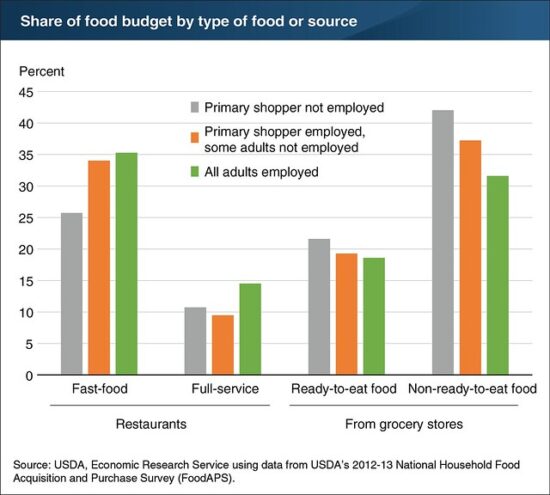
Time constraints due to employment are associated with greater preference for junk foods.
In the fast-developing world, no one wants to waste their time, instead they like to use some shortcut and compromise on one or other drawbacks of it. Due to this tendency, various home appliances, mobile applications, facilities, etc are being introduced. People mainly youngsters do not opt for homemade nutrition food they go for fast food (junk food) which is made fast or available fast and easy to consume. This food is available easy and is delicious in taste. Time factor is one reason for the popularity of the junk food.
______
Following factors are behind the success of junk foods:
Junk food consumption is driven by a complex interplay of factors including taste preferences, habit, convenience, and psychological influences. High levels of sugar, salt, and fat make junk food highly palatable, leading to overeating and potentially addictive behaviors. Furthermore, the easy accessibility, low cost, and time-saving nature of junk food contribute to its widespread appeal, especially among those with limited time or resources. From attractive packaging to increased shelf life, several factors make junk food appealing to the masses.
-1. Time factor:
Some people do not have the time to cook, so junk food is a quick and easy alternative that is ready for consumption in a short time. Junk food such as wafers, potatoes and chips do not need to be cooked or heated. People like to eat them while watching television, saving time and energy. Foods like pizzas and burgers are very easy to prepare since the primary ingredients are precooked and readily available. Customers can get their meal as quickly as possible, saving them a lot of time. Likewise, packaged foods like Lay’s, Cheetos, fruit cakes, biscuits etc can be eaten right out of the package. These foods do not require so much as a preheating let alone cooking. This propels teenagers and young adults to choose packaged foods who are always on the go. We save our self a lot of hassles and time when we are in a hurry eating pizzas and burgers as they are served at our door step hot and ready to eat.
-2. Taste:
If time constraint is one reason that pushes peoples to eating junk food, great taste also, to an extent influences them to opt for junk food. Junk food is engineered to be irresistible. Scientists literally design it to hit all the right flavor notes, making it salty, sweet, fatty, and crispy. It’s impossible to stop eating. Ever wonder why you can’t eat just one chip? That’s by design. Fast food and junk food makers add additives, artificial flavours and use an excessive amount of salt, oil and sugar than the recommended amount to enhance the taste. Kids, youngsters and adults alike develop a taste-bud to these flavours and resort to eating junk foods often.
-3. Cost:
The cost is less as compared to healthy food. Less cost is also a big reason of the popularity of junk food. It is easily accessible to all classes of population due to its low and attractive price range. You can grab a fast-food meal for a few bucks, but a fresh salad with lean protein? That’s going to cost you. Packaged snacks, frozen pizzas, and instant noodles cost less than fresh fruits, vegetables, and lean meats. This is a huge reason why people, especially those on tight budgets, turn to junk food. It’s affordable, accessible, and fills you up, even if it’s not the healthiest choice.
-4. Ready Availability:
The widespread availability of junk food, especially in convenience stores and fast-food restaurants, makes it easily accessible.
-5. Psychological Factors:
- Reward System: Junk food activates the brain’s reward system, releasing dopamine and creating feelings of pleasure, which can lead to wanting more.
- Brain Function: High sugar and fat intake can potentially disrupt brain signaling pathways related to appetite and satiety.
- Fast food fuels our memory: Do you know how you like to watch the same movie or your favourite television show over and over again? Well, the same rule applies to fast food. Neuroscience studies have shown that much of the pleasure induced by eating food is tied to memory. Of course, flavour and taste are factors, but fast food is designed to give you the same food experience each time you eat it. Fast food provides you with the perfect comfort food.
- Habit: Regular consumption of junk food can create a habit loop, making it difficult to break the cycle.
- Stress Eating: Some individuals turn to junk food for comfort or to cope with stress.
- Boredom eating: Boredom eating is real. Sometimes, you’re not even hungry, but you’re just looking for something to do. Mindlessly snacking on chips while watching TV or grabbing a candy bar at your desk just because you are bored. Junk food is also super easy to eat while distracted, making it the perfect companion for scrolling social media, watching Netflix, or even driving. It’s just too easy to eat mindlessly!
-6. Attractive packaging:
Proprietors behind the packaged foods industry have long learned the art of the visual appeal. Be it a regular store or a huge supermarket, bright and attractive packages of junk foods have drawn the attention of both children and adults. This makes the consumers curious and urges them to buy the product just to know how it tastes.
-7. Convenient:
Junk food is designed for busy people. It’s quick, easy, and requires zero effort. You don’t have to wash, chop, or cook anything! Just open that package or hit the drive-thru, and you’ll be eating in minutes. With so many people working long hours and juggling packed schedules, convenience is a huge selling point. It’s way easier to grab a burger and fries than to prep and cook a homemade meal. For some people, such as shift workers working at night … there is a lack of availability of fresh foods or time to prepare any food, and so ultra-processed foods have to be relied on. This highlights the need for not only individuals to try reducing ultra-processed foods in our diet but also for public health actions to improve access to healthier foods.
-8. Shelf life:
Ready to cook junk foods as instant noodles and pasta come for a very long time without refrigeration. Other packaged foods like crisps, biscuits, wafers etc also have a longer shelf life making it an easy option for snacking.
-9. Transportation:
Unlike regular wholesome foods, carrying junk foods is hassle-free, thanks to the impeccable packaging. The well-developed transportation system that we enjoy today has also contributed to this factor.
-10. Social and Cultural Influences:
- Social Norms: Eating junk food can be a social norm, particularly among young people, and may be associated with certain events or gatherings. Fast food is about more than being about just nutrition. Many of us spend money on fast food not because we need to eat out but because this is how we socialise. Fast food restaurants and cafés provide a safe, convenient place for us to meet with friends.
- Peer Pressure: Friends and social groups may influence food choices, potentially leading to increased junk food consumption.
-11. Junk food advertising:
Foods prepared outside the home and restaurant foods have a great attraction for food buffs. An estimate tells that Frito Lays is selling a billion bags of Cheetos per year. Junk food advertising has a major role in this. There is also concern about the targeting of marketing to children because children are easy and potential target for junk food. In the recent past, the marketers of junk food products have cleverly used advertisements to their advantage. Studies conducted on television advertisements and its impact on children determined that advertisements aired on children’s TV channels influenced the latter’s choices and behaviour. The bright and colourful visuals used for depicting junk foods trigger children to want these foods and the taste factor makes them addicted to it. These advertisements were aired majorly during the prime time targeting a maximum number of children and parents. Following television, internet and smartphone users became the prime target for junk food advertisers. Since even children are drawn towards smartphones, the popularity of soft drinks and fast foods grew fast and vast. Additionally, advertisements on billboards, banners and peer pressure contributed to this junk food craze.
_____
Study finds Couples who eat Junk Food together are Happier—only in short term:
A recent study found that couples who shared “problematic behavior” like eating junk food, being inactive, or smoking reported feeling closer and more satisfied in their relationships compared to couples who participated in healthier activities together. The catch? Those feel-good vibes were only reported in the short term.
Here’s how it works: Eating high-fat, high-sugar foods stimulates dopamine (aka the feel-good brain chemical linked to pleasure and reward). Add in the presence of a loved one, and you also get a hit of oxytocin—the bonding hormone tied to attachment and closeness. Essentially, couples are combining two powerful neurochemical responses: dopamine from instant gratification, and oxytocin from relational bonding. But that dopamine-driven connection is conditional and fleeting. It feels good, but it’s dependent on the activity. So while splitting a pizza and zoning out together might feel like quality time, it doesn’t always translate to the kind of emotional bond that sustains long-term relationship satisfaction. The findings did show that couples who engaged in these unhealthy activities together felt happier and closer—but only in the short term.
______
______
How food corporations manipulate you into eating more junk food:
Corporations have spent years perfecting the sinister science of making you crave their processed food. There are many ways these companies capitalize on our memories, cravings and brain chemistry to keep us snacking.
-1. The first involves a quirk of human psychology known as sensory-specific satiety. As the term hints at, sensory-specific satiety is what happens when you taste the same kind of food for so long that you grow bored with it. Even if your favorite food is ice cream or pizza, you would likely want something new if forced to eat nothing but ice cream or pizza for every meal.
Food manufacturers understand this, and as such when they design foods to hook in customers, they are clever about it. They keep in mind a factor known as “the bliss point,” which refers to the exact combinations of saltiness, sweetness and other tastes that any given food item needs to be (a) delicious and (b) not quite delicious enough that you will feel satisfied after a small serving. Like many other businesses, food manufacturers want customers to buy as much of their product as possible. Customer satisfaction, though important, is not as much of a priority as customer demand — and getting your customer to crave a food item because they never quite feel satisfied after their last taste effectively establishes long-term and lucrative demand. Ultra-processed foods are precisely formulated to tease our palates with just the right blend of sweet, salty and fatty flavors. They keep us reaching for more, and at the same time prevent us from feeling completely satisfied. In terms of food engineering, this is a remarkable feat. But when it comes to health and well-being, there’s a potentially steep cost.
Take Prego spaghetti sauce, which was “optimized” by food industry scientist and mathematician Howard Moskowitz. Even though one may not think of spaghetti sauce as equivalent to candy, a single half-cup of Prego Traditional has more than two teaspoons of sugar — as much as at least two Oreo cookies. This is because industry research found that the sugar stimulated consumer tastebuds enough to make them crave more and more of the spaghetti sauce, even though this sauce does not taste much like counterparts that were primarily tomato-based.
-2. In addition to leaning into the distinct psychology behind how humans respond to tastes, food industry experts also look into how our bodies evolved to process different types of nutrients. Evolutionary psychologists argue that the body craves things like fats, sugars and even salt in order to shore up its stores of energy so that it will suffer less during periods of famine. This is why — when a junk food fan eats something like a greasy fried chicken leg or a bag of sugar-coated candy — their brain releases chemicals which tell them to enjoy themselves and indulge. Your body does not understand that there are “good foods” and “bad foods”; it simply processes this food as being something it likes, and therefore encourages you to chow down on it again and again. When we taste something and when those nutrients hit our gut, there are signals in the brain — pleasurable signals — that make us think, this is really delicious! I like this a lot. That’s probably due to a class of chemicals called opioids. Yes, those are the same opioids that refer to the addictive pharmacological drug of the same name. Opioid peptides in your brain are very similar neurochemically from the ones that you can put in your body with pills.
-3. In addition to these opioids, the body also releases a neurochemical called dopamine, which researchers compared to a “tag,” figuratively poking your body and saying, “‘Oh, go do that again! That’s something that you should eat again. That’s something that you should go do.’ It has to do with motivation and with learning, and both these signals are really important for our behavior.”
-4. Neuroscientist Dana Small suggests that junk foods which combine sweet flavors with fat form a combination not found in nature except in breast milk — and which therefore perhaps stimulate a primal memory through a part of the brain known as the striatum.
_
In and of itself, there is nothing inherently sinister about this aspect of human neurochemistry. Indeed, the same signals that make a person crave cotton candy or a Big Mac could in theory also draw them toward a crunch carrot, juicy orange or tender strip of lean turkey. Yet there are important differences in how the brain responds to highly-processed junk foods versus how it processes something like a banana or grilled flounder. It seems that foods with added sugars are ‘enjoyed’ differently, as our brain seems to be more sensitive to higher amounts of sugar than we would typically see in nature like, for example, in an apple. This is evidenced, among other things, by the contrasting ways in which humans eat the highly-processed, chemical-laden foods and the ways in which they eat those that appear in nature. People are not experiencing this with things like beans, baked chicken breasts and fruit, even if they really like them, Dr. Ashley Gearhardt, an associate professor at the Department of Psychology at the University of Michigan said. To illustrate her point, Gearhardt turned to one of her own favorite foods: Watermelon. “I love watermelon, it’s delicious, but nobody sits down and eats the whole watermelon,” Gearhardt observed. The difference between a watermelon and something processed by a large company is that, for the latter, those foods are altered in ways to make them literally irresistible. This happens when companies use a combination of salt, sugar and fat to create foods that overstimulate the taste buds — and yet are designed to never quite leave you feeling satisfied. Even though saturating foods in salt, sugar and fat fuels the obesity epidemic — and does not necessarily provide consumers with the best culinary experience — it guarantees that customers will keep coming back for more by overstimulating one’s feeling of taste pleasure in exactly the right ways. Since the companies’ view their foremost responsibility as being to their shareholders, that is in itself a good enough reason to continue preparing foods with excessive salt, sugar and fat.
_
“Salt, sugar, and fat are big players in junk food because the body is wired to detect them and signal the reward centers via the taste buds for sugar and salt, and the trigeminal nerve for fats, with more signalling in the gut,” explained Pulitzer Prize-winning journalist Michael Moss, author of “Salt Sugar Fat”. He also pointed out that companies are clever in appealing to senses other than taste. They will intentionally make their junk foods colorful and vibrant to look at, and have textures that are pleasing to the touch. Sound can also play a role, with Moss noting that one experiment found customers are more apt to buy potato chips that crunch loudly. Moss notes that memory — and nostalgia in particular — play a big role in the foods we crave. “The soda companies discovered that if they put a soda in the hands of a child when they’re at a ballpark with their parents, that soda will forever be associated with that joyous moment,” he says. “So later on in life, when that child now wants to experience a joyous moment, they’re going to think of soda.” During the pandemic, he says, many people have sought comfort in the snacks they remember from childhood. “We went into the store, and we started buying products we hadn’t had since we were kids,” he says — recalling “great joyous moments.”
_
Here’s a reason why it’s called a Happy Meal − junk food is extremely pleasurable. And that’s not an accident. Junk food has been carefully engineered by food scientists and snack manufacturers to hit the “sweet spot” that keeps us wanting more, and more, and (gobble, gobble) more.
It starts in the mouth. One of the distinguishing characteristics of all great junk food is mouthfeel. Cheetos are famous − or infamous, depending who you ask −for delivering explosive cheesy flavor without the heavy, greasy mouthfeel of actual cheese. Instead of tasting like the salty fat bombs they are, Cheetos literally melt in your mouth. One food scientist call this vanishing caloric density. Your brain relies partially on mouthfeel to determine how many calories are in a particular food. By melting into nothingness, Cheetos trick you into eating the whole bag.
Fast food cashes in on the same mouthfeel science. A meal of a hamburger and fries is undeniably fatty, and your mouth knows it. But food scientists have discovered that the potentially unpleasant mouthfeel of greasy fries is perfectly balanced out by the astringent quality of carbonated beverages. And bonus points for balancing salty with sweet!
The food industry spends tens of millions of dollars a year researching and developing the ideal combinations of mouthfeel and crunch that keep us coming back for more.
_
Junk food science also owes a lot of credit to evolutionary biology. The brains of modern humans evolved in a place and time when daily life was consumed by the search for more calories. As omnivores, we can physically digest a wide variety of foods, but not all foods are calorically equal. Meat, for example, delivers many more calories per bite than leaves. To feed ourselves most efficiently, the brain evolved ways to quickly identify the most calorie-dense foods. And it still does, even though food scarcity is no longer an issue. The underlying problem is that the human body is like a machine that needs fuel to survive, but has programming which has not been updated to figure out how to make sure that it craves the healthiest nutrients. We are instead programmed to simply gravitate toward as many calories as possible. We detect the calories in what we eat, through sensors on the tongue and possibly in the gut, and we’re drawn to foods that have more calories because for most of our existence getting enough calories was life and death. But we can’t distinguish between nutritious calories and the empty ones in junk food, and so we get just as excited about 300 calories in a candy bar as we do over those in more wholesome food. When hunger strikes and we stand in the kitchen choosing between an apple and a bag of potato chips, a region of the brain called the ventromedial prefrontal cortex screams, “Chips, you fool! We could die tomorrow!”
______
______
Are junk foods harmful?
Junk food plays a major role in the obesity epidemic. By the year 2050, the rate of obesity in the U.S. is expected to reach 42 percent, according to researchers at Harvard University. Children who eat fast food as a regular part of their diets consume more fat, carbohydrates and processed sugar and less fiber than those who do not eat fast food regularly. Junk food in these children’s diets accounts for 187 extra calories per day, leading to 6 additional pounds of weight gain per year. Obesity increases your risk for cardiovascular disease, diabetes and many other chronic health conditions.
_
Scientists who research ultra-processed foods say that there seems to be something about the processing itself—not just the nutrition content—that makes them unhealthy. In one 2019 study that supports this idea, researchers split 20 people into two groups and controlled what they ate for two weeks. Each group ate meals with identical quantities of calories, sugar, fat, fiber, and micronutrients, but one group ate a diet of ultra-processed food, while the other ate unprocessed food. In the end, the people who ate ultra-processed food gained weight, while those who ate unprocessed food lost weight. Researchers have raised several theories to explain this. One is that eating ultra-processed foods changes the way people eat overall: replacing homemade food with ready-to-eat, energy-dense foods that are easier to overeat. They are made, by design, for overconsumption. They have hyper-palatability. Another idea is that ultra-processed food spurs people to eat too quickly. Scientists are also investigating whether the problems start after ultra-processed food reaches your gut. Some of the chemicals in ultra-processed foods—especially emulsifiers, which are added to food to help mix substances—disrupt gut microbes, which scientists theorize send signals to the brain when you’ve had enough to eat. Either it sends signals to the brain or to the gut microbes to eat more, or it’s simply that the food is so easy to eat that it gets into the system so fast that you don’t have time to get your fullness signals in the brain.
_
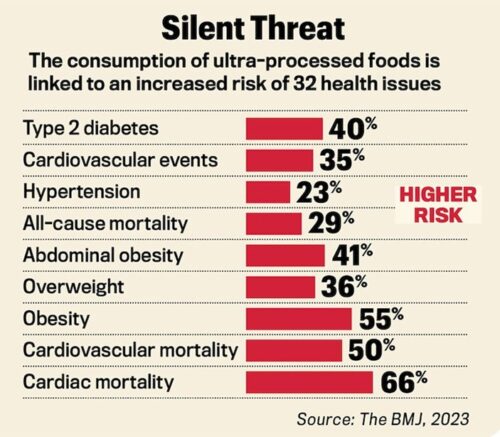
_
Longitudinal studies in the Americas and Europe have linked eating more ultra-processed food to a number of health risks, including increases in obesity, high blood pressure, Type 2 diabetes, and even dementia. Other research, including a pair of studies in the BMJ by researchers in Spain and France, has linked consuming ultra-processed foods to an increased risk of early death.
There is no definitive evidence about the health impact of eating ultra-processed food, however there is growing evidence they are linked to poor health outcomes and even early death. A recent study examined data on diets and mortality in eight countries including the UK. The report found 14% of early deaths in the UK could be ‘attributable to ultra-processed food intake.’ In addition, a 2024 study in the British Medical Journal- based on information from 9.9 million people worldwide – linked UPFs to:
- a higher risk of death from cardiovascular illnesses (such as heart attack and stroke)
- obesity
- type 2 diabetes
- sleep problems
- anxiety and depression
However, studies have been unable to prove if it’s the processing of food that causes illnesses, or simply the fact that most of them are high in fat, sugar and salt. These are a known cause of weight gain, type 2 diabetes, heart disease and some cancers.
_
Below, there are several reasons why ultraprocessed foods can increase the risk to a person’s health.
-1. Added sugar
Processed foods tend to contain added sugar and, often, high fructose corn syrup. Added sugar contains no essential nutrients but is high in calories. Regularly consuming an excess of added sugar can lead to compulsive overeating. It is also linked with health conditions such as obesity, metabolic syndrome, type 2 diabetes, and inflammatory diseases. Processed foods and beverages are among the major sources of added sugar in the diet. Sweetened beverages are a particularly significant source; people tend to consume much more sugar than they realize in soft drinks.
-2. Artificial ingredients
The ingredients list on the back of processed food packaging is often full of unrecognizable substances. Some are artificial chemicals that the manufacturer has added to make the food more palatable.
Highly processed foods often contain the following types of chemicals:
- preservatives, which keep the food from going bad quickly
- artificial coloring
- chemical flavoring
- texturing agents
Official organizations have tested most food additives for safety, though the use of these chemicals remains controversial among doctors and researchers.
-3. Refined carbohydrates
Carbohydrates are an essential component of any diet. However, carbs from whole foods provide far greater health benefits than refined carbohydrates. The body breaks down refined, or simple, carbohydrates quickly, leading to rapid spikes in blood sugar and insulin levels. When these levels then drop, a person may experience food cravings and low energy. Because refined carbs cause frequent increases and decreases in blood sugar, consuming them is linked with an increased risk of type 2 diabetes.
-4. Low in nutrients
Ultra-processed foods are very low in essential nutrients, compared with whole or minimally processed foods.
In some cases, manufacturers add synthetic vitamins and minerals to replace nutrients lost during processing. However, whole foods provide additional healthful compounds that ultra-processed foods do not. Fruits, vegetables, and grains, for example, contain healthful plant compounds with antioxidant, anti-inflammatory, and anticarcinogenic effects. These include flavonoids, anthocyanins, tannins, and carotenoids. The best way to get the full range of essential nutrients is to eat whole, unprocessed, or minimally processed foods.
-5. Low in fiber
Dietary fiber has a wide range of health benefits. Fiber can slow the absorption of carbohydrates and help people feel more satisfied with fewer calories. It also acts as a prebiotic, feeding the friendly bacteria in the gut, and can help boost heart health. Most ultra-processed foods are very low in fiber, as natural fiber is lost during processing.
-6. Quick calories
The way that manufacturers process foods make them very easy to chew and swallow. Because much of the fiber is lost during processing, it takes less energy to eat and digest ultra-processed foods than whole or less processed foods. As a result, it is easier to eat more of these products in shorter periods. In doing so, a person consumes more calories — and uses fewer in digestion — than they would if they had eaten whole foods instead. This increases a person’s chances of taking in more calories than they use up, which can lead to unintentional weight gain.
-7. Trans fats
Ultra-processed foods are often high in unhealthful, cheap fats. For example, they often contain refined seed or vegetable oils, which can be easy to use, inexpensive, and last a long time. Manufacturers create artificial trans fats by adding hydrogen to liquid vegetable oils, making them more solid. Trans fats increase inflammation in the body. They also raise levels of low-density lipoprotein, or “bad,” cholesterol, and decrease levels of high-density lipoprotein, or “good,” cholesterol. Eating trans fats is associated with an increased risk of heart disease, stroke, and type 2 diabetes. For example, according to a 2019 study, a 2% increase in energy intake from trans fats is linked with a 23% increase in cardiovascular risk.
__
There is no single theory about why ultra-processed foods as a group are so dangerous. They are not immediately poisonous, like arsenic. Yet many reasons have been proposed. First, our bodies can’t fully process some chemicals, and they react in harmful ways, promoting chronic inflammation. Unlike acute inflammation, which occurs when, for instance, you sprain your ankle, chronic inflammation damages healthy cells, organs and tissues. It produces internal scarring and injures healthy cell DNA. Ultra-processed foods have fewer nutrients. This displaces healthier, nutrient-rich and fiber-rich foods you could be eating. Nutrient-rich foods have beneficial bioactive compounds, like polyphenols in fruits and vegetables. Fiber-rich foods promote healthy digestion and lower cholesterol levels. Ultra-processed food also negatively impacts your gut microbiome, the intestinal bacteria that promote digestion. When you can’t stop bingeing on cookies, that’s your microbiome talking to you, through the so-called gut-brain axis. There are also harmful substances produced during the manufacturing process of ultra-processed food. This includes acrylamide and advanced glycation end products, which are released from foods during high-temperature cooking. Both are known carcinogens. There are also contaminants in the packaging that can migrate into your food, such as phthalates, microplastics and bisphenols. Ultra-processed foods are associated with poor health outcomes, but they’re not always the cause. Studies linking eating habits to outcomes are thorny, scientifically. There are many confounders. For example, it may be that low-income people are more likely to eat ultra-processed food and have other stressors that cause poor health outcomes.
_____
_____
Healthy food versus junk food:
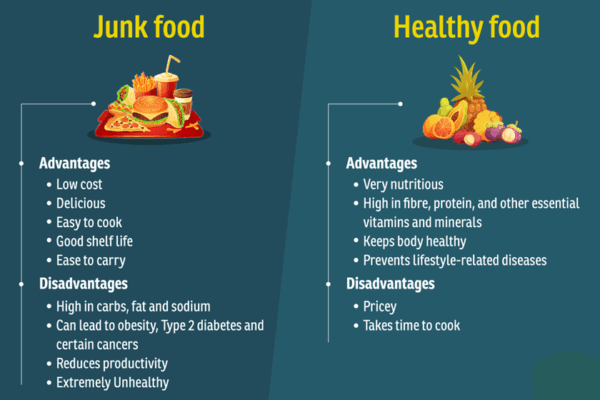
Healthy food is defined by its abundance of essential macronutrients (carbohydrates, proteins, and fats) and micronutrients (vitamins and minerals) necessary for the body to function properly. These foods are often whole, unprocessed, and devoid of artificial additives, promoting overall health and well-being.
The characteristics of healthy food include being rich in nutrients such as vitamins, minerals, fiber, and antioxidants, all of which play crucial roles in supporting bodily functions, boosting the immune system, and protecting against diseases. They are also low in unhealthy fats, sugars, and sodium, helping to maintain a balanced diet and reduce the risk of chronic health issues like heart disease and diabetes. Furthermore, healthy foods are minimally processed, preserving their natural nutritional value and avoiding the addition of harmful chemicals or preservatives.
Healthy food includes fruits, vegetables, whole grains, lean proteins like chicken or fish, and low-fat dairy products. These foods give us energy, help our muscles grow, and keep our bodies working well.
Junk food refers to foods that are high in calories, fat, sugar, and salt, but low in essential nutrients like vitamins, minerals, and fiber. These highly processed foods, such as burgers, chips, cookies, and soda, are not good for health if consumed too often, as they can lead to issues like weight gain, heart disease, diabetes, and other health problems.
So, before eating, think about whether your food is giving you good stuff like vitamins and energy, or if it’s just loaded with unhealthy things that can make you feel sluggish or cause health issues.
__
To make the difference between junk food and healthy food clear, here is a healthy food vs junk food chart.
|
Factor |
Healthy Food |
Junk Food |
|
Nutritional content |
Rich in vitamins, minerals, fiber and healthy fats |
High in calories, sugars, unhealthy fats and sodium. Low or no nutrients |
|
Processing |
Minimally processed. |
Highly processed with additives and preservatives |
|
Calorie density |
Low to moderate calorie density; nutrient dense |
High calorie density; low nutrients |
|
Ingredients |
Whole and natural ingredients |
Refined and synthetic ingredients with no nutritional value |
|
Sugar content |
Low in added sugar, natural sweetness |
High in added sugars |
|
Health benefits |
Weight management, heart health, immunity, digestion and more |
Weight gain, high cholesterol, diabetes, heart diseases etc |
|
Fats |
Healthy fats like omega 3s, monosaturated fats |
Unhealthy fats like trans fats and saturated fats |
|
Fiber content |
High in fiber |
Low in fiber |
|
Mental health |
Supports mood stability and energy |
Negatively affects mood. Causes brain fog and increases anxiety |
|
Types of oil |
Healthy oils (olive, sunflower) |
Unhealthy fat (butter, lard) |
|
Satiety |
Keeps you full longer |
Temporary satisfaction, quick return of hunger |
|
Protein content |
High |
Low |
|
Antioxidants |
High |
Low |
__
Differentiating between healthy and unhealthy foods can be challenging, as it depends on a variety of factors such as nutritional value, portion size, and personal dietary needs. Here are some general guidelines that can help you make informed choices:
-1. Nutritional Value
Healthy foods are typically those that are nutrient-dense, meaning they are rich in essential vitamins, minerals, and other important nutrients such as fresh fruits, vegetables, whole grains, lean proteins, and healthy fats. Unhealthy foods, on the other hand, are typically high in calories, sugar, and/or saturated or trans fats, and low in essential nutrients. Make sure you check the labels of the healthy packaged food you pick off the shelf.
-2. Portion Size
Even healthy foods can become unhealthy if consumed in excess. Pay attention to portion sizes and aim to eat a balanced diet with a variety of foods from all food groups. Remember moderation is the key!
-3. Processing
Processed foods can often be high in added sugars, unhealthy fats, and sodium. Try to choose minimally processed foods, such as fresh fruits and vegetables, whole grains, and lean proteins, whenever possible.
-4. Personal Dietary Needs
The definition of healthy food can vary depending on individual dietary needs. For example, someone with celiac disease may need to avoid gluten, while someone with lactose intolerance may need to avoid dairy. If you are experiencing allergic reactions for any foods consult with your healthcare provider.
-5. Labels
For everything that comes in a package try to read food labels carefully to determine the nutritional value of the food you’re considering. Look for foods that are low in saturated and trans fats, added sugars, and sodium, and high in fibre and essential nutrients.
_____
Fibers: healthy food versus junk food:
For decades, researchers have understood the importance of a diet high in fiber to stay healthy, lower “bad” cholesterol and maintain a healthy weight. Fiber is a type of carbohydrate that the body cannot digest. The gut microbiome is made up of trillions of microorganisms in your gastrointestinal tract. Fiber acts as food for beneficial gut bacteria, fostering a diverse and thriving gut microbiome. When bacteria ferment fiber, they produce beneficial short-chain fatty acids (SCFAs), which nourish the gut lining and strengthen the immune system. High-fiber diets promote a healthy balance of gut bacteria, improve microbiome diversity, and reduce the risk of chronic diseases like type 2 diabetes, heart disease, and certain cancers.
Junk food typically lacks fiber because it is ultra-processed, stripping away natural fibers to increase shelf life or palatability, resulting in a diet high in calories, sugar, and fat but low in essential nutrients and fiber.
In earlier times, a person’s fiber intake was high due to less food processing. Today, most people don’t get enough fiber.
Current guidelines recommend:
25 grams a day for women
38 grams a day for men
Average fiber consumption among Americans: Only 17 grams a day. This means that most Americans are missing out on Fiber’s benefits.
Foods high in fiber include:
- Citrus fruits
- Apples
- Pears
- Most vegetables
- Beans and peas (legumes)
- Oatmeal and oat bran
- Wheat bran
- Whole-grain breads, pasta and cereals
_____
_____
Section-6
Junk food and the brain:
Current research indicates that the brain circuitry which controls eating in humans is regulated not only by homeostatic mechanisms, but also by the reward, emotion/memory, attention, and cognitive control systems (Figure below). These circuits interact to control energy intake and expenditure.
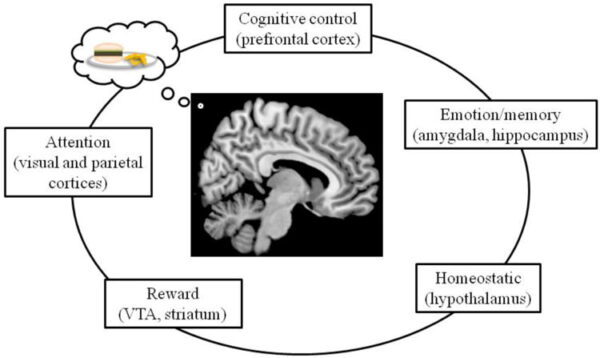
Control of eating in human brain is regulated by several systems including the homeostatic brain systems (hypothalamus), attention systems (including the parietal and visual cortices), emotion and memory systems (such as the amygdala and hippocampus), cognitive control (including the prefrontal cortex), and the reward network (including the VTA and striatum).
_
Psychology Today reports that good proteins, such as lean meats and nuts, are scientifically proven to improve your brain function. Fruits, vegetables, and whole grains, raw or steamed vegetables, nuts, and foods made with whole wheat all help with keeping your body and brain healthy. In contrast, research shows that junk food can decrease your memory function in the short-term, and increase your risk of dementia in the long-term. Basically, junk food rots your brain. It’s definitely not the type of food you want to be consuming when you’re trying to learn! Medical journals show that children who eat high levels of fast food are slower to develop academic skills than their peers. These findings were true across all academic subjects, but even more so when it comes to learning math. Junk food also leads to a lack of energy and focus—two crucial components of success in school. And yes, unfortunately the trend continues into adulthood and college.
_
There are various mechanisms by which eating unhealthy food affect our brain:
-1. Junk foods activate dopamine reward pathways:
The job of any organism is to understand how to navigate and make the best choices to obtain food in their environment. In early human history, when calories were scarce, we learned to use sensory cues—smell, sight, and location—to identify energy-rich foods. After eating, the brain stores that information along with how the food made us feel, creating a mental “database” of flavors and their effects. Essentially, when we eat, we’re subliminally integrating the external and internal worlds, which is what memory is. These signals influence dopamine release in the brain’s reward pathways. The brain then updates the value of a food based on this information and uses that data when you reencounter the flavor. So the next time you pass a bakery, for example, that internal record, or memory, activates, sparking a craving. Memories of fat and sugar are stored via separate pathways, both leading to dopamine. While most foods contain either fat or carbohydrates, ultra-processed foods contain both. Foods that combine these macronutrients can activate both paths simultaneously, potentially triggering an amplified reward response, which may help explain why such foods are tough to resist. When we eat junk foods the reward circuits within our brains activate and release the chemical dopamine. Our brains can become overwhelmed by the pleasure from these rewarding foods and in response, the brain adapts by downregulating dopamine receptors. This means a greater amount of junk food is needed to get the same “kick”, making us eat more, in the same way that an addict develops a tolerance to drugs. So, our brains are hardwired to seek out and want rewarding foods, making us crave and desire sweet and fatty foods.
-2. Junk food grabs our attention and make us impulsive:
We rapidly learn that these fatty, sugary junk foods are delicious and our attention is drawn to them when we see them. To resist the temptation, we need the major control centre in the brain – the prefrontal cortex. This area doesn’t mature until our early 20’s, which is a reason why teenagers can sometimes act impulsively. Recent research has also shown that consuming lots of sugary drinks when you are young could alter brain development. When adolescent rats were made to consume sugar water and then tested them on decision making tasks as adults, it was found that the sugar consuming adolescents found it harder to follow rules as adults. Combine this with the fact young brains are not yet functioning at an optimal level and it’s not surprising more and more young people are developing obesity.
-3. Junk food can inflame your brain:
Junk food is highly refined and contains very high levels of sugars and fats, more than many natural foods. In the same way as eating food you are allergic to can inflame your mouth; junk foods can cause a similar reaction in the brain. This is called neuroinflammation, and it sets off a self-perpetuating series of events leading to more inflammation that can damage brain cells called neurons. Australian researchers recently showed that as little as five days on a diet of sugary drinks, cakes and cookies caused increased levels of inflammation in the hippocampus. People with damage to the hippocampus report being hungry all the time. The hippocampus has been found to be important in receiving fullness-signalling messages from the gut, so eating a junk food diet can create a vicious cycle of damage to the neurons in the hippocampus, and the damage causes people to eat more and more.
-4. Junk food outsmarts our brains—by hiding in our memories:
New research reveals that memories of fatty and sugary foods are encoded in the hippocampus, helping explain why some cravings feel impossible to resist. Cravings may feel impulsive, but new research suggests they’re often rooted in memory. Scientists have found that the brain encodes high-calorie foods in a way that can quietly influence what we eat—even when we’re not hungry.
A recent study published in Nature Metabolism suggests that specific neurons in the hippocampus log the sensory and emotional details of calorie-rich food. In mice, these neurons triggered cravings, leading to overeating—even when the animals weren’t hungry. When researchers silenced these neurons, the rodents reduced their sugar intake and avoided diet-induced obesity.
Every animal needs to eat, so we get hunger drives to help with our survival. Traditionally, scientists have distinguished between metabolic hunger—the body’s need for energy—and hedonic hunger, which arises when food looks or smells tempting. But this study adds a third layer: memory-driven hunger. Though the research was conducted in animals, it supports a growing body of evidence that memories of fat and sugar can quietly shape our eating behavior—often without our awareness. And in a world where high-calorie foods are everywhere, those neural patterns may help explain why some cravings feel impossible to resist.
-5. Junk food shrinks the brain’s learning capabilities:
The hippocampus is the memory centre of the brain and researchers have found that people who eat lots of junk food don’t perform as well as those who eat healthy diets in simple memory tests. Our experiences are stored as memories, which are formed in the brain through connections between neurons which are constantly being reorganized in response to the dynamic environment we live within. This process can be described by the term neuroplasticity – or that “neurons that fire together, wire together”. Junk food laden diets have been shown to reduce neuroplasticity – which is essential for us to form new memories and learn new things rapidly.
According to the neuro-psychiatrist, one cause for increasing memory loss in youths was excessive consumption of junk food having unhealthy fats and sugars casting negative impact on memory and cognitive functions. Excessive consumption of junk food, especially during teenage years, can lead to long lasting memory impairments. Processed foods having unhealthy fat restrict blood flow to the brain, thereby affecting cognitive performance, including memory. Such youths experience both lack of short-term memory as-well-as long-term memory consolidation.
-6. Junk Food puts Memory at Risk:
According to 2025 study ‘Targeting glucose-inhibited hippocampal CCK interneurons prevents cognitive impairment in diet-induced obesity’; a special group of brain cells in the hippocampus, called CCK interneurons, become overly active after eating a high-fat diet (HFD), due to an impaired ability of the brain to receive glucose (sugar). This overactivity disrupts how the hippocampus processes memory, even after just a few days of high fat diet. This type of diet resembles typical Western-style junk food rich in saturated fat—like cheeseburgers and fries. The discovery also showed that a protein called PKM2, which controls how brain cells use energy, plays a key role in this problem. Research findings also highlight how sensitive memory circuits are to diet, underscoring the importance of nutrition in maintaining brain health. A high-fat diet, rich in saturated fats, could possibly lead to an elevated risk of developing neurodegenerative diseases, like dementia and Alzheimer’s, according to the study.
-7. Junk foods linked to cognitive decline:
Midlife hypertension, high cholesterol, obesity, diabetes, smoking, physical inactivity, and heavy drinking are all linked to an increased Alzheimer’s disease risk. The biological mechanisms of the association between ultra-processed food consumption and cognitive decline is complicated and could be explained from several aspects. Association between midlife intake of ultra-processed foods and later-life subjective cognitive complaints: Evidence from the New York University women’s health study, 2025 found that cognitive problems could be driven by the effects of rich fat and saturated fat in ultra-processed meat, fast food, and dairy products. Saturated fat and fatty acids in the ultra-processed foods could modulate gut bacterial profile. Increasing evidence suggests “that gut microbiome can affect cognitive function by bidirectional communication between the central nervous system and gastrointestinal tract,” reads the study.
_______
_______
Gut brain connection:
The gut-brain connection, or the gut-brain axis, is a bidirectional system of communication between the gut and the central nervous system, involving neural, immune, hormonal, and microbial pathways. It allows for complex interactions, where the brain influences the gut (e.g., stress can cause digestive issues) and the gut influences the brain (e.g., gut microbes producing neurotransmitters that affect mood). This connection is mediated by the enteric nervous system (the “brain in your gut”), the vagus nerve, and the gut microbiome, playing a critical role in overall physical and mental health.
The enteric nervous system (ENS) is referred to as our body’s “second brain” or “gut brain,” and facilitates gastrointestinal function. The ENS also sends signals to the brain that trigger changes in our mood, emotions and cognitive function. We’re starting to recognize more that the nutrients we get from healthy foods and beverages can enable us to think more clearly and feel better.
_
Brain-gut axis is a complex relationship that involves four main channels of communication between the brain and gut.
- The vagus nerve acts as a communication highway between the brain and gut;
- Gut microbes produce chemicals and metabolites that circulate in the blood to the brain;
- Gut microbes play an important role in inflammation and the immune system by controlling what is circulated in the body and what is excreted from the body;
- Endocrine cells produce hormones, neuropeptides and neurotransmitters.
_
Your GI tract is home to billions of bacteria that influence the production of neurotransmitters, chemical substances that constantly carry messages from the gut to the brain. (Dopamine and serotonin are two common examples.) Neurotransmitters are not only produced in the brain, but are also produced by gut cells. Serotonin is one of those neurotransmitters that is associated with mental health, and it’s produced by good bacteria. Up to 95% of serotonin is produced in the gut, so, we have to eat healthy foods to increase the presence of these good bacteria. Eating healthy food promotes the growth of “good” bacteria, which in turn positively affects neurotransmitter production. A steady diet of junk food, on the other hand, can cause inflammation that hampers production. When neurotransmitter production is in good shape, your brain receives these positive messages loud and clear, and your emotions reflect it. But when production goes awry, so might your mood.
_
To foster a healthy gut microbiome, consume a diverse diet rich in fiber (like whole grains, fruits, and vegetables), fermented foods (like yogurt and kimchi) containing probiotics, and prebiotic foods (such as garlic, onions, and bananas). Prioritize whole, unprocessed foods, aim for a variety of plant-based foods, and limit processed items, which can negatively impact gut bacteria. Dietary fiber is the key nutrient for maintaining the diversity of gut microbiota. Low microbiota diversity is associated with many chronicle inflammatory diseases such as obesity, diabetes, and IBD. A low-fiber, high-fat, high-protein diet is a main contributing factor to the depletion of fiber-degrading microbes in populations in industrialized countries. Besides maintaining the diversity of the gut microbiota, sufficient fiber in the diet helps maintain the integrity of the mucus barrier and eliminates the risk of pathogen infection.
_
You are what you eat:
Multiple studies show connection between nutrition and mental health. If you struggle with mood changes and other behavioral health issues, there’s a chance that your diet has something to do with it. Animal and human studies show us that the brain and gut microbiome are intimately connected. When most people think about mental health, they only think about the brain, but there is bi-directional communication between the gut and brain.
When somebody’s diet is rich with things like antioxidants, phytonutrients and fiber, we know that person is going to get a variety of different vitamins and minerals that support anti-inflammatory properties of the body. Those properties are then going to beneficially alter the neurotransmitters, which in turn affects mood and cognition.
There are studies that show the connection between highly processed foods and depression and anxiety. But be cautious when telling people to limit or restrict certain foods. That can add to their stress, which can lead to binge eating and also affect the gut microbiome.
Even so, there are certain types of foods that have been clearly linked to depression. These include what are known as ultra-processed foods, or UPFs. UPFs consist of carbonated drinks, sweet or savory packaged snacks, processed meats, candy, and fried fast food. Enjoying such food occasionally won’t have a negative impact on your mental health or mood, as long as you’re following a healthy dietary pattern.
Though the relationship between diet and mental health is complex, the correlation is clear. If you have an unhealthy gut microbiome, chances are you will have an unhealthy brain.
______
______
Palatability and hyper-palatability:
Palatability (or palatableness) is the hedonic reward (which is pleasure of taste in this case) provided by foods or drinks that are agreeable to the “palate”, which often varies relative to the homeostatic satisfaction of nutritional and/or water needs. The palatability of a dish or beverage, unlike its flavor or taste, varies with the state of an individual: it is lower after consumption and higher when deprived. It has increasingly been appreciated that this can create a hunger that is independent of homeostatic needs.
Brain mechanism:
The palatability of a substance is determined by opioid receptor-related processes in the nucleus accumbens and ventral pallidum. The opioid processes involve mu opioid receptors and are present in the rostromedial shell part of the nucleus accumbens on its spiny neurons. This area has been called the “opioid eating site”.
The rewardfulness of consumption associated with palatability is dissociable from desire or incentive value which is the motivation to seek out a specific commodity. Desire or incentive value is processed by opioid receptor-related processes in the basolateral amygdala. Unlike the liking palatability for food, the incentive salience wanting is not downregulated by the physiological consequences of food consumption and may be largely independent of homoeostatic processes influencing food intake.
Satiety and palatability:
Appetite is controlled by a direct loop and an indirect one. In both the direct and indirect loops there are two feedback mechanisms. First a positive feedback involving its stimulation by palatability food cues, and second, a negative feedback due to satiation and satiety cues following ingestion. In the indirect loop these cues are learnt by association such as meal plate size and work by modulating the potency of the cues of the direct loop. The influence of these processes can exist without subjective awareness.
The cessation of a desire to eat after a meal “satiation” is likely to be due to different processes and cues. More palatable foods reduce the effects of such cues upon satiation causing a larger food intake, exploited in hyperpalatable food. In contrast, unpalatability of certain foods can serve as a deterrent from feeding on those foods in the future.
_
Hyperpalatable food:
Hyperpalatable food (HPF) combines high levels of fat, sugar, sodium, and/or carbohydrates to trigger the brain’s reward system, encouraging excessive eating. The concept of hyperpalatability is foundational to ultra-processed foods, which are usually engineered to have enjoyable qualities of sweetness, saltiness, or richness. Hyperpalatable foods can stimulate the release of metabolic, stress, and appetite hormones that play a role in cravings and may interfere with the body’s ability to regulate appetite and satiety.
A team at the University of Kansas analysed databases from the United States Department of Agriculture to identify the most common descriptive definitions for hyperpalatable foods.
They found three combinations that most frequently defined hyperpalatable foods:
-1. Foods with more than 25% of calories from fat plus more than 0.30% sodium by weight (often including bacon, cheese, and salami).
-2. Foods with more than 20% of calories from fat and more than 20% of calories from simple sugars (typically cake, ice cream, chocolate).
-3. Foods with more than 40% of calories from carbohydrates and more than 0.20% sodium by weight (many brands of pretzels, popcorn, and crackers).
_
Neurobiology:
Hyperpalatable foods trigger the release of dopamine in areas like the nucleus accumbens (NAc), creating strong positive feelings and reinforcing the desire to eat them again. When these foods are consumed, the neurons in the reward region become very active, creating highly positive feelings of pleasure so that people want to keep seeking these foods regularly. Hyperpalatable foods can also modify the release of hormones that regulate appetite, stress, and metabolism.
Normally when eating a meal, appetite hormones are released from the digestive tract (e.g. glucagon-like peptide and cholecystokinin) and from fat cells (e.g. leptin), which cause feelings of fullness and communicate with the brain to stop eating. If the body has not received food for several hours, ghrelin is released from the stomach to signal hunger. Eating hyperpalatable foods too often might interfere with how the brain processes these hormonal signals so that one may feel continued cravings despite having eaten enough food. Animal studies have shown that brain signals can become disrupted when eating a very high sugar or high fat diet, which may trigger the release of hormones that reduce stressful emotions and therefore lead to a habitual desire for these foods.
_
Items ranging from crisps, chocolate bars and soft drinks, to some apparently healthy options such as flavoured yoghurts and branded breakfast cereals, are often described by food experts as being “hyperpalatable”. This means that they have been carefully formulated within the laboratories of major food companies, often through decades of extremely clever chemistry. They are then trialled on tasting panels to discover the precise sweet spot for sugar, salt and other ingredients that will make people eat as much as possible and boost sales by maximising their addictive potential. Hyperpalatable foods are designed with combinations of taste-inducing ingredients, particularly fat, sugar, and salt. The combination of these ingredients together works well beyond what any single ingredient could produce alone. Almost all of us are exposed constantly in our everyday lives to these hyperpalatable, unhealthy foods that are difficult to stop eating.
According to Chris van Tulleken, an associate professor at University College London and author of the book Ultra-Processed People, one of the biggest tricks behind many common ultra-processed foods is a careful balance of opposing tastes which encourages us to accept far more of a particular ingredient such as salt or sugar, than we otherwise would. As an example, to understand some of the basic processes behind Coca-Cola and other fizzy drinks, he suggests an experiment. Take a glass of tap water, add sugar to it and initially this becomes less, not more, palatable. But if you add a drop of phosphoric acid, make the drink bubbly and cold, and then add a tiny bit of any flavour from citrus juice to vanilla extract, you can mask a dose of sugar that your body would normally reject.
But it isn’t just the underlying ingredients. From appealing packaging and cartoon characters on cereal boxes, to the sensations they create within our mouths, the combined experience is crucial to how ultra-processed foods hack our brain chemistry. It’s not just the sugar and the flour, it’s the crunch of the food, it’s the visual look, it’s the additives that create the mouthfeel, and all of these characteristics are hitting a brain chemical called dopamine on multiple levels. The processed food industry probably understands more about the brain and how to make foods extremely enticing than anyone else.
_______
_______
Bliss point:
The bliss point is the amount of an ingredient such as salt, sugar or fat which optimizes deliciousness (in the formulation of food products). Pioneering work on the bliss point was carried out by American market researcher and psychophysicist Howard Moskowitz, known for his successful work in product creation and optimization for foods ranging from spaghetti sauce to soft drinks. Moskowitz used the term, bliss point, to describe “that sensory profile where you like food the most.” The bliss point for salt, sugar, or fat is a range within which perception is that there is neither too much nor too little, but the “just right” amount of saltiness, sweetness, or richness. The human body has evolved to favor foods delivering these tastes: the brain responds with a “reward” in the form of a jolt of endorphins, remembers what we did to get that reward, and makes us want to do it again, an effect run by dopamine, a neurotransmitter. Endorphins when released, trigger the release of dopamine, the “feel-good” or reward neurotransmitter that creates motivation and feelings of pleasure. The human body needs salt for balancing fluids, sugar for energy, and fat for composing the brain. Besides the physical and taste need for sugar, salt, and fat, foods that contain high amounts of these ingredients are typically visually appealing. The visual appeal can override suppressing appetite hormones for many people to consume these goods. Combinations of sugar, fat, and salt act synergistically, and are more rewarding than any one alone. In food product optimization, the goal is to include two or three of these nutrients at their bliss point.
_
How junk food is engineered to be ‘just right’:
Ever noticed that no matter how full you feel after a meal, you can always make room for dessert? This is most likely down to a psychological phenomenon called ‘sensory-specific satiety’. As we consume more of a particular flavour, our taste buds slowly get increasingly tired, and we stop eating that food. When presented with a new flavour, we get more reward, so we continue eating.
We can see this concept in action at an all-you-eat buffet; we’re likely to eat more because there are various flavours to keep our taste buds interested.
However, our taste system can be tricked when salt, fat, and sugar are carefully combined in expertly measured amounts to be ‘just right’. See figure below. At this point, we keep returning for more, even when our bodies tell us to stop because we are experiencing pleasure. Moskowitz coined this as the ‘bliss point’ – the exact measures of fat, sugar, and salt that make our taste buds tingle and override the brain’s natural ‘stop’ signals. This bliss point plays a significant role in why we crave certain addictive foods, such as ice cream and crisps. Even in the most strong-willed individuals, these cravings can seem impossible to resist.
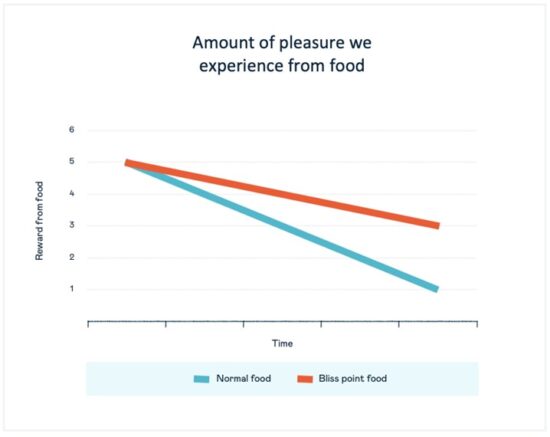
The more we eat one type of food the less rewarding we find the taste. Foods that hit the bliss point override the brain’s natural ‘stop’ signal and keep providing us with pleasure. This leads to us wanting more and more of that enticing food.
_
The science behind the bliss point:
Our bodies respond to foods that hit the bliss point by triggering reward pathways in our brains and encouraging dopamine signalling.
Dopamine is a neurotransmitter (chemical messenger) in the brain that is involved with feelings of euphoria, bliss, motivation, and pleasure. This is a feeling of pleasure that acts like a high, and we keep coming back for more. This leads to a perpetual cycle of cravings, eating more junk, weight gain, and more cravings!
A study demonstrated that when rats eat sugars and fats separately, their brains send messages to stop when they’re full. However, when combined in a deliciously decadent duo, their pleasure receptors went into overdrive, overpowering that internal stop switch. See figure below. On top of this, the more bliss-point foods the rats consumed, the more they had to eat to get that same pleasure hit next time.
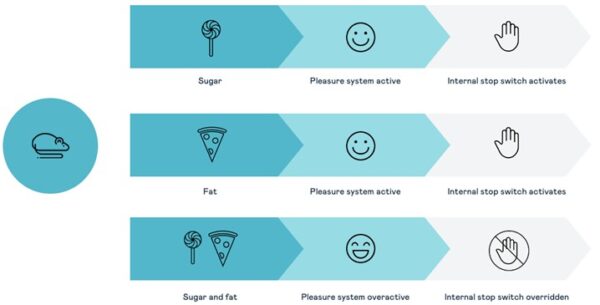
Research has shown that sugar encourages the same addictive behaviour as some drugs, overriding our ability to realise when we’re full.
So, it’s no wonder that only eating one biscuit is challenging when sugar is combined with salt and fat to reach the bliss point.
_
What foods are the main culprits?
You might be surprised about which foods are the culprits. Some obvious bliss-point items include:
- Cakes
- Biscuits
- Doughnuts
- Ice cream
- Crisps
- Muffins
- Chocolate
- Sweets
However, it’s more than just the obvious foods. Next time you pick up a jar of tomato sauce at the supermarket, stop to look at the ingredients and see just how much sugar and salt are hidden inside. Less obvious bliss-point foods include:
- Sauces
- Dressings
- Dips
- Soups
- Bread
- Cereal bars
Surprisingly, all these products can contain that longed-for trio of salt, sugar, and fat that keeps us coming back for more.
_
If you can’t stop eating junk food, this is because the food industry has done extensive research to develop the perfect ‘bliss point’ of foods that trigger the most significant reward signals in your brain. The neurotransmitter that we call dopamine increases every time we eat these foods or every time we see or think about them. Dopamine is our motivation hormone; it instructs the brain to repeat a rewarding behaviour. The perfect combination of sugar, salt, fat, and artificial flavourings and sweeteners in ultra-processed food leads to large dopamine spikes in the brain, making you want to continue eating them.
_
Can bingeing on junk food alter brain activity?
Yes, junk food bingeing can modify brain activity in a pattern that is like drug addiction. Highly processed, high-sugar, high-salt, and high-fat foods activate the reward system of the brain, which releases dopamine, the “feel-good” neurotransmitter. As time passes, the brain loses sensitivity to dopamine, so individuals need more junk food to feel the same high. This is a process known as neuroadaptation, and it can make it more challenging to avoid junk food. According to research, frequent bingeing on junk foods erodes self-control by harming the prefrontal cortex, the region responsible for decision-making and impulse control. It also sharpens brain circuits that promote desire, and the harder it is to fight overeating.
_______
_______
Junk food craving:
A craving is an urge or powerful desire – it is something you feel when you are hungry. When a substance like drugs or alcohol or engagement in a behavior is viewed as a vital part of daily routine – an absolute need in your life – it becomes a craving. Unfortunately, using drugs or alcohol or engaging in a particular behavior may temporarily relieve the craving, but it can create a continuous cycle that leads to more cravings.
How can you tell when a craving is developing into addiction?
While a craving is a powerful desire, addiction is the continued use of a substance or engagement in a behavior regardless of negative impacts such as problems in relationships, health problems, or even harm.
Cravings are one sign of an addiction problem. Individuals addicted to drugs, alcohol or behaviors also experience other symptoms, like not being able to stick to limits, increased tolerance and continued use despite negative consequences. The simplest way to define addiction is when the four C’s are present: compulsion, craving, consequences, and control loss.
_
A food craving (also called selective hunger) is an intense desire to consume a specific food, and is different from normal hunger. It may or may not be related to specific hunger, the drive to consume particular nutrients that is well-studied in animals. In studies of food cravings, chocolate and chocolate confectioneries almost always top the list of foods people say they crave; this craving is referred to as chocoholism. The craving of non-food items is called pica.
A food craving is a strong desire to eat a particular type of food. This desire can seem uncontrollable, and the person’s hunger may not be satisfied until they get that particular food. Food cravings are common. One research found that 97% of women and 68% of men reported experiencing food cravings.
There is no single explanation for food cravings, and explanations range from low serotonin levels affecting the brain centers for appetite to production of endorphins as a result of consuming fats and carbohydrates. Ghrelin, the “hunger hormone,” increases when people skip meals and is often experienced by people who suffer from chronic conditions, both of which impact the appetite signals in the hypothalamus.
_
There is no way to justify unhealthy junk food, then why do we still crave it?
We keep reading about how harmful junk food can be for our health, it can lead to cardiovascular diseases, obesity, diabetes, and a myriad of other health problems. But, most of us are unable to control these cravings.
-1. Hyperpalatability:
Fast-food companies spend millions of dollars in research and development to make these foods hyper palatable. Because let’s face it, when people have cravings, they don’t crave broccoli or a healthy salad; they usually crave candy, ice cream, cake, and the like. Companies invest a lot in artificial flavors, food colorings, dyes, and preservatives to enhance the foods’ taste and the appearance. They engineer food by focusing on the smell, the crunch factor, the texture, the taste, and the colorful look and appeal. The food industry has done extensive research to develop the perfect ‘bliss point’ of foods that trigger the most significant reward signals in your brain.
-2. Evolutionary lens:
New research published in Food Quality and Preference provides evidence that people are more visually drawn to high-calorie foods when they anticipate future scarcity, especially in contexts that feel unstable or resource-poor. Using eye-tracking technology, the study showed that participants were quicker to fixate on, looked longer at, and rated high-calorie foods as more desirable—particularly if they imagined living in a world marked by economic uncertainty.
Across evolutionary history, the threat of food shortages has shaped human behavior in powerful ways. When resources are uncertain, people tend to seek out energy-dense foods that offer more calories per bite. This tendency may have been adaptive in ancestral environments, where finding enough food was often a matter of survival. Today, this ancient preference may still influence eating behavior—especially in environments that signal danger, poverty, or instability.
Evolutionary perspectives on eating behavior suggest that humans have always faced harsh environments, and prioritizing energy dense foods is a solution to a recurring adaptive problem of food insecurity. If we think about food through an evolutionary lens, our ancestors lived in environments where food was scarce, and therefore energy-dense foods that were high in calories, fat, and sugar were valuable for survival. But in those times, the food that was available might have been fruits, berries, nuts, seeds; foods that were nutrient-dense, not energy-dense. What has happened in modern times is that previously healthy whole foods have been largely replaced by ultra-processed foods, which are high in pure sugar, high-fructose corn syrup, salt, and the wrong types of fats.
The reasons that our bodies crave these foods is because they are loaded with ingredients that tap into the pleasure centers in our brain, the so-called dopamine reward pathway, which is the same pathway that street drugs like cocaine tap into. When we consume ultra-processed foods that are highly palatable, such as highly sugary foods or sodas and so on, the dopamine, which is the feel-good neurotransmitter, makes you feel better in the short term, and it reinforces that loop of you wanting to eat it again. People focus on the short-term effect and dismiss the long-term consequence: Junk food damages the gut microbiome and harms your mental health. It causes inflammation, lowers your mood, and increases your anxiety.
When we crave junk foods, along with the anticipatory release of dopamine in the brain, our stomach is producing ghrelin, known as the hunger hormone, which makes us seek out that calorie-dense junk food. And after we satisfy our craving, dopamine is released again, which creates this positive reinforcement loop. There is another neurotransmitter at play, serotonin, also called the happiness hormone. Some of the foods that we crave are loaded with carbohydrates, which can increase serotonin. In the short term, these foods can make us feel slightly better, but it’s a temporary mood boost followed by a letdown that makes us feel depressed and anxious. Another neurochemical in action is the hormone leptin, which signals our body that we should stop eating. But ultra-processed foods can interfere with the signaling, especially if people consume ultra-processed foods all the time because the hormone simply stops working. People can develop something called leptin resistance, which can lead to overeating.
-3. Stress:
The problem is compounded when people feel stressed and anxious, and they reach out for a bag of candy or a bag of chips. The stress precipitates habit circuits in the brain. The body produces a hormone called cortisol in response to stress, which blocks the release of leptin and insulin, increasing hunger. This is why when we are stressed, we are more likely drawn towards high-energy foods, such as cakes and sweets. In the short term, these foods can make us feel slightly better, but it’s a temporary mood boost followed by a letdown that makes us feel depressed and anxious.
-4. Lack of sleep:
Studies suggest that sleep deprivation is associated with increased hunger (especially snack and sweet cravings). And you can blame it on your hormones. Lack of sleep causes hormone shifts:
- Ghrelin, the hunger-control hormone, increases, causing you to eat more.
- Leptin, the appetite-suppressing hormone, decreases.
- Cortisol, the stress hormone, may increase, stimulating your appetite.
- Research shows that sleep deprivation causes an increase in overall hunger, which can lead to cravings of sugar, fat or both.
-5. Eating too quickly:
Ever wondered why everyone says to chew your food 32 times before you swallow? Well, 32 is a far-fetched number, because nowadays people target to finish their entire meals within a span of 5-10 mins! That’s how busy our life and schedule have become. More importantly junk food are often consumed quickly because it’s designed to be highly palatable and rewarding. Eating too quickly can create miscommunication between the gut and the brain, whereby signals of satiety to the brain can be missed leading to over-eating. When you don’t get that signal, you may just keep eating. It takes about 20 minutes for the signals to travel from stomach to brain telling you that you’re full. When we eat too fast, it’s easy to ignore those satiety cues and continue to eat long past when we’re actually full. Not surprisingly, overeating on a regular basis is likely to lead to weight gain.
Dr. Robert Hyde’s theory of “vanishing caloric density” explains why foods that quickly disappear in your mouth are more rewarding. The brain perceives that fewer calories are being consumed, encouraging overeating. This is why foods like popcorn, cheese puffs, and ice cream are so easy to overindulge in, feeding into junk food addiction.
______
Is craving for junk food inherited?
Mothers who eat junk food during pregnancy may be condemning their children to crave the same diet, according to animal tests. Royal Veterinary College researchers found that when pregnant rats were fed a diet of biscuits, crisps and sweets, their babies ate more unhealthy food. British Journal of Nutrition study showed the rats’ behaviour was “programmed” in the womb. The researchers suggested that the “pleasure chemicals” released by the mother when eating fatty foods might have an effect on the developing brain of the foetus.
Scientists have already shown that, in humans, diet in early life can literally shape your future, setting your risk of obesity and heart disease. However, the latest research suggests that, in rats at least, eating too much of the wrong food while carrying a child could be potentially harmful.
Professor Neil Stickland, who headed the research, said: “The government is trying to encourage healthier eating habits in school, but this shows that we need to start during the foetal and suckling life. Future mothers should be aware that pregnancy and lactation are not the time to over-indulge on fatty and sugary treats on the assumption that they are ‘eating for two’.”
However, Fiona Ford, a research nutritionist from the University of Sheffield, said that in the absence of strong evidence that the same effect was present in humans, it would be wrong to make women feel guilty about eating some unhealthy snacks during pregnancy.
______
______
Brain insulin responsiveness and junk foods:
Insulin is not just for blood glucose regulation; insulin also exerts a dramatic influence on brain function. Inside the brain, insulin controls appetite, thinking, and memory. It binds to insulin receptors in areas like the hypothalamus, which dictates hunger. Normally, when insulin is functioning correctly, it deploys a signal of satiety, reducing hunger. But with insulin resistance (a frequent occurrence in obesity and diabetes), brain cells become resistant to insulin. This leads to greater hunger, binge eating, and difficulty in controlling body weight. Insulin also promotes brain health by increasing neuron survival and reducing inflammation. Defective insulin action in the brain has been linked to cognitive decline and Alzheimer’s disease.
_
A short-term, high-caloric diet has prolonged effects on brain insulin action in men: a 2025 study:
Brain insulin responsiveness is linked to long-term weight gain and unhealthy body fat distribution. Here authors show that short-term overeating with calorie-rich sweet and fatty foods triggers liver fat accumulation and disrupted brain insulin action that outlasted the time-frame of its consumption in healthy weight men. Hence, brain response to insulin can adapt to short-term changes in diet before weight gain and may facilitate the development of obesity and associated diseases.
To better understand the effects of insulin on the brain, the researchers recruited 29 healthy male volunteers.
Splurging on fatty foods such as chocolate bars, crisps, and other junk foods for just five days can lead to lingering changes in brain activity, according to this study. They found that those who consumed extra junk food had similar brain activity as individuals who struggle with obesity and insulin resistance. The results also showed an increase in liver fat. And these changes didn’t just go away after the week-long experiment. Even after reverting to their typical diets for another week, the participants who consumed junk food showed reduced activity in brain regions linked to memory and visual food cues.
Key Takeaways:
- Brain insulin responsiveness was disrupted, mirroring patterns seen in individuals with obesity.
- Liver fat increased, a known precursor to metabolic disease.
- Brain regions linked to reward and decision-making showed altered activity, reducing sensitivity to rewards and increasing sensitivity to punishments.
- Even after returning to a normal diet, brain insulin responsiveness remained impaired, particularly in areas related to memory and cognition.
- Changes occurred without weight gain or peripheral insulin resistance, suggesting that brain insulin dysfunction could precede metabolic disorders.
_
What are Practical Implications:
Above findings underscore the immediate effects of diet on brain function, with implications as follows:
- Mindful Eating Matters: Even short-term unhealthy eating can have lasting consequences. Avoiding frequent binge episodes may help maintain cognitive and metabolic health.
- Food Choices Affect Brain Function: Prioritizing nutrient-dense whole foods supports brain insulin sensitivity and reduces the risk of metabolic dysfunction.
- Junk Food Alters Cravings: Disruptions in reward processing may make it harder to resist future cravings, emphasizing the importance of balanced meals with adequate protein and fiber.
- Short-Term Damage Persists: Returning to a normal diet does not immediately reverse brain function changes, highlighting the need for consistent dietary habits.
The link between diet and brain function is becoming clearer. Food choices don’t just impact the body—they shape the way our brain regulates hunger, decision-making, and metabolism.
______
______
Section-7
Junk food addiction:
In a legal proceeding two decades ago, Michael Szymanczyk, the chief executive of the tobacco giant Philip Morris, was asked to define addiction. “My definition of addiction is a repetitive behavior that some people find difficult to quit,” he responded. Mr. Szymanczyk was speaking in the context of smoking. But a fascinating new book by Michael Moss, an investigative journalist and best-selling author, argues that the tobacco executive’s definition of addiction could apply to our relationship with another group of products that Philip Morris sold and manufactured for decades: highly processed foods.
In his new book, “Hooked,” Mr. Moss explores the science behind addiction and builds a case that food companies have painstakingly engineered processed foods to hijack the reward circuitry in our brains, causing us to overeat and helping to fuel a global epidemic of obesity and chronic disease. Mr. Moss suggests that processed foods like cheeseburgers, potato chips and ice cream are not only addictive, but that they can be even more addictive than alcohol, tobacco and drugs. The book draws on internal industry documents and interviews with industry insiders to argue that some food companies in the past couple of decades became aware of the addictive nature of their products and took drastic steps to avoid accountability, such as shutting down important research into sugary foods and spearheading laws preventing people from suing food companies for damages.
_
The concept of food addiction remains controversial. Some researchers question whether food or eating can be addictive if it is necessary to our survival, while others point out the common biological (e.g., brain reward pathways, ΔFosB expression), behavioral (e.g., relapse, using more than intended), and psychological (e.g., preoccupation, impaired control) similarities between the compulsive consumption of highly palatable foods and use of addictive drugs. Nevertheless, critics and proponents alike agree that more research is needed to confirm the validity of food addiction. Food addiction is defined as a construct indicating addictive-like compulsive overeating, characterized by cravings and difficulties in abstaining from hyperpalatable foodstuffs, akin to substance dependence criteria. It encompasses both physiological and behavioral dimensions of addiction to food.
_
That certain foods can trigger addictive behavior consistent with substance-use disorders (SUDs) is accepted by many addiction scientists and supported by evidence of neurobiological overlap with the brain circuits and molecular targets implicated in ‘classical’ drug addictions. Yet addiction to ultra-processed food is not formally recognized by medical classification systems, including the Diagnostic and Statistical Manual of Mental Disorders (DSM) and the International Classification of Diseases (ICD). This is an oversight with major consequences for public health. While not officially diagnosable in the Diagnostic and Statistical Manual of Mental Disorders, 5th Edition (DSM-5), the medical legitimacy of food addiction continues to gain support from industry professionals. According to research utilizing the Yale Food Addiction Severity Scale (YFAS), a measure created to mimic the DSM-5 criteria for substance abuse, roughly 20% of the global population qualifies as having a food addiction. Food addiction represents a behavioral addiction, displaying a loss of control over food consumption. While yet to be integrated into the Diagnostic and Statistical Manual (DSM) for substance addition, the connection between eating disorders and substance misuse disorders has been extensively studied. The DSM states that a minimum of three addictive qualities must be identified for diagnosis. Food addiction includes the following diagnostic components: loss of control, tolerance, hindrance of engaging in other activities, unsuccessful with reducing consumption, psychological problems, and distress.
_
Publications from 2009., 2011., 2016., 2018., and 2019., among others, have highlighted that palatable foods — or even foods in general — stimulate the same parts of the brain and share the same neuronal activities as illicit substances. The hippocampus, caudate, and insula are three brain regions that researchers have pinpointed as being implicated in this relationship. The intake of appetizing food is primarily under the control of the limbic system and stimulates endogenous opioids release, which binds to the opioid receptors present in the ventral tegmental area (VTA). VTA activates dopaminergic neurons in the brain, and in the nucleus accumbent, the site of dopamine release to potentiate dopamine signaling pathway (Bergevin et al., 2002; Fields and Margolis, 2015; Berridge, 1996). The stimulation of the dopamine signaling pathway by opioid interactions is thought to be involved in the mediation of the short-term pleasurable sensation linked with the consumption of appetizing food (Bodnar et al., 2005; Bodnar, 2015).
_
To test the Yale Food Addiction Scale, Gearhardt and her colleagues used functional magnetic resonance imaging to examine the brains of 48 women as they viewed images of a chocolate milkshake and again when they sipped a milkshake. When participants who met the criteria for food addiction saw the milkshake pictures, they showed high levels of activation in brain areas associated with craving and motivation, including the caudate and the medial orbitofrontal cortex. They also found that the addicted women’s brains were less active in the lateral orbitofrontal cortex, a region associated with self-control, while they were actually drinking the shake. “The findings suggest that besides behavioral similarities among people who might be addicted to food and those addicted to other substances, there may be potentially similar biological underpinnings as well,” Gearhardt says.
The research also suggests that people with food addictions respond to food cues in much the same way that alcoholics respond to drinking cues. That initial stimulus — a picture of a pizza, a smoky bar — sparks deep-seated cravings in both cases, she says. Also, the dulled restraint-related brain activity that takes place when a food-addicted person drinks a milkshake may parallel what happens with alcoholics who take a sip of alcohol and then can’t stop drinking, the findings suggest. The team was shocked at the strength of the findings, which showed medium to large effect sizes both in food addicts’ sighting of cues and in consumption, says Gearhardt.
In 2022 Gearhardt and DiFeliceantonio published an opinion piece in the journal Addiction arguing that highly processed foods should be classified as addictive based on a 1988 Surgeon General report on tobacco products. That document outlined scientific evidence behind cigarettes’ addictive nature, including their psychoactive effects and potential to trigger compulsive use. Similar evidence, the scientists argue, already exists for ultraprocessed foods. “If we apply that same criteria to this specific class of foods, it meets every single checkbox,” Gearhardt says.
_
Tolerance and withdrawal — the hallmarks of addiction found in junk food addiction:
When a person repeatedly does something that releases dopamine in the reward system, such as smoking a cigarette or eating a Snickers bar, dopamine receptors can start to downregulate. If the brain observes that the amount of dopamine is too high, it begins removing dopamine receptors to keep things balanced. When there are fewer receptors, more dopamine is needed to reach the same effect, which causes people to start eating more junk food to reach the same level of reward as before. This is called tolerance.
If there are fewer dopamine receptors, the person will have very little dopamine activity and start to feel unhappy when they don’t get a junk food “fix.” This is called withdrawal.
Tolerance and withdrawal have been associated with addictive disorders.
Multiple studies in rats show that they can become physically addicted to junk food in the same way that they become addicted to drugs of abuse.
_
A recent systematic review examined the total prevalence of food addiction in people all over the world. Some interesting findings from this review emerged:
- The global prevalence of food addiction is 19.9%.
- Females (12.2%) had higher rates of food addiction than males (6.4%).
- Overweight/obese people (24.9%) had higher rates of food addiction than normal weight people (11.1%).
- People with an eating disorder had much higher rates of food addiction (57.6%) than people without an eating disorder (16.2%).
Some people think that food addiction is just another term for binge-eating disorder. The evidence does not support this, because more than 40% of people with binge-eating disorder do not receive a diagnosis of food addiction. This suggests that the food addiction construct is not entirely overlapping (or explained by) binge-eating disorder.
_
The most addictive foods:
The foods that people are most likely to compulsively overeat tend to have something in common: A powerful combination of carbohydrates (such as refined grains and/or sugar) and fat. You won’t find many examples of this irresistible combo in nature. For example, rice is high in carbohydrates but low in fat, while nuts are high in fat but have minimal carbs. But processed food companies can mix ingredients and chemically exaggerate flavors to create taste sensations so appealing that you keep wanting more.
In a study where researchers asked people what foods they were most likely to overeat, some of the most common responses were:
- Chocolate.
- Ice cream.
- French fries.
- Pizza.
- Cookies.
- Chips.
- Cake.
- Cheeseburgers.
_
Here are some symptoms of junk food addiction:
-1. Frequently get cravings for certain foods, despite feeling full and having just finished a nutritious meal.
-2. When you give in and start eating food you craved, you often find yourself eating much more than intended.
-3. When you eat food you craved, you sometimes eat to the point of feeling excessively stuffed.
-4. You normally feel guilty after eating particular foods yet find yourself eating them again soon after.
-5. You sometimes make excuses in your head about why you should eat something that you’re craving.
-6. You have repeatedly but unsuccessfully tried to quit eating certain foods or set rules for them, such as cheat meals or days.
-7. You usually hide your consumption of unhealthy foods from others.
-8. You feel unable to control the consumption of unhealthy foods despite knowing that they cause you physical harm, including weight gain.
______
______
Why is food addiction controversial?
Food addiction remains a controversial topic in the scientific community. The concept is driven in part by concerns surrounding the increasing rates of obesity in the United States and elsewhere in the world. Food addiction. is a concept that researchers use to describe compulsive eating habits in humans, which may resemble addiction-like behaviors. Research indicates. that some individuals may be more likely than others to experience addiction to palatable foods — meaning foods that are high in fat and sugar. Other studies. suggest that those who may experience food addiction exhibit “seeking” behaviors, as well as other symptoms and cravings similar to those that people typically experience as part of a substance use disorder.
Despite the existing research, food addiction remains a controversial topic in the scientific community due to inconclusive evidence from numerous studies.
Here are some of the related controversies:
-1. The brain on food vs. drugs: A crucial distinction:
Many studies that argue that food addiction is a real phenomenon focus on the similarities. between food cravings and cravings for illicit drugs. However, the concept of food addiction raises the important question: If foods can become addictive, are they bad for us? Although both foods and drugs stimulate the reward system and pleasure center in the brain, foods do not exert the same pharmacological effect as drugs. Also, people consume foods very regularly and in complex combinations. This makes quantification difficult and blurs the line between use and misuse.
-2. Which nutrient is the drug?
Not only is it difficult to classify the misuse of foods, but researchers have not yet determined which nutrient or combination of nutrients causes food addiction. Studies in rats have identified that a diet high in fat and sugar — as many processed foods are — can induce addiction-like behaviors. Some believe that the presence of sugar in the gut may be the causative nutrient, but this remains unproven. More rigorous, long-term studies in humans are necessary to pinpoint any problematic nutrients.
-3. Obesity, palatable foods, and food addiction:
Some studies suggest that food addiction is a plausible cause of obesity, and the food addiction model even emphasizes being overweight or having obesity as one of the clinical criteria.
Some researchers have also associated food addiction with certain eating disorders, particularly binge eating disorder (BED). However, one review highlighted that a substantial number of individuals with BED do not have obesity and that most people with obesity do not experience disordered eating or food addiction symptoms. This brings the ability of YFAS to diagnose food addiction into question, and some researchers suggest that this scale simply identifies eating disorders and not an addiction. Furthermore, palatability is not necessarily a factor in overconsumption and obesity, as one review reported that even a nonpalatable food — meaning one that is not high in fat or sugar — can become the subject of food cravings.
-4. Yo-yo dieting as the cause of food addiction?
Many weight loss strategies have low success rates, and popular weight loss diets can be quite restrictive.
Although nutrition deprivation is not necessary to cause food cravings and overconsumption, switching between various diets and regularly restricting food potentially causes food addiction behaviors.
______
______
Scientific Evidence for Food Addiction:
Most of the evidence supporting the concept of food addiction is biological in nature, with some behavioural evidence also available.
Here are some of the key findings from studies that support the notion of food addiction:
-1. Evidence shows that various processed (“junk”) foods and illicit drugs take advantage of the same neurobiological systems in the brain, namely the dopamine and opiate systems. Both systems are responsible for the perceived value of reward from both food and drugs.
-2. Damage to the dopaminergic system has been shown to reduce the reward value of both sugary-rich foods and illicit drugs.
-3. Positron emission tomographic (PET) imaging studies have also shown that both obese individuals and drug dependent individuals (compared to health controls) exhibit a decreased sensitivity of the dopamine-reward system.
-4. Administering an opiate blocker, such as naloxone, has been shown to reduce, to a similar extent, the reinforcement value of alcohol for people with alcohol dependence and sugary foods for people with binge eating disorder.
-5. Behavioural evidence for food addiction comes from research showing large similarities in the behavioural and psychological profile of people meeting diagnostic criteria for substance use disorder and people with binge-eating disorder. These similarities include:
- Loss of control during periods of consumption.
- Repeated failed attempts to reduce or stop the behaviour.
- Continually doing the behaviour despite its negative consequences.
- The behaviour is associated with clinically significant distress and impairment.
- Attempts to hide the behaviour from significant others.
- Consumption is typically triggered by cravings or negative affect.
- Elevated levels of impulsivity.
______
______
Studies on junk food addiction:
-1. Is junk food addictive? A 2010 study on rats:
Johnson and Kenny used three groups of rats in their studies, all of which had unlimited access to standard rat chow. In addition to rat chow, one group also had limited access (1 hour per day) to junk food, and another group had almost unlimited access (18–23 hours per day) to junk food. The junk food included high-fat, high-calorie items such as bacon, sausage, cheesecake, pound cake, frosting and chocolate. After 40 days, the high-fat diet was removed and all the groups were given only standard rat chow. The researchers monitored the rats’ body weight and caloric intake throughout the experiment, as well as the responsiveness of the rats’ brain reward systems.
_
Rats given the most access to junk food consumed almost twice as many calories as control rats and quickly became obese. Overconsumption of the high-fat foods triggered a gradual increase in reward thresholds, such that the rats’ brains required more of the foods in order to feel satisfied, indicating that the reward system had become unbalanced and unresponsive. The rats also developed compulsive, binge-like eating behavior, possibly as a result of the unresponsiveness of their brain reward systems. These rats would continue bingeing on the high-fat diet even when they knew they would receive a shock if they did; control rats stopped eating when they knew a shock would be coming.
_
The brain circuit changes in these rats were similar to those observed in rats allowed to self-administer cocaine or heroin, suggesting that overconsumption of junk food and drug addiction may share a similar neurological mechanism. To investigate this mechanism further, the researchers focused on dopamine D2 receptors, which are known to be involved in vulnerability to obesity and addiction. Dopamine is a neurotransmitter released by pleasurable experiences. They found that expression of D2 receptors was decreased in brains of obese rats. Additionally, when they used a lentivirus to reduce expression of D2 receptors in rats with extended access to the high-fat diet, development of compulsive eating and brain circuit changes was much faster.
Although these results can’t be applied directly to humans, they suggest that common mechanisms may be involved in both obesity and addiction.
______
-2. Maternal diet sets up junk food addiction in babies, a 2013 study:
Research from the University of Adelaide suggests that mothers who eat junk food while pregnant have already programmed their babies to be addicted to a high fat, high sugar diet by the time they are weaned.
In laboratory studies, the researchers found that a junk food diet during pregnancy and lactation desensitised the normal reward system fuelled by these highly palatable foods.
The study was published recently in The FASEB Journal. Opioids are produced by the body as a reward response, including in response to fat and sugar. These opioids stimulate the production of the “feel good” hormone dopamine, which produces a good feeling.
“We found that the opioid signalling pathway (the reward pathway) in these offspring was less sensitive than those whose mothers were eating a standard diet,” Dr Muhlhausler says. This means that children being born to a mother who ate a diet dominated by junk food would need to eat more fat and sugar to get the same good feeling, increasing their preference for junk food. It would also encourage them to overeat.
“In the same way that someone addicted to opioid drugs has to consume more of the drug over time to achieve the same ‘high’, continually producing excess opioids by eating too much junk food results in the need to consume more foods full of fat and sugar to get the same pleasurable sensation,” says Dr Muhlhausler.
“Mothers eating a lot of junk food while pregnant are setting up their children to be addicted. “Although our research shows that many of the long-term health problems associated with maternal junk food diets can be avoided if offspring carefully follow a healthy diet after weaning, they are always going to have a predisposition for overconsumption of junk food and obesity. It’s going to make it much more difficult for them to maintain a healthy body weight.”
Dr Muhlhausler says it is important to try and understand the effects of the maternal diet at a very early stage in the offspring to see what systems could be targeted, if any, to reverse the problem. Initial findings from further work, however, have suggested the alterations to the opioid receptors are permanent.
“The take-home message for women is that eating large amounts of junk food during pregnancy and while breastfeeding will have long-term consequences for their child’s preference for these foods, which will ultimately have negative effects on their health,” Dr Muhlhausler says.
______
-3. A Narrative Review of Highly Processed Food Addiction across the Lifespan, a 2020 review:
Evidence is growing that highly processed (HP) foods (i.e., foods high in refined carbohydrates and fat) are highly effective in activating reward systems and may even be capable of triggering addictive processes. Unlike traditional drugs of abuse, exposure to HP foods is common very early in development. HP food addiction has been associated with negative outcomes, including higher body mass index (BMI), more frequent binge eating, greater failure in weight loss treatment trials, and poorer mental and physical health. Although most research on HP food addiction has been conducted using adult samples, research on this topic now spans across the life span beginning in utero and extending through older adulthood. HP food addiction and related reward-based changes are associated with negative outcomes at every life stage, which has important implications for developmentally tailored prevention and treatment efforts.
______
-4. Social, clinical, and policy implications of ultra-processed food addiction, a 2023 study:
A recent analysis of two systematic reviews including 281 studies from 36 different countries found the overall pooled prevalence of food addiction using YFAS was 14% in adults and 12% in children. This reported prevalence is similar to the levels of addiction seen for other legal substances in adults (e.g., 14% for alcohol and 18% for tobacco), but the level of implied addiction in children is unprecedented. In populations with defined clinical diagnoses, YFAS identified prevalence of food addiction reaches 32% in people with obesity having bariatric surgery, and over 50% in those with binge eating disorder. Food addiction based on the YFAS is also associated with core mechanisms of addiction, such as reward related neural dysfunction, impulsivity, and emotion dysregulation, as well as poorer physical and mental health and lower quality of life. Thus, there is converging and consistent support for the validity and clinical relevance of food addiction; what remains a more open question is the types of foods that are addictive. Despite the uncertainty, classifying foods as addictive could stimulate research and shift attitudes to regulation.
This study says sweet and salty snacks are as addictive as alcohol and cigarettes. The scientists found that these foods with high levels of refined carbohydrates or added fats, typically sweet and salty foods, are most strongly implicated in the behavioral indicators of addiction, such as excessive intake, loss of control over consumption, intense cravings, and continued use despite negative consequences. Some people also have no control over whether or not they get attached to UPFs, the study added, pointing out: “Addictive drugs are not necessary for survival; eating is. In some countries UPFs are an important source of calories for many people.” As such, the scientists urged policymakers to consider accessibility, affordability, and convenience when considering the UPF addiction issue.
_______
-5. Now is the time to recognize and respond to addiction to ultra-processed food, a 2025 study:
Researchers warn that children are prime targets for junk food marketing because they respond emotionally to adverts and can influence household buying decisions. That packet of crisps or colourful cupcake might seem like an innocent treat, but scientists are increasingly warning that junk food is not just unhealthy—it may be addictive, especially for children.
This study calls for addiction to ultra-processed foods (UPFs)—such as crisps, to be formally recognised as a public health concern with addiction-like effects. The findings are a wake-up call for parents, policy-makers, and healthcare professionals.
“Certain ultra-processed foods can trigger addictive behaviour consistent with substance use disorders,” the authors argue, citing neurobiological evidence showing that these foods stimulate the brain’s reward systems in ways similar to addictive drugs like nicotine and cocaine.
The study explains how the food industry has perfected the science of hyper-palatability—the precise mix of salt, sugar, and fat that makes the brain crave more. These foods are designed to deliver instant pleasure by triggering a surge of dopamine, the brain’s “feel-good” chemical, also linked to drug addiction. This is why eating one biscuit often leads to finishing the whole packet: your brain is chasing the reward. By contrast, foods like raw carrots do not cause the same dopamine spike. While nutritious, they do not intensely activate the brain’s reward system, so you stop eating when you are no longer hungry. Junk food has the opposite effect, and children are particularly susceptible.
Children’s brains are especially vulnerable because they are developing. They have a developing reward system, and when it gets overloaded by these foods, it sets up a pattern of habitual eating. You give your child that once, and the cycle will never stop, because they are not eating for hunger, but for emotional satisfaction.
The Nature Medicine article notes ongoing lawsuits in the US against companies accused of deliberately designing and marketing addictive snacks to children. In 2024, US Congressional hearings even debated whether food addiction should be regulated like tobacco addiction.
The authors point out that neither the DSM (Diagnostic and Statistical Manual of Mental Disorders) nor the ICD (International Classification of Diseases) formally recognises ultra-processed food addiction—an omission they call dangerous.
Dr Volkow, who has studied addiction for decades, says the same brain regions activated by cocaine or alcohol are also triggered when a child eats a hyper-palatable snack. This can lead to compulsive overeating and withdrawal-like symptoms when such foods are unavailable. “This is not about willpower, it is not a person’s fault they can’t stop eating junk, it’s biology,” says Dr Volkow. “And children, who are in critical stages of brain development, are the most at risk.”
_______
_______
Section-8
Junk food consumption by children and adolescents:
Increased intakes of junk foods among children have emerged as a major threat to children and the general society through the ways in which they affect their health. As the number of people moving into urban areas, globalization and new trends to high speed, most food marketers promote high energy density but low nutrient density foods (Shrestha, N., & Adhikari, P. 2023). According to WHO junk food is any food that contains high amounts of sugar, trans or saturated fats, and little or no nutrient value like biscuits, cream cakes, candies, and carbonated drinks (Hemmingsson, 2018). The primary concern regarding junk food consumption in children is its contribution to unhealthy weight gain. Many junk foods are calorie-dense and low in satiety, making it easy for children to consume excess calories without feeling full. This energy surplus often leads to weight gain over time. As children continue to consume junk food regularly, they face an increased risk of obesity. Childhood obesity is a significant public health issue and can lead to a myriad of health problems, including type 2 diabetes, cardiovascular diseases, and joint problems. The high sugar content in junk food can lead to insulin resistance, a precursor to type 2 diabetes. Insulin resistance disrupts the body’s ability to regulate blood sugar levels and can result in increased fat storage. Junk food consumption can lead to an unhealthy body composition, characterized by a high percentage of body fat and reduced muscle mass. This not only affects a child’s appearance but also their overall health. Junk food companies often target children with enticing advertisements, colorful packaging, and celebrity endorsements. These tactics make unhealthy products seem desirable and appealing to young consumers. Busy lifestyles and hectic schedules lead many families to opt for convenient, ready-to-eat junk food options. The accessibility of fast food and pre-packaged snacks makes it an easy choice for time-strapped parents. Children are influenced by their peers, and the prevalence of junk food in schools and social settings can encourage unhealthy eating habits. Junk food is designed to be addictive, often containing a combination of sugar, salt, and unhealthy fats that trigger the brain’s reward centers. This can lead to cravings and a preference for unhealthy options. The negative effects of junk food consumption extend beyond body mass.
_
As children begin transitioning to soft or solid foods around the six-month mark, too many are introduced to the wrong kind of diet, according to 2019 UNICEF report. Worldwide, close to 45 per cent of children between six months and two years of age are not fed any fruits or vegetables. Nearly 60 per cent do not eat any eggs, dairy, fish or meat. As children grow older, their exposure to unhealthy food becomes alarming, driven largely by inappropriate marketing and advertising, the abundance of ultra-processed foods in cities but also in remote areas, and increasing access to fast food and highly sweetened beverages. For example, the report shows that 42 per cent of school-going adolescents in low- and middle-income countries consume carbonated sugary soft drinks at least once a day and 46 per cent eat fast food at least once a week. Those rates go up to 62 per cent and 49 per cent, respectively, for adolescents in high-income countries
A recent 2025 UNICEF report found that for the first time, there are more children in the world who are obese than underweight. Around one in 10 of those aged between five and 19 years old – around 188 million children and young people – are now thought to be affected by obesity. This UNICEF study draws data from more than 190 countries – finds the prevalence of underweight children aged 5-19 has declined since 2000, from nearly 13% to 9.2%. Obesity rates however have increased from 3% to 9.4%, meaning that almost one in 10 children are now obese. Researchers blame a shift from traditional diets to ones heavily reliant on ultra-processed foods that are relatively cheap and high in calories.
_
The childhood obesity causes are clear:
-1. Less physical activity due to smaller play areas and more screen time.
-2. Increased intake of processed and fast foods, often high in sugar and unhealthy fats.
-3. Busy family routines, leading to more meals eaten outside or ordered in.
In today’s urban households, children’s eating habits have shifted dramatically, and this change plays a major role in rising rates of childhood obesity. One of the most visible connections is between junk food and obesity, especially as processed and fast foods become more common in daily life. Fast food, processed snacks, and sugary drinks are widely available, affordable, and heavily advertised. They are incredibly tempting for children and a convenient fallback for busy parents.
In most urban households today, screens are part of everyday life: whether it’s phones, tablets, televisions, or laptops. Kids spend a lot of time on screens eating junk food concurrently. Many children snack while watching TV or using devices. Because they are distracted, they may not recognise when they’re full, leading to overeating.
_
Food Preferences are developed through junk food marketing:
In the first 2 years of life—when learning is constantly taking place—food preferences are also forming. Most are learned, but some are innate. A child’s food preferences directly affect eating behavior, which in turn is linked to overall health, wellness, and the formation of obesity. For years now, the food and beverage industry has used this knowledge to their advantage and encourages the development of unhealthy food preferences in children of all ages through various marketing and advertising techniques.
How often have you seen a food advertisement for broccoli?
Healthy foods are advertised less than 3% of the time in comparison to their counterparts. This has a direct impact on children’s food preferences—considering food and beverage companies spend $2 billion dollars a year on food marketing campaigns directed at children. The fast food industry spends nearly 5 million dollars a day marketing products high in sugar, fat and salt, while also suggesting portion sizes grossly disproportionate to a child’s energy needs. Increasingly, fast food companies are also using toy tie-ins with major children’s motion pictures to try to attract young people. Remarkably, studies demonstrate that even very young children exposed to persuasive ads can develop food cravings for unhealthy foods that they have never even tasted! This has a direct consequence on the formation of potentially lifelong, unhealthy food preferences associated with the development of obesity and all that comes with it. Although food preferences can be unlearned, this is often a monumental task as we age.
_
Reasons why Children like Junk Food:
- Flavor: Junk food is often designed to be highly palatable, with high levels of salt, sugar, and fat that can be very appealing to kids’ taste buds.
- Advertising: Junk food companies heavily market their products to children, using colorful packaging, cartoon characters, and enticing commercials that make unhealthy foods seem fun and desirable.
- Peer influence: Kids are influenced by their friends and social circles, and if their peers prefer junk food, they may feel more inclined to choose it over healthier options.
- Convenience: Junk food is often readily available and convenient, making it an easy choice for busy parents or when kids are on the go.
- Texture: Some children may have aversions to certain textures found in healthy foods, which can make them less appealing to eat.
_
Harmful Effects of Junk Food on children:
-1. Childhood Obesity and weight-related issues: Excessive junk food consumption can lead to a high intake of calories, sugar and unhealthy fats, leading to childhood obesity and other weight-related issues.
-2. Nutritional deficiencies: Junk foods lack important nutrients such as vitamins, minerals, fiber, and protein which leads to nutritional deficiencies in children.
-3. Increased risk of chronic diseases: Consistent consumption of junk food can increase the risk of chronic diseases such as diabetes, heart disease, and cancer in children.
-4. Poor dental health: High sugar and acid content in junk food can cause dental problems such as cavities and decay.
-5. Impaired cognitive function: Junk food intake has been linked to impaired cognitive function, poor memory, and reduced attention span in children. The negative impact of junk food on cognitive function and attention span can also lead to poor academic performance in children. One study found higher-than-average fast-food consumption was tied to lower test scores in reading and mathematics in U.S. 5th graders. Another found that frequent fast-food consumption predicted lower academic performance in reading, math, and science by 8th grade, even controlling for confounding factors. A large, systematic review that brought together dozens of studies found that lower intake of energy-dense, nutrient-poor food—i.e. less junk food—was linked to better academic outcomes.
-6. Mood swings and irritability: Junk food consumption can lead to mood swings and irritability due to the effects of sugar and other artificial additives. A systematic review found that junk food consumption increases the odds of psychological stress by 34%, depression by 62%, anxiety by 24%, and sleep dissatisfaction by 17%. Junk food was also inversely related to happiness. Another study linked eating junk food frequently with symptoms of worry, depression, confusion, insomnia, anxiety, and aggression, including fighting and bullying.
-7. Addiction and cravings: Junk food is designed to be addictive, and consistent consumption can lead to cravings and behavioural addiction in children.
-8. Negative impact on self-esteem and body image: Consistent consumption of junk food can lead to weight gain and negative feelings about body image in children.
-9. Long-term Health Consequences: Consistent consumption of junk food throughout childhood can lead to long-term health consequences that may persist into adulthood.
______
______
Junk food consumption in adolescents:
Adolescence is the only time following infancy when the rate of physical growth actually increases. This sudden growth spurt is associated with hormonal, cognitive, and emotional changes that make adolescence an especially vulnerable period of life. First, there is a greater demand for calories and nutrients due to the dramatic increase in physical growth and development over a relatively short period of time. Second, adolescence is a time of changing lifestyles and food habit–changes that affect both nutrient needs and intake. Third, adolescent drive for individuation means more opportunity to assert food choices and expand or narrow healthy options. Poor nutrition during adolescence can have lasting consequences on an adolescent’s cognitive development, resulting in decreased learning ability, poor concentration, and impaired school performance. Eating junk food has become a trend.
_
How Junk foods can harm a teen’s brain:
Reichelt is a brain and nutrition specialist at Canada’s Western University in London, Ontario. She and two other researchers at Western recently reviewed more than 100 studies (including their own) about how poor food choices can impact adolescent brains. They described what they learned in the 2020 issue of The Lancet Child and Adolescent Health.
One problem: Adolescent brains are not yet fully formed. And that actually leads to three problems in one, says Reichelt. First, adolescent brains are still developing the ability to assess risks and control actions. Second, teen brains get more pleasure than adult brains do from rewarding behaviors such as eating junk food. Third, adolescent brains can be more easily influenced by their environment. This can include any stress you’re feeling, any isolation or any drugs you may be taking. It can also be influenced by diet. Together, these all can combine to make junk food both hard to resist and extra bad for teen health.
Figure below shows the location of the prefrontal cortex:

The prefrontal cortex region of the brain (shown above in green) isn’t fully mature until we are in our 20s. That’s a problem for adolescents. The prefrontal cortex helps us understand risk and resist bad behaviors, such as eating an entire bag of chips. Brain imaging studies show that the prefrontal cortex turns on when we weigh risks and make decisions about how to act. Most of our complex brain functions happen in the prefrontal cortex. This includes complex math and reading. But it also includes “how to assess risky behavior.”
At the same time, teen brains get more buzz from rewards. Unlike the prefrontal cortex, the parts of the brain that make us feel good when we do something pleasurable — like eating tasty foods or being with friends — are fully developed by the teen years. In fact, these regions are even more sensitive when we are young. That’s because of a natural chemical called dopamine. Dopamine is sometimes called the “feel good” chemical. It lifts our mood when we experience something rewarding. And it is especially active in adolescent brains. As a neurotransmitter, it zips across the spaces between brain cells. Once it arrives at a new cell, dopamine binds to docking stations there. These molecules are known as receptors. When dopamine docks, those receptors relay the “feel good” signal from the last cell to this new one. That tells the brain that whatever it just experienced is worth getting more of. Adolescents have more dopamine receptors in the brain than do adults. So they get more good vibes from anything they find enjoyable.
The teen brain, thus, has two strikes against it when it comes to resisting junk food. It has a heightened drive for rewards and reduced self-regulation. That’s a big problem for adolescents because of the third issue. Growing brains can be more easily changed by eating high-fat, high-sugar foods. That’s what Reichelt and her team discovered in their studies of “teenage” mice.
__
Table below shows medical disorders due to junk food consumption in adolescents:
|
S. No. |
Junk Food |
Composition |
Metabolic disorders |
|
1 |
Burger, hotdog, bacon, sausage |
Sodium nitrite and sodium nitrate |
Blood pressure and metabolic syndrome, including PCOS, diabetes mellitus, and infertility. (Mattila et al., 2020; Oghbaei et al., 2020) |
|
2 |
Maida (pasta, noodles, doughnut, white bread, paratha, pizza) |
Monosodium glutamate (MSG), Azodicarbanamide |
PCOS, impaired ovary and uterus, infertility. (Mondal et al., 2018) Endocrine disrupter, infertility, thyroid diseases. (Gafford et al., 1971; Ganga et al., 2020; Maranghi et al., 2010) |
|
3 |
High sugar content sweets (cake, muffins, sweet juices, carbonated drinks, pastry, ice creams) |
Sulfites, 2- methyl imidazole and 4- methylimidazole, Ponceau |
Type 2 diabetes mellitus, PCOS, urinary incontinence (Douglas et al., 2006; Ringel et al., 2022; Schulze et al., 2004) |
|
4 |
Fried foods (chicken, French fries, chips) |
Butylated hydroxyanisole (BHA) |
Carcinogenic (Adeyemi, 2021; Römsing et al., 2003) |
|
5 |
Sauces (soya, fish, tomato) |
Monosodium glutamate |
PCOS and infertility (Mondal et al., 2018) |
|
6 |
Mayonnaise |
Butylated hydroxyanisole (BHA), trans and saturated fats |
Carcinogenic (Felter et al., 2021) |
|
7 |
Canned foods (beans, fish, meat, vegetables, |
Monosodium glutamate, nitrites, sulphites, benzene, Butylated Hydroxyanisole 320 (BHA), Butylated Hydroxytoluene 321(BHT), Bisphenol A (BPA) |
Uterine leiomyoma and breast cancer (Chiang et al., 2021; Engin and Engin, 2021; Kwon, 2022) |
|
8 |
Ready-to-eat processed foods (Maggie, frozen snacks) |
Monosodium glutamate, Benzoates, nitrites, sulphites |
Diabetes mellitus, cardiovascular diseases (Banerjee et al., 2021; Brial et al., 2022) |
|
9 |
Cheese processed foods (macaroni) |
Tartrazine |
Precocious puberty, endocrine disrupter, embryotoxic, and teratogenic (Hashem et al., 2019; Mindang et al., 2022) |
_
How junk food is fuelling PCOS in teen girls:
An unhealthy lifestyle characterized by excessive junk food consumption, leading to obesity and insulin resistance, is a major environmental factor contributing to the rise in PCOS cases among young girls. Excessive intake of fried and processed foods lowers the body’s calorie-burning capacity, disrupts insulin sensitivity, and fuels obesity. This combination creates hormonal disturbances that directly affect menstruation and reproductive health. Inappropriate food behaviours formed during adolescence often persist into adulthood. Obesity, endometrial defects, and hormonal imbalances make it harder for women with PCOS to conceive, and they also face higher risks of early miscarriage. The foundation for these complications often begins with poor diet choices in teenage years.
_____
Impact of junk food on obesity and polycystic ovarian syndrome: Mechanisms and management strategies, a 2023 study:
Highlights:
- Junk food consumption substantially related to menstrual difficulties common in adolescent girls.
- Overeating, food cravings, and a change in appetite are other premenstrual symptoms are mostly observed in women.
- Obesity leads to precocious puberty, early menopause, PCOS, infertility, cardiovascular complications, hypertension and diabetes mellitus.
- PCOS appears in adolescence, when physiological, psychological, and hormonal changes due to junk food leads to aggravation of disease.
_____
Global 2025 Study of nearly 300,000 Teens finds Junk Food, Screentime, and Inactivity plague Youth Worldwide:

When a cheeseburger costs less than a punnet of strawberries, it’s clear the odds are stacked against healthy choices – especially for teenagers. Now, new research from the University of South Australia shows that it’s not just unhealthy eating habits affecting teens, but an alarming clustering of poor lifestyle choices that’s putting the majority of teenagers at serious risk of preventable diseases later in life.
In a study of more than 293,770 teenagers aged 12-17 – from 73 countries, across five world Health Organization (WHO) regions – researchers assessed habit clustering, including exercise, healthy food consumption and screen time, finding that:
85% did not get enough exercise
80% did not eat enough fruit and vegetables
50% regularly consumed fast food
39% had too many soft drinks
32% spent excessive time on screens.
Overall, more than 92.5% of teenagers reported two or more unhealthy behaviours, which puts them at increased risk of developing chronic diseases like obesity, heart disease and diabetes.
_____
_____
Junk food marketing to children:
Eating habits, often considered an entirely personal choice, are in fact influenced by an individual’s food environment. In obesogenic—obesity-promoting—food environments, the combined actions of producers, retailers, food marketers and others ensure that HFSS foods are widely available and are often cheaper than healthier foods.
Because of the direct link between marketing of unhealthy foods and drinks, and overweight and obesity in children, the World Health Assembly (WHO’s main governing body) endorsed a set of recommendations in 2010 to guide country efforts in designing new and/or strengthening existing policies on food marketing communications to children in order to reduce the impact of marketing of unhealthy foods and drinks on their health.
Children and adolescents are exposed to marketing of unhealthy foods and drinks in various settings, including at school, in shops, outdoors, when they play and watch sport, watch television or use social media. Children are being “bombarded” with as many as 11 advertisements for junk foods during an hour’s viewing of family-orientated television shows such as X-Factor, The Simpsons and Hollyoaks, research has found. This marketing makes unhealthy foods and drinks appeal to children. Huge sums of money are spent to reach these groups because they influence family decisions on what to buy and because of their potential for brand loyalty. The channels being used to reach children and adolescents have grown from traditional media like billboards, print advertising, television and radio commercials to new media like social media platforms, paid online ads, email, websites and search results. Other channels include movies, video games and schools.
_
More than one-third (36 percent) of students have sugary drinks at least once a day, and the average daily sugar intake for adolescents has increased from seven teaspoons in 2012 to 10 teaspoons in 2017, which is more than the recommended limit for adults. Vendors selling candies, sweets, light snacks, fast food, ice cream and carbonated drinks are a common sight outside school gates. A random survey of several primary schools in Kuala Lumpur and Negeri Sembilan by Bernama recently found that the vendors turn up every school day without fail, with pupils scrambling to buy their favourite drink or snack as soon as school ends. According to a press release dated May 2019 by the United Nations Children’s Fund (UNICEF) Malaysia, Malaysians’ consumption of sugary drinks has increased dramatically over the past 15 years, in tandem with rising incomes.
_
The effect of screen advertising on children’s dietary intake: A systematic review and meta‐analysis 2018:
Evidence indicates that screen advertising for unhealthy food results in significant increases in dietary intake among children. Meta‐analysis revealed that children exposed to food advertising on TV (11 studies) and advergames (five studies) respectively consumed an average 60.0 kcal (95% confidence interval [CI], 3.1‐116.9) and 53.2 kcal (95% CI, 31.5‐74.9) more than children exposed to nonfood advertising. There was also an effect by body mass index (BMI). Short‐term exposure to unhealthy food advertising on TV and advergames increases immediate calorie consumption in children.
_
Junk food ads near schools feature supersized portions, a 2019 study:
The study by researchers from the universities of Auckland and Waikato analysed 172 bus stop ads for food and drink within 500m of schools in Auckland, finding all exaggerated the size of the products, making them up to 11 times bigger. The average portion size was 28 times the amount recommended by national nutrition guidelines, researchers found. The study, published in BMC Public Health journal, used a bespoke software tool and images collected from Google Street View from 2012 to 2019.

Figure above shows Fast food advertising on a bus stop in Christchurch.
Public health researchers say exaggerated images of junk food and drink used in advertising is normalising over-consumption of unhealthy food among children.
_
Junk food ads flood children’s social media feeds, a 2025 study finds:
Children and teenagers are being exposed to hundreds of unhealthy food adverts every week on social media, according to a new study led by researchers at the Nuffield Department of Primary Care Health Sciences at the University of Oxford. The study, published in BMJ Global Health, reviewed research from around the world an found that food companies are using social media to target young people with advertising for ultra-processed foods high in fat, sugar, and salt. In some cases, children were found to be exposed to junk food ads nearly 200 times a week while using apps like Instagram, TikTok, and YouTube. The research showed that despite this type of digital marketing having a strong influence on children’s eating habits, making them more likely to choose unhealthy foods, there are not sufficient rules in place to protect children. The research team call for urgent changes to govern the advertising of unhealthy food and help children make healthy choices. Many children do not realise they are being targeted by advertising when they see influencers, celebrities, or brands promoting food online. Young people are spending more time on social media, and food companies are using this to push unhealthy products in ways that are difficult to spot. This is making it harder for children and young people to make healthy choices.
_
Unhealthy food marketing and children: exposure and impact, a 2025 study:
Marketing of foods that are highly processed and high in sugar, salts, and fat undermine efforts towards healthy diets across populations. Children of all ages are vulnerable to the effects of marketing of unhealthy foods. Research has shown that young children’s exposure to food marketing effects their preference, requests and consumption of unhealthy foods. Older children (who make their own purchasing decisions) are also influenced by unhealthy food marketing through positive brand attitudes, and increased purchase and consumption of unhealthy foods. Children and adolescents encounter unhealthy food marketing through their daily lives, including online, as they travel to school, on television, through sports sponsorships, on packaging for unhealthy food products, and through collectible toys.
-The average Australian 5 to 8-year-old is exposed to at least 827 unhealthy food advertisements on television each year
-Australian adolescents are exposed to almost 100 promotions per week from online sources
-Children aged 4 to 6 years believe a product tastes better if it has a cartoon character on the pack
Food marketing influences the diets of children of all ages by taking advantage of their vulnerabilities as they age. For example, children younger than about 5 years are unable to tell the difference between a program and an advertisement. Even older children who can identify advertising lack the cognitive skills and experience to critically interpret marketing messages. Adolescent brains are biased towards rewards and they are more likely to respond to cues in the environment, such as marketing. Adolescents also have their own purchasing power and are heavily influenced by their peers. The food industry takes advantage of this, particularly with social media, using highly targeted and personalised marketing messages to encourage the purchase and consumption of their products.
Studies have found that exposure to unhealthy food advertisements increases food intake among children. For example, an Australian study showed that children aged 7 to 12 years increased food intake following exposure to unhealthy food marketing, and did not compensate for this by reducing food intake at a subsequent meal.
_____
_____
What parents can do:
-1. Replace, don’t ban
Avoid outright bans, which can backfire. Instead, offer appealing alternatives like frozen banana slices dipped in dark chocolate, homemade popcorn with cinnamon, or natural yoghurt with fresh fruit.
-2. Have set snack times
Stick to regular mealtimes with two planned snack breaks. Children snack more when meal schedules are irregular.
-3. Limit screen time
Reducing screen time limits exposure to junk food marketing. WHO advises no more than one hour per day for children under five.
-4. Change your own diet
Keep highly processed snacks out of the house and model healthy eating—children copy adult behaviour.
-5. Lead by example
Choose fruits, vegetables, and water over processed snacks and sodas to set a visible standard for your child.
______
______
Section-9
Socioeconomic Status and Junk Food consumption:
Socioeconomic status (SES) is a multifaceted construct that encompasses various dimensions, including income, education level, occupation, and access to resources. Understanding how SES is measured and its relevance to nutrition is crucial in addressing health disparities.
Measuring Socioeconomic Status:
SES is typically measured using a combination of variables, such as:
- Income: The amount of money earned by an individual or household.
- Education level: The highest level of education attained by an individual.
- Occupation: The type of work or profession an individual is engaged in.
- Wealth: The accumulation of assets, such as property, savings, and investments.
These variables are often used to categorize individuals or households into different socioeconomic groups, such as low, middle, or high SES.
_
The Bidirectional Relationship between Socioeconomic Status and Health Outcomes:
The relationship between SES and health outcomes is complex and bidirectional. On one hand, low SES can lead to poor health outcomes due to limited access to healthcare, unhealthy living conditions, and poor nutrition. On the other hand, poor health outcomes can also affect an individual’s SES by reducing their ability to work and earn a living.

_
Dietary energy density is one index of the overall quality of the diet. Diets high in whole grains, lean meats, fish, and fresh vegetables and fruit have a low energy density (defined as the available dietary energy per unit weight) and a high content of vitamins and minerals. In many epidemiologic studies, their consumption has been associated with better health. Conversely, diets high in refined grains, added sugars, and added fats tend to be energy-dense but nutrient-poor. Such diets have been associated with higher energy intakes and with lower intakes of several micronutrients. In epidemiologic studies, their consumption has been associated with higher disease risk and higher mortality rates. In some studies, dietary energy density was an independent predictor of obesity and the metabolic syndrome.
Studies suggest that energy-dense foods and energy-dense diets may predispose the consumer to overeating. Palatability is one explanation. Energy-dense foods, especially mixtures of sugars and fat, tend to be more palatable than foods of low energy density and high-water content. A reduced volume of energy-dense foods is said to suppress satiation and satiety. The combined effects of high-energy density and large portion size may also lead to excess energy intakes and body weight gain. Reducing the energy density of the diet by replacing added sugars and fats with fresh vegetables and fruit has become a standard strategy for weight management. However, low-energy-density diets can entail substantially higher diet costs.
A large body of epidemiologic data show that diet quality follows a socioeconomic gradient. Whereas higher-quality diets are associated with greater affluence, energy-dense diets that are nutrient-poor are preferentially consumed by persons of lower socioeconomic status (SES) and of more limited economic means.
_
Worldwide, 2 million deaths are linked annually to low fruit consumption (Afshin et al., 2019). Insufficient fruit and vegetable intake is estimated to cause around 31% of ischaemic heart disease and 11% of stroke worldwide. The percentage of cancer due to low fruit and vegetable intake ranges from 5-12% for all cancers, and up to 20-30% for upper gastrointestinal tract cancers worldwide (WHO, 2003). The World Health Organisation (WHO) (2003) recommends a minimum consumption of 400 g (or “five pieces”) per day of fruit and vegetables, and numerous policy initiatives exist worldwide to promote their consumption. Because of the importance of fruits and vegetables for healthy diets, their intake is often used in empirical studies as an approximation for healthy diets.
The available data shows a significant gap in terms of fruit and vegetable consumption between households with lower and higher SES scores. For example, populations with higher levels of education are more likely to consume the recommended daily amount of fruits and vegetables and have a generally healthier diet compared to those with medium or low levels of education (Giskes et al., 2002). Groups with a higher SES score are more likely to consume fruit and vegetables in higher quantities, but also in greater variety (Darmon and Drewnowski, 2008).
_
Socio-economic and demographic factors play an important role in shaping (un)healthy diets. Households with higher incomes and levels of education typically consume less unhealthy food (e.g. highly processed foods high in salt, fats and sugars) and more healthy food (e.g. fruits and vegetables). Several mechanisms could explain this correlation. For instance, higher incomes make it possible to purchase higher-quality food items; higher education levels make it more likely that people have a better knowledge of diets and nutrition, as well as how to prepare and cook food. Types of occupations also affect the availability of time and money to make food choices. Place of residence is associated with variations in the food environment: while recent research casts doubt on the importance of “food deserts” (i.e. the absence of healthy food options), “food swamps” do seem to have an impact (i.e. the availability of less healthy food options). Rural and remote areas seem to have less favourable food environments.
_
Households that score lower in terms of SES tend to consume more unhealthy food products and fewer healthier ones compared to households with a higher SES score. In particular, research has found higher consumption of fast food and soft drinks and lower intake of fruit and vegetables, as well as a higher likelihood of skipping breakfast. Households that score lower in terms of SES also tend to consume less vegetable protein, dietary fibre, and micronutrients: Turrell and Kavanagh, 2006; Robertson, Lobstein and Knai, 2007; Pechey and Monsivais, 2016; Ball, Crawford and Mishra, 2006; OECD, 2019. This correlation between socio-economic factors and unhealthy food choices is seen clearly in the specific cases of UPF consumption and the intake of fruit and vegetables.
_
Morbidity and mortality rates in industrialized societies follow a socioeconomic gradient. The more disadvantaged groups suffer from higher rates of obesity, diabetes, cardiovascular disease, osteoporosis, dental caries, and some forms of cancer. All of these diseases have a direct link to nutrition and diet. It has been suggested, more than once, that dietary factors may help explain some of the observed social inequities in health. The more affluent population subgroups are not only healthier and thinner, but they also consume higher-quality diets than do the poor.
_
Barriers to Healthy Eating in Lower Socioeconomic Groups:
Individuals from lower SES groups face numerous barriers to healthy eating, including financial constraints, limited access to nutritional education and healthy food options, and environmental factors that influence dietary habits. Lower socioeconomic status (SES) is associated with a greater consumption of junk food and unhealthy diets; due to a combination of factors, including limited access to healthy food options, affordability of less healthy alternatives, and the influence of food environments.
Financial constraints are a significant barrier to healthy eating in lower SES groups. Healthy foods, such as fruits and vegetables, tend to be more expensive than unhealthy foods, such as processed and fast foods.
|
Food Item |
Average Cost per Serving |
|
Fresh Fruits |
$1.50 |
|
Fast Food Meal |
$3.00 |
|
Leafy Greens |
$2.00 |
|
Processed Snack |
$1.00 |
As shown in the table above, healthy foods are often more expensive than unhealthy foods, making it difficult for individuals with limited financial resources to make healthy choices. Food insecurity is not just about having enough food to eat, it’s also about having access to nutritious food that allows individuals to lead healthy and active lives. Cost per calorie of ultra-processed food products is often low, and consumption of some ultra-processed foods such as sugary drinks are consistently higher in disadvantaged socioeconomic classes in many countries.
Limited access to nutritional education and healthy food options is another significant barrier to healthy eating in lower SES groups. Individuals from lower SES backgrounds may not have access to reliable sources of nutritional information or may not have the skills to prepare healthy meals.
Environmental factors, such as the availability of food outlets and the marketing of unhealthy foods, can also influence dietary habits in lower SES groups.
_
Healthy eating really does cost more, a 2007 study:
Although people don’t knowingly shop for calories per se, the data show that it’s easier for low-income people to sustain themselves on junk food rather than fruits and vegetables, says the study’s lead author Adam Drewnowski, director of the center for public health nutrition at the University of Washington. Based on his findings, a 2,000-calorie diet would cost just $3.52 a day if it consisted of junk food, compared with $36.32 a day for a diet of low-energy dense foods. However, most people eat a mix of foods. The average American spends about $7 a day on food, although low-income people spend about $4, says Dr. Drewnowski.
But it’s easier to overeat junk food, Dr. Drewnowski adds, both because it tastes good and because eaters often must consume a greater volume in order to feel satisfied. Still, even those who consume twice as much in junk food calories are still spending far less than healthy eaters. “If you have $3 to feed yourself, your choices gravitate toward foods which give you the most calories per dollar,’’ said Dr. Drewnowski. “Not only are the empty calories cheaper, but the healthy foods are becoming more and more expensive. Vegetables and fruits are rapidly becoming luxury goods.”
_____
_____
Low SES and eating behaviour:
Socioeconomic status is one of the strongest predictors of obesity (e.g., Darmon & Drewnowski, 2008). The prevalence of obesity in England is, for example, 45% lower for women with the highest household incomes than with the lowest household incomes, and 47% lower for women with degree-level qualifications than with no qualifications (Moody & Neave, 2015; Roberts, Cavill, Hancock, Rutter, 2013). Socioeconomic status is also a strong predictor of living in deprived neighbourhoods with unhealthy food environments. Adults living in the most deprived areas in England are 46% more likely to be obese than adults living in the least deprived areas (Baker, 2016). More deprived areas also have an increased density of fast-food outlets, thus increasing exposure and access to oversized portions of attractive, unhealthy food (e.g., Burgoine et al., 2016). This leads to two important questions: (1) How do people with lower socioeconomic status respond when exposed to oversized portions of unhealthy foods? and (2) What are the psychological processes that translate exposure to oversized portions into overconsumption, especially amongst individuals with lower socioeconomic status?
_
Food portions, especially portions of unhealthy foods, have grown substantially in recent decades (e.g., Young & Nestle, 2012). Most people overeat when presented with a large portion compared with a small portion of food, a phenomenon known as the ‘portion-size effect’ (for meta-analyses, see Hollands et al., 2015; Zlatevska, Dubelaar, & Holden, 2014). The portion-size effect is especially pronounced – and especially problematic – for unhealthy food (e.g., Hollands et al., 2015). As a result, the availability of oversized portions of unhealthy foods has been identified as playing a key role in the current obesity crisis (Marteau, Hollands, Shemilt, & Jebb, 2015). This may be especially likely for people with a lower socioeconomic status.
_
Impulsivity refers to the inability to suppress responses to short-term rewards in favour of greater longer-term rewards, and to stop oneself from responding to tempting stimuli. Lower socioeconomic status has been associated with increased impulsivity and reduced response inhibition (e.g., Hackman, Farah, & Meaney, 2010). Indeed, the experience of deprivation and inequality may increase engagement in risky and impulsive behaviours (Griskevicius, Tybur, Delton, & Robertson, 2011; Haushofer & Fehr, 2014; Payne, Brown-Iannuzzi, & Hannay, 2017). Higher trait impulsivity has also been associated with increased consumption of unhealthy food (e.g., Guerrieri, Nederkoorn, & Jansen, 2008). Given this converging evidence, in the face of large portions of attractive unhealthy food, higher impulsivity could explain increased intended consumption amongst those with lower socioeconomic status.
_
Furthermore, lower socioeconomic status could also increase how much people intend to consume from oversized portions by altering perceptions of how much is appropriate to eat. Appropriateness has been found to play an important role in the portion-size effect, such that the size of a served portion or food package acts as a cue for how much is ‘appropriate’ or socially acceptable to eat. As a result of these normative processes, consumption increases when larger portions are available, especially if the food is attractive (e.g., Versluis & Papies, 2016a). People living in more deprived neighbourhoods have a higher likelihood of being exposed to larger portions of unhealthy food (e.g., Burgoine et al., 2016), and those with lower socioeconomic status consume more unhealthy food in general (e.g., Darmon & Drewnowski, 2008; Pechey et al., 2013). These experiences may make larger portions of unhealthy food seem ‘normal’ and overconsumption from these portions seem appropriate (Robinson & Kersbergen, 2018). Thus, it is possible that perceptions of how much is appropriate to eat drive the increased susceptibility for overconsumption amongst those with lower socioeconomic status.
_____
_____
How Socioeconomic Status Shapes Food Preferences and Perceptions, a 2024 study:
A new Journal of Marketing study reveals why low-socioeconomic status (SES) consumers continue to face challenges in adopting healthier diets despite the increased efforts to make healthy foods affordable and accessible. Researchers uncovered that low-SES individuals prioritize fillingness over healthiness when making food choices and are more likely to believe that healthy foods are less filling and less tasty, compared to their high-SES counterparts.
Low-SES consumers place greater importance on fillingness, often at the expense of healthiness, while taste remains a priority for all consumers regardless of SES. For low-SES individuals, fillingness is tied to concerns about food scarcity and satiety, making calorie-dense options more appealing. Low-SES individuals are more likely to associate healthy foods with being less filling and less tasty. These negative associations stem from limited exposure to diverse and nutritious options, creating significant barriers to healthier eating.
In contrast, high-SES individuals are less likely to hold such rigid beliefs, reflecting greater access to diverse food experiences.
My view:
This study finds that Low-SES consumers place greater importance on fillingness due to consumption of junk food often at the expense of healthiness. I find such assertion counter-intuitive. The perception of fullness you get during a meal causes you to stop eating. This fullness comes from stretch receptor effect in the stomach and secretion of hormones like GLP-1, CCK and insulin; all these signals induce perception of fullness in the brain. Essential nutrients found in unprocessed and minimal processed foods promote fullness. Ultraprocessed foods bypass the body’s signals of fullness. Junk food is engineered to be hyperpalatable, craveable, energy dense that bypass natural satiety mechanisms and fullness of stomach, so people overeat. Ultra-processed foods tend to have a higher energy density—per gram they contain more calories. When food contains more calories in a smaller volume, we tend to eat more of it before we feel full. UPFs are more easily absorbed and tend to be taken up in the first part of the small intestine. This leads to lower release of appetite regulating hormones that are triggered when nutrients reach a more distal part of the small intestine. Due to absence of fibers and essential nutrients, consumption of junk foods leads to poor satiety signaling and quicker digestion. This disrupts the brain-gut connection that regulates appetite, making it difficult for the brain to recognize when the body is full, leading to overeating and weight gain. Additionally, hyperpalatable food stimulate dopamine reward circuit that also promote overeating. Healthy foods are filling no matter low or high SES. Junk foods are less filling so people overeat no matter low or high SES.
______
______
Section-10
Adverse effects of junk foods on health:
The effect of diet on health has historically been considered from a nutrient based perspective—for example, excess total fat, saturated fat, dietary cholesterol, calories, sugar, or salt and lack of dietary fibre, vitamins, and minerals. More recently, this approach has been complemented by extensive evidence supporting health effects of dietary patterns (e.g., the Mediterranean diet), characterised by various dietary scores such as the Alternative Healthy Eating Index (AHEI), or DASH (Dietary Approaches to Stop Hypertension) diet. However, the degree of processing and formulation of foods was not taken into account. For instance, all vegetable soups were considered similar, regardless of whether they were homemade, industrial canned, or industrial dehydrated and contained food additives and flavours.
_
The potential health effect of food processing and food formulation, beyond their food ingredients, nutrient composition, and energy content, is now being widely researched. An important milestone was the 2009 publication of the NOVA classification, which categorises foods according to the type, intensity, and purpose of food processing. The ultra-processed group includes all foods and drinks made using intense physical or chemical processes or containing cosmetic food additives and other industrial ingredients (e.g., artificial flavours, hydrogenated oils, glucose/fructose corn syrup). These foods are generally convenient, affordable, highly palatable, and often intensively advertised.
_
Prospective studies since 2015 have found associations between consumption of ultra-processed food and altered lipoprotein profiles in children and increased risks of obesity, type 2 diabetes, and cardiovascular diseases in adults. Over 70 long term prospective epidemiological studies and a handful of short term interventional studies have also consistently observed that consuming ultra-processed foods is linked with weight gain and increased risk of various diseases, particularly cardiometabolic conditions. It has also been suggested that these foods meet the criteria to be labelled as addictive substances using the standards set for tobacco products.
_
Food systems in high-income countries, such as Canada, Australia, the United States and the United Kingdom, became dominated by packaged, ready-to-consume, ultra-processed foods (UPFs) from the second half of the twentieth century onwards. UPFs are also increasingly displacing traditional food cultures in middle-income countries. The growth in UPFs consumption which contributes to as much as 25–60% of total daily energy intake, depending on the region, has been increasingly linked with the global obesity epidemic. Positive associations between increased UPF volume sales/capita and population-level Body Mass Index (BMI) trajectories worldwide have been reported. UPF intake has been associated with greater increases in adiposity from childhood to early adulthood and a greater risk of overweight and obesity in adults. Recent data highlight associations between high UPF consumption and health outcomes, including a higher risk of hypertension, type 2 diabetes, cardiovascular diseases and depressive symptoms.
_
The vast majority of research on ultra-processed foods (UPFs) has been observational in nature, where people are asked to report on what they eat and then scientists take that information and apply statistical analysis techniques to explore associations with various health outcomes. It is important to note that these types of studies can show an association, but not causation. Nearly all of the studies on UPFs out of more than 20,000 are observational studies. These studies generally report an association between the intake of UPFs and obesity, cardiovascular health, some cancers, depression and gastrointestinal disorders. However, it is critical to understand that these studies simply report an association between what people remember and report eating through an instrument called a food frequency questionnaire, and the disease outcome in question. We have no way of telling whether the association between the reported intake of UPFs and the disease outcome is due to the intake of UPFs or whether it is a reflection of an overall diet and lifestyle. For example, it is possible that people who eat more UPFs also drink more sugar-sweetened beverages, or are less active, or eat less fruits and vegetables.
_
Very few studies that can actually evaluate the direct impacts of UPFs have been performed. The common finding in the handful of intervention studies that are available is higher consumption of calories and weight gain for participants assigned to a diet with UPFs even when the foods offered were matched for total content of carbohydrates, protein, fat and fiber. These studies tell us that there is something about UPFs that makes us eat more total calories and that including UPFs in the diet will likely lead to weight gain.
_
It is likely that the links between UPF consumption and disease outcomes are both indirect and direct. It is likely that both the excess calories consumed leading to weight gain and metabolic disorders and the lack of nutrients (vitamins, minerals, polyphenols, etc.) together contribute to the increased risk for a variety of diseases. It is also possible that certain ingredients in UPFs are particularly harmful in some individuals and groups. For example, the various artificial colors, flavors, stabilizers and preservatives used in many UPFs may also play a significant role in increasing disease risk, and this may be particularly the case for children, in whom the doses of these ingredients per pound of body weight are higher than in adults.
However, it is also important to point out that if one eats, say, one snack-size bag of chips with artificial flavors and colors once a month or less, it is extremely unlikely that these types of ingredients would have any negative health effects. On the other hand, if one eats a one-pound bag of the same chips twice a day every day, now we are talking about potentially serious doses of these chemicals that may have a chance to accumulate and have measurable negative health effects. The dose makes the poison.
_
What happens when you eat chips every day?
Consuming chips daily poses significant health risks, including weight gain due to high calorie content and elevated blood pressure from excessive sodium. Regular chip consumption also increases the risk of type 2 diabetes and disrupts digestion due to lack of fiber. Furthermore, it may elevate cancer risk and negatively impact mood and energy levels, highlighting the importance of moderation. A study ‘Total and specific potato intake and risk of type 2 diabetes: results from three US cohort studies and a substitution meta-analysis of prospective cohorts’ published in The British Medical Journal recently revealed that eating French Fries (not combined baked, boiled, or mashed potatoes) three times a week raised the risk of type 2 diabetes by 20 percent, while five weekly servings pushed the risk to 27 percent. That is a serious wake-up call for something most of us see as a casual snack.
______
______
Overview of health risks of junk foods:
A lot of research has shown that eating junk foods (such as hamburgers, fries, cakes and biscuits, sugary sodas, etc) regularly can put you at risk for obesity and other chronic diseases, including heart disease, diabetes, and cancer. Here are some major harmful effects of eating junk food you should know:
-1. Cardiovascular problems
-2. High cholesterol
-3. Diabetes
-4. Kidney damage
-5. Obesity
-6. Liver disease
-7. Cancer
-8. Dental cavities
-9. Depression
-10. Skin problems
_____
Evidence on cardiometabolic effects:
Several meta-analyses have summarised the accumulating evidence from observational studies linking ultra-processed foods to cardiometabolic health (table below). Overall, compared with people with low consumption of ultra-processed food, those with the highest consumption have been shown to have higher risks of type 2 diabetes, hypertension, overweight or obesity, cardiovascular and cerebrovascular events, as well as all-cause and cardiovascular mortality. Cohort studies have also associated ultra-processed foods with risks of other non-communicable diseases such as several cancers, inflammatory bowel disease, depression, gestational diabetes, and chronic kidney disease.
Table below shows Meta-analyses reporting associations between ultra-processed food consumption and cardiometabolic outcomes:
|
Study |
Risk increase (highest versus lowest exposure categories) |
|
Chen et al (2023) |
Type 2 diabetes (40% higher risk) |
|
Yuan et al (2023) |
Cardiovascular events (35% higher risk) |
|
Wang et al (2022) |
Hypertension (23% higher risk) |
|
Taneri et al (2022) |
All-cause mortality (29% higher risk) |
|
Moradi et al (2021) |
Abdominal obesity (41% higher risk) |
|
Lane et al (2021) |
Metabolic syndrome (81% higher odds) |
|
Suksatan et al (2021) |
Cardiovascular mortality (50% higher risk) |
______
______
A large and rapidly growing body of research has found significant associations between high UPF intake and a multitude of elevated health risks, including for overweight and obesity, type 2 diabetes, kidney and liver diseases, cardiovascular and cerebrovascular disease and mortality, cancers, and all-cause mortality. Many systematic and narrative scientific reviews have now assessed the evidence for UPFs’ role in these and other health outcomes, and they are consistent in their findings: High consumption of UPF is significantly associated with one or more adverse health outcomes in nearly every study published to date. (Note thar “high intake” of UPFs is often based on the top fraction of intake among study participants and varies from study to study. The heightened health risks detailed below were found in studies with “high intakes” as low as 20–30% of calories from UPFs and as high as >70% of calories from UPFs.).
_
-1. Overconsumption and weight gain:
Increasing UPF intake over time is associated with rising risk of overweight/obesity:
- A U.S. National Institutes of Health randomized controlled crossover trial wherein participants ate freely from provided, nutrient-matched ultra-processed vs. minimally processed menus for two weeks each found that during the ultraprocessed weeks, participants consumed roughly 500 more calories per day and gained 0.9 kg (of mostly fat mass). This study is the first to provide experimental evidence that a UPF-based diet directly causes greater calorie intake and subsequent weight gain.
- In meta-analyses of studies comparing groups with the highest vs. lowest UPF consumption, highest UPF intake was significantly associated with: 36% greater odds of overweight; over 50% greater odds of obesity; and 39–49% greater odds of riskier abdominal obesity.
- A study that followed more than 110,000 French adults for 10 years found that every 10% increase in UPF intake was associated with 11% greater risk of developing overweight and 9% greater risk of developing obesity.
- A similar study among 6,000 adults in the UK found that a 10% increase in UPF consumption was associated with significant increases in waist circumference (+0.87 cm), BMI (+0.38 kg/m2), and odds of having obesity (+18%).
- While fewer long-term studies have examined UPF consumption and obesity risk among children and adolescents, the majority to date have found a positive association between UPF intake and overweight/obesity in childhood. A longitudinal study looking at intake among children and adolescents in seven countries found UPF intakes ranging from 18% of total calories consumed (children in Colombia) to 68% (adolescents in the United Kingdom). In almost all countries and age groups, increased UPF dietary share was associated with greater energy density and free sugar intake as well as decreased fiber, suggesting that higher UPF consumption could heighten risk for obesity in children and adolescents.
_
-2. Vascular diseases and risk factors:
- In studies that combined results from multiple long-term studies comparing participants who consumed the most vs. least UPFs, high intake was significantly associated with a pooled:
-23% greater risk of developing hypertension,
-35% greater risk of cardiovascular events,
-29% greater relative risk of cardiovascular disease and/or mortality, and
-34% greater relative risk of cerebrovascular disease and/or mortality.
- Individuals with highest UPF intake in a large prospective cohort in the United Kingdom had 10–21% higher risk of experiencing a venous thromboembolism during follow-up compared to those with lowest UPF intake.
- Among Spanish adults over age 60, those in the highest third of UPF consumption had over twice the odds of developing high triglycerides or low HDL cholesterol, compared to those in the lowest third of UPF consumption.
- Among Brazilian adults in a long-term study, high intake of UPFs was significantly associated with 26% greater odds of developing high triglycerides, high total cholesterol (28% greater odds), low HDL (good) cholesterol (18% greater odds), and mixed hyperlipidaemia (38% greater odds), compared to participants who consumed lower amounts of UPFs.
- Among children and adolescents, studies have found significant associations between high UPF intake and increases in total and LDL cholesterol from preschool to school age as well as increased cardiovascular disease risk into early adulthood.
- A meta-analysis of several large studies in the United States, Italy, and Spain found the risk of dying from cardiovascular disease to be 50% greater for participants in the highest vs. lowest groups of UPF intake during the studies. The pooled risk from two studies of dying from heart disease was 68% greater for highest UPF consumers.
_
-3. Cognitive and mental health:
- Dementia:
-A United Kingdom study that followed 72,000 people for over 10 years found that the group with highest UPF intake had a 51% greater risk of developing dementia and over double the risk of developing vascular dementia, compared to the group with lowest UPF intake. For every 10% increase in UPF consumption, risk of dementia increased 25% (28% for vascular dementia). Conversely, replacing 10% of UPF in the diet with an equivalent portion of unprocessed or minimally processed foods and drinks was associated with a 19% lower risk of developing dementia.
-A U.S. study that followed nearly 3,000 adults for an average of 14 years found that participants who consumed the most UPFs had 61% higher risk of developing all-cause dementia and 75% higher risk of developing for Alzheimer’s disease compared to people in the study who consumed the least UPFs.
- Depression:
Longitudinal studies examining UPF and depression have found that participants in the highest group of UPF consumption have 13–49% greater risk for depression or depressive symptoms relative to consumers in the lowest group, and that for every 10% increase in UPF consumption, participants faced 21% greater relative risk of depressive symptoms. One study also found that the highest UPF consumers experienced 13% greater risk of developing anxiety during study-follow-up, compared to lowest consumers.
_
-4. Cancers:
- Large, prospective studies in the United Kingdom and France, found that every 10% increase in the proportion of UPF in the diet was associated with:
-Up to 13% greater overall cancer risk;
-19% greater risk of developing ovarian cancer;
-30% greater risk of cancer-related mortality from ovarian cancer;
-11% greater risk of developing breast cancer;
-16% greater risk of cancer-related mortality from breast cancer;
- A long-term study of nearly 100,000 U.S. adults found that participants reporting the highest UPF consumption at baseline had 49% greater risk of being diagnosed with pancreatic cancer during follow-up than those reporting the lowest UPF consumption.
- A study using data from three large U.S. prospective cohorts found that men in the highest fifth of UPF consumption had 72% higher risk of developing distal colon cancer than those in the lowest fifth. No significant association was found between UPF consumption and colorectal cancers in women.
_
-5. Diabetes mellitus:
- Large prospective studies in the United Kingdom, Spain, China, the Netherlands, the United States, France have found 40–56% greater odds or risk of developing diabetes among people in the highest vs. lowest groups of UPF consumption as well as a significant dose-response relationship, wherein every 10% increase in absolute UPF intake was associated with 12–17% greater risk of developing type 2 diabetes.
- In the three large U.S. studies, increased type 2 diabetes risk was driven largely by animal-based products and ready-to-eat/ready-to-heat meals, followed by sweetened beverages. Interestingly, ultra-processed cereals, dark and whole grain breads, packaged snacks, and fruit products were all associated with slightly lower risk of developing type 2 diabetes. Researchers attributed some of this effect to the higher fiber and mineral content of these foods.
_
-6. Other diseases and health risks:
- Several longitudinal studies suggest a link between UPF intake and kidney function: In these studies, groups with the highest UPF consumption experienced significantly greater risk of declining kidney function and/or developing chronic kidney disease compared to those in the lowest UPF-consuming groups. One study found that increasing UPF intake was even riskier for people with diabetes: For those participants, every 10% increase in UPF intake was associated with 11% higher risk of developing chronic kidney disease during study follow-up (vs. 3% greater risk for people without diabetes).
- High UPF intake among nearly 2,000 older adults in Spain was associated with tripled risk of frailty in a study that compared highest and lowest groups of intake over 3.5 years. Another longitudinal study among over 5,000 middle-aged and older Chinese adults found significantly greater annual declines in grip strength — a predictor for physical disability in later life — with every 10% increase in UPF proportion of the diet.
- Higher UPF intake is associated with increased risk of Crohn’s disease: A meta-analysis that pooled results from five studies with over 1,000,000 participants from 30 countries found that those with highest reported UPF intake had a 70% greater risk of developing Crohn’s disease compared with those with the lowest intake. Conversely, participants with highest vs. lowest consumption of unprocessed or minimally processed foods had a 29% lower chance of developing Crohn’s disease during the study. A study in the United Kingdom that followed over 180,000 participants for an average of 10 years found that those who consumed the highest percentage of calories from UPFs had double the risk of developing Crohn’s disease compared to those who consumed the lowest. Highest UPF intake was also associated with three to four times the likelihood of needing IBD-related surgery during study follow-up.
- Among Spanish older adults with overweight or obesity and metabolic syndrome, increasing UPF consumption over one year was associated with significantly worse biomarkers for non-alcoholic fatty liver disease.
_
-7. Premature death from any cause:
- Meta-analysis of results from seven large, long-term studies found 21% greater risk of all-cause mortality for consumers with the highest UPF intake compared to the lowest.
- Prospective studies published after this review have similarly found that groups with highest UPF intake experienced 19% and 28% higher risks of all-cause mortality during study follow-up, compared to groups with lowest UPF intake.
- Among stable renal transplant recipients, every doubling by weight of UPF content in the diet was associated with greater than twice the risk of dying from any cause in a prospective cohort study in the Netherlands, independent of overall diet quality.
_
-8. Aging faster:
Three or more servings of ultra-processed food a day “double the odds that strands of DNA and proteins called telomeres, found on the end of chromosomes, would be shorter compared to people who rarely consumed such foods”, reported scientists at the European and International Conference on Obesity. Short telomeres are a marker of biological ageing at the cellular level, and the study suggests that diet is a factor in driving the cells to age faster. Even though the correlation is strong, the causal relationship between eating processed foods and diminished telomeres remains speculative, the authors of the research cautioned.
Telomeres do not carry genetic information, but are vital for preserving the stability and integrity of chromosomes and, by extension, the DNA that all the cells in our body relies on to function. As we get older, our telomeres shorten naturally because each time a cell divides, part of the telomere is lost. That reduction in length has long been recognised as a marker of biological age.
_
-9. Dental Problems:
Consuming junk food significantly contributes to dental problems. The high sugar content in these foods serves as a breeding ground for harmful bacteria in the mouth, leading to cavities and tooth decay. Additionally, the acidity of many junk food items can eat tooth enamel, increasing exposure to dental issues. Poor oral health not only affects one’s smile but also has broader implications for overall well-being. Therefore, understanding the risks of dental problems associated with junk food is important for promoting oral hygiene and preventing long-term dental complications. UPF consumption was associated with 71% greater risk of having dental caries for highest vs. lowest UPF intake in a meta-analysis of seven longitudinal studies and one non-randomized trial.
WHO estimates that over 2.5 billion people currently live with dental caries, including more than 2 billion adults with cavities in permanent teeth and over half a billion children with decayed baby teeth. The agency identifies free sugars—those added to processed foods and drinks, or naturally present in items like syrups, honey, and fruit juices—as the key dietary risk factor. Its recommendation is firm: limit free sugar intake to less than 10% of daily calories, and ideally under 5%, to significantly lower the risk of decay across a lifetime.
_
It remains to be determined which specific UPF additives, formulations, industrial processing techniques, or particular food/beverage categories may be contributing the most harm leading to these heightened health risks. Almost all research in this area is observational and cannot account for every possible factor beyond UPF intake that might contribute to disease risks and occurrences, though most studies do account for participants’ overall dietary intake, BMI, and other health and lifestyle factors. Notably, UPFs’ associations with health risks remained even in studies that controlled for nutritional quality or composition, indicating that something beyond poor nutritional profiles is contributing to UPFs’ harm. Another limitation of these studies is that they often rely on dietary data that is self-reported and may not reflect changes in UPF intake (increases or decreases) over the entire follow-up period. Despite these challenges, the current large and growing body of evidence consistently suggests that higher UPF consumption is associated with many negative health outcomes and warrants further attention and exploration.
______
______
Potential mechanisms of action for health harms caused by junk foods:
The available evidence indicates that ultra-processed foods differ from unprocessed and minimally processed foods in several aspects, potentially explaining their plausible links with adverse health outcomes. These differences include poorer nutrient profiles, the displacement of non-ultra-processed foods from the diet, and alterations to the physical structure of consumables through intensive ultra-processing. More specifically, diets rich in ultra-processed foods are associated with markers of poor diet quality, with higher levels of added sugars, saturated fat, and sodium; higher energy density; and lower fibre, protein, and micronutrients. Ultra-processed foods displace more nutritious foods in diets, such as fruits, vegetables, legumes, nuts, and seeds, resulting in reduced intakes of beneficial bioactive compounds that are present in these foods, including polyphenols or phytoestrogens such as enterodiol. Such nutrient-poor dietary profiles have been implicated in the prevalence and incidence of chronic diseases through various pathways, including inflammatory mechanisms.
The adverse health outcomes associated with ultra-processed foods may not be fully explained by their nutrient composition and energy density alone but also by physical and chemical properties associated with industrial processing methods, ingredients, and by-products.
Firstly, alterations in the food matrix during intensive processing, also known as dietary reconstitution, may affect digestion, nutrient absorption, and feelings of satiety.
Secondly, emerging evidence in humans shows links between exposure to additives, including non-sugar sweeteners, emulsifiers, colorants, and nitrates/nitrites, and detrimental health outcomes.
Thirdly, the intensive industrial processing of food may produce potentially harmful substances that have been linked to higher risks of chronic inflammatory diseases, including acrolein, acrylamide, advanced glycation end products, furans, heterocyclic amines, industrial trans-fatty acids, and polycyclic aromatic hydrocarbons.
Finally, ultra-processed foods can contain contaminants with health implications that migrate from packaging materials, such as bisphenols, microplastics, mineral oils, and phthalates.
_
Changes to the food matrix during processing may affect satiety, transit time, digestibility, the absorption kinetics and bioavailability of ingested nutrients (such as the glycaemic response), as well as partitioning of energy and nutrients between digestion by the host versus the gut microbiota. In particular, the concept of “acellular nutrients” is gaining ground, identifying starches, sugars, and proteins that have been rendered completely devoid of any natural intact food structure. Such nutrients are rapidly digested and absorbed in the mouth, stomach, and small intestine, leaving little nutrition for microbiota bacteria in the large gut. This may also contribute to a faster rate of energy intake than with unprocessed foods, although the type of energy source (solid foods or beverages) should be considered.
Ultra-processed foods are also generally aggressively marketed, with attractive packaging that includes animal and cartoon characters, images, and health related claims. Although studies of the effect of packaging and marketing are limited, they may encourage overconsumption.
______
Mechanisms of cardiovascular diseases caused by junk foods:
Summary of potential factors and mechanisms linking ultra-processed food consumption with adverse cardiometabolic outcomes are depicted in figure below:
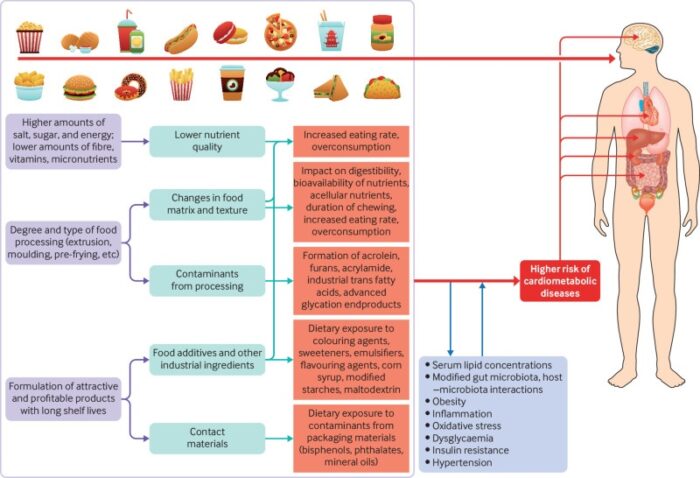
_
UPF may promote cardiovascular disease (CVD) through several mechanisms. Typical UPF contain excess calories, added sugars, sodium, and unhealthy fats associated with higher CVD risk. Beyond low nutritional quality, UPF are sources of compounds generated through production and packaging associated with glycometabolism disturbance, microbiota alterations, inflammation, higher diabetes risk, endothelial abnormalities, pro-atherogenic apolipoproteins, atherosclerosis, and cardiac tissue damage. These compounds are bisphenol-A, emulsifiers, thickeners, advanced glycation end products, sweeteners, acrylamide, monosodium glutamate, and sulphites. European and US cohort studies have consistently associated UPF consumption with higher CVD risk. UPF are also associated with obesity, hypertension, and diabetes, well-established CVD risk factors.
Endothelial dysfunction, recognized for its association with various cardiovascular diseases and metabolic syndrome, emerges as a potential mechanism behind the cardiovascular effects of UPF. Studies have demonstrated that a single high-fat meal leads to measurable impairment in endothelial function as measured by flow-mediated dilation on brachial ultrasonography as early as 2 h following consumption; however, no study evaluated the impact of food processing on myocardial endothelial function. Furthermore, beyond its cardiovascular ramifications, endothelial dysfunction has also been shown to impact neurocognitive health, revealing correlations with diminished performance in neuropsychological tests assessing executive functions and attention.
_______
Mechanisms of obesity caused by junk foods:
Why do ultra-processed foods make people eat more and gain weight?
There are multiple mechanisms by which UPFs influence food choice, appetite, energy intake, and/or body weight/adiposity. The mechanisms to be addressed are grouped into 3 categories; those related to food choice (i.e., low cost, shelf-life, food packaging, hyperpalatability, and stimulation hunger/suppression of fullness); food composition (i.e., macronutrients, food texture, added sugar, added salt, added fat, energy density, low-calorie sweeteners (LCSs), and additives); and digestive processes (i.e., oral processing/eating rate, gastric emptying time, gastrointestinal transit time, and microbiome).
This is still not fully understood, but there are several hypotheses that are supported by the evidence. One is that ultra-processed foods tend to have a higher energy density—per gram they contain more calories. When food contains more calories in a smaller volume, we tend to eat more of it before we feel full. Also, ultra-processed foods tend to have softer texture so people can eat them more quickly. This means our energy intake rate is higher, and the UPF foods are less satiating, so we tend to eat more.
Another reason is because UPFs can be hyperpalatable. That is, food that has combinations of nutrients such as fats and salt, or sugar and fats or carbohydrate and salt at levels over a certain threshold. It means they are very rewarding and makes people want them more and eat more.
Another potential mechanism is that nutrients in UPFs are more easily absorbed and tend to be taken up in the first part of the small intestine. This leads to lower release of appetite regulating hormones that are triggered when nutrients reach a more distal part of the small intestine.
Researchers point to UPFs’ texture, calorie density, and hyperpalatability for hijacking natural hunger cues while also disrupting absorption, blood sugar, and the gut microbiome.
_____
Mechanisms of impact on Skin Health by junk foods:
Junk food, laden with high levels of sugar, unhealthy fats, and processed ingredients, can significantly impact skin health. The consumption of these foods can lead to various skin issues, including acne and inflammation. High glycemic index foods, such as sugary snacks and processed carbohydrates, can spike insulin levels, triggering the production of sebum, an oily substance in the skin. Excess sebum production can clog pores, leading to the development of acne. Additionally, the inflammatory properties of processed and fried foods can exacerbate skin conditions like acne, eczema, and rosacea. The lack of essential nutrients and antioxidants in junk food can also deprive the skin of the vital elements it needs to maintain its health and elasticity, potentially accelerating the aging process and causing premature wrinkles and fine lines.
Moreover, consuming excessive amounts of junk food can lead to oxidative stress in the body. Free radicals generated as a result of this stress can damage skin cells, contributing to a loss of collagen and elastin, essential proteins that maintain the skin’s structure and firmness. As a consequence, the skin may appear dull, dry, and less resilient. A diet high in processed foods can also disrupt the balance of good bacteria in the gut, which is linked to skin health. Imbalances in gut bacteria can manifest as skin issues due to the gut-skin axis, where disruptions in gut health can influence skin conditions and vice versa. Overall, the impact of junk food on skin health is substantial, contributing to various skin problems and compromising its appearance and resilience.
______
Mechanisms of cancers caused by junk foods:
According to the World Cancer Research Fund/American Institute for Cancer Research, about a third of the most common neoplasms could be avoided by changing lifestyle and dietary habits in developed countries. Therefore, reaching a balanced and diversified diet (along with avoidance of tobacco use and reduction in alcohol intake) should be considered one of the most important modifiable risk factors in the primary prevention of cancer.
During the past decades, diets in many countries have shifted towards a dramatic increase in consumption of ultra-processed foods. After undergoing multiple physical, biological, and/or chemical processes, these food products are conceived to be microbiologically safe, convenient, highly palatable, and affordable. Several surveys (in Europe, the US, Canada, New Zealand, and Brazil) assessing individual food intake, household food expenses, or supermarket sales have suggested that ultra-processed food products contribute to between 25% and 50% of total daily energy intake.
This dietary trend may be concerning and deserves investigation. Several characteristics of ultra-processed foods may be involved in causing cancer.
Firstly, ultra-processed foods often have a higher content of total fat, saturated fat, and added sugar and salt, along with a lower fibre and vitamin density. Beyond nutritional composition, neoformed contaminants, some of which have carcinogenic properties (such as acrylamide, heterocyclic amines, and polycyclic aromatic hydrocarbons), are present in heat treated processed food products as a result of the Maillard reaction. The Maillard reaction is a complex series of non-enzymatic chemical reactions between amino acids (or amines) and reducing sugars in food that creates a wide range of desirable flavors, aromas, and brown colors during heating, and is responsible for the browning of meats, the crust of bread, and the flavor of coffee.
Secondly, the packaging of ultra-processed foods may contain some materials in contact with food for which carcinogenic and endocrine disruptor properties have been postulated, such as bisphenol A.
Thirdly, many studies have linked the consumption of red meat and processed meats, such as hot dogs, bacon, and deli meats, to an increased risk of colon cancer. In a novel study of the effects of processed meats on colorectal cancer in patients, Dana-Farber’s Marios Giannakis, MD, PhD, and colleagues found that a high intake of red and processed meat, which contain compounds such as nitrates, can leave a “signature” of DNA damage in cells of the colon. The American Institute for Cancer Research (AICR) recommends no more than 12 to 18 ounces (three 4 to 6-ounce servings) of red meat (beef, pork, and lamb) per week and avoiding processed meat.
Fourthly, junk food and obesity. Excessive weight gain and obesity are risk factors for cancer. Stored adipose tissue produces hormones and inflammatory factors, both of which can fuel cancers. Excess weight is linked to 13 different cancers, including breast, esophageal, pancreatic, colon, ovarian, prostate, and gastric cancers.
Finally, ultra-processed foods contain authorised, but controversial, food additives such as sodium nitrite in processed meat or titanium dioxide (TiO2, white food pigment), for which carcinogenicity has been suggested in animal or cellular models.
_______
The following table is a list of junk food and related components that demonstrate their impact on health.
|
Types of Junk Food |
Component |
Impact on health |
|
Fish sauce, soy sauce |
Monosodium glutamate |
Overweight, Brain lesions, obesity, diabetes, neurotoxic effects, endocrine disorders |
|
Sugary sodas, canned drinks |
High Fructose Corn Syrup |
Weight and Diabetes, Hypertension, atherosclerosis, coronary heart disease, vascular resistance in the kidney |
|
Margarine, French fries, donuts, cakes, ice cream |
Trans fat |
Increased Inflammatory markers (Cardiac Risk), T2DM, cancer and diabetes, cardiovascular disease
|
|
Bread, Bagels, flour bleaching agents and dough conditioners. |
Azodicarbonamide |
Asthma, carcinogenicity |
|
Burgers and sandwiches, Bread |
Fluoroalkyl per/poly substances |
Breast cancer, fertility, weak immune system,
|
|
Soda, flavored water, processed cheese, chicken nuggets |
Phosphate additives |
Kidney disease, Bone problems |
|
Mayonnaise, roast pork |
Propyl gallate |
Reproductive toxicity, testicular toxicity, abnormal implantation and placental development. |
|
Instant burger |
Phthalates |
Induces reproductive toxicity to gonadal development and reproductive ability of environmental organisms. |
|
Processed red meat |
Sodium nitrite |
Stomach cancer, T1DM, kidney inflammation and oxidative stress |
|
Canned foods, polycarbonate tableware, food storage containers, water bottles and baby bottles. |
Bisphenols |
Reproductive toxicity, cardiotoxicity and endocrine disrupting toxicity, Delayed bone development, Hepatotoxicity. |
______
______
Landmark studies showing health harms caused by junk foods:
_
Ultra-processed food exposure and adverse health outcomes: umbrella review of epidemiological meta-analyses of 2024:
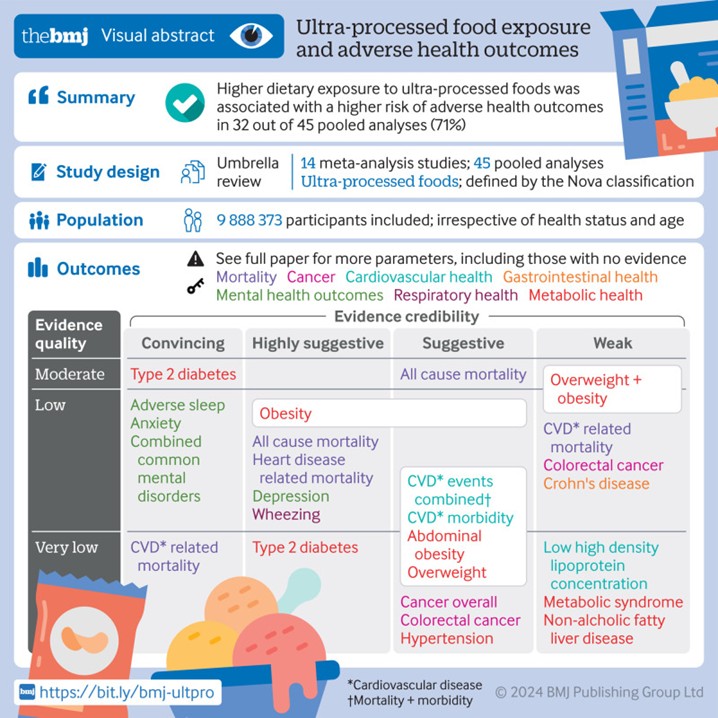
Consuming ultra-processed food, commonly known as junk food, has been associated with a higher risk of more than 30 different adverse mental and physical health outcomes, according to this study. The research highlights the wide range of health issues that eating this kind of food can cause.
We’re often told that to maintain good health, we need to eat well, which includes a balanced diet low in ultra-processed foods (UPF), which includes packaged baked goods and snacks, sweetened, carbonated drinks, candy, sugary cereals, and ready-to-eat products.
While many of us are well aware of the health risks associated with eating a diet high in UPF, we might not appreciate just how harmful they can be. Researchers have pooled the data from 45 distinct meta-analysis studies associating UPF with adverse health outcomes, providing a high-level summary – an ‘umbrella review’ – of the evidence.
The total number of participants included across the umbrella review was close to 10 million. All meta-analyses were published in the last three years, and none were funded by companies that produce UPF. The researchers categorized the evidence as convincing, highly suggestive, suggestive, weak, or no evidence. They also assessed the quality of the evidence as high, moderate, low, or very low. Overall, the data showed that higher exposure to UPF was consistently associated with an increased risk of 32 adverse health outcomes that spanned mortality, cancer, and mental, respiratory, cardiovascular, gastrointestinal, and metabolic health outcomes.
Convincing evidence showed that higher consumption of UPF was associated with around a 50% increased risk of cardiovascular disease-related death, a 48% to 53% higher risk of anxiety and common mental health disorders, and a 12% higher risk of type 2 diabetes. Highly suggestive evidence indicated that higher UPF intake was associated with a 21% greater risk of death from any cause, a 40% to 66% increased risk of heart disease-related death, obesity, type 2 diabetes, and poor sleep, and a 22% increased risk of depression.
There was limited evidence associating UPF with asthma, gastrointestinal health, some cancers and cardiometabolic risk factors such as high blood fats and low levels of ‘good’ cholesterol.
_
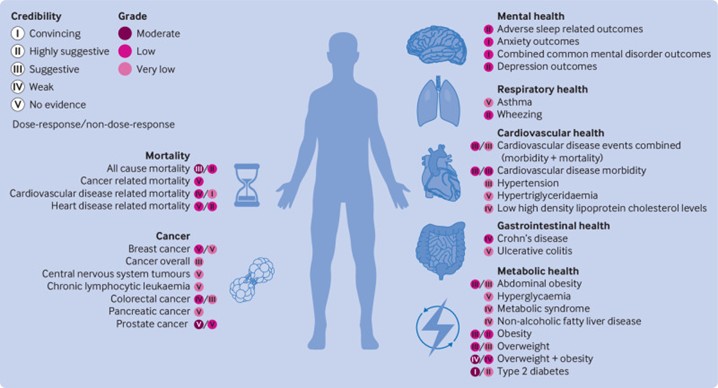
Figure above shows Credibility and GRADE (Grading of Recommendations, Assessment, Development, and Evaluation) ratings for associations between greater exposure to ultra-processed foods and risks of each adverse health outcome.
_
This umbrella review reports a higher risk of adverse health outcomes associated with ultra-processed food exposure. The strongest available evidence pertained to direct associations between greater exposure to ultra-processed foods and higher risks of all-cause mortality, cardiovascular disease related mortality, common mental disorder outcomes, overweight and obesity, and type 2 diabetes. Evidence for the associations of ultra-processed food exposure with asthma, gastrointestinal health, some cancers, and intermediate cardiometabolic risk factors remains limited and warrants further investigation.
_______
_______
Ultra-Processed Foods Drive Obesity Epidemic:
(1. Ultra-processed diets cause excess calorie intake and weight gain: An inpatient randomized controlled trial of ad libitum food intake, 2019 study:
Authors investigated whether ultra-processed foods affect energy intake in 20 weight-stable adults, aged (mean±SE) 31.2±1.6 y and BMI=27±1.5 kg/m2. Subjects were admitted to the NIH Clinical Center and randomized to receive either ultra-processed or unprocessed diets for 2 weeks immediately followed by the alternate diet for 2 weeks. Meals were designed to be matched for presented calories, energy density, macronutrients, sugar, sodium, and fiber. Subjects were instructed to consume as much or as little as desired. Energy intake was greater during the ultra-processed diet (508±106 kcal/d; p=0.0001), with increased consumption of carbohydrate (280±54 kcal/d; p<0.0001) and fat (230±53 kcal/d; p=0.0004) but not protein (−2±12 kcal/d; p=0.85). Weight changes were highly correlated with energy intake (r=0.8, p<0.0001) with participants gaining 0.9±0.3 kg (p=0.009) during the ultra-processed diet and losing 0.9±0.3 kg (p=0.007) during the unprocessed diet. Limiting consumption of ultra-processed foods may be an effective strategy for obesity prevention and treatment.
One reason ultraprocessed foods likely contribute to health issues seems obvious: They tend to be low in fiber and high in calories, salt, added sugar and fat, which are all linked with poor health outcomes when eaten in excess. But back in 2009, researchers in Brazil proposed that it wasn’t just the nutrients that made these foods unhealthy, but rather, the extent of processing these foods undergo. It was a really odd way to think about nutrition science, because, after all, nutrients seem to be important for nutrition.
Now, most studies that have linked ultraprocessed foods to harmful health effects are observational, which can only show correlations — they can’t prove cause and effect. This is the first randomized controlled trial to compare the ultraprocessed diet to one based on less processed foods.
The findings strongly suggested that it wasn’t just salt, sugar and fat, but something about the highly processed nature of these foods itself that was propelling people to overeat and gain weight.
This study showed that a diet that was high in UPFs led people to overconsume calories—an extra 500 per day—compared to a diet with no UPFs that had the same amounts of nutrients like sodium, sugar, carbs, and fat. As a result, people gained weight on the UPF diet and lost weight on the diet without UPFs. So the question was: What are the main drivers of this effect? One was the calorie density—the calories per gram—of the meals on the plate, not counting the beverages. Second was the number of so-called hyperpalatable foods—that is, foods that were high in fat and sugar, or high in fat and salt, or high in carbs and salt.
__
(2. The role of ultra-processed food in obesity, a 2025 review:
The global increase in obesity has occurred in parallel to a dietary shift from traditional staple foods to ultra-processed foods (UPF), spurring scientific interest in UPF as a driver of the obesity pandemic. Herein, authors summarize the current evidence regarding the role of UPF in obesity, with a specific focus on potential biological mechanisms. The literature strongly supports and corroborates ecological, epidemiological and mechanistic lines of research indicating that dietary patterns high in UPF promote overeating and increase the risk of overweight and obesity. Experimental evidence demonstrates that the soft texture, high energy density and hyperpalatable nutrient combinations of UPF facilitate excessive energy intakes by affecting ingestive behaviours, satiety signalling and food reward systems. Although not fully elucidated, it is plausible that several other UPF attributes (such as emulsifiers, non-nutritive sweeteners, acellular nutrients, and contaminants from processing and packaging materials) contribute to their obesogenic effects through a myriad of physiological pathways, including altered absorption kinetics, glycaemic response and the gut microbiota composition and function. To stem the global rise in obesity, multipronged policy efforts are needed to reduce UPF consumption and create health-promoting food systems.
Key points:
-Profound changes to the structure and operations of global food systems have probably contributed to the global increase in obesity by promoting dietary patterns based on ultra-processed foods (UPF).
-UPF are industrial formulations manufactured by deconstructing foods into their component parts (such as oils, starches and sweeteners), modifying them (for example, through enzymatic processes) and recombining them with cosmetic additives.
-Epidemiological and experimental evidence consistently links UPF dietary patterns to increased energy intake, weight gain and indicators of excess weight.
-UPF present evolutionarily novel nutritional, physical and chemical characteristics that might influence energy intake and weight homeostasis through multiple biological pathways, including food reward systems, appetite and/or satiety regulation and changes to the microbiome.
-Additional research is warranted, especially regarding the effects of UPF exposure during pivotal life stages (such as pregnancy, childhood and adolescence), and to further clarify biological mechanisms of action.
-Multipronged mutually reinforcing policies that act on the food environment (for example, fiscal measures, front-of-package warning labels and marketing restrictions) could be an effective public health strategy to reduce UPF consumption.
_
(3. Ultraprocessed or minimally processed diets following healthy dietary guidelines on weight and cardiometabolic health: a randomized, crossover trial, 2025:
Ultraprocessed food (UPF) consumption is associated with noncommunicable disease risk, yet no trial has assessed its health impact within the context of national dietary guidelines. In a 2 × 2 crossover randomized controlled feeding trial, 55 adults in England (body mass index ≥25 to <40 kg m−2, habitual UPF intake ≥50% kcal day−1) were provided with two 8-week ad libitum diets following the UK Eatwell Guide: (1) minimally processed food (MPF) and (2) UPF, in a random order. Twenty-eight people were randomized to MPF then UPF, and 27 to UPF then MPF; 50 participants comprised the intention-to-treat sample. The primary outcome was the within-participant difference in percent weight change (%WC) between diets, from baseline to week 8. Participants were blinded to the primary outcome. MPF (%WC, −2.06 (95% confidence interval (CI), −2.99, −1.13) and UPF (%WC, −1.05 (95% CI, −1.98, −0.13)) resulted in weight loss, with significantly greater %WC on MPF (Δ%WC, −1.01 (95% CI, −1.87, −0.14), P = 0.024; Cohen’s d, −0.48 (95% CI, −0.91, −0.06)). Mild gastrointestinal adverse events were common on both diets. Findings indicate greater weight loss on MPF than UPF diets and needing dietary guidance on food processing in addition to existing recommendations.
This study provided 55 people with either ultra-processed or minimally processed foods to eat at home for eight weeks each. Both diets met British guidelines for eating healthy foods like vegetables, fruits, whole grains, and low-fat dairy. The participants lost about two pounds on average after the ultra-processed diet. But they lost about four pounds on average after the minimally processed diet, which was lower in calorie density. So even if an ultra-processed diet meets nutritional guidelines, people lose more weight eating a minimally processed diet. Earlier mentioned 2019 study highlights that consuming ultra-processed foods, even with the same calorie count as whole foods, leads to weight gain and increased cravings. Conversely, a diet rich in minimally processed foods promotes weight loss, reduces unhealthy fat, and improves craving control. Prioritizing whole, unprocessed foods over their ultra-processed counterparts can significantly impact weight management and overall health.
We’ve all heard that ultra-processed foods aren’t great for us, but this new study just confirmed what many nutritionists have been saying for years: even if you’re eating the same number of calories, what type of food you’re eating really matters. Remember, not all calories are created equal.
__
(4. Effect of ultra-processed food consumption on male reproductive and metabolic health, a 2025 study:
Consumption of ultra-processed food is associated with increased caloric intake and impaired health. Here, authors conducted a nutrition trial (NCT05368194) with controlled, 2 × 2 crossover design and tested whether ultra-processed food impairs reproductive and metabolic fitness, with further aggravation by excess caloric intake. Comparing the response from an unprocessed to ultra-processed diet identified increased body weight and low-density lipoprotein (LDL): high-density lipoprotein (HDL) ratio, independent of caloric load. Several hormones involved in energy metabolism and spermatogenesis were affected, including decreased levels of growth/differentiation factor 15 and follicle-stimulating hormone. Sperm quality trended toward impairment, with a decrease in total motility. Differential accumulation of pollutants between the discordant diets were detected, such as decreased plasma lithium and a trend for increased levels of the phthalate mono(4-methyl-7-carboxyheptyl) phthalate (cxMINP) in serum, following the ultra-processed diet. Alteration in caloric load alone had distinct effects on the measured outcomes. This study provides evidence that consumption of ultra-processed food is detrimental for cardiometabolic and reproductive outcomes, regardless of excessive caloric intake.
In this study published in the prestigious journal Cell Metabolism, an international consortium of researchers has provided unprecedented evidence delineating the direct, adverse impact of ultra-processed foods on both metabolic and reproductive health parameters in humans. Their findings reveal that individuals consuming diets rich in ultra-processed foods gain significantly more weight compared to those on minimally processed diets, despite consuming identical caloric quantities. The data demonstrate that it is the processed nature of ultra-processed foods themselves—not merely excess caloric intake—that precipitates metabolic and reproductive harm. This insight fundamentally shifts the paradigm that has traditionally centered calorie counting as the primary nutritional strategy, suggesting that food composition and processing must be accorded far greater attention in public health guidelines.
_
(5. Energy expenditure and obesity across the economic spectrum, 2025 study:
Increased calorie intake is the dominant driver of obesity in wealthier societies, not reduced physical activity, data from an IAEA nutrition database has revealed. New research involving over 50 institutions in 19 countries has found that increased calorie intake — not reduced physical activity — is the dominant driver of obesity in industrial societies. The study, published recently as a scientific article in the Proceedings of the National Academy of Sciences, challenges the conception that decreased physical activity contributes to the rising obesity that is associated with economic development.
The study found that obesity is largely driven by people consuming more calories than they burn. Physical activity levels remained remarkably consistent across populations, regardless of economic development. “There weren’t really any differences in total energy expenditure across these populations,” one researcher noted. “So, someone who lives in a hunter-gatherer society who has 40kg of lean body mass is going to expend the same energy as someone who lives in the US and also has 40kg of lean body mass.”
Among the 25 populations with available dietary data, higher consumption of ultra-processed foods—such as ready-made meals, packaged snacks and sugary drinks—was linked to greater body fat percentage.
While exercise may not be the primary factor in preventing obesity, researchers emphasise that regular physical activity remains crucial for overall health. It is linked to reduced risk of all-cause mortality, cardiovascular disease, certain cancers and improved mental well-being.
“Diet and physical activity should be viewed as essential and complementary, rather than interchangeable,” the authors concluded.
_______
Note:
Can genes explain obesity epidemic?
There’s a huge genetic component to body size. Heritability accounts for 40 to 70 percent of the variability in body size between people in a given environment. But genes did not change enough to give rise to the explosion of people with obesity in many westernized countries over the past half-century. Something else had to generate the weight gain in the most genetically susceptible people. Key contributors include unhealthy diets high in calories and processed foods, lack of physical activity due to sedentary lifestyles, insufficient sleep and chronic stress. About 40–70% of obesity risk is genetic, but lifestyle like diet and activity, plays a major role. Even with a genetic predisposition, adopting healthy habits can reduce risks and improve outcomes.
_______
_______
AHA 2025 report:
The American Heart Association’s key message is not surprising: Most ultraprocessed foods are terrible for health, including heart health, and it is high time the food industry stopped producing them and regulators stopped letting them, the nonprofit says. But surprisingly, the AHA also dives nose first into the hotly debated question:
Are all ultraprocessed foods unhealthy?
Maybe not, according to the new guidelines released recently in the journal Circulation. Certain processing methods help keep foods safe, nutritious, and affordable without sacrificing quality. In reality, however, it’s just a few categories, like “certain whole grain breads, low-sugar yogurts, tomato sauces, and nut or bean-based spreads,” the report states. Even those “healthy” options, the report adds, should be monitored to ensure they remain that way.
Guidance from the AHA is highly regarded by medical professionals and policy makers, and experts say tackling the issue of ultraprocessed food couldn’t come at a better time. New data released by the US Centers for Disease Control and Prevention found Americans over the age of 1 get 55% of their daily calories from ultraprocessed food. That number jumped to 62% for children between 1 and 18 years old. That’s concerning, the AHA report said, because research has found a dose-response relationship between ultraprocessed foods and heart attacks and stroke, type 2 diabetes, obesity and all-cause mortality.
Just one extra serving a day of ultraprocessed food led to some 50% higher risk of cardiovascular disease-related death, according to a February 2024 review of 45 meta-analyses on almost 10 million people. Eating more ultraprocessed foods may also increase the risk of obesity by 55%, sleep disorders by 41%, development of type 2 diabetes by 40% and the risk of depression by 20%, according to the review.
To counter these potential health harms, the AHA says Americans should stop eating as many of the most harmful UPFs as possible — especially those high in unhealthy fats, added sugars and salt — while allowing “a small number of select, affordable UPFs of better diet quality” to be eaten as part of a healthy diet.
The American Heart Association chart reviews both processed and unprocessed foods for their potential impacts on cardiovascular health—which includes a list of red-flagged foods that could put your health at risk. Identifying high-risk UPF subgroups is essential to balancing nutritional goals with the need for accessible and appealing food options, according to the study. Most UPFs overlap with foods high in saturated fat, added sugars, and sodium, which are already targets for cardiometabolic risk reduction.
UPF consumption varies significantly across populations and is often higher in lower-income communities. Promoting nutrition security—defined as stable access to affordable, nutritious foods that support health and prevent disease—is essential to reducing diet-related chronic diseases. This requires not only reducing HFSS UPF availability but also empowering consumers to make healthier choices and addressing the broader social, political, and economic systems that sustain current dietary patterns as seen in figure below:
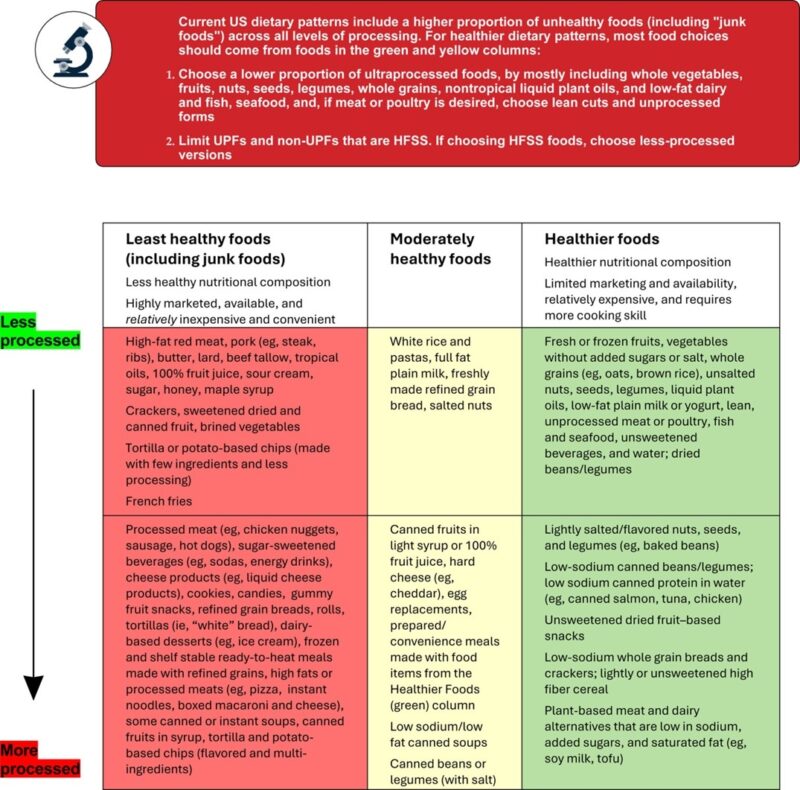
How should we approach UPFs according to the evidence we have to date? Above figure describes foods that are aligned with the 2021 American Heart Association Dietary Guidance and existing evidence about the health risks of ultraprocessed foods and beverages (UPFs). This list is not exhaustive and is provided only to help guide understanding of the extent of processing and the nutritional value of ingredients or foods. The strongest and most consistent adverse effects of UPFs on cardiometabolic health are seen with UPFs with excess amounts of foods and nutrients of public health concern (e.g., high in saturated fats, added sugars, and sodium [HFSS] foods such as processed meats, sugar-sweetened beverages, and refined grains). The framework presented holistically addresses the key tenets of the guidance by encouraging dietary patterns predominantly comprising minimally processed foods and processed foods instead of UPFs while prioritizing which UPFs are most important to limit and which UPFs may be carefully included. This practical, evidence-based approach is designed to support adherence to a heart-healthy pattern.
______
Note:
Not all processed foods are junk food. Some processed foods can support Weight Loss:
Though fresh whole foods are often part of the most effective weight management plans, they’re not always affordable or available. Some processed foods that are dense in nutrients and low in additives like sugar and salt can also help support weight loss as seen in figure below.
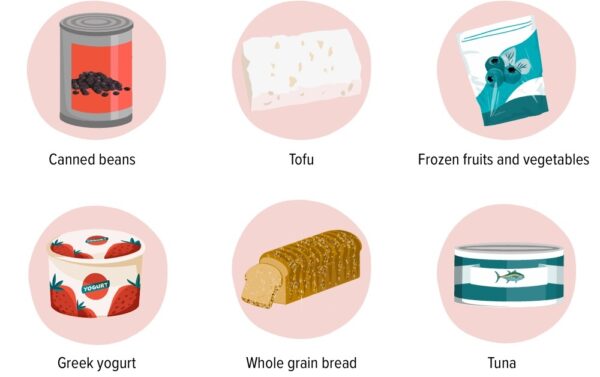
_____
_____
Insights from other Studies:
-1. Bad diets killing more people globally than tobacco, 2019 study finds
Unhealthy diets are responsible for 11million preventable deaths globally per year, more even than smoking tobacco, according to a major study. But the biggest problem is not the junk we eat but the nutritious food we don’t eat, say researchers, calling for a global shift in policy to promote vegetables, fruit, nuts and legumes. While sugar and trans-fats are harmful, more deaths are caused by the absence of healthy foods in our diet, the study found. The research is part of the Global Burden of Disease study by the Institute of Health Metrics and Evaluation (IHME) in Seattle, published in the Lancet medical journal. Heart attacks and strokes are the main diet-related causes of death, followed by cancers and Type 2 diabetes, say researchers. The study found that eating and drinking better could prevent one in five deaths around the world.
_____
-2. Ultra-processed food consumption and cancer risk: A systematic review and meta-analysis of 2023:
Ultra-processed foods (UPF) have become a staple of the diet in many countries, concomitant with increases in non-communicable diseases including cancer. A systematic literature search for observational studies investigating the association between cancer risk and UPF consumption, determined by the NOVA classification system, was performed. Random-effects meta-analyses were conducted. Independent review and risk of bias assessment was performed independently by the authors using the National Institutes of Health’s Study Quality Assessment Tools. Eleven reports were identified, including eight retrospective case–control studies and three prospective cohorts. The outcome was risk of total cancer and/or one or more of the following cancers: colorectal, breast, prostate, pancreatic, chronic lymphocytic leukemia and central nervous system tumors. Nine studies reported a significant positive association between UPF intake and all the assessed cancers except prostate, after adjustment for confounding factors including obesity and total energy intake. A 10% increment in the diet’s proportion of UPF was associated with increased risk of overall cancer (HR = 1.13, 95% CI 1.07 to 1.18) and breast cancer (HR = 1.11, 95% CI 1.01 to 1.21). In addition, a high intake of UPF was associated with increased risk of colorectal cancer (ORT3 vs. T1 = 1.30, 95% CI 1.11 to 1.51) and pancreatic cancer (HRQ4 vs. Q1 = 1.49, 95% CI 1.07 to 2.07). More modest associations were found for chronic lymphocytic leukemia and central nervous system tumors. In conclusion, the available suggestive evidence shows a consistent significant association between intake of UPF and the risk of overall and several cancers, including colorectal-, breast- and pancreatic cancer.
_____
-3. Ultra-Processed Food Consumption and Risk of Type 2 Diabetes: Three Large Prospective U.S. Cohort Studies of 2023:
High-quality meta-evidence shows that total UPF consumption is associated with higher T2D risk. However, some UPF subgroups were associated with lower risk in the U.S. cohorts.
In three U.S. cohorts, total UPF consumption was associated with higher T2D risk. In subgroup analyses, intakes of refined breads; sauces, spreads, and condiments; artificially and sugar-sweetened beverages; animal-based products; and ready-to-eat mixed dishes were associated with higher T2D risk. Conversely, intakes of ultra-processed cereals; dark and whole-grain breads; packaged sweet and savory snacks; fruit-based products; and yogurt and dairy-based desserts were associated with lower risk.
Notably, the inverse association between T2D risk and intakes of ultra-processed cereals was stronger than for ultra-processed dark and whole-grains breads, which could be due to differences in their contents of fibers, minerals, vitamins, and phytochemicals. This was somewhat reflected in the mediation analyses, where the relationship was more attributable to dietary fibers and minerals for dark and whole-grain breads compared with cereals. The inverse relationship between intakes of yogurt and dairy-based desserts and T2D risk is also consistent with the literature. Yogurt consumption, the most consumed food from this UPF subgroup, has repeatedly been associated with lower risk of T2D. Ice cream consumption has also been previously associated with a lower risk of T2D. Exact reasons underlying this association remain unclear but could be caused by its high content of dairy fat constituents (e.g., odd-chain fatty acids, milk fat globule membrane) or reverse causation (i.e., healthier individuals may be more prone to consume ice cream than are individuals with known cardiometabolic risk factors). The inverse associations between consumption of packaged savory and sweet snacks, including fruit-based desserts, and T2D risk could be explained by the content of these foods in terms of dietary fibers, especially because no evidence of an association was found for confectioneries. Indeed, albeit minor (<5%), dietary fibers had a mediation effect on the relationships between fruit-based products and packaged savory snacks and T2D. Thus, we cannot exclude that this association could also be driven by residual confounding associated with greater health consciousness of individuals consuming these foods. Still, other UPF subgroup–specific analyses and the related mediation analyses are consistent with findings reported in the literature and reflect adverse health effects of foods rich in added sugar, refined starch, sodium, and partially hydrogenated oils, with high glycemic index and low dietary fiber content. However, overall, the individual or combined mediation effects of the aforementioned nutrients accounted for <30% of the associations of total or subgroups of UPF.
_____
-4. Association of ultra-processed food consumption with all cause and cause specific mortality: population-based cohort study, 2024:
The 30-year study tracked the health of more than 74,000 female nurses and 39,000 male health professionals.
Processed meat and dairy products are two of the foods highlighted in this study.
- Researchers say overall dietary quality may have a larger influence on risk of death than the consumption of ultra-processed foods.
- In their 30-year study, they report that some ultra-processed foods such as ready-to-eat meat products were major contributing factors to mortality.
- The researchers add that their work highlights that ultra-processed foods don’t need to be universally restricted, but certain foods should be limited for longer term health.
“Our findings suggest that meat/poultry/seafood based ready-to-eat products and sugar sweetened and artificially sweetened beverages are major factors contributing to the harmful influence of ultra-processed foods on mortality, which is in accordance with previous studies,” the study authors wrote.
“The findings provide support for limiting consumption of certain types of ultra-processed food for long-term health. On the basis of our data, limiting total ultra-processed food consumption may not have a substantial influence on premature death, whereas reducing consumption of certain ultra-processed food subgroups (for example, processed meat) can be beneficial,” they added.
_______
-5. Ultra-processed foods and risk of all-cause mortality: an updated systematic review and dose-response meta-analysis of prospective cohort studies, 2025:
Overall, 18 studies with 1,148,387 participants (173,107 deaths) were identified. Compared to the lowest, participants with the highest UPF consumption had a 15% increased risk of all-cause mortality (HR = 1.15, 95% CI 1.09–1.22; I2 = 83.0%). Furthermore, a 10% higher risk of all-cause mortality was detected with each 10% increment in UPF consumption (HR = 1.10, 95% CI 1.04–1.16; I2 = 91.0%). Dose-response analysis showed a positive linear association (Pdose-response < 0.001). Moreover, subgroups and sensitivity analyses indicated consistent findings, while meta-regression analyses suggested sex distributions partially explained heterogeneity, with a higher risk of all-cause mortality in males.
This updated meta-analysis, incorporating a greater number of newly published cohort studies using NOVA classification with the largest sample size to date, strengthens the evidence linking higher UPF consumption to increased all-cause mortality risk.
______
______
Section-11
The environmental impacts of junk foods:
The junk food addiction that has gripped us over the last few decades has had an adverse effect on both health and the environment. We know it’s bad for our health, but we still opt for it. You only have to go to a regular food court to see which stall has more lines: fast food or the salad bar. Eating junk food threatens the environment in so many ways that we may not even be aware of it. The transportation, packaging, and emissions of volatile organic compounds (VOC) during the preparation of fast foods, along with the high percentage of wastage involved in junk food, are too high for us to ignore.
_
Almost half of the Earth’s habitable land is used to grow food. And nearly 80 percent of that is devoted to producing livestock, both for grazing and producing feed. Worldwide, agriculture is responsible for about 70 percent of our freshwater use, and it’s responsible for a quarter of greenhouse gas emissions. In response, scientists advise we cut down on meat, reduce food waste and buy more locally produced food. But would the planet also benefit from us eating less processed food? Food can be divided into unprocessed or minimally processed, processed, and ultra-processed. Ultra-processed food, such as chips and cake, accounts for just over half of the calories we consume. Unprocessed, locally sourced foods, such as whole fruits and vegetables, have a relatively low carbon footprint. Research has also found that minimally processed vegetarian foods have among the lowest environmental impact. Junk food significantly harms the environment by consuming vast amounts of land and water, emitting greenhouse gases from meat and dairy production, and creating substantial packaging waste and pollution, particularly plastic. It is time we better acknowledged the environmental impacts of the type and amount of food we eat, considering the planet as well as our health. By 2050, the world’s population is projected to reach 10 billion people. There is no way we can feed that amount of people unless we change the way we eat and produce food.
_
The global food system accounts for around 25% of greenhouse gas emissions, 70% of water use and 38% of land use. We urgently need to meet climate targets and ensure food security. But it is increasingly recognised that making agriculture more efficient (to produce more food while using less resources) will not be enough. More sustainable diets are therefore essential. National dietary guidelines are designed to help us eat more healthily. Recent iterations in Brazil, Sweden and the Netherlands also stress the importance of health and sustainability. Animal-derived foods generally have bigger total environmental footprints than plant foods. This is because of the significant amounts of land, water and feed required by livestock and the methane released by ruminants. Many recommendations to achieve healthy and sustainable diets have therefore justifiably focused on the need to reduce meat and animal derived product consumption.
_
While the negative impacts of junk food on health are well documented, the environmental impacts remain underexplored (Popkin, 2017, Scott, 2018, Hadjikakou, 2017). The environmental impacts of food products and diets are commonly determined through life cycle assessment (LCA) approaches, which account for impacts occurring in different parts of the production process, or, in some cases, along the entire supply chain (i.e. from farm-to-fork) (Poore and Nemecek, 2018). There is a growing body of product-specific LCAs demonstrating the significant environmental impact of junk food production. For example, studies have found that confectionery items such as chocolate can have a high life cycle energy footprint (Carlsson-Kanyama et al., 2003), a significant carbon footprint as a result of their milk content (Jungbluth and König, 2014), and strong links to deforestation (Higonet et al., 2018). Land conversion associated with palm and soybean oils, both key ingredients of junk foods, has had a profound impact on tropical deforestation in recent decades (Lee et al., 2016).
_
Studies have recently considered the national-scale environmental implications of junk food production, showing that it can make a significant contribution to environmental impacts across several indicators. In Australia, where ‘discretionary’ foods (aka junk food) account for a substantial portion of total caloric intakes, they accordingly responsible for a significant share of total diet-related environmental impact (Hadjikakou, 2017, Hendrie et al., 2016). Figure below shows how discretionary products account for 35%, 39%, 35% and 33% of the overall diet-related life cycle water use, energy use, ecological footprint (a proxy for land use) and GHGEs respectively. Similar percentages would be expected in other countries with comparable food consumption patterns, such as the US (Blair and Sobal, 2006) and the UK (Monteiro et al., 2018), although quantitative estimates of overall environmental impacts are lacking. Further research is needed on the environmental impacts associated with the significant degree of processing, refining, packaging, transportation, and refrigeration of junk foods, which can be expected to be high for many products.
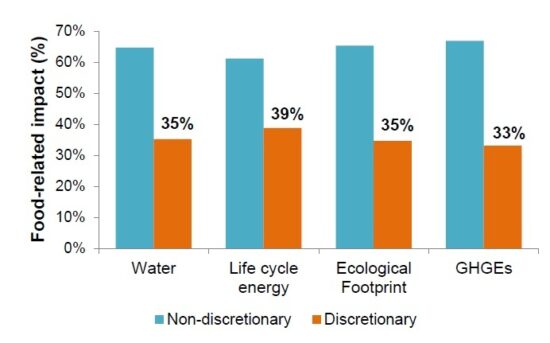
Figure above shows contribution of discretionary products to total food-related environmental impact across four indicators for an average household in Australia (source: authors based on data from Hadjikakou, 2017).
_______
The environmental impacts of ultra-processed/fast foods are as follows:
It varies, but the worst offenders could be linked to any or all of the following:
_
-1. Industrial farming impacts.
Mass-produced foods use mass-produced ingredients. Many staple crops – such as wheat and maize – are grown as intensive monocultures (huge fields of a single crop grown repeatedly), using artificial chemical fertilisers and pesticides. This degrades the soil, damages ecosystems, reduces biodiversity, and contributes to agricultural pollution of land and water. Ultra-processed foods are more likely to contain palm or soy oils, which are renowned for their “substantial negative environmental effects”, including vast tropical deforestation.
Important major consequence of increased consumption on UPFs is diminishing worldwide agrobiodiversity, or the loss of “variety and variability of animals, plants, food systems and microorganisms that are used directly or indirectly for food and agriculture.” Out of ecosystems of an estimated 7,000 edible plant species on Earth, 150 are significantly produced for agriculture, but only three — rice, wheat, and corn — now account for the majority of the world’s caloric intake. Promotion of a select few high-yield food crops for UPF production has resulted in the loss of traditional crops and increased monocultural agriculture practices.
- Ultra-processed meat products (e.g., hot dogs, deli meats, chicken nuggets) also exacerbate agrobiodiversity loss via feeding requirements for livestock operations. The same monoculture crops used to make other UPFs are used in feedlot rations for confined animals, further diverting farmlands away from more diverse crops.
- In Brazil, between 2008 and 2019, production of staple crops such as rice and beans has dropped 43% and 30%, respectively. During this same time period, soy production (used in livestock feed and to make UPFs) has increased 70%.
- Coupled with the impacts of climate change, loss of agrobiodiversity threatens sustainable food systems. Diverse agricultural yields act as insurance against climatic fluctuation and as a coping mechanism in times of scarcity. Climatic events can strain food supply by decreasing agricultural productivity, leading to increased food prices and consequently, a reduction in foods available for consumption. This, in turn, could accelerate greater shifts toward UPF consumption due to food safety or availability concerns.
_
-2. Greenhouse gas emissions.
The world’s food systems generate one fourth of all greenhouse gas emissions. This is partly because of agriculture – but also because of the carbon impacts of processing, refrigeration, and transportation. Research has shown that ultra-processed foods are linked to more greenhouse gases than other food groups. Animal agriculture, a major component of junk food production, is a significant source of methane, a potent greenhouse gas. The entire process of junk food production, including transportation and packaging, releases carbon dioxide, contributing to global warming. Some studies have confirmed that chips and candy are more harmful to the environment than slice of bread or apples. We know that the reduction of red meat consumption would reduce our carbon footprint, but recent studies have shown that reduction of the intake of junk food will also serve same purpose. A study done by Swedish researchers found that some candies are as much harmful for the environment as pork meat. A study found that around 2.2 kilos of greenhouse gas is produced during the production of one kilogram of chips. While around 70 percent of Australia’s food related greenhouse gases in a study came from foods that are considered staples, including fruits, vegetables, grains, dairy, and meat, 30 percent came from avoidable energy-rich and nutrient-poor discretionary foods, such as sugar-sweetened drinks, pastries, confectionary foods, processed meat, and alcohol.
_
-3. Emission of VOCs.
According to research, the amount of volatile organic compounds (VOC) that generate when a fast food joint cooks four normal sized hamburgers is equal to the amount that a current model car generates after driving 1000 miles. In New Jersey, 2226 tons of particulates released by 16,000 restaurants are more than the amount of particulates released by all the diesel-powered vehicles in the state.
_
-4. Water.
An estimated 336-618 liters of water are used to produce a single 1-liter regular sugary drink (varies depending on sugar source and inclusion of ingredients such as caffeine or vanilla extract). Beverage companies’ exploitation of water resources is a global concern — for example, the practice of taking water from water-scarce countries for use in production of exported beverages.
The production of junk food, including snacks, fast food, and sugary beverages, places a significant burden on our planet’s precious water resources.
- Water-Intensive Agriculture: The ingredients used in junk food, such as corn, soy, and wheat, are often grown in large-scale monoculture farms that require massive amounts of water. The excessive use of irrigation to cultivate these crops depletes local water sources and can lead to soil degradation.
- Meat Production: Junk food often features meat products, such as burgers and fried chicken. Raising livestock for meat production is incredibly water-intensive. It takes thousands of liters of water to produce just one kilogram of beef, and the high demand for meat in the fast food industry exacerbates this problem.
- Packaging and Processing: The manufacturing and packaging of junk food products involve significant water usage. From washing, cutting, and cooking ingredients to producing plastic and cardboard packaging, water is a critical component in the process.
- Pollution and Runoff: The manufacturing and disposal of junk food products can lead to pollution and runoff. The chemicals used in processing and the litter from packaging can find their way into rivers and oceans, further degrading water quality.
_
-5. Plastic pollution.
UPFs are frequently packaged in single-use plastic wrappers, bottles, or containers. A study on beach debris in Brazil found that plastic was the most abundant source of pollution, with food packaging comprising about 90% of plastic found. An estimated 21–34 billion plastic drink bottles ended up in the world’s oceans in 2018, alone — the equivalent of up to 1.1 million metric tons of plastic bottle waste. Microplastics are increasingly being found throughout the food system, including in the digestive tracks of various marine animals. As a result, humans ingest microplastics by eating commercial seafood such as fish, mussels, and crustaceans. Some plastic polymers have been found to have an impact on human health. For example, PET (polyethylene terephthalate) — commonly used for carbonated drink bottles, microwavable meal trays, and peanut butter jars — has been identified as a potential human carcinogen.
_
-6. Fuel consumption.
In the US around 19 percent of total energy consumed in the country is used for producing food and supplying them to different places. Currently, most of this energy comes from nonrenewable sources of energy. This makes it much more important for us to look for the ways we can use to reduce fuel consumption. Research shows that we can reduce this energy consumption by around 50 percent by the adoption of traditional farming and following a healthier diet pattern. The energy one needs to produce junk and processed foods is much more than what one needs to produce staple foods.
_
-7. Food Packaging.
Junk food packaging is made from various materials, including plastic, aluminum, and paper, which can have negative impacts on the environment. When these wrappers are produced, transported, used, and disposed of improperly, they can cause pollution, harm wildlife, and contribute to global warming. There is no denying the fact that the use of modern packaging methods has played an important role in making our life easier because they make the process of food preparation and storage easy. Proper packaging increases the shelf life of food products. It is however unfortunate that packaging also harms the environment. Every year around 3.2 million tons of waste are added due to packaging. Though, many chains are committing to sustainable initiatives to try and fix their reputations. Some fast food corporations, like Burger King and McDonald’s, are phasing out polystyrene a type of synthetic plastic and testing eco-friendly food containers. Publicity over PFAS is becoming more mainstream, and people are worried about exposure to these forever chemicals in conventional fast food packaging.
_
-8. Food waste.
Longer supply chains result in more going to waste. About half of all food waste happens in the supply chain, between farms and manufacturers, before the finished product even arrives on shop shelves. We have often seen that foods go unused in many fast food restaurants. Furthermore, they are not very active in donating this food to people. A survey found in 1995 that many restaurants prefer not to donate food due to liability issue. Most of them were afraid of what will happen if people fall sick after eating the food donated by them. Food waste significantly harms the environment by generating potent methane gas when it decomposes in landfills, contributing to climate change.
______
______
Section-12
Junk food economy, industry and market:
___
Economics of junk food:
The high amount of processing lends ultra-processed food to be subject to different economic constraints compared to natural food. Ultra-processed foods often use less expensive ingredients, allowing ultra-processed food to be priced lower. Furthermore, ultra-processed foods are more consistently available in stores. Global production networks of multinational food companies creating ultra-processed food are supported by high brand awareness, aggressive globalization tactics, and the purchasing of local companies selling similar products.
Companies selling ultra-processed food frequently target youth consumers and middle income countries. Many of these companies use big data to choose which consumers to market to. Furthermore, the ultra-processed food industry uses indirect and direct lobbying in large countries to influence local food policy. They often have an extended shelf life, an important consideration for lower income consumers without reliable access to refrigeration. Among other reasons for the popularity of ultra-processed foods are the inexpensive cost of their main ingredients. The price of ultra-processed food fluctuated less than unprocessed food over a twelve-year period, a study found.
_
In a book called The Supermarket Trap, author Jennifer Cross says that even a person with a cast-iron will can fall prey to the junk food merchandising used in grocery stores. The consumer’s senses become so blitzed by the sheer amount of food choices that everything becomes a blur. Logic and common sense fail us, and we choose food items solely because of attractive packaging or name recognition. Marketing studies have shown that from 70 to 90% of the time, the purchase of junkie favourites like candy, frozen desserts, snacks and chips occur because of an in-store decision. People do not consciously go into a store to purchase junk food, but once they are inside, they become fair game for the promotion and advertising tricks of the store.
__________
Junk foods are foods for profit:
Junk foods exist today for only one reason: they are highly profitable. Because they can be marked up so heavily over the costs of production, junk foods put millions of dollars into the pockets of manufacturers.
It’s a fact that the lowest-profit item in most grocery stores is the produce—the fresh fruits and vegetables—and that the highest mark-up comes from packaged, processed and junk foods.
Natural and traditional foods, like fruits, vegetables, nuts and seeds, are rarely advertised because they cannot be given a brand name or identity by a manufacturer. After all, a potato is just a potato, and worth only a few cents a pound. But if you slice that potato, boil it in oil, add a large dose of salt and preservatives, and package it a bright bag with a catchy name, then you have potato chips that can be sold for ten to twenty times the cost of the original potato.
For Each Dollar spent on Junk Food:
-12 cents goes for packaging
-17 cents pays for the advertising and promotion
-55 cents goes for processing and profit-markup
-6 cents is for additives, preservatives and colorings
-10 cents is for the actual food in the product
In contrast, for every dollar spent on produce and natural foods (like whole grains, nuts, seeds, dried fruits), about 65 cents goes for the actual food cost and the remaining for transportation and retail markup.
Not only does the consumer of junk and processed foods pay in terms of health and well-being, he is also spending 5 to 20 times as much as he should for the actual food.
Here’s another example: a popular “food” developed many years ago was called “Shake ‘n Bake.” It was a food crust or covering put on chicken, fish and so on. It sold for $2.63 per pound. It was mostly wheat flour, with a few artificial spices and coloring, that could be purchased for 15 cents a pound for its raw ingredients. The consumer was paying the extra $2.48 for television advertising and promotion.
It’s the advertising and packaging that make junk foods so expensive and so profitable. In fact, without mass advertising, there would probably be no junk foods. An understanding of the junk food problem, then, requires an understanding of the advertising and promotion of this food.
_______
The primary economic drivers behind the junk food industry’s success:
The junk food industry thrives on a complex interplay of factors that boost its economic power. Aggressive marketing strategies, particularly those targeting children and low-income communities, create strong brand loyalty and drive demand. Furthermore, the mass production and processing techniques employed allow for incredibly low production costs, leading to high profit margins even when selling products at affordable prices. This combination of aggressive marketing and cost efficiency allows the industry to maintain a dominant position in the food market.
Another crucial element is the widespread accessibility of junk food. It’s readily available in virtually every corner of the country, from gas stations to grocery stores, often at significantly lower prices compared to healthier alternatives. Government subsidies for commodity crops like corn and soy, which are key ingredients in many junk food products, further lower their production costs and contribute to their affordability. This pervasive accessibility and affordability create a powerful incentive for consumers, making it difficult for healthier options to compete effectively.
______
The junk food industry’s contribution to employment and economic growth:
The junk food industry generates significant employment opportunities across various sectors, from agriculture and manufacturing to marketing and retail. Large corporations employ countless individuals in the production, processing, and distribution of their products. This widespread employment, in turn, contributes to economic growth by boosting consumer spending, tax revenues, and overall economic activity within local and national economies.
Furthermore, the industry invests heavily in research and development, marketing, and infrastructure, which stimulates economic activity. These investments often benefit other industries, such as packaging, transportation, and advertising. The sheer scale of the junk food industry’s operations and its extensive supply chains create a ripple effect throughout the economy, making it a significant contributor to economic growth.
______
The hidden costs associated with the junk food industry’s economic contributions:
While the junk food industry contributes significantly to the economy, these benefits come at a considerable cost. The prevalence of obesity and related chronic diseases, such as type 2 diabetes, heart disease, and certain cancers, is directly linked to the consumption of junk food. These health problems impose a massive burden on healthcare systems, increasing healthcare costs for individuals, families, and governments.
Moreover, the societal costs extend beyond healthcare. Reduced productivity, increased absenteeism, and premature mortality due to diet-related diseases have a significant impact on the workforce and overall economic output. Additionally, the environmental impact of junk food production, including deforestation, greenhouse gas emissions, and pollution from manufacturing and packaging, further adds to the hidden costs associated with this industry’s economic contributions.
The total cost to the global economy of poor diet due to any cause is estimated at 5% of the global GDP, or roughly USD3.5 trillion. Over- and undernutrition are at the core of this problem: 2013 figures from the WHO estimate the number of deaths due to obesity and overweight at over 2.8 million per year, conversely, malnutrition is blamed for over a third of child deaths.
______
The affordability of junk food does influence consumer choices, particularly among low-income communities:
We are socialised to believe that, as adults, our food choices are a direct result of free will, and of freedom of choice. Yet for people with a limited amount of money, that “freedom” is exercised in a context largely shaped – and limited – by what food and drink manufacturers and retailers choose to produce, market and sell. The affordability of junk food plays a significant role in shaping consumer choices, particularly within low-income communities. Due to budget constraints, individuals and families in these communities often prioritize affordability over nutritional value. Junk food’s low prices make it an appealing option, especially when compared to the relatively higher cost of fresh fruits, vegetables, and other healthy foods. This price disparity effectively limits access to nutritious options and perpetuates a cycle of unhealthy eating habits.
The abundance of junk food outlets in low-income neighborhoods further exacerbates the problem. This concentrated availability, coupled with targeted marketing efforts, creates an environment where unhealthy options are constantly promoted and easily accessible. The combination of affordability and accessibility makes it challenging for individuals to make healthy choices, even when they are aware of the potential health consequences.
_______
_______
Junk food industry:
The junk food industry refers to companies that produce and sell highly processed foods high in unhealthy ingredients like sugar, salt, and fat, which are designed to be highly palatable and addictive, but are linked to negative health outcomes including obesity, diabetes, and heart disease. These companies are expanding globally into emerging economies and use sophisticated marketing to promote their products, particularly to children. Junk food is produced by major multinational food and beverage corporations, such as PepsiCo (Lay’s, Cheetos), Coca-Cola (many snack and soda brands), and Nestlé (Kit Kat, various sweets). The term “junk food” is a broad category that also includes fast-food chains like McDonald’s, Burger King, and Domino’s, and packaged snack brands like Frito-Lay (Doritos, Ruffles), which are owned by these large corporations or their parent companies.
_
Big food:
By and large it’s “Big Food,” by which we refer to multinational food and beverage companies with huge and concentrated market power. In the United States, the ten largest food companies control over half of all food sales and worldwide this proportion is about 15% and rising. More than half of global soft drinks are produced by large multinational companies, mainly Coca-Cola and PepsiCo. Three-fourths of world food sales involve processed foods, for which the largest manufacturers hold over a third of the global market. The world’s food system is not a competitive marketplace of small producers but an oligopoly. What people eat is increasingly driven by a few multinational food companies.
Big Food is a driving force behind the global rise in consumption of sugar-sweetened beverages (SSBs) and processed foods enriched in salt, sugar, and fat. Increasing consumption of Big Food’s products tracks closely with rising levels of obesity and diabetes. Evidence shows that SSBs are major contributors to childhood obesity, as well as to long-term weight-gain, type 2 diabetes, and cardiovascular disease. Studies also link frequent consumption of highly processed foods with weight gain and associated diseases.
_______
How junk food companies keep growing:
Like screenwriters creating a bad sci-fi movie where the monster just won’t die but keeps morphing into an even more heinous beast, marketing geniuses in the junk-food industry are even now crafting deceptive new messages to make you think their latest products are healthy. This script is nothing new. The health-food industry has a long unhealthy history of deception — most of its products are junk food in disguise.
What’s this it says on the package? “Organic.” Vegan,” “Gluten-free.” “No Artificial Additives.” “No Sugar Added.” Some of these claims may or may not be true, and even if they are it doesn’t mean the product inside the package is something you should put in your body.
_
With the appearance of governmental pressure to reduce unhealthy food products, Big Sugar, the primary driver of junk food sales, keeps quietly compensating, posturing with new messages to allay concerns of consumers. They pretend they want to make healthier products, portray an image that they care about the effects of unhealthy food, all the while denying this connection between their products and ill health even exists.
Big Sugar has two big allies. First are governments, which through subsidies and other programs promote a burger, fries and soda to be much cheaper than a healthy salad with salmon. Second are the billions of sugar-addicted consumers whose taste buds make lettuce and other vegetables taste too bitter, but whose brains reward them with a pleasant sensation at the taste of anything sweet.
_
New and Improved Junk Food:
Reformulation of a successful product or the introduction of new ones involves creating new packaging to better disguise a food as natural and healthy. This may involve a small reduction of sugar, or make it appear that way by manipulating the ingredient list, or removing an ingredient with the word “artificial” in it. Companies promote these so-called product improvements, pretending to be interested in the health of the world. It’s political posturing. The entire junk food industry is doing it, each company trying to improve its image. From fast food restaurants, where meals are appearing healthier but they’re not, to breakfast cereals. General Mills, for example is removing artificial flavors and colors from its cereal — but it’s essentially the same junk food.
Junk food companies also employ scientists who are directed to publish scientific papers as part of the game. A recent one touting proposed industry food reformulations as an improvement (Gressier M et al. Am J Clin Nutr. 2017), with a conflict-of-interest statement in the small print, illustrates how Big Sugar continues to infiltrate the halls of science.
_
Another industry tactic is to use the perception that ingredients other than sugar are bad, and replacing them with new and improved versions gives the perception that “we want to make healthier food.” The recent trend of removing some artificial flavors and colors from junk food, such as processed cereals still containing added sugars, won’t really help your health. Yet, millions of consumers erroneously believe this new wave of junk food is a better choice. Obviously, the primary harm to one’s health comes primarily from the sugar and refined flour, not artificial flavors and colors. Companies are following the results of consumer marketing, where certain artificial ingredients are health hot buttons. This makes the appeal to consumers more emotional than nutritional.
______
Tobacco Companies also get us Hooked on Junk Food:
Food producers owned by tobacco companies like Phillip Morris and RJ Reynolds developed a disproportionately high number of what scientists call “hyper-palatable” foods between 1988 and 2001, a study by University of Kansas researchers said, “resulting in substantial tobacco-related influence on the U.S. food system.” In the same way tobacco companies formulated cigarette products to maximize their addictiveness, the study’s authors accuse the food producers of taking the same tactics, pumping edible and drinkable products full of sugar, caffeine, fat, sodium and carbs to “create an artificially rewarding eating experience.”
Foods produced by tobacco-owned companies were 29% more likely to be classified as hyper-palatable—having a certain mix of ingredients designed to be addictive—due to fat and sodium, the study’s authors found, and 80% more likely to be ultrahigh in carbohydrates and sodium than foods that were produced by other companies.
Tobacco companies largely divested from the U.S. food system in the early 2000s, the research published in peer-reviewed journal Addiction says, but “the shadow of big tobacco remained”—those hyper-palatable foods are still mainstays of the American diet, and those who consume them are more likely to be obese and have related health problems.
Food producers that were once tobacco-owned include Kraft-General Foods—merged together by Phillip Morris to become what was then the largest food company in the world—and Nabisco, which together produced products under the brands Oreo, Ritz, Miracle Whip and Oscar Meyer, among others.
“These foods may be designed to make you eat more than you planned,” lead author Tera Fazzino said in a statement. “It’s not just about personal choice and watching what you eat—they can kind of trick your body into eating more than you actually want.”
________
Fast Food Industry Analysis in 2020:
Globally, fast food generates revenue of over $570 billion – that is bigger than the economic value of most countries. In the United States revenue was a whopping $200 billion in 2015 – quite a lot of growth since the 1970 revenue of $6 billion. There are over 200,000 fast food restaurants in the United States and it is estimated that 50 million Americans eat at one of them every single day. The industry employs over 4 million people and counting – restaurant franchises added over 200,000 jobs in 2015.
______
Junk food industry claims:
Claim 1. UPFs can simply be reformulated to be less harmful.
Fact:
Swapping ingredients (e.g., replacing sugar with other sweeteners) or adding “healthy” ingredients to improve or mask a poor nutrient profile (e.g., adding fiber to ultra-processed snacks or protein isolates to ice creams) does not address all the ways in which UPFs harm health.
- UPFs are detrimental to health for many reasons, poor nutritional profile only being one. Tweaking product formulations to achieve a more appealing nutrition facts panel does not address the problems of UPFs’ hyper-palatability and addictive nature, content of harmful contaminants, or displacement of healthier, minimally processed foods in the diet.
- Studies have repeatedly found that associations between UPF consumption and negative health-related outcomes persist even when adjusting for diet quality or pattern. This suggests that the processing itself, and/or the many additives used in UPF formulations contribute significantly to UPFs’ health risks.
Claim 2. Policies that reduce UPF consumption will cause job loss.
Fact:
These policies do not affect employment and positively impact health and the economy. Improvements in health from policies that reduce UPF consumption benefit the economy rather than harming it. Evidence from jurisdictions that have evaluated employment or economic changes following introduction of nutrition-related policies includes:
- Eighteen months after Chile implemented a comprehensive policy that included front-of-package warning labels, marketing restrictions, and banned sales and promotions in schools for junk foods and sugary drinks, researchers found no reductions to employment or average wages in the food and beverage sector compared to other sectors not impacted by the law.
- In Mexico, total employment did not decrease following introduction of sugary drink and junk food taxes in 2014. The country experienced significant reductions in purchases of taxed foods and drinks — particularly among lower-income and high-volume consumers, two groups facing the greatest health risk — and increases in bottled water purchases.
- A 10% reduction in sugary drink consumption among Mexican adults from 2013 to 2022 was predicted to result in an estimated 189,300 fewer cases of type 2 diabetes, 20,400 fewer strokes and heart attacks, and 18,900 fewer deaths, which could lead to $983 million international dollars saved.
- A sweetened drink tax in the city of Philadelphia, Pennsylvania, was associated with a drop in taxed beverage purchases of up to 38%, with a net positive impact on the city’s employment and economy. Philadelphia’s tax has generated $385 million in total revenue since it began, and in 2020–2022, roughly half of this went towards funding a universal pre-kindergarten program for Philadelphia children. This provision of free, quality childcare using beverage tax revenue has created an estimated 800–1,350 new jobs and $28–60 million in additional labor income, as parents were able to join the labor market or increase productivity. These gains primarily impacted low-income families.
- Peru’s food and beverage industry experienced no significant job or wage losses after the country increased its sweetened beverage tax for drinks containing six or more grams of sugar per 100 mL in 2018 and in 2019 began requiring warning labels on the front of unhealthy food and beverage packages.
______
______
Junk food market:
The global ultra-processed food (UPF) market is experiencing robust growth, fueled by factors like urbanization, busy lifestyles, and effective marketing by multinational corporations. The global processed food market is projected to grow at a CAGR of 4.45%, from US$2.15 trillion in 2025 to US$2.68 trillion in 2030. Ultra Processed Food Market size is estimated to grow by USD 856.6 billion from 2025 to 2029 at a CAGR of 9%.
_
Junk Food Marketing:
Junk food marketing encompasses all promotional activities used to sell these products. It leverages a wide range of food marketing strategies, including television commercials, social media campaigns, influencer partnerships, in-store displays, and even packaging design. Junk food marketing taps into powerful psychological principles. These ads exploit our emotional vulnerabilities, sensory preferences, and desire for social connection. Additionally, children’s brains are still developing, making them more susceptible to the persuasive tactics used in food marketing strategies. While everyone is exposed to junk food marketing, children are a primary target audience. Their developing taste preferences, susceptibility to influence, and potential to pester parents make them a significant market segment.
_
Junk Food Marketing Strategies:
-1. Emotional Connection
Junk food ads often evoke positive emotions like happiness, fun, and excitement, associating the product with a positive experience.
-2. Sensory Appeal
Vivid visuals, mouthwatering sounds, and upbeat music stimulate the senses, making the food appear even more desirable.
-3. Celebrity Endorsements
Familiar faces and athletes add a layer of trust and social proof, influencing purchasing decisions.
-4. Targeted Messaging
Understanding your target audience and tailoring messages accordingly is key. For example, highlighting convenience for busy adults or fun flavors for kids.
-5. Product Placement
Placing junk food in movies, TV shows, and video games further normalizes its consumption and increases brand recognition.
-6. Social Media Influencers
With the rise of social media, companies are leveraging popular influencers to promote their products to a large audience.
-7. Discounts and Promotions
Limited-time offers, coupons, and freebies create a sense of urgency and encourage impulse purchases.
-8. Packaging Design
Eye-catching packaging with bright colors and fun characters appeals to younger audiences and can influence their preferences at an early age.
-9. Strategic Placement in Stores
Positioning junk food items near checkout counters or eye-level shelves makes them easily accessible and tempts customers while waiting in line.
-10. Emotional Manipulation
Advertisements often use emotional manipulation tactics like guilt or fear to persuade consumers to buy their products.
-11. Association with Positive Experiences
Junk food is often associated with special occasions, celebrations, and rewards, creating a positive connotation in the minds of consumers.
-12. Health Claims
Some junk food brands may use misleading health claims or buzzwords like “all natural” or “low-fat” to make their products seem healthier than they actually are.
-13. Targeting Vulnerable Populations
Marketing tactics can target vulnerable populations such as children and low-income communities who may have limited access to healthy options.
_
The role of marketing in driving the consumption of junk food, especially among children:
Marketing plays a crucial role in driving the consumption of junk food, particularly among children. The industry spends billions of dollars annually on advertising campaigns designed to create brand loyalty and influence purchasing decisions. These campaigns often utilize persuasive techniques, such as appealing to emotions, associating products with fun and happiness, and featuring celebrity endorsements.
Children are particularly vulnerable to these marketing tactics due to their limited cognitive abilities and susceptibility to peer pressure. The constant exposure to advertisements promoting sugary drinks, processed snacks, and fast food normalizes unhealthy eating habits and shapes their food preferences from a young age. This early exposure to junk food marketing creates a lifelong pattern of consumption, contributing to the rise in childhood obesity and related health problems.
_
Effects of junk food marketing:
Studies have shown a clear link between exposure to junk food marketing and unhealthy eating habits, particularly among children. Here’s a look at some potential effects:
- Increased cravings and requests for advertised products.
- Difficulty making healthy food choices.
- Unrealistic expectations about food and health.
- Potential contribution to childhood obesity and diet-related chronic diseases.
______
______
Section-13
How to avoid junk food by consumers:
To effectively avoid junk food, focus on mindful eating, planning healthy meals and snacks, identifying triggers, and replacing unhealthy options with nutritious alternatives. This involves being aware of your eating habits, stocking your kitchen with healthy choices, and managing stress to prevent emotional eating.
___
Promote healthy diet and healthy food choices:
For the best science-based recommendations on healthy eating, the American Institute for Cancer Research (AICR) is highly regarded as the “gold standard” by many nutritionists. The AICR encourages a plant-based diet that includes fruits, vegetables, whole grains, nuts, seeds, and legumes. They also suggest limiting red and processed meats, alcohol, sugar-sweetened beverages, and other processed foods high in fat, starch, and sugar. The AICR’s New American Plate (figure below) is an easy reference that can simplify your meal planning.
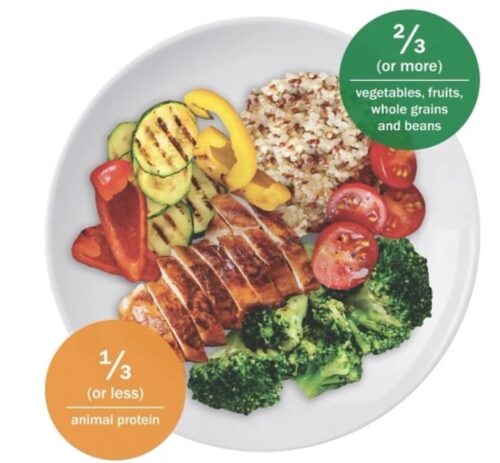
_
One other easy-to-follow template for plant-based meal planning is Harvard’s Healthy Eating Plate. Like the AICR’s New American Plate above, their suggestions reflect the large body of science-based research that suggests ways to lower your risk of cancer and other potential health problems.
Interestingly, neither of these approaches forbid eating foods that come from animals. However, they do encourage choosing more seafood, poultry, and plant-proteins like beans. They also encourage increasing fruits, vegetables, whole grains, and other plant-based foods.
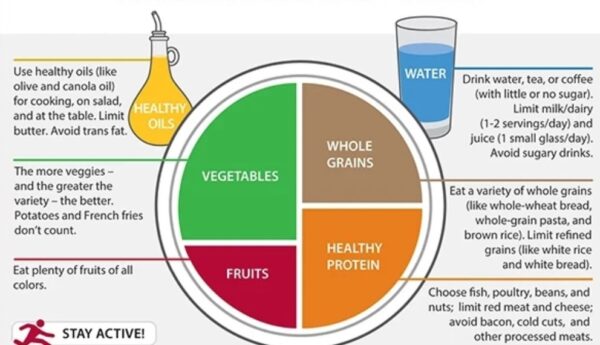
Figure above shows Harvard’s Healthy Eating Plate.
_
In general, the overall goal is to strike a healthy balance of foods at each meal by dividing your plate into sections:
- 1/2 vegetables and/or whole fruits
- 1/4 protein
- 1/4 whole grains (or starchy vegetables like sweet potatoes, winter squash, peas, corn, and legumes)
- A moderate amount of healthy fats, distributed throughout the meal
- Also, drink plenty of water
Although AICR’s recommendations are focused specifically on cancer, Harvard’s Healthy Eating Plate is very similar. You choose whichever approach works best for you.
_
The ways to Healthy Diet include:
- Make half your plate fruits and vegetables: The more colourful you plate, the more likely you are to get the vitamins, minerals and fibre your body needs, so be sure to choose a variety of red, orange and green vegetables (such as tomatoes, sweet potatoes and broccoli).
- Make half the grains you eat whole grains: eating whole grain foods such as whole-wheat bread will help you avoid processed grains high in empty carbohydrates. Look for whole wheat, brown rice, bulgur, buckwheat, oatmeal, rolled oats, quinoa or wild rice.
- Switch to fat-free or low-fat (1%) milk: Fat free and low fat milk contains the same amount of calcium and other nutrients as whole milk, but contains fewer calories and less saturated fat.
- Choose a variety of lean protein foods: Lean meats (meat with lower fat content) are far better than meat with large amounts of fat content. Select leaner cuts of beef, skinless chicken breast.
- Compare sodium in foods: Use the nutritional facts included in the labels on food packaging to select foods containing low levels of sodium. Choose canned foods with labels stating low sodium, reduced sodium or no salt added.
- Drink water instead of sugary drinks: By drinking water or unsweetened, you can cut your calories substantially. Sodas and energy drinks are high in added sugar and calories, so be sure to avoid these. If you seek added flavor, try adding a slice of lemon, lime or watermelon to your glass of water.
- Eat some seafood: Seafood such as fish and shellfish are high in protein, minerals and omega-3 fatty acids (healthy fat). Try eating at least eight ounces of seafood a week if you are an adult.
- Cut back on solid fats: Major sources of solid fats are cakes, cookies, ice cream and processed meat. Try to avoid these to cut back on your solid fat intake.
- The American Heart Association recommends that men consume no more than about 9 teaspoons of added sugar, or 36 grams, per day and women aim for no more than 6 teaspoons, or 25 grams, per day.
- Consume street foods as a special treat. Before you purchase though, observe the sanitary conditions of the ingredients, equipment, cooking techniques, cook/vendor, and housing. Also, make sure the food is well-cooked. If it is something you haven’t eaten before, try the smallest sample.
By following the above goals, you will help your body get the nutrients it needs, while cutting back on unhealthy content. If you combine a healthy diet with regular physical exercise, your physical and mental health with begin to improve immensely.
______
______
Food swap:
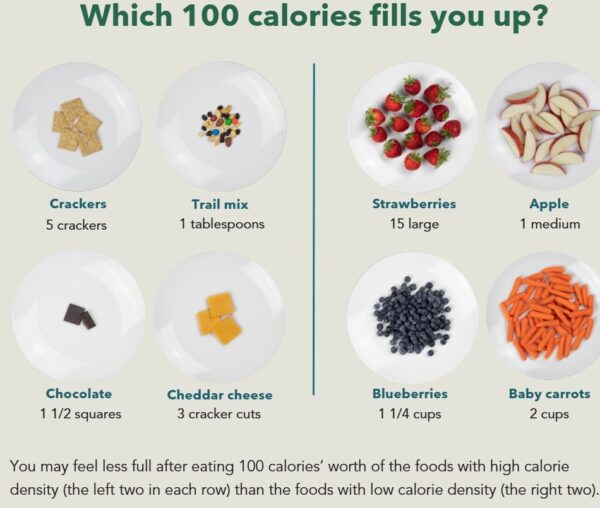
Healthy food swaps are simple changes you can make to your diet to replace less healthy food with more nutritious food. Healthy food swaps improve nutrition by increasing fiber intake, reducing sugar and salt, and replacing unhealthy fats with good ones to support overall well-being. Figure above shows that 100 Kcal crackers/chocolates are less filling than apples/strawberries resulting in overeating.
_
Figure below shows healthy food swaps:
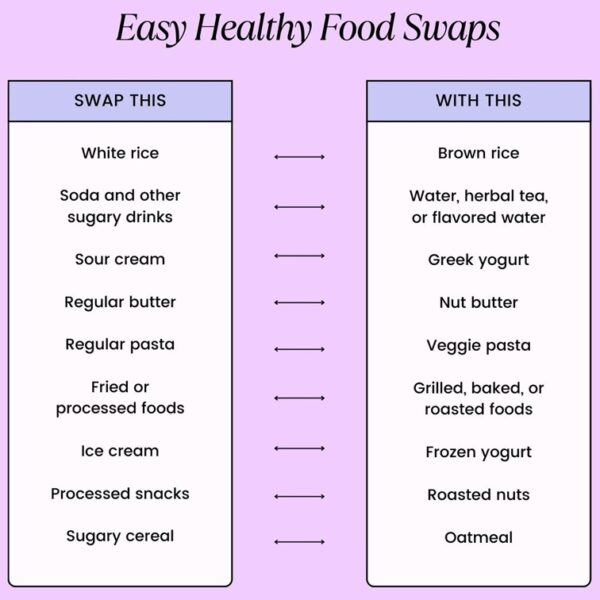
_
Cooking at home goes a long way toward reducing consumption of ultra-processed foods. Restaurants (especially fast-food restaurants) are notorious for tinkering with their recipes to achieve a certain flavor, which could involve using less-than-nutrient-dense ingredients. However, in some cases, getting unprocessed, whole food isn’t that simple, whether it’s an issue of affordability, availability, or accessibility. Still, you can likely make small changes to tweak the amount of ultra-processed foods in your diet. Here’s a chart to help you make some nutritious swaps:
|
Ultra-processed |
Processed |
Home version |
|
sweetened breakfast cereals |
plain bran cereal |
oat groats or steel-cut oats sweetened with honey |
|
soda |
artificially flavored sparkling water |
water with a splash of fruit juice or fruit slices |
|
flavored potato chips |
plain tortilla chips |
DIY pita chips |
|
white bread |
whole wheat bread with minimal ingredients |
homemade wheat bread |
|
fried chicken |
deli rotisserie chicken |
roast chicken from scratch |
|
flavored candy bar with long ingredient list |
simple candy bar with short ingredient list |
dark chocolate squares |
|
frozen, blended coffee drink |
store-bought cold brew |
drip coffee |
|
mashed potato flakes |
frozen potatoes |
fresh, whole potatoes |
|
energy drink |
sweetened fruit juice |
fresh-squeezed orange juice |
|
flavored granola bars with added sugar and preservatives |
granola bars with minimal additives |
DIY granola |
|
artificially flavored cheese crackers |
naturally flavored crackers |
apple and cheese slices |
______
______
Ways to cut junk food:
-1. Plan Your Meals: Prepare a weekly meal plan that includes nutritious, balanced meals and snacks. Having a plan in place reduces the temptation to opt for convenience foods.
-2. Cook at Home: Cooking your meals from scratch gives you control over ingredients and cooking methods, allowing you to make healthier choices.
-3. Stock Healthy Foods: Keep your kitchen stocked with fresh fruits, vegetables, whole grains, lean proteins, and healthy snacks to reduce the urge to grab junk food.
-4. Pack Snacks: When you’re on the go, carry nutritious snacks like nuts, seeds, cut fruits, or whole-grain crackers to avoid relying on vending machines or fast food outlets.
-5. Read Labels: Learn to read food labels to identify hidden sugars, unhealthy fats, and additives in packaged foods. Choose options with fewer processed ingredients. Avoid foods with added nitrites or nitrates, and foods that are cured or salted. Ask yourself if you can read and understand the ingredient list. The shorter the list, the better. Purchase smaller-sized portions.
-6. Practise mindful eating: Avoid snacking on junk food in front of the TV, while driving or being on your phone. To avoid filling up on less healthy foods and overeating, try to eat your meals at the table and turn off your screen e.g. TV, phone, iPad. This will help you to pay attention to what, when and how much you’re eating. If you do have a treat, focus on the delicious taste – you’ll enjoy it more and be less likely to overeat.
-7. Make healthier swaps: The less processed the better and fresh is best. Cutting out junk doesn’t mean you can’t enjoy food. In fact, there are plenty of swaps to healthier foods that taste just as good.
-8. Think before you drink: Carry a water bottle, keep it filled and when you’re thirsty, drink water instead of soft drinks, fruit juice, sports drinks or energy drinks. If you don’t like water from the tap then try it chilled, sparkling or add lemon and mint to give some flavour.
-9. Start your day on the right foot: A nutritious breakfast will set you up and stop you craving unhealthy foods for the rest of the day. Go for porridge, an omelette, baked beans, a smoothie, peanut butter on wholegrain toast or yoghurt and fruit to keep you satisfied. If you’re in a hurry, a banana or piece of wholegrain toast are easy to eat on the go.
-10. Avoid processed meats and keep red meat (beef, pork, and lamb) to two servings per week.
-11. Avoid common ultraprocessed foods like flavored or sweetened white rice, sweetened breakfast cereal, potato chips, soda, and frozen fried chicken.
_______
How to Prevent Junk Food Addiction in children:
-1. Create a Home Environment that supports Healthy Eating
- Keep ultra-processed foods out of the house or limit their presence.
- Make whole, nutrient-dense foods the easy option.
- Offer balanced meals with protein, fiber, and healthy fats to reduce cravings.
- Offer healthy snack platters that include some of their favourite foods but plenty of healthy plant foods.
-2. Avoid the Forbidden Fruit Mentality
- Don’t label foods as “bad” or “forbidden” (this increases their appeal).
- Instead, focus on how food makes us feel (e.g., “This food helps us feel strong and energised”)
- Allow small treats, but ensure they are an appropriate serve size
-3. Identify Emotional & Habitual Triggers
- Are you/your child eating from stress, boredom, or habit?
- Replace junk food with other coping mechanisms (e.g., a bike ride, walking the dog, board game, fun activity or phone call with a friend!).
-4. Meal Planning & Smart Substitutions
- Plan meals/snacks so you’re not caught off guard.
- Find healthier versions of favorite snacks (e.g., homemade popcorn instead of chips).
- Hydration
- It’s important to make sure they are drinking enough water, as we can all eat when in fact, we are thirsty
- When we are dehydrated, we can feel tired, which makes us more likely to desire and eat junk food!
______
______
Clever tips to enjoy occasional junk food without harming health:
Living a healthy life doesn’t mean cutting out every craving or saying goodbye to favourite foods.
-1. Make every bite worth it
Eating junk food just because it’s there is like watching a movie with the volume on mute—what’s the point? The indulgences should be intentional and meaningful. If a treat doesn’t feel exciting, satisfying, or delicious enough to be memorable, it probably isn’t worth the calories.
-2. Never eat junk food on an empty stomach
This is where many go wrong. Extreme hunger turns people into speed eaters and leads to uncontrolled portions. And when the food in question is greasy, fried, or sugar-loaded, it only takes a few extra bites to tip the health scale. Remember junk food is best enjoyed after taming hunger. A pre-snack of protein, fruits, or even some lightly cooked veggies can help balance the appetite. Once the body isn’t screaming for fuel, the brain can actually savour that treat, slowly and mindfully. That shift alone can turn a guilt trip into a guilt-free experience.
-3. Keep junk food out of easy reach
This one is all about controlling the environment. Storing junk food at home is like lighting a match next to a firecracker—eventually, it’s going to go off. Emotional triggers like stress, boredom, or even late-night cravings can take over when that bag of chips or chocolate bar is just an arm’s length away. Instead, the strategy is to make access inconvenient. Buy in small portions, eat it fresh, and toss what’s left.
-4. Cravings aren’t the enemy; mindless eating is
Cravings are natural. They’re not signs of weakness but signals from the body and mind. The problem arises when these cravings are fed without thought. We should not say “no” to cravings but about learning when, how, and why to say “yes.”
-5. Smoothen sugar curve
By starting your meal with a green salad dressed in vinegar, you can significantly smooth out your glucose curve. This veggie-and-vinegar preload slows starch digestion and improves glucose uptake, leading to better energy levels and fewer crashes. The magic lies in how acetic acid, found in vinegar, slows starch digestion and encourages muscles to take up glucose more effectively. Studies show it can reduce insulin levels by around 20% and reprogram mitochondria to burn fat more efficiently. Meanwhile, starting meals with fiber-rich veggies slows glucose absorption, creating a “protective mesh” in the digestive tract that mitigates the spike from starchy foods.
______
______
Drugs to counter junk foods:
Trying to trick people into eating their junk food, and more of it, is nothing new for Big Food. They have been doing things like sealing aromas in packaging, making chips noisier, amplifying the intensity of artificial sweeteners, engineering fats to melt at precisely the right temperature in the mouth, and changing the structure of salt crystals so they absorb into chemical pathways quicker, all in an effort to get people to eat more. They have even made food like potato chips, popcorn and mac-and-cheese bland on purpose because they found people will eat more if they are bland because the more someone eats a strongly flavored food, the less they want to do so.
For decades, Big Food has been marketing products to people who can’t stop eating, and now, suddenly, they can. Semaglutide and several other similar new drugs, mimics a natural hormone, called glucagon-like peptide-1 (GLP-1), that slows digestion and signals fullness to the brain. GLP-1 drugs seem not only to shrink appetite but to rewrite people’s desires. They attack the industrial palate: the set of preferences created by our acclimatization, often starting with baby food, to the tastes and textures of artificial flavors and preservatives. Patients on GLP-1 drugs have reported losing interest in ultraprocessed foods, products that are made with ingredients you wouldn’t find in an ordinary kitchen: colorings, bleaching agents, artificial sweeteners and modified starches. Some users realize that many packaged snacks they once loved now taste repugnant.
Around seven million Americans now take a GLP-1 drug, and by 2035 the number of U.S. users could expand to 24 million. More than 100 million American adults are obese, and the drugs may eventually be rolled out to people without diabetes or obesity, as they seem to tame addictions beyond food — appearing to make cocaine, alcohol and cigarettes more resistible.
______
______
Section-14
Steps to be taken by governments to control junk food epidemic:
There are no easy solutions to counter the global spread of ultra-processed foods. Governments face significant opposition from powerful food corporations, and implementing taxes or regulations can be difficult, especially in countries with fragmented or informal food sectors. However, there are success stories to learn from. Chile, for example, has implemented front-of-package labelling that clearly identifies unhealthy foods, and Mexico has introduced a tax on sugar-sweetened beverages. If emerging economies fail to address the growing double burden of malnutrition—where obesity coexists with undernourishment—the health and economic costs will be severe. However, with targeted interventions and a focus on preserving traditional food systems, there may still be time to slow down or stop the march of ultra-processed foods and mitigate their impact on global health and traditional diets.
_
30 countries around the world now require front-of-package labelling for foods high in fats, salt and sugar, with Argentina being the most recent and joining Mexico, Peru, Chile and Uruguay in the region with similar legislations. Front of pack labels are different in every country – for example Chile uses black stop signs, France uses a ranking from A to E, and Australia uses stars – but the effect is the same everywhere: providing consumers with easier to understand information about what is in the food they eat, to help them make healthier choices at the supermarket.
_
Some countries are also limiting the marketing of unhealthy food products to kids. The United Kingdom, Sweden, South Korea, Taiwan, Chile and Mexico are among those with national policies that limit or prohibit junk food marketing and advertising to protect children. The UK government approved a law that will come into effect in 2026 banning all TV and online advertising of junk food before 9pm as children across the UK are getting shorter and sicker amid an epidemic of poor diets. In 2022 Spain’s Minister of Consumer Affairs announced a ban on advertising of junk food targeting children under 16 years of age, reinforced by Barcelona’s city Mayor introducing city-wide limits on junk food and drink advertisements in public spaces.
______
______
Junk food politics:
An interesting public health paradox has emerged in some developing nations. Despite government commitment to eradicating noncommunicable diseases and innovative prevention programs aimed at reducing obesity and type 2 diabetes, sugary beverage and fast food industries are thriving. But political leaders in countries such as Mexico, Brazil, India, China, and Indonesia are reluctant to introduce policies regulating the marketing and sale of their products, particularly among vulnerable groups like children and the poor. Why?
_
In the book ‘Junk Food Politics’, Eduardo J. Gómez argues that the challenge lies with the strategic politics of junk food industries in these countries. Industry leaders have succeeded in creating supportive political coalitions by, ironically, partnering with governments to promote soda taxes, food labeling, and initiatives focused on public awareness and exercise while garnering presidential support (and social popularity) through contributions to government anti-hunger and anti-poverty campaigns. These industries have also manipulated scientific research by working with academic allies while creating their own support bases among the poor through employment programs and community services. Taken together, these tactics have hampered people’s ability to mobilize in support of stricter regulation for the marketing and sale of unhealthy products made by companies such as Coca-Cola, PepsiCo, and Nestlé.
_
In the 2010s, Coke made a big push into rural parts of lower income countries to sell more soda. So they made smaller, more durable bottles – a 1-cup serving size that could be sold more cheaply and last longer on the shelves. They built solar-powered coolers that allowed sellers to keep Coke bottles cold in places off the electrical grid – and offer mobile phone-charging to their customers. And they launched “splash bars” – small businesses run by women that sold shots of Coke, Fanta and other Coca-Cola products for as low as 7 U.S. cents a serving to make the beverage affordable to everyone. The company presented this strategy as a win-win – they benefited because their product was becoming more available in remote areas and female entrepreneurs had a new way to earn a living. Coca-Cola is one of many junk food companies plus fast-food giants like McDonald’s and KFC are targeting “emerging economies” – countries where income is on the rise along with trade with wealthier nations. In these countries, many people see the ability to buy so-called junk food – not just soda but packaged chips and candies and fast food from chains – as a sign they’re made it. And the junk food manufacturers try to put a positive face on their campaigns to expand their audience. They forge partnerships with local governments to fight hunger and poverty – even as the rising consumption of junk food leads to soaring rates of obesity and diabetes.
_
Over the past 30 years, the introduction of free-market reforms, a rising middle class, a desire for foreign direct investment, and increased availability of ultra-processed foods made many LMICs fertile ground for junk food sales. Companies such as Coca-Cola, PepsiCo, Nestlé, and others wasted no time in exploiting these opportunities to increase sales. Today, the Coca-Cola Company generates more than half of its sales outside HICs, Mexico consumes 86% more sugar-sweetened beverages per person than the USA, and the ultra-processed food industry is growing by 19% per year in India.
_
Junk food politics is a two-way street. It’s when junk food industries influence politics and society so they can avoid regulations that will impact their profitability, such as taxes on junk foods and regulations on marketing and sales. We often think industry is to blame. But governments are also to blame because political leaders partner with industry on their own political agendas – which gives industry clout to undermine policies that would cut their profits.
What’s a good example of junk food politics in action?
In Brazil, for example, you have the rise of industry groups, like the Brazilian Food Industry Association that were very, very influential in lobbying the congress and infiltrating national agencies that are working on regulations like advertising restrictions for junk food. They’re engaging in partnerships with governments and communities where they can be perceived as a solution to the problems of obesity and diabetes by, for instance, helping to improve the sharing of nutritional information. They’re building legitimacy and avoiding costly regulations.
At the same time, Brazil’s President Lula in his prior term had a famous anti-hunger campaign. And Lula worked with Nestlé to strengthen this program and went as far as creating an office within his presidential palace to partner with industries that wanted to contribute to this anti-hunger program. And so that was a strategic, two-way partnership that benefited industry and benefited the government. Of course, President Lula’s intentions were admirable in alleviating hunger. But perhaps it wasn’t a good idea to partner with companies that produce a lot of these ultra-processed foods, because it indirectly legitimizes the company. It amplifies the popularity of their products and their harmful consequences to health.
_
Governments in low-resource countries have made some progress on taxing junk foods and improving the labeling but none of these governments have committed to restricting advertising. Countries have, instead, relied on voluntary pledges from companies to refrain from marketing unhealthy foods to children. In a lot of these countries, there are no firm laws on what can be sold in schools. And even when they have laws or rules that prohibit the sale of junk foods in schools, they are not effectively being enforced.
There’s a paradox: While countries such as Mexico, Brazil, India and Indonesia have done a great job of increasing nutritional awareness, obesity and diabetes is still skyrocketing. And that’s because governments are doing a little bit on the fringes but not really getting to the heart of the problem. They’re not taking on these industries through regulations to sales and advertising.
_
LMICs have been manipulated by junk food industries to further their agendas. In Mexico, for example, Vincente Fox, the President of Mexico from 2000 to 2006, came into power with an agenda to boost the national economy and alleviate poverty and hunger. As a former Chief Executive of Coca-Cola Latin America, “during his presidential campaign, Fox benefitted greatly from the support of friends at Coca-Cola…he returned the favour by not only ensuring Coca-Cola’s and other companies’ prosperity but also avoiding…the first attempt to impose a tax on soda products containing sugarcane in 2003.
_
Junk food industries engage in partnerships to further education and promote hygiene, healthy lifestyles, or physical activity, while their practices and products contribute to increasing rates of obesity and NCDs. In India the Nestlé Healthy Kids Programme was launched “to create and raise awareness regarding good…nutritional content of foods and physical fitness among students”. Such activities increase junk food industries’ legitimacy and reputation as responsible guardians over health-related issues. Just as the fossil fuel, tobacco, and alcohol industries have done before, the beverage and food industries have shaped the narrative to focus on personal responsibility and away from broader regulatory and political action that would reduce their profits. Governments, reluctant to break ties with powerful allies, go along with the plan. In India, for example, part of a US$11 million donation from PepsiCo went to an education and exercise-oriented Get Active programme that “covered 300 000 children across 10 cities and 350 schools in 2009”.
_
For years, the US federal government has steered clear of regulating junk food, fast food and ultra-processed food. Now attitudes are changing. Some members of President-elect Donald Trump’s inner circle are gearing up to battle “Big Food,” or the companies that make most of the food and beverages consumed in the United States. Health and Human Services Secretary Robert F. Kennedy Jr. has targeted ultra-processed foods, saying they’re a major contributor to chronic disease in the U.S. Based on recent statements, a variety of potential politically charged policy options to regulate ultra-processed food may land on the Trump team menu, including warning labels, changes to agribusiness subsidies, and limits on which products consumers can buy with government food aid.
On Capitol Hill, Sens. Bernie Sanders, an independent from Vermont, Ron Johnson, a Wisconsin Republican, and Democrat Cory Booker of New Jersey are sounding the alarm over ultra-processed food. Sanders introduced legislation in 2024 that could lead to a federal ban on junk food advertising to children, a national education campaign, and labels on ultra-processed foods that say the products aren’t recommended for children. Booker cosigned the legislation along with Democratic Sens. Peter Welch of Vermont and John Hickenlooper of Colorado.
Attacks from three sides — lawyers, Congress, and Trump administration, all seemingly interested in taking up the fight — could lead to enough pressure to challenge Big Food and possibly spur better health outcomes in the U.S., which has the lowest life expectancy among high-income countries.
“Maybe getting rid of highly processed foods in some things could actually flip the switch pretty quickly in changing the percentage of the American public that are obese,” said Robert Redfield, a virologist who led the Centers for Disease Control and Prevention during the previous Trump administration, in remarks at a December event hosted by the Heritage Foundation, a conservative think tank.
Claims that Big Food knowingly manufactured and sold addictive and harmful products resemble the claims levelled against Big Tobacco before the landmark $206 billion settlement was reached in 1998. “These companies allegedly use the tobacco industry’s playbook to target children, especially Black and Hispanic children, with integrated marketing tie-ins with cartoons, toys, and games, along with social media advertising,” Rene Rocha, one of the lawyers at Morgan & Morgan said.
______
______
Junk food regulation:
There are people who want to do away with ultraprocessed foods altogether and others who say there are not enough data to warrant any action. Ultraprocessed foods are a lot cheaper and more convenient than less processed ones. In the study by Hall, the minimally processed meals cost 40 percent more to buy and took the chefs longer to prepare. Spending hours hunched over a kitchen bench to churn butter is not the answer. But reducing consumption of ultraprocessed foods doesn’t mean we have to make everything from scratch. There’s a hell of a lot of packaged real food out there. We must look for minimally processed options that make cooking faster, such as a salad mix or chopped vegetables. We have to do our best to make healthy choices, Gearhardt says, but everything is stacked against us. As a food scientist, even she leaves the grocery store befuddled. “It’s easy to say we should just tell the individual to do better, but everything in the environment is set up for the industry to profit,” she says. In an ideal world, we would focus on making healthy alternatives convenient and affordable and reducing marketing to kids, Gearhardt says. “We need to take some courageous action and have some common sense that this food environment is not good for anybody,” she adds.
______
Anti junk food measures:
Several countries have taken, or are considering, various forms of legislative action to curb junk food consumption. Eating habits can be influenced by the food environment around us. In 2014, United Nations Special Rapporteur on the right to health, Anand Grover, released his report, “Unhealthy foods, non-communicable diseases and the right to health”, and called for governments to “take measures, such as developing food and nutrition guidelines for healthy diets, regulating marketing and advertising of junk food, adopting consumer-friendly labeling of food products, and establishing accountability mechanisms for violations of the right to health.”
-1. Comprehensive measures
In 2016, Chile became the first country to implement comprehensive nutritional quality measures aimed at consumers, with the Law of Food Labeling and Advertising. The statute mandated front-of-package warning labels, restricted marketing to children, and banned in-school sales of food and drink containing excessive sugar, salt, or saturated fat.
-2. Taxation
Several countries are using taxes to tackle unhealthy eating habits. And they’re making a difference. Taxes on sugary drinks have been introduced in Belgium, Finland, France, Hungary, Ireland, Latvia, Monaco, Norway, Portugal, Croatia, Poland, and the United Kingdom.
Taxes can help make food healthier. If a company keeps putting too much sugar into their products, they have to pay taxes. That makes it more expensive to make and sell their product. So to save money and keep prices lower, many companies choose to use less sugar to avoid taxes.
A sugar tax in the United Kingdom led many soda companies to lower their sugar content. Between 2015 and 2019, the percentage of sodas with more than 5g of sugar per 100 ml dropped from 49% to just 15%. Based on a small study, this tax could potentially prevent over 5,000 cases of obesity per year.
At least 50 countries and 16 smaller jurisdictions have instituted taxes on sugary drinks or non-essential foods that can harm health. In November 2023, Colombia will become the first country to implement taxes specifically targeting UPFs. Studies show that taxes work to reduce purchases and intake of unhealthy products and to increase purchases and intake of healthier alternatives. Evidence also strongly supports a tax design that raises sugary drink prices 20% or higher to have a truly meaningful impact. As you can see, this tax strategy is effective, but the food industry often finds ways around these rules. Targeting saturated fat consumption, Denmark introduced the world’s first fat-food tax in October 2011 by imposing a surcharge on all foods, including those made from natural ingredients, that contain more than 2.3 percent saturated fat, an unpopular measure that lasted a little over a year. Hungary has imposed taxes on foods and beverages high in added sugar, fat, and salt. Norway taxes refined sugar, and Mexico has various excises on unhealthy food.
-3. Restricting junk food advertising to children
Portugal has become the first country in the European Union to enact a regulation for digital marketing of unhealthy foods to children. Enforced by the Consumer Directorate-General, a division of the Portuguese Ministry of Economy and Digital Transition, Law No. 30/2019 came into effect on 23rd April 2019. The legislation specifically targets advertising campaigns promoting high-energy products and those containing excessive levels of salt, sugar, and saturated fats with the intent to protect children under the age of 16.
In mid-2021, the government of the United Kingdom proposed policies that would call for a ban on online advertisements of foods high in fat, salt, and sugar, in addition to an additional ban on advertising such foods on television before 9:00 pm local time. The bans would not affect advertisements that do not directly promote a junk food product, and promoting these products on company webpages and social media accounts would remain permitted. The bans were intended to come into force in 2023, but they will become effective from 2026.
The National Institute of Health (NIH) conducted a large study to directly tie childhood obesity to fast-food advertising on American television, based on the viewing habits of 13000 children between 1979 and 1997. The study concluded that a ban on fast-food advertising to children would cut the US obesity rate by as much as 18%. This was perceived a long time ago in the Scandinavian countries where Sweden and Norway instituted bans on all ads to children in the early 1990s.
Junk food that is targeted at children is a contentious issue. In “The Impact of Advertising on Childhood obesity”, the American Psychological Association reports: “Research has found strong associations between increases in advertising for non-nutritious foods and rates of childhood obesity.” Advertising of unhealthy foods to children increases their consumption of the product and positive attitudes (liking or wanting to buy) about the advertised product. Children’s critical reasoning (the ability to understand what an advertisement is and the aim of advertising to buy the product) is not protective against the impact of advertising, and does not appear to be fully developed during adolescence.
In Australia, a Wollongong University study in 2015 found that junk food sponsors were mentioned over 1,000 times in a single Australian cricket match broadcast, which included ads and branding worn on players’ uniforms and on the scoreboard and pitch. A coalition of Australian obesity, cancer, and diabetes organizations called on Cricket Australia, the sport’s governing body, to “phase out sponsorships with unhealthy brands”, emphasizing that cricket is a “healthy, family-oriented sport” with children in the audience.
-4. Restricting sales to minors
A government-sponsored junk food ban in schools across Mexico took effect recently, as the country tries to tackle one of the world’s worst obesity and diabetes epidemics. In April 2025. Spain adopted a decree requiring school canteens to offer healthier meals for kids and banning unhealthy snacks and sodas from vending machines. As of March 2023, school cafeterias in Slovakia have limited or prohibited the sale of energy/sugary drinks or fried food.
School environments can influence what children eat, making them important places to promote healthy habits.
In 2005, France banned vending machines that sold junk food and sugary drinks in schools. The country’s largest vending machine company didn’t like this idea and tried to stop it. They argued that education, not a ban, was the answer. But was the ban a bad idea? According to a 2018 study, not at all. The study concluded that the ban led to a 10g reduction in sugar intakes from morning snacks at school and reduced snack breaks. The study also suggested that while bans can help control unhealthy behaviour in some places, they’re not a complete solution. In other words, children still need to learn healthy habits outside of school.
-5. Clear and honest labelling
Consumers can make healthier choices when given clear and accurate information about products.
Nutri-Score:
This colour-coded, A-to-E label is Europe’s most popular health labelling system. It helps shoppers quickly compare food items in the same category. A product with a green A is healthier than a product with a red E in that food category. It is used in France, Belgium, Germany, Spain, the Netherlands, Luxembourg, and Switzerland.
Traffic Light System:
The Traffic Light System is used in the UK. It also helps shoppers quickly assess food. It shows the levels of things like energy, fat, saturated fat, sugar, and salt. Foods with a green label are the healthier choice. Amber means that a food is okay to eat sometimes, and foods labelled in red should be eaten less often.
These systems help consumers make healthier choices in the supermarket. But some argue the system unfairly assesses certain foods and can oversimplify nutrition. For example, Parmesan might receive a bad grade because of its high levels of saturated fat and salt, even though a small amount won’t significantly impact health.
Despite these problems, these systems are a start. In the future, more refined health labelling systems could help us make more informed decisions. It’s not a case of banning foods from our diets but understanding which foods should be consumed in moderation for better health.
-6. Front-of-package (FOP) warning labels:
Simple, mandatory nutrient warning labels such as those adopted in Chile (right, implemented 2016), Peru (2019), Israel (2020), Mexico (2020), Uruguay (2021), Argentina (2022), Brazil (2022), Colombia (2022), and Canada (by 2026) help consumers to identify unhealthy foods quickly and easily and make healthier choices from the vast array of products available to them. Studies show that FOP warning labels can reduce purchases of unhealthy products and concerning nutrients, ingredients, or additives, and that consumers better understand warning labels compared to other common FOP labeling systems such as “traffic lights”
-7. Regulate sale at supermarket:
If you often go to the shops armed with a carefully curated list, only to head home with extra bits and bobs, you’re not alone. More than one in three of us impulse buy unhealthy foods because they’re on special offer, according to a new report on the marketing tactics of supermarkets, from the Royal Society for Public Health (RSPH). About 43 percent of foods and drinks located in prominent areas of popular supermarkets are sugary, according to the Obesity Health Alliance. The average person in the UK makes 221 trips to the supermarket every year. That’s a lot of opportunities to impulse buy unhealthy food. In their recent report, Health on the Shelf, The RSPH and Slimming World say that supermarkets need to do more to promote healthier choices. They consulted a team of experts, who made a host of recommendations, including:
- Move junk food so it’s not at eye level or checkouts
- Use the Government’s EatWell plate to determine the proportion of products stocked according to their nutritional value
- Change end-of-aisle promotions – if sugary drinks are promoted, have healthier alternatives on promotion too
- Increase space given to fruit, veg, wholegrains and reformulated products with fewer calories and less sugar
- Provide signs nudging customers to make healthier purchases
- Hand out healthy snacks in trials and provide free fruit for hungry shoppers
- Have knowledgeable, friendly staff with a community feel to create a stimulating shopping experience
- Give discounts on healthier products instead of BOGOFs on unhealthy products, or have one day a week when all healthy products are discounted.
-8. SNAP junk food ban:
The U.S. government is cracking down on junk food regulations with major policy changes, including the SNAP junk food ban and FDA nutrition label changes for 2025. These new laws aim to curb the consumption of ultra-processed foods, introduce front-of-package nutrition labeling, and reduce misleading food marketing tactics. The proposed SNAP junk food ban could restrict food stamps from being used for junk food, including sugary drinks, processed snacks, and high-calorie items with little nutritional value. This move aims to encourage healthier eating habits among low-income families, who rely on Supplemental Nutrition Assistance Program (SNAP) benefits for groceries. Twelve states are restricting junk food purchases from SNAP.
______
Not surprisingly, food industry lobbying groups are pushing back against these junk food bans and nutrition label changes. Large food corporations argue that these regulations will:
- Increase food prices for consumers
- Hurt food manufacturers and fast food chains
- Limit consumer choice and restrict sales
Companies like Coca-Cola, PepsiCo, and major snack food brands are actively working to weaken food regulations, claiming they hurt the economy. The battle between public health advocates and corporate interests heats up in 2025.
_______
_______
Role of doctors:
Most doctors don’t receive the nutrition education they need to counsel their patients about ultraprocessed foods. Nutrition lessons in medical school tend to focus on biochemical pathways related to vitamin deficiencies. Medical education needs to focus more on how clinicians can integrate nutrition science into patient care. They should be able to explain what a whole grain is, and how whole grains have beneficial nutrients that are stripped away when grains are refined to make ultraprocessed foods.
_
It’s time that doctors stepped up to their responsibility to call out the junk food industry. Junk food marketing deliberately taps into powerful psychological principles which exploit our emotional vulnerabilities, sensory preferences, and desire for social connection. They particularly target children’s brains, which are still developing, making them more susceptible to the persuasive tactics used in food marketing strategies. And they use our sense of identity in a way that creates strong emotional ties, which politicians find impossible to challenge. The first port of call should be doctors. But the problem is that our clinical leadership are not stepping up to the fight. Many are sceptical that anything can be done about obesity. Research demonstrates that frontline primary care doesn’t believe that behaviour change is possible.
- A poll conducted by Sermo, a global social network for physicians, found that 69% of doctors believe that parents are either completely or mostly to blame for the childhood obesity epidemic.
- A study involving 3,267 resident physicians revealed that nearly 40% agreed with the statement ‘Fat people tend to be fat pretty much through their own fault’. Almost half agreed that ‘Some people are fat because they have no willpower’.
- A survey of healthcare providers showed that 58% believe obesity is mainly due to lifestyle choices, and 43% think that those living with obesity can reach a healthy weight if they only ‘try hard enough’.
- An All-Party Parliamentary Group (APPG) on Obesity report indicated that only 26% of people living with obesity reported being treated with dignity and respect by healthcare professionals when seeking advice or treatment for obesity.
We will struggle to make headway on the obesity debate until we debate the link between junk food epidemic and obesity epidemic. Clinicians are the voice that, on this subject, are trusted to challenge cultural norms, and to hold the junk food industry to account. We desperately need clinicians and their institutions to shake off these prejudices and start calling out the junk food industry for its impact on national health.
______
______
Section-15
Counter view on junk food:
_
Junk food definition challenged:
The dictionary defines junk as “useless, discarded articles; rubbish; nonsense”. So is junk food therefore useless, and rubbish?
There are some who challenge the definition “junk food”, and claim that the phrase is used as a moral judgement on certain people’s lifestyles rather than as a strictly scientific category.
Vincent Marks, Emeritus Professor of Clinical Biochemistry at the University of Surrey and co-editor of a new book titled Panic Nation: Unpicking the Myths We’re Told About Food and Health, goes so far as to claim that there is no such thing as junk food. “Junk food is an oxymoron,” he says. “Food is either good – that is, it is enjoyable to eat and will sustain life – or it is good food that has gone bad, meaning that it has deteriorated and gone off. “To label a food as ‘junk’ is just another way of saying, ‘I disapprove of it.’ There are bad diets – that is, bad mixtures and quantities of food – but there are no ‘bad foods’ except those that have become bad through contamination or deterioration.”
Professor Marks says that all foods – whether the dreaded twizzler or a freshly picked apple – are just combinations of protein, fat and carbohydrates, and our bodies will take from them what we need and get rid of the rest. “Even hamburgers provide energy in a palatable and affordable form,” he argues. “No food is ‘better for us’ than any other; it all depends upon circumstances. For people on a limited income or in times of famine, high energy density food is best and will enable survival. For the affluent and in times of plenty – like now in the UK – fruit is an important part of a mixed diet,” says Professor Marks. He says we should focus less on individual foodstuffs and more on diet. “There is no such thing as junk food, but there is such a thing as a ‘junk diet’. The quantity of food consumed, over say a weekly period, is just as important as its quality.”
_
Looking at the evolution of food, David Julian McClements, a professor in the University of Massachusetts Department of Food Science, said processing has enabled food to be digested more easily and rapidly and taste better — with positive and negative effects in nutrition absorption, satiety, systemic response and chronic disease. Still, he noted, food science can be harnessed to maximize the benefits. “We really need to look at foods on a case-by-case basis,” McClements said. “All processing is not bad. We have to judge foods on their health effects and nutritional sets, not on how much they’re processed. I think that’s what we really need to get off to consumers: If you eat this food versus that food, what effect is it having on your health? Not whether it’s highly processed or not. “What we want to do is have the benefit of processed foods without the adverse health effects, and we need to be able to quantify and improve that.”
_
UPF and food insecurity:
Food insecurity is defined as a household-level economic and social condition of limited or uncertain access to adequate food. Food insecurity and hunger continue to be severe global issues, with over 2.3 billion people facing moderate to severe food insecurity in 2023 and a significant rise in acute hunger in 2024. Food insecurity is associated with higher consumption of ultra-processed foods (UPFs) because these foods are often cheaper, more accessible, and heavily marketed, particularly in low-income communities. Individuals facing food insecurity may prioritize quantity and shelf-stability over nutritional quality, leading them to choose UPFs to ensure their households have enough to eat. Concern is expressed about potential unintended consequences, particularly for vulnerable groups, where advice to avoid UPF could create stigma and guilt due to lack of time or facilities to prepare and cook meals from scratch. It could also impact on nutrient intakes, as some foods classified as UPF represent more affordable sources of important nutrients (e.g. packaged wholemeal bread). Overall, it is more important to focus on providing practical advice around selection of healthier processed foods and making healthier foods more accessible rather than promoting the avoidance of UPF. The latter may act to demonise all foods classified as UPF by current definitions, including some affordable nutrient-dense foods.
_
Advocates of junk food says it should not be banned. Why?
- Banning junk food is against the right to choice of food.
- If we eat junk food in limited qualities, it won’t be much problem. Health problems arise when we take too much junk food. So, junk food itself is not the problem, but limiting the intake is the key.
- Not everyone agrees on what is junk food and what is not. Even some junk food products are marketed as healthy snacks. So, banning junk food is not a practical solution.
______
______
Pitfalls of nova classification:
Nova classifies all foods and food products, according to the extent and purpose of the industrial processing they undergo, into 4 groups: unprocessed or minimally processed foods, processed culinary ingredients, processed foods, and ultra-processed foods (UPFs).
Unlike minimally processed and processed foods, UPFs are not simply modified whole foods. As defined in Nova, they are industrial formulations made mostly or entirely with substances extracted from foods, often chemically modified, and from additives, with little if any whole food added. Sequences of processes are and must be used to obtain, alter, and combine the ingredients and to formulate the final products (hence “ultraprocessed”).
Ingredients and processes used to create UPFs aim to obtain convenient (durable, ready-to-consume), tasteful (often hyperpalatable), highly profitable yet relatively affordable (low-cost ingredients) products, liable to displace all other Nova food groups. Many are designed to be consumed any time, anywhere. Branding and ownership by transnational corporations, as well as aggressive marketing, give UPFs additional market advantages.
Salt, sugar, and fat are common ingredients of UPFs, often in higher concentration than in processed foods. But what is characteristic of these products, and identified by Nova as markers of food ultra-processing, are food substances not traditionally in culinary use (such as plant protein isolates, mechanically separated meat, and modified starches and oils) and additives with cosmetic functions (such as colorants, flavors and flavor enhancers, emulsifiers, and non-sugar sweeteners).
Ultra-processed foods include both “regular” and “diet” soft drinks; sweet or savory packaged snacks; confectioneries, mass produced packaged breads, pastries, and cakes; margarines and other spreads; breakfast “cereals”; “milk” and “fruit”.
The overall “golden rule” of the guide is “Always prefer unprocessed or minimally processed foods and freshly made meals to ultra-processed foods.” Consumption of UPFs is associated with poor dietary quality and consumption of UPFs is associated with chronic disease.
_
Counter view says that the evidence essentially shows that increased dietary share of UPFs is systematically associated with poor-quality diets and increased morbidity and mortality from several chronic diseases. One cannot draw conclusions based on these associations. Observational studies, even those of the highest quality, cannot prove causality. Such studies involving UPFs are especially susceptible to confounding—that is, the bias resulting from the presence of factors associated with both exposures and outcomes. Various approaches can be used to account for confounding in observational studies, but it is practically impossible to completely eliminate the impact of unmeasured or unmeasurable factors. For obesity-related outcomes, a chief concern involves “an unhealthy cohort effect,” that is, the presence among high UPF consumers of numerous factors associated with high body weight (e.g., lower socioeconomic status and education, less health-conscious behavior, depression, smoking, low physical activity, short sleep duration, and others). For these reasons, RCTs are needed. But only one or two RCTs support of the arguments that food processing itself is the cause of adverse health outcomes. And even these studies are too short, have too small sample size and confounded (e.g., by energy density, added sugar, fiber type, and amounts) to allow for causal inference.
_
In addition to concerns for confounding, the utility of the concept of UPFs depends on objective definitions for terms such as “processing” and “ultra-processing.” However, the Nova definition does not provide such objectively or clear distinctions to guide classification involving ingredients. This ambiguity is illustrated by repeated use of words such as “mostly,” “mainly,” “often,” “in many cases,” and “normally” and poorly defined constructs such as “highly profitable” and “hyperpalatable,” impeding rigorous research by scientists and application by consumers. Moreover, meals made of similar ingredients by the same processes may be classified differently depending only on the location in which they are prepared: if preparation is industrial, then the food is considered a UPF; if preparation is at home, then it is not.
_
Food processing from ancient times to today:
Food processing is the means through which humankind throughout its history has treated raw materials to obtain better (e.g. more digestible) or safer (e.g. to remove toxins) food products. Through the ages, humans have treated raw commodities they have hunted, gathered, grown or derived through domestication of animals to reduce spoilage and extend shelf life, to improve their palatability and to create safer food products. It is abundantly evident that human survival and evolution were unquestionably aided by the ability to process foods (Reference van Boekel, Fogliano and Pellegrini).
_
Thus, food processing does not necessarily translate into poorer nutritional properties. Actually, historically, the opposite is true, as shown by some classical examples. Corn, or maize, was first domesticated by the Indigenous people living in what is now central Mexico around 7000 BCE. Around 1500 BCE, Mesoamericans developed a process called nixtamalisation, which made maize more palatable (in fact, improved palatability is likely to have been the only reason why the procedure was developed). The process involves drying maize kernels and then soaking them in warm water mixed with an alkali, such as ash or slaked lime. Nixtamalisation partially breaks down maize cell walls, making it easier to chew and digest. Because maize is high in non-absorbable niacin (vitamin B3), most people who relied on unprocessed maize as a primary food source suffered from niacin deficiency (pellagra) whose clinical manifestations include the classical triad of dermatitis, diarrhea and delusions. Nixtamalisation makes niacin – and some limited aminoacids – bioavailable; therefore, following the development of nixtamalisation, cases of niacin deficiency dropped, and the region’s first major civilisations started to develop.
_
Another example is canned food, which represented a major advance enabling the French troops to endure longer campaigns (Reference Appert), and – to this day – canning provides people worldwide with nutritious and bacteriologically safe foods, concomitantly reducing waste. The same line of reasoning applies to food safety, which is greatly enhanced by food processing such as pasteurisation, other forms of heat processing and the like.
_
Cassava (Manihot esculenta Crantz) is an important tropical root crop providing energy to a large proportion of the world’s population. However, raw cassava contains at least two cyanogenic glycosides, linamarin and lotaustralin, that limit its use as food or feed. Since early times, processing techniques in cassava production have been developed and greatly reduce cyanide in tubers and leaves. The most widely used methods to reduce cyanide in cassava are drying via exposure to sunlight (which reduces cyanide better than oven drying owing to a prolonged interaction between linamarase and the glucosides) and soaking followed by boiling (Reference Padmaja). Soaking and boiling is also used to inactivate lectins in legumes such as soyabeans and red kidney beans (Reference Naegeli and Birch, Reference Adamcova, Laursen and Ballin).
_
Infant formula is yet another example of how food technology improved the lives of millions of children worldwide. While is it indisputable that breast-feeding should be the preferred way of providing nutrients to a newborn (Reference De Cosmi, Mazzocchi and Agostoni), insufficient breast milk intake is frequent (Reference Wilde) and could lead to impaired growth. Moreover, despite recommendations, the majority of mothers in developed countries choose to switch their infants to predominantly formula intake by 6 months of age. Several formulas have been developed over the years and their composition is constantly improving, for example most recently by adding fructooligosaccharides (Reference De Cosmi, Mazzocchi and Agostoni), milk fat globule membranes (Reference Fontecha, Brink and Wu) or long-chain omega 3 fatty acids (Reference Carlson). Actually, such additions transform these formulas into so-called UPF. A similar line of reasoning applies to purposefully formulated foods aimed at lessening the burden of malnutrition (stunting and/or wasting) in developing countries (Reference Marchini, Gipoo and Lolli).
_
Food fortification might also be responsible, according to NOVA, for shifting food items from one category to a worse one from a processing perspective. However, food fortification may be necessary in countries where micro-nutrient availability is reduced or impeded by inherent conditions. One pertinent example is that of vitamin D, low status of which is associated with poor musculo-skeletal health, and increased risk of rickets and osteomalacia. Since its discovery a century ago, fortification with vitamin D of foods such as milk in the United States and margarine in the UK has unquestionably contributed to near eradication of rickets (Reference Buttriss and Lanham-New), and has more recently been introduced in countries such as Finland, where food, especially milk product fortification, has greatly contributed to ameliorating low vitamin D status (Reference Jaaskelainen, Itkonen and Lundqvist). Folate-fortified grain products are, purportedly, ultra-processed foods in the NOVA classification, yet avoiding their use in the year prior to conception has been associated with a 30% increased risk of spina bifida (Reference Desrosiers, Siega-Riz and Mosley) and wheat flour is now fortified with folic acid, by law, in numerous countries worldwide. Notably, vitamin D intake from unfortified foods or as derived from sunlight exposure and the folate contents of/intakes from vegetables are almost always inadequate (Reference Kimball and Holick) to produce similar health effects to fortified foods (Reference Benedik–Reference Spiro and Buttriss), meaning that national public health policies often focus on fortification and/or supplementation of diets (Reference Buttriss and Lanham-New,Reference Buttriss, Lanham-New and Steenson). Also worthy of mention are special foods for people who are lactose intolerant or living with coeliac disease or children with inborn genetic diseases, which are often lifesaving but require application of specialised food processing techniques (Reference Khairuddin and Lasekan).
_
Dietary fibre provides another example, where benefits for gut health, heart health (Reference Lichtenstein, Appel and Vadiveloo) and protection against some forms of cancer are notable yet intakes often fall below dietary recommendations (Reference Buttriss). In westernised countries, cereal-derived fibre makes a major contribution to overall fibre intake and palatable fibre-rich products, such as whole-meal bread, pasta and cereals are often made by recombining wheat fractions, such as bran and white flour. Unfortunately, many high-fibre foods such as breakfast cereals and most whole-meal bread are adversely classified by NOVA and reducing their use simply because they are captured by the definition of being UPF would be expected to exacerbate already low fibre intakes (Reference Estell, Barrett and Kissock).
_
Food processing: friend or foe?
Looking more closely, the main problem with the NOVA classification is that it is not really compatible with the classical evidence-based evaluation of food, based on composition and mode of consumption. According to NOVA, it is not important what (or how much) is eaten, but how it has been produced (processed) and by whom (home or industry) (Reference Monteiro, Cannon and Moubarac). Thus, differing health effects of different amounts of different fats and carbohydrates are often overlooked, as are portion sizes. A large steak is allocated to group 1 (the optimal one), while many wholegrain products, a protein bar made with extruded legume flours or fruit-enriched yogurts are, instead, penalised. The consequent mismatch between NOVA and the classical nutrient-based classifications is striking at times, extending to 50% of considered food items in Australia (Reference Mackerras).
_
In any case, it is useful to reflect on which one of the many technological steps involved in food processing might actually be responsible for the, allegedly, negative consequences. More specifically, it is necessary to investigate if the various processing steps are correlated with food characteristics such as accelerated eating rate, high energy density or high glycaemic index, which can easily be correlated with negative health outcomes (Reference Willett, Rockstrom and Loken). For this purpose, several industrial processing methods were scrutinized, considered their consequences on the nutritional value of the products, and assessed if they can cause alteration to the food matrix structure, disrupting the original tissue organisation and/or leading to the loss of food identity. The results of this exercise are summarised in Table below.
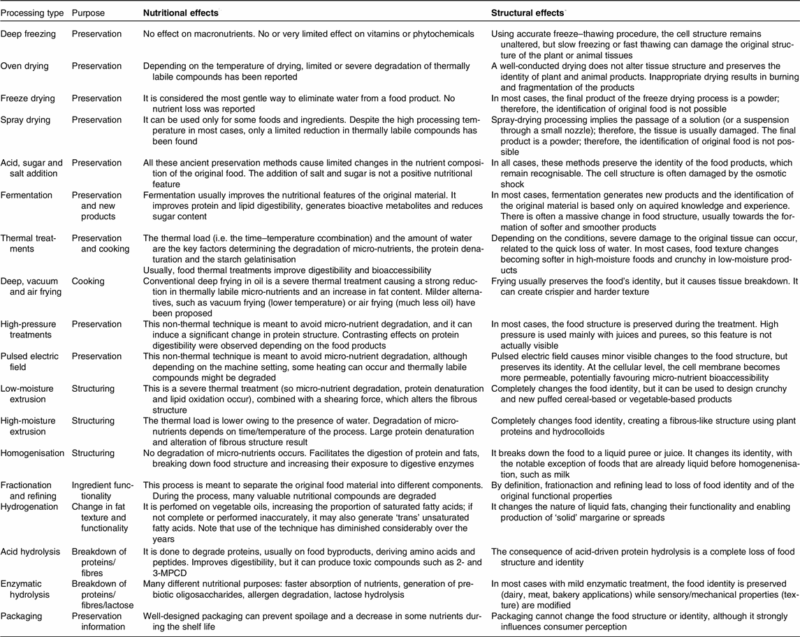
Table above shows influence of food processing techniques on nutritional characteristics of foods and effect of the different processes on the physical characteristics of the food structure.
_
It is worth remembering that part of food processing operations derives from the need to eliminate harmful living micro-organisms, to avoid food spoilage over time (Reference Yoon and Lee). This is a major positive effect of food processing, helping ensure food safety and security worldwide (Reference van Boekel, Fogliano and Pellegrini). Operations like freezing and drying have been known for millennia, and are currently carried out industrially with technologies that are now far more efficient than their purely natural counterparts, namely snow and sun. Moreover, freezing or oven drying have minimal effect on nutrient composition, and also minimal influence on the food matrix structure (Reference Zhu, Zhou and Sun). Freeze drying or spray drying can efficiently eliminate water from food, reducing the likelihood of food spoilage over time. However, these processes often produce food items in a powdered form (Reference Li, Lin and Roos), which might not then be perceived as ‘real food’ by many consumers (Reference Sanchez-Siles, Michel and Roman).
_
Food fermentation is also one of the most ancient processing operations; according to NOVA, fermented products are not ultra-processed. However, as with other processing techniques, fermentation improves stability and digestibility of many animal- and vegetable-based products, causing profound changes in food structure, and basically creating new foods, such as bread from flour, cheese and yogurt from milk, beer from grain, wine from grapes, etc., whose familiarity depends on the consumer’s culture. For instance, miso is clearly identified as a fermented soybean-based product in Japan, but it might be classified as an unknown (ultra)-processed product in Europe.
_
Why demonising processed food:
For a start, all food is processed, and that’s a good thing. Processing is anything that transforms food from raw materials to something more suitable for human consumption. It can make food safer, more digestible and less susceptible to undesirable changes, while retaining or improving its nutritional and aesthetic qualities.
At its simplest, processing is cooking, the discovery of which has been highlighted as a key step in human evolution because it allowed us to absorb more energy to fuel our increasingly powerful bodies and brains. Today, besides a range of heat treatments that kill germs, other common processes used to preserve food include drying, fermentation, filtration, and freezing. In recent years, advanced treatments involving ultra-high pressures or pulsed electric fields have been proposed to make food safer to eat while preserving its taste, texture and nutritional value.
So why has the term “processed food” become so negative? Partly it’s because the term more often now refers to what’s in a food item and its nutritional information. In particular, it’s used to highlight foods with high levels of salt, sugar or fat, which can be linked to a range of health problems.
_
Yet “processed food” is also often used to indicate products that contain a large number of ingredients, particularly what some deem “chemical” additives. It’s true that foods that haven’t had anything added to them can’t contain extra salt, sugar or fat. But there is no correlation between the number of ingredients and a product’s quality or safety.
Meanwhile even simple food products are likely to be made up of many chemical components. For example, a banana contains fructose, maltose, tocopherol, phylloquinone and 2-methylpropan-1-ol. An apple contains acetic acid (E260), tartaric acid (E334), carotene (E160a), ascorbic acid (vitamin C, E300) and citric acid (E330), among other compounds.
Those aren’t ingredients, you might say, but natural components. Mixing them together in a blender in the same proportions would not give the fruit back, or even the same nutritional profile. This may be the case, but they are still very clever assemblages of chemicals, often the exact same chemicals that can be found in manufactured food products with long lists of added ingredients.
Many of these added chemicals are derived from natural sources. Others are often artificially synthesised versions of naturally occurring compounds, such as beta-carotene, which can be found in carrots, or vanillin, which is responsible for the flavour in vanilla. If the molecules from the factory and those from the carrot are identical, why is one seen as different to the other? Would it be preferable to have much more costly and wasteful processes to extract them from their natural sources?
Other ingredients are not found in natural food sources, and there is no question that, in the past (indeed for centuries), things were added to food that were not safe. For example, lead and mercury were once used as food colouring. However, today the food industry in many countries is highly regulated, and modern understanding of food science and safety has resulted in the prohibition of potentially harmful additives.
______
______
Healthy ultraprocessed/fast food:
Not all processed or ultra-processed foods are unhealthy—some offer key nutrients and convenience
Dietitian-approved picks include whole-grain bread, Greek yogurt, canned beans, plain popcorn, and peanut butter.
Choosing nutrient-dense options helps save time while supporting a balanced, health-focused lifestyle. Scientists at Purdue University in the US say ultra-processed foods could have some benefits, including:
- providing nutrients such as vitamin E and calcium
- offering a more affordable option than fresh food for people on low incomes
- reducing food wastage and the risk of food poisoning
The British Nutrition Foundation, which works with and takes donations from food companies, also highlights that not all ultra-processed foods are equal. “Some foods that can be classified as ultra-processed, such as wholegrain breakfast cereals, wholemeal breads and low-fat yogurts can be lower in fat, salt and sugar,” says Sara Stanner, its science director. “These can be sources of essential nutrients and fibre.”
_
The healthiest fast food options include grilled chicken sandwiches, veggie-packed salads with light dressings, burrito bowls with lean proteins and vegetables, and oatmeal or egg white sandwiches for breakfast. To make healthier choices, always opt for grilled over fried items, load up on fresh vegetables, choose whole-grain bread or skip the bun, and limit high-fat or high-sugar condiments like mayo and creamy dressings.
_
Healthy pizza:
For years, pizza has been viewed as an unhealthy indulgence, with its bread, cheese, and meats being blamed for poor diets. People have often been encouraged to save pizza for special occasions like birthdays and game days, but the reality is quite different. Many nutritionists and dietitians disagree with the negative perception, pointing out that pizza can be a wholesome and satisfying meal when made with the right ingredients. Many chefs in the U.S. take pride in their approach to pizza making. “Our pizza ingredients are simple—no preservatives or hard-to-pronounce chemicals. We use fresh dough, tomatoes, and olive oil,” says another pizza maker. This simplicity, along with a focus on high-quality, minimally processed ingredients, turns pizza into a nutritious choice. Vegetarian and vegan pizzas are on the rise, adding even more variety for health-conscious diners. Loading a pizza with fresh veggies like spinach, mushrooms, peppers, and tomatoes not only increases its nutritional value but also boosts satiety, helping you feel fuller with fewer slices. These veggie toppings are naturally low in calories and fat while offering bioactive compounds that benefit your health in multiple ways.
_______
Does high protein content of UPF reduce its harms?
Consuming more protein can help individuals who have a diet high in processed foods:
Processed foods are often loaded with sugar, salt, and unhealthy fats, while their production processes frequently strip away essential nutrients, such as fiber, vitamins, and antioxidants. Regular consumption of these foods has been linked to an increased risk of type 2 diabetes, obesity, heart disease, and even certain cancers. Despite these risks, many consume significant quantities of processed foods. Could increasing protein intake help counteract some of the adverse effects of processed foods?
Protein is a vital macronutrient for muscle building and various critical bodily functions. It supports energy production, strengthens the immune system, regulates pH and fluid balance, and facilitates oxygen transport. The recommended daily protein intake is approximately 0.8 grams per kilogram of body weight.
An April 2025 study shed light on the impact of protein content in processed foods, comparing those high in protein to their standard counterparts.
The April 2025 study published in Nature Metabolism examined the effects of consuming ultra-processed foods on energy balance and expenditure. The research compared two groups that consumed ultra-processed meals, which exceeded their calorie maintenance levels. One group’s meals contained a standard protein level (13%), while the other consumed a higher protein diet (30%).
Over the course of 24 hours, researchers tracked each group’s energy expenditure and overall energy balance. The findings revealed that the higher-protein group experienced increased energy expenditure, consistent with previous protein-focused studies, despite both groups exceeding their calorie needs. The high-protein, ultra-processed diet increased daily energy expenditure by approximately 128 calories compared to the standard protein diet. The ultra-processed high-protein diet group overate less than the normal protein group, consuming 196 fewer calories daily. While the normal protein group exceeded their maintenance intake by 32%, the high-protein group overate by only 17%. The high-protein group reduced carbohydrate intake. The normal protein group had a positive fat balance, while the high-protein group experienced a slightly negative fat balance.
Scientists observed that individuals on regular protein diets consumed their meals faster. In contrast, those following high-protein diets chewed more per bite, resulting in a slower eating speed and a reduced gastric emptying rate.
Consuming a highly ultra-processed diet can lead to overeating due to its dense energy content, making it an unhealthy choice overall. Higher protein intake offers key benefits within such a diet, including enhanced thermogenesis, improved satiety, and potentially better body composition. Prioritizing high-protein foods is an excellent strategy for those opting for a minimally processed diet. Similarly, incorporating more protein can still provide significant advantages for individuals consuming an ultra-processed diet.
______
______
Unhealthy home cooked food:
Can home-cooked food be unhealthy?
Yes.
Just because something is made at home doesn’t always mean it’s healthy. One of the biggest home-cooked food health risks is using too much oil, salt, and sugar. In many Indian homes, they often enjoy deep-frying snacks, adding extra ghee, or over-sweetening tea. But these habits can silently harm the body. Deep-fried food items increase unhealthy fats in the body, which can raise blood pressure, blood sugar, and cholesterol, especially if you already have a medical condition. Too much refined cooking oil also comes with its side effects. It can increase inflammation in the body, which is harmful over time. Add to that the daily salt and sugar overload, and your risk for heart problems and diabetes goes up.
_
Are we unknowingly adding harmful chemicals to our meals while cooking at home?
Many people don’t realise that home-cooked food health risks can come from the ingredients and utensils we use daily. For example, vegetables and fruits may have pesticide residue, which is harmful when not washed properly. If these toxins keep building up in your body, they can affect your immunity and worsen your existing health problems. Also, when we reuse cooking oil, burn food, or cook at very high heat, dangerous chemicals like acrylamides can form. These compounds are linked to long-term health risks, including cancer. Even our non-stick pans or plastic containers can release harmful substances when used incorrectly. Over time, these tiny chemical exposures can add up.
Washing veggies thoroughly, especially during the monsoon, is extremely essential. Washing veggies properly helps remove all the dirt, pesticide residue, poor storage conditions, etc. Avoiding overcooked or burnt food and using safe cookware (like stainless steel or iron) can lower these risks.
_
How can poor kitchen hygiene increase home-cooked food health risks?
Hygiene plays a major role in keeping your food safe. Dirty chopping boards, unwashed hands, and leftover food stored for too long are some examples of poor kitchen hygiene that can make even fresh food dangerous. Such habits can introduce harmful germs and bacteria into your meals, leading to stomach infections or even food poisoning. If your immune system is already weak due to a medical condition, this can be even more risky.
Also, many people are unaware that storing cooked food at room temperature for long hours, or not reheating it properly, can help germs multiply. This increases the chances of falling sick, even from your cooking. Simple steps like washing hands, using clean utensils, and keeping your fridge tidy can go a long way in keeping your meals truly healthy.
_
Frying vs air frying:
Frying is a complex cooking process that modifies both the foods and the frying medium. It reduces water content, increases energy density, changes fatty acid composition and deteriorates frying oils, especially when reused, through the processes of oxidation and hydrogenation. Frying also makes food crunchy and aromatic and improves food palatability, which may in turn lead to excess intake.
Yes, fried foods are often considered junk food due to their high content of unhealthy fats, calories, and potential for nutrient loss. While not all fried foods are inherently unhealthy, the typical preparation methods and ingredients used in many commercially fried items contribute to their classification as junk food.
Air frying:
Air frying is a healthier option because it essentially eliminates added oils. Despite the name, air fryers don’t technically fry food. Think of them as mini convection ovens. These countertop appliances use a fan to blow hot air around a basket that contains your food. The result: Fries, veggies and other foods that crisp up quickly on the outside while staying moist on the inside. You can use an air fryer to cook almost anything, like macaroni and cheese or even s’mores, but it can also be used for foods like vegetables and chicken. And to be fair, an air fryer won’t perfectly simulate the texture of french fries cooked in a vat of hot grease. But it will get you closer to that crispy outcome than baking or steaming your foods will. Air frying creates that great crispy texture you’re looking for, without any oil.
Air fryer benefits:
An air fryer can be an efficient way to get dinner on the table. It’s healthier than frying in oil. Even healthier oils, including olive oil and avocado oil, contain a lot of calories. Gram for gram, fats (such as cooking oil) contain more than twice the calories of protein or carbohydrates. When you’re frying food, those calories can add up quickly. Deep frying uses a tremendous amount of oil, and even pan frying meat or vegetables requires a fair amount. Deep-fried foods can also be high in trans fats. Trans fats are partially hydrogenated oils (liquid fats made solid, like vegetable shortening) that can raise LDL cholesterol (the “bad” kind) and increase your risk of heart disease, stroke and diabetes. Fried foods from restaurants are especially likely to have been bubbled in oils containing trans fats or use unhealthy seed oils. Using an air fryer — which requires about a tablespoon of oil — may cut calories that you’d normally get from deep frying foods by up to 80%.
Food prepared in an air fryer still propose some risk, but much lower than in deep-fried foods. Limit the amount of oil and heat used to greater minimize the risk, never reuse oil and avoid inhaling smoke generated by high-heat cooking. Also, use an exhaust fan.
_
Red Meat vs lean meat:
Red meat is the meat of non-bird mammals, which is normally red when raw. Red meat (like beef, pork, and lamb) generally has more saturated fat and cholesterol compared to lean meat (like skinless chicken and fish). Lean meat is often preferred for those concerned about heart health due to lower saturated fat content. However, both red and lean meats provide essential nutrients. Lean meat refers to cuts of meat with low fat content. Common examples include skinless chicken and turkey breast, pork loin, and lean cuts of beef like sirloin and tenderloin. Fish and seafood are also generally considered lean protein sources.
Should you eat red meat?
Though red meat contains several important vitamins and minerals, these nutrients are also found in various other food sources. Furthermore, more and more recent studies suggest that increased consumption of red meat and processed meat may be tied to several chronic health conditions. For this reason, many health organizations recommend limiting your intake of red meat, including the American Diabetes Association, WHO, and AHA. That being said, there’s no need to eliminate red meat altogether, as it can still fit into a balanced diet in moderation. If you choose to add red meat to your diet, be sure to opt for unprocessed varieties, choose lean cuts when possible, and enjoy it alongside a variety of other protein sources as part of a well-rounded diet.
How different cooking methods impact the health effects of red meat:
The way red meat is cooked also affects how it influences your health. When meat is cooked at a high temperature, it can form harmful compounds. These include heterocyclic amines (HCAs), polycyclic aromatic hydrocarbons (PAHs), and advanced glycation end-products (AGEs). According to the National Cancer Institute, lab experiments suggest that these compounds may change DNA and promote cancer development.
_____
_____
Counter studies in favour of junk foods:
-1. Nutrients given by highly processed food:
Contribution of highly industrially processed foods to the nutrient intakes and patterns of middle-aged populations in the European Prospective Investigation into Cancer and Nutrition study, 2009:
Objectives: To describe the contribution of highly processed foods to total diet, nutrient intakes and patterns among 27 redefined centres in the 10 countries participating in the European Prospective Investigation into Cancer and Nutrition (EPIC).
Results: Highly processed foods were an important source of the nutrients considered, contributing between 61% (Spain) and 78-79% (the Netherlands and Germany) of mean energy intakes. Only two nutrients, beta-carotene (34-46%) and vitamin C (28-36%), had a contribution from highly processed foods below 50% in Nordic countries, in Germany, the Netherlands and the United Kingdom, whereas for the other nutrients, the contribution varied from 50 to 91% (excluding alcohol). In southern countries (Greece, Spain, Italy and France), the overall contribution of highly processed foods to nutrient intakes was lower and consisted largely of staple or basic foods (for example, bread, pasta/rice, milk, vegetable oils), whereas highly processed foods such as crisp bread, breakfast cereals, margarine and other commercial foods contributed more in Nordic and central European centres.
Conclusions: Highly industrially processed foods dominate diets and nutrient patterns in Nordic and central European countries. The greater variations observed within southern countries may reflect both a larger contribution of non/moderately processed staple foods along with a move from traditional to more industrialized dietary patterns.
_
-2. Eating Sugar doesn’t make you crave it more:
The Sweet Tooth Trial: Effect of Low or High Dietary Sweet Taste Exposure on Sweet Taste Liking, Perception and Body Weight in Healthy Adults, 2025 study:
Objectives: Health organizations recommend lowering the consumption of sweet-tasting foods; assuming that lower exposure to sweet foods lowers preferences for sweet-tasting foods, decreasing sugar and energy intake, and aiding in obesity prevention. However, empirical data supporting this narrative are lacking; this study assesses the effect of a 6-month low, regular, and high dietary sweetness exposure on preference for sweet foods and beverages.
Methods: A total of 180 healthy adults participated in 6-month parallel randomized dietary trial with 3 intervention groups: Low (recommended intake), Regular (average intake), or High dietary Sweetness Exposure (upper quartile of intake). Intervention foods were provided, ad libitum, covering 50% of daily food items, including sugar-sweetened, low-calorie-sweetener-sweetened and non-sweet tasting foods. Sweet taste preferences and other behavioral measures and several health outcomes, such as body weight and biomarkers for diabetes and CVD were measured.
Results: Preliminary results show that despite lower exposure to sweet-tasting foods – supported by sweetener biomarkers in urine – this does not lead to shifts in sweet taste preferences, changes in sweet taste perception, changes in food choice, or energy intake. Also, an increased exposure to sweet-tasting foods did not lead to an increased preference for sweet foods or other behavioral outcomes. Also, no effects were observed on body weight and biomarkers for diabetes and CVD. After intervention, subjects spontaneously returned to baseline levels of sweet food intake at 1 and 4 months follow-up.
Conclusions: High or low exposure to sweet-tasting foods for 6 months did not change sweet taste preferences, nor did it impact other behavioral or health outcomes. The findings do not support the belief that changing sweet taste exposure affects sweet preferences. More importantly, it suggests that it is unlikely that advice to reduce the exposure to, or intake of, sweet-tasting foods prevents excess energy intake. Dietary recommendations should therefore focus on evidence-based strategies, such as reducing energy density, limiting portion sizes, and avoiding foods with a high energy intake rate such as sugar-sweetened beverages.
In a nutshell:
This research reveals that eating more or less sugar doesn’t seem to change how much we like sweetness, nor does it impact how much we eat or weigh. This study challenges the widely held belief that eating sweet foods increases your craving for them. This is one of the first studies to measure and adjust sweetness across the whole diet within a realistic range of what people actually consume. This matters because some people avoid sweet-tasting foods, believing that regular exposure will increase their preference for sweetness — but the results show that’s not the case.
_
-3. Nutrition & Sensory perceptions promote overeating far more than UPFs:
Food-level predictors of self-reported liking and hedonic overeating: Putting ultra-processed foods in context, 2025 study:
The reward value people assign to foods is determined by their intrinsic (food-level) properties and moderated by individual factors such as traits, states and beliefs. There is a need for more systematic, structured analyses of the food-level characteristics that explain cognitions about food reward such as palatability and their risk for reward-driven overeating. This research, consisting of three studies, aimed to explore the nutritional, sensory and cognitive characteristics and attributes of foods as determinants of food reward-related outcomes. Across three sequential online study designs, 1176 men and 2188 women from the general population rated sub-samples of 436 foods which were sampled from databases and photographed to represent ready-to-eat food and beverage products in the UK. The study outcomes were self-reported food liking and hedonic overeating, while the predictors were the nutritional composition of the foods including ultra-processed food status (UPFs) and carbohydrate-to-fat ratio (CFR); and participants’ self-reported beliefs about the nutritional and sensory characteristics of the foods. Correlation and stepwise regression analyses were used to model significant nutritional components followed by hierarchical regression models to examine self-reported food-level attributes, or CFR and UPFs as potential additive models. Across all studies, the nutritional characteristics of foods explained ∼20 % variance in liking and 40–60 % variance in hedonic overeating. Self-reported food-level attributes explained a further 6–33 % variance in liking and 17–38 % variance in hedonic overeating. UPFs explained 0–7 % additional variance and CFR did not add to the nutritional models. This research demonstrates how nutritional characteristics of foods contribute to self-reported liking and hedonic overeating. Considering people’s beliefs about nutrient and sensory attributes can explain more than nutrients alone, and there are negligible additive contributions from CFR or UPFs on food reward.
In a nutshell:
New research from the UK shows that ultra-processed foods (UPFs) may not be the real culprit behind overeating, calling for a more nuanced approach to processing and nutrition. One of the key arguments against these products is that they contain industrial additives and high amounts of fat, salt or sugar to make you keep coming back for more. But new research published in the Appetite journal suggests that the association between UPFs and overeating may not be as strong as it seems. The actual nutritional credentials of a product, and how people perceive their taste, texture, and nutrition, play a much bigger role in overeating. UPFs, however, have “negligible additive contributions” on food reward.
The researchers from the University of Leeds highlighted the difference between liking a food and eating it for pleasure instead of hunger (or hedonic eating), which is often overlooked in nutrition science. Hedonic eating refers to the continued consumption of food because it feels good, but “not all highly liked foods [are] perceived as a risk for overeating”, they explained.
A number of influential scientists, public health and food policy experts have argued that associations between UPF consumption and disease outcomes persist independently of the nutritional composition of UPFs. The implications of these arguments are that the risks caused by UPF cannot be mitigated by choosing healthier UPF with less fat, sugar, salt, carbohydrate, or different nutrient profiles. Instead, UPF are proposed to drive overeating due to industrial processing techniques per se. However, other scientists have warned that the current mechanistic uncertainty on UPF and health outcomes poses a major challenge to providing consumer guidance that is apolitical and evidence-based.
While many UPFs are high in fat, salt or sugar (like crisps, confectionery, and cola), others are high in fibre and beneficial for human health (such as tofu, fortified cereals, and plant-based meat). The message that all UPFs are bad oversimplifies the issue. People don’t eat based on food labels alone. They eat based on how a food tastes, how it makes them feel and how it fits with their health, social or emotional goals. This is why relying on Nova to develop nutrition guidelines may backfire. Warning labels could drive people away from foods that are actually good for them, causing confusion about what’s healthy and what’s not.
The researchers argued that the findings were important for customers looking to buy healthy products without sacrificing satisfaction, food manufacturers who can alter formulations and influence consumer perceptions, health professionals who wish to support the public in complying with nutritional guidance, and researchers seeking mechanistic insight into how medications may affect appetite. They called for an enhancement of food literacy to help people understand what makes food satisfying and drives cravings, and how to recognise cues for overeating. They added that food products should be formulated with enjoyability and satiety in mind, rather than relying on bland “diet” options or ultra-palatable snacks. Finally, supporting alternative eating motivations while maximising enjoyment could lower the dependence on low-quality foods.
_______
_______
Section-16
My view on junk food:
The figure below (not drawn to scale) denotes synopsis of my view on junk food:
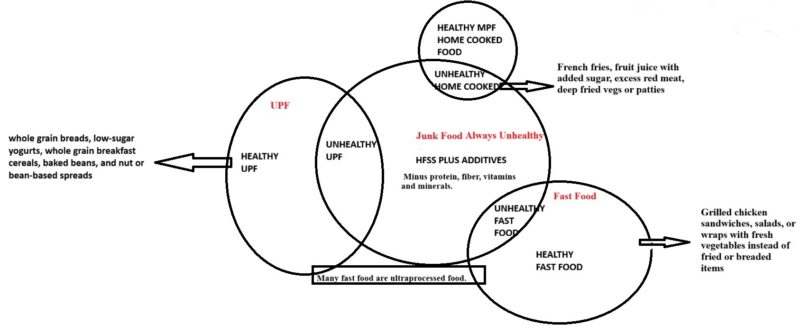
I agree with the concept that food is food and there are no junk foods. Food is either good – that is, it is enjoyable to eat and will sustain life – or it is good food that has gone bad, meaning that it has deteriorated and gone off. I would divide food into 2 categories: healthy food and unhealthy food. Healthy food means daily consumption will sustain healthy life. Unhealthy food means daily consumption will sustain life albeit with increased risk of diseases. Even healthy foods can become unhealthy if consumed in excess. We are not talking about contaminated/decomposed/deteriorated food containing microorganisms or toxins. Such foods are dangerous/bad food and should never be consumed and must be disposed of quickly.
_
Junk food is unhealthy food containing excess of refined sugar and carbohydrate, excess of saturated fat and trans-fat and excessive amount of salt; without significant protein, vitamins, minerals and fibers; plus harmful additives and preservatives. Even home cooked deep fried potato chips would be junk food as it contains excessive saturated fat plus trans-fat. Even homemade fruit juice with added sugar would be junk food. On the other hand, ultraprocessed or fast food containing reasonable amount of refined sugar & carbohydrates, fat and salt; fortified with protein and micronutrients and negligible harmless additives would be healthy.
_
Fruits, vegetables, and grains contain healthful plant compounds with antioxidant, anti-inflammatory, and anticarcinogenic effects. These include flavonoids, anthocyanins, tannins, and carotenoids. The best way to get the full range of essential nutrients is to eat whole, unprocessed, or minimally processed foods. Manufacturers of UPFs can add synthetic vitamins and minerals to replace nutrients lost during processing but cannot add full range of essential nutrients. UPFs can never equal whole, unprocessed, or minimally processed foods in nutrients supply even if food manufacturers wish so. But that does not mean that it is nutrient poor. It still contains salt, sugar and fat. Everybody needs salt, sugar and fat for survival but when it is in excess amount without micronutrients and fibers, it becomes junk food. Occasional consumption of junk food has no adverse health effects.
_
When you eat hyperpalatable junk food with lot of refined sugar (e.g. sweets, cookies, soft drinks), blood sugar spikes and insulin level spikes. Insulin is supposed to promote satiety but hyperpalatability induced dopamine spike in reward centre of brain hijack satiety signal of insulin and you eat more junk food. When you eat junk food daily over long time, insulin resistance develops and insulin no longer promote satiety so you overeat. And due to repeated release of dopamine over long time, dopamine receptors are downregulated and you need more junk food to get pleasure so you overeat. You are now trapped in vicious cycle of junk food overeating, obesity and related complications. The only way out is to strengthen conscious will using prefrontal cortex to cut down junk food and swap junk food with healthy food. Food is essential for survival, so it is difficult to label any food as addicting. Each day, 25,000 people, including more than 10,000 children, die due to starvation worldwide. If all of those were fed biscuits and potato chips, they would have survived. But chips and biscuits are classified as junk food, highly addictive!
_
Everybody says that people overeat junk food. I know a patient who despite diabetes eats dozen mangoes at a stretch. Is mango a junk food? People take 10 cups of tea per day. Is tea junk food? People eat so much rice at a stretch that I eat in 4 days. Is home cooked rice junk food? Overeating cannot be a criterion for junk food. Yes, junk food is engineered to be hyperpalatable, craveable, energy dense that bypass natural satiety mechanisms and fullness of stomach, so people overeat. The idea is to sell more products to make profit. Who does not make profit? Tobacco, liquor and fossil fuel companies make tremendous profit at societal, environmental and health costs.
_
Now the issue of free will. Free will is the ability to make one’s own choices and act independently of prior events or external influences. Everybody has right to choose food of their choice. Right to choose and eat food is as fundamental right as right to freedom of expression. Yes, free will of poor people is tricked by presenting cheap, hyperpalatable, easily accessible food with long shelf lives. There are over 2.3 billion people facing moderate to severe food insecurity in 2023 who may prioritize quantity and shelf-stability over nutritional quality, leading them to choose junk food to ensure their households have enough to eat. I tell my patients to eat apples and drink milk but some say that they can’t afford it. You could not eliminate poverty but you want to eliminate the food of the poor. Is it fair and moral to deprive poor people of their cheap junk food? On the other hand, allowing poor people to consume junk food worsen their health which in turn worsen poverty. So, we are in catch-22 situation. Government should sell fruits and vegetables at cheaper rate to poor people.
_
Yes, junk food marketing and sale to children should be restricted as children are particularly vulnerable to these marketing tactics due to their limited cognitive abilities and susceptibility to peer pressure. Daily consumption of junk food in children will lead to obesity with nutrient deficiencies, short stature and poor academic performance. Parents and teachers have to guide children about healthy diet and nutrition.
_
In a nutshell, food is food. Food is any substance we consume for nourishment, growth and energy, typically derived from plant, animal, or fungal sources containing nutrients like carbohydrates, fats, proteins, vitamins, minerals and fibers. Deficiency or excess of any nutrient is harmful. I eat cooked vegetarian food daily but it contains little iron, B12 and vit D; so I take tablets of iron, B12 and vit D. Is my vegetarian minimally processed food junk food as it lacks important nutrients? The argument is endless. Just because some nutrients are in excess e.g. HFSS food and some nutrients are deficient e.g. vegetarian food less in iron and B12; we can’t label them as junk food. Obviously, you cannot eat HFSS food daily as it will leads to obesity with nutrient deficiencies. So you mix up HFSS food with vegetables, fruits and milk. The biggest problem is not the junk food we eat but the nutritious food we don’t eat. No diet is perfect unless you mix different types of food. Remember, moderation and variety are key to healthy eating and a healthy lifestyle. We have to pay attention to portion sizes and aim to eat a balanced diet with a variety of foods from all food groups. What we need is nutrition education in schools so that we learn what is healthy food & diet since childhood. Despite being doctor, I did not know healthy diet and healthy food because it was not taught in schools and medical colleges. Most doctors don’t receive the nutrition education they need to counsel their patients about ultraprocessed foods and fast foods. Education is the key to solve the enigma of junk food and not bans, rejections and exclusions.
______
______
Moral of the story:
_
-1. Food is any substance intended to be, or reasonably expected to be, ingested by humans that provides nutrients needed to maintain life. Foods may be consumed by themselves (such as fruits, nuts, milk); or as a main item or accompanying items of dishes and meals (such as grains, flours, vegetables, meat, eggs); or as food products used in making these dishes and meals (such as oils, butter, sugar, salt). Or, they may be food products ready to eat or heat (such as bread, cheese, ham; packaged snacks, soft drinks, pre-prepared frozen dishes). Humans have been cooking, grinding, preserving and processing food for thousands of years.
Note:
The word food does include drinks. Beverages do get called food all the time.
_
-2. Food processing is the transformation of raw food ingredients, like harvested crops or slaughtered animals, into consumable and marketable food products through physical and chemical processes such as cleaning, cooking, milling, canning, and fermenting. Its main goals are to extend food shelf life, ensure safety by eliminating contaminants, enhance nutritional value and palatability, and create convenient, attractive products for consumers and markets. Food processing plays an essential role in providing edible, safe and nutritious foods to the population, and in food preservation. It is abundantly evident that human survival and evolution were unquestionably aided by the ability to process foods. All food is processed except when you eat apples directly from the tree, but it’s crucial to wash them thoroughly to remove dirt, bacteria, and potential pesticide residues; and washing make them processed. Food you cook at home is processed food. So are frozen vegetables, or even broccoli that’s been cut into florets.
_
-3. Cooking:
Processing is anything that transforms food from raw materials to something more suitable for human consumption. It can make food safer, edible, more digestible and less susceptible to undesirable changes, while retaining or improving its nutritional and aesthetic qualities. At its simplest, processing is cooking, the discovery of which has been highlighted as a key step in human evolution because it allowed us to absorb more energy to fuel our increasingly powerful bodies and brains. Cooking makes food easier to digest. It liberates nutrients, allowing our bodies to extract more fat, carbs and calories from our food. The advent of cooking helped give our ancestors the energy their bodies needed to gain weight and grow bigger brains. Our bodies absorb more energy from meat and starches that have been cooked.
_
-4. Unprocessed food:
Unprocessed foods, also known as fresh foods, are defined here as parts of plants (such as seeds, leaves, roots, fruits) or animals (such as muscles, offals, milk, blood) and also fungi or algae, shortly after they have been harvested, butchered or extracted, or after they have been gathered from nature. Most unprocessed foods have two important limitations. First, they are highly perishable and cannot be stored for a long time. Second, they require kitchen (culinary) preparation and cooking to be edible, digestible, safe, and palatable. These limitations are the main reasons for the development of numerous techniques of food processing.
_
-5. Food can be classified in many ways:
(1. Food groups
(2. Food function
(3. Nutrient profiling
(4. Food processing
(5. Speed of preparing food
_
-6. The NOVA classification of food according to food processing include (1. Minimally processed foods, (2. Processed culinary ingredients, (3. Processed foods and (4. Ultraprocessed food. The purpose of processed food classifications is to categorise foods according to their level of processing. Most classification systems based on processing including NOVA do not include a quantitative nutritional assessment. Only Siga evaluates nutritional content (added fat, sugar, salt) in relation to dietary recommendations.
_
-7. A calorie is a unit of energy. Specifically, it’s a unit of heat energy, often used to measure the energy content of food and the energy expenditure of the human body. Calories provide a measure of how much energy you get from a serving of food. In the context of food and nutrition, “food calories” and “kcal” (kilocalories) refer to the same unit of energy and are used interchangeably. When you see calories on a food label, it means kilocalories (kcal). 100 grams of cooked rice contains 130 calories. 100 grams of apple contains approximately 52 calories. There are 60 calories in 100 grams of Whole Milk.
_
-8. Energy (calorie) density and Nutrient density:
Energy density simply refers to the number of calories contained in 100 g of food, which is the direct measurement of the energy a given food provides. Simply put, high energy-dense foods contain more energy per gram of food, meaning that we’ll get more calories compared to the same portion of low energy-dense foods.
The energy density of foods and beverages depends on the amount of water (0 kcal/g), carbohydrates (4 kcal/g), protein (4 kcal/g), fats (9 kcal/g) and alcohol (7 kcal/g) they contain. That’s why energy-dense foods tend to be dry and high in fats (such as biscuits, chips, candy, butter, etc.), whereas less energy-dense foods are usually rich in water and/or fibre (which cannot be fully digested and absorbed by our bodies) such as fruits, vegetables, vegetable soups, etc.
Contrary to energy density, the definition of nutrient density is less objectively defined. The nutrient density of foods refers to the relative amount of nutrients per calories and is estimated by nutrient profiling methods. Currently, the term “nutrient-dense foods” is used to describe foods that contain a higher amounts of health-promoting nutrients per calorie and are low in saturated fats, added sugars and sodium. Nutrient density describes the ratio of a food’s nutrients to its calorie content. Nutrient-dense foods provide many beneficial nutrients, like vitamins, minerals, fiber, and protein, with relatively few calories, while calorie-dense foods offer more calories and fewer nutrients. Examples of nutrient-dense foods include leafy green vegetables, whole grains, lean meats, nuts, and beans, which help maintain a healthy weight and reduce the risk of certain diseases.
Foods can be divided in 4 groups based on energy density and nutrient density:
(1. high nutrient and high energy dense: nuts, seeds, some dairy products, some ready-to-eat cereals
(2. high nutrient and low energy dense: fruits, vegetables, beans, leam meat, whole grains
(3. low nutrient and high energy dense: soda/cola, french fries, fried chicken, cakes and pastries, candy, and chips
(4. low nutrient and low energy dense: diet soda/cola
_
-9. The ingredients of ultra-processed products make them fatty, sugary or salty, often high in saturated fats or trans- fats, and depleted in dietary fibre and various micronutrients and other bioactive compounds. When solid, because of their main ingredients and the lack of dietary fibre and water, the energy density of ultra-processed products ranges from fairly high (about 225–275 kcal per 100 g for baked products) to high (about 350–400 kcal per 100 g for ‘energy’ bars) or very high (400–500 kcal per 100 g for most biscuits and for chips/crisps). Compared to unprocessed foods, ultra-processed foods have lower nutrient density, higher energy density and lower per calorie cost.
_
-10. When eating food with a low energy density, a greater amount of food needs to be consumed for a given level of energy intake in comparison to food with a high energy density. Therefore, increasing the energy density of the diet may result in a passive increase in energy intake because people are generally habituated to eat a relatively constant weight of food.
_
-11. Types of hunger:
There are three types of hunger: Traditionally, scientists have distinguished between metabolic hunger—the body’s need for energy—and hedonic hunger, which arises when food looks or smells tempting and we eat for pleasure. Recently third type of hunger discovered: memory-driven hunger. There is growing body of evidence that memories of fat and sugar can quietly shape our eating behavior—often without our awareness. And in a world where high-calorie energy dense foods are everywhere, those neural patterns may help explain why some cravings feel impossible to resist.
_
-12. Western diets, high in animal-based foods, are recognized as a leading risk factor of non-communicable diseases and premature mortality. Many studies have demonstrated associations between a high consumption of red and processed meat and increased incidences of cardiovascular disease, type 2 diabetes, and certain types of cancer, as well as mortality rates. Greater adherence to a diet high in healthy plant foods (e.g. whole grains, vegetables, legumes, etc.) is shown to be associated with reduced incidences of cardiovascular disease and mortality rates, whereas individuals who consumed mostly unhealthy plant foods (e.g. sweetened beverages, fries, sweets, etc.) are at increased risk.
_
-13. Research has shown that excess calories shorten lifespan, whereas moderate nutrient-balanced caloric restriction slows the aging process and protects the body and brain. The only behavior proven scientifically to dramatically increase life span in every species of animals, including primates, is to lower caloric intake while maintaining an environment of micronutrient adequacy, assuring that we have exposure to all micronutrient humans need. Reducing overall calorie intake may rejuvenate your muscles and activate biological pathways important for good health provided there is sufficient micronutrients.
_
-14. Ultraprocessed food (UPF) is the creation of durable, accessible, convenient, attractive, ready-to-eat or ready-to-heat products. Ultra-processed foods (UPFs) typically have low nutritional value due to extensive industrial processing, which increases their content of added sugars, saturated fats, and salt, while significantly reducing their levels of protein, fiber, vitamins, and minerals. A common food classification system called NOVA sums it up as “snacks, drinks, ready meals and many other products created mostly or entirely from substances extracted from foods or derived from food constituents with little if any intact food.” Examples would include chips, cookies, processed meat, soft drinks and sweetened breakfast cereals. Ultra-processed foods, also called highly processed foods, can be cheap, convenient and tasty. But they usually have lots of refined carbohydrates, saturated fats and salt—not to mention industrial additives. They also tend to pack a lot of calories into each bite. That means you’re likely to eat a lot before you feel full. Ultra-processed products are made to be hyper-palatable and attractive, with long shelf-life, and able to be consumed anywhere, any time. Their formulation, presentation and marketing often promote overconsumption. Typically, they are designed to be consumed anywhere – in fast-food establishments, at home in place of domestically prepared and cooked food, and while watching television, at a desk or elsewhere at work, in the street, and while driving. That is why they are termed ‘convenience’ foods.
_
-15. Latest definition of UPF:
The definition of ultraprocessed food has shifted a bit since the term was first coined by Brazilian researchers in 2009, but now the term basically involves a food product meeting two specific criteria.
(1. The first is that the main components of the food are a result of multiple stages of industrial processing. Examples: white sugar, white flour, vegetable oil.
(2. The second is that the food has additives not commonly used in home cooking.
Ultra-processed products are themselves of two types.
(1. One includes soft drinks, and ready-to-eat savoury or sweet snacks, or products liable to be consumed as such.
(2. The other includes pre-prepared ready-to-heat products designed to replace dishes and meals in the home or on site in catering establishments. Their processing is undertaken by food manufacturers, or by caterers such as those that supply burger and pizza outlets, or food retailers such as bakeries.
_
-16. The ultra-processed group includes all foods and drinks made using intense physical or chemical processes or containing cosmetic food additives and other industrial ingredients (e.g., artificial flavours, hydrogenated oils, glucose/fructose corn syrup). These foods are generally convenient, affordable, highly palatable, and often intensively advertised. Ultra-processed products are usually not consumed together with unprocessed and minimally processed foods. They are designed to be ready-to-eat or ready-to-heat, and are often consumed alone or in combination with other ultra-processed products, such as savoury snacks with soft drinks, and bread with burgers.
_
-17. UPFs have rapidly displaced minimally processed foods, freshly prepared meals, and traditional cooking in most countries, causing significant nutritional, social, economic, and environmental disruption worldwide. The proliferation of highly processed food, supported by aggressive marketing, rapid unplanned urbanization and changing lifestyles have contributed to more people eating unhealthy diets high in energy, free sugars, salt, saturated fats and trans fats. Across the world, people have been swapping traditional diets for ultra-processed food. The fast pace of urban life often leaves little time for cooking, and UPFs fit seamlessly into this reality: they’re cheap, require minimal preparation, and are widely available just about anywhere in the world in urban settings. Ultra-processed foods already make up more than half of the total dietary energy consumed in high-income countries such as the USA, Canada and the UK and between one-fifth and one-third of total dietary energy in middle-income countries such as Brazil, Mexico and Chile.
_
-18. UPFs encourage overconsumption due to:
- Convenience (i.e., products are typically ready-to-eat or ready-to-heat);
- Hyper-palatability (formulations are engineered to maximally please all the senses);
- The texture plays a role: soft, chewy, and doesn’t require chewing, so you can eat it quickly without noticing. And that’s exactly the point. Consuming UPF/fast food is often accompanied by eating very quickly, lasting only 7 to 10 minutes, long before the brain has time to realize that the body is full. It is only after about 20 minutes that the feeling of satiety arrives, and therefore we eat larger amounts than the body really needs;
- Ultra-processed foods tend to have a higher energy density—per gram they contain more calories. When food contains more calories in a smaller volume, we tend to eat more of it before we feel full;
- UPFs are more easily absorbed and tend to be taken up in the first part of the small intestine. This leads to lower release of appetite regulating hormones that are triggered when nutrients reach a more distal part of the small intestine;
- While they might satisfy your immediate cravings, they often leave you feeling hungry again soon after;
- External eating is characterized by eating in response to external food-related cues, such as the sight and smell of food, regardless of internal hunger signals. The modern food environment, characterized by a wide variety of palatable and energy-dense foods, often serves as a cue for overeating;
- Marketing that is highly pervasive and persuasive, often targeting children, as well as effective branding — both of which are largely absent for unprocessed and minimally processed foods;
- UPFs are addictive and meet the scientific criteria used to label tobacco products as addictive substances;
- When consumed in small amounts and with other healthy sources of calories, ultra-processed products are harmless; however, intense palatability (achieved by high content of fat, sugar, salt, and cosmetic and other additives), omnipresence, and sophisticated and aggressive marketing strategies (such as reduced price for super-size servings), all make modest consumption of ultra-processed products unlikely and displacement of fresh or minimally processed foods very likely.
Due to all above mentioned reasons, many people overeat chips, cereals, cakes, puddings and other ultraprocessed foods despite knowing that those foods may not be healthy.
_
-19. From the public health point of view, ultra-processed foods are problematic in three ways.
First, their principal ingredients (oils, solid fats, sugars, salt, flours, starches) make them excessive in total fat, saturated or trans-fats, sugar and sodium, and short of micronutrients and other bioactive compounds, and of dietary fibre. Taken together this increases the risk of various serious diseases.
Second, their high energy density, hyperpalatability, their marketing in large and super-sizes, and aggressive and sophisticated adverting, all undermine the normal processes of appetite control, cause overconsumption, and therefore cause obesity, and diseases associated with obesity.
Third, UPFs displaces fresh or minimally processed foods like vegetables and fruits from diet.
Additionally, UPFs may contain harmful substances including: Contaminants, Industrial additives and Hormone-disrupting chemical compounds.
_
-20. Slow food is a movement promoting traditional cooking, local and seasonal ingredients, and a slower, more mindful approach to eating, often involving community and sensory pleasure. In contrast, fast food involves the quick preparation and consumption of mass-produced, often highly processed, and standardized meals, which are typically convenient but can be unhealthy due to high levels of fat, sugar, and salt.
_
-21. Fast food:
Fast food is mass-produced food prepared for quick, convenient service and sale in restaurants, stores, or take-out packaging, with a strong emphasis on speed and efficiency over sit-down dining. Common examples include burgers, pizza, french fries, tacos, and sandwiches, often sold by large restaurant chains like McDonald’s, Burger King, and KFC, though Indian street foods like Vada Pav are also considered fast food. Fast foods in colloquial term implies that home-cooking is “slow-cooking”. Fast food was created as a commercial strategy to accommodate large numbers of busy commuters, travellers, and wage workers. Fast-food products are often highly processed and precooked or frozen and may contain artificial preservatives in addition to high levels of sodium, cholesterol, saturated fats, and refined grains and sugars. Fast foods generally have a high-energy density, which, together with large portion sizes, induces over consumption of calories. Most fast food are unhealthy but healthy fast foods do exist! Grilled chicken breast, sweet corn, hamburger without cheese, salads and soups are healthy fast foods.
_
-22. Junk food:
Junk food is also known as “high in fat, salt and sugar food” (HFSS food). Junk food, by definition, is food that contains little or no nutritional value while delivering staggering amounts of calories in the form of fat, sugar and salt. Junk food is food that is calorie-dense and nutrient poor. Junk food is what we call “empty calories,” loading our body with excess energy (mostly stored as fat) with little or no proteins, and without dietary fiber, vitamins and minerals our bodies need to promote healthy development and fight disease. Junk foods are a heterogeneous group of food products and beverages characterised by a high degree of processing, palatability, ease and convenience of access, and the potentially adverse consequences to health associated with their frequent consumption. Junk food is a cheap, quick, and easy alternative to home-cooked meals. Most ultraprocessed foods and many fast foods are junk foods but even homemade deep fried potato chips and fruit juice with added sugar can be classified as junk food.
Trends in junk food consumption are intrinsically linked to profound changes in global diets, characterized by both an increase in total caloric energy (‘expansion’ effect) and a shift in the composition of food consumed (‘substitution effect’); with processed foods already accounting for more than 1000 kcal/cap/day (equivalent to more than 50% of total caloric intake).
The metaphor ‘junk’ traditionally only refers to the problematic health implications of these foods. However, the production and consumption of junk food also have significant environmental impacts.
_
-23. Fast vs ultraprocessed vs junk food:
While fast food and junk food are often used interchangeably, they are not the same. Fast food refers to food that is prepared and served quickly, while junk food is characterized by being high in calories, fat, sugar, and salt, with minimal nutritional value. Essentially, all junk food can be considered fast food, but not all fast food is junk food. Fast food is about speed and convenience, while junk food is about the nutritional profile of the food. Some fast-food options can be healthy choices, while junk food is generally considered unhealthy due to its lack of nutritional value. While not all fast foods are junk foods, many of them are.
Fast food is a type of food preparation characterized by speed and convenience, while ultra-processed food refers to a category of industrial-made food products that undergo extensive processing and contain numerous additives. Both can be high in unhealthy fats, sugar, and salt, and lack essential nutrients, contributing to health issues thereby qualifies as junk food. Many fast-food makers cut expenses and amp up the shelf life, flavor, and texture of foods by ultra-processing them with added sweeteners, preservatives, industrial fats, emulsifiers, and stabilizers but not all fast foods are ultraprocessed and not all ultraprocessed foods are fast food.
In a nutshell, any food that is unhealthy for daily consumption is junk food no matter fast food, ultraprocessed food or even home-made food. You cannot eat homemade deep fried potato chips daily. Many ultra-processed foods and fast food are considered “junk food” due to their high levels of fats, sugars, and sodium, and low nutritional value.
Note that we are not talking about bad food that have become bad through contamination or deterioration. You cannot eat bad food even once no matter homemade, fast food, ultraprocessed food or junk food.
_
-24. How to identify unhealthy food by reading food label:
There are guidelines to tell you if a food is high in fat, saturated fat, salt, sugar or not.
These are:
- Total fat
High: more than 17.5g of fat per 100g
Low: 3g of fat or less per 100g
- Saturated fat
High: more than 5g of saturated fat per 100g
Low: 1.5g of saturated fat or less per 100g
- Sugars
High: more than 22.5g of total sugars per 100g
Low: 5g of total sugars or less per 100g
- Salt
High: more than 1.5g of salt per 100g (or 0.6g sodium)
Low: 0.3g of salt or less per 100g (or 0.1g sodium)
Learn to read food labels to identify hidden sugars, unhealthy fats, and additives in packaged foods. Choose options with fewer processed ingredients. Purchase smaller-sized portions. Avoid foods with added nitrites or nitrates, and foods that are cured or salted. Ask yourself if you can read and understand the ingredient list. The shorter the list, the better. Generally, the practical way to identify if a product is ultra-processed is to check to see if its list of ingredients contains at least one item characteristic of the ultra-processed food group, which is to say, either food substances never or rarely used in kitchens, or classes of additives whose function is to make the final product palatable or more appealing (‘cosmetic additives’).
_
-25. Is cane sugar in Coca-Cola better than corn syrup?
No.
The term “sugars” refers to mono- and di-saccharides in terms of chemical categorization. Glucose, fructose, and galactose are the three main monosaccharides – hexoses (six-carbon sugars) that makeup naturally occurring di-, oligo-, and polysaccharides, while “Sugar” is referred to as sucrose also known as table sugar, which is made up from fructose and glucose units. Natural sugar is naturally occurring in food. Think of the sugar that’s in fruit or dairy or carbohydrates. Refined sugar may be from a natural source, but it has been processed so only sugar remains, like granulated sugar from sugar cane, or corn syrup from corn. Refined sugar is a processed product containing 99% sucrose. Both cane sugar and sugar form corn syrup are refined sugar.
Both high-fructose corn syrup and cane sugar are about 50% fructose, 50% glucose, and have identical metabolic effects. That is, both can equally raise the risk for obesity, diabetes, and high triglycerides and blood pressure. Both provide the same number of calories, but the body processes them differently.
Whether from cane sugar or corn syrup, it’s the fructose that appears to cause the most harm. Your body does not require dietary fructose. The fructose is almost entirely processed by the liver, which converts excess fructose into triglycerides, a type of fat linked to heart disease. And unlike glucose, fructose doesn’t prompt the body to produce insulin. Insulin helps a person feel full. Over time, too much fructose can lead to insulin resistance and increase the risk for Type 2 diabetes. Corn syrup does have slightly more fructose than table sugar, at a ratio of 55% fructose to 45% glucose. A 5% difference might mean people are getting less fructose from cane sugar but table sugar is not a healthy food. Added sugar in whatever form should be limited. There are 240 calories in a 20-ounce original Coke, with 65 grams of added sugars. Sugary soft drinks are loaded with sugars, making them a major source of empty calories. Regular consumption can lead to weight gain, insulin resistance, and an increased risk of type 2 diabetes. The high sugar content also contributes to tooth decay and cavities.
_
-26. Fruit vs fruit juice vs soft drinks:
An apple does contain sugar, but it’s also rich in vitamins, minerals, phytochemicals — and especially fiber. When you eat the apple, your stomach has to process it. Fruits contain fiber, which slows digestion and causes blood sugar to rise slowly after eating. In contrast, added sugars are digested quickly and lead to a rapid increase in blood sugar. When we drink soft drink, we’re not getting that fiber, so the sugar is absorbed directly into our bloodstream. Even natural fruit juices are packed with sugar and stripped of fibre. Unlike whole fruits, juices cause blood sugar spikes. However, 100% fruit juice still provides essential vitamins and minerals and is linked to significantly fewer health risks than sugar-sweetened soft drink. Fresh fruits are better than fruit juices that are better than soft drinks.
_
-27. Tea and coffee themselves are not junk foods, but can have negative health effects if consumed excessively or with too much added sugar. Plain whole milk is not junk food. Drinking milk hasn’t been linked to weight gain or obesity, and it may help curb appetite. Moderate consumption of whole milk does not increase cardiovascular risk.
_
-28. Fiber:
Dietary fiber is the indigestible part of plant foods. Fiber, a type of carbohydrate found in plant-based foods, is one of the main casualties of ultra-processing. Fiber slows digestion. It reduces blood sugar spikes, delays the return of hunger after you eat and travels down to your colon, where it nourishes trillions of microbes that make up your gut microbiome. Fiber is not digested by human enzymes but serves as food for beneficial gut bacteria. This process helps maintain a balanced microbiome, which is essential for digestion, immune function, and overall health.
The gut-brain connection, or the gut-brain axis, is a bidirectional system of communication between the gut and the central nervous system, involving neural, immune, hormonal, and microbial pathways. Your GI tract is home to trillions of bacteria that influence the production of neurotransmitters, chemical substances that constantly carry messages from the gut to the brain. (Dopamine and serotonin are two common examples.) If you have an unhealthy gut microbiome, chances are you will have an unhealthy brain. To foster a healthy gut microbiome, consume a diverse diet rich in fiber (like whole grains, fruits, and vegetables), fermented foods (like yogurt and kimchi) containing probiotics, and prebiotic foods (such as garlic, onions, and bananas); and limit ultraprocessed items, which can negatively impact gut bacteria. Though the relationship between diet and mental health is complex, the correlation is clear. The link between diet and brain function is becoming clearer. Food choices don’t just impact the body—they shape the way our brain regulates hunger, decision-making, and metabolism. Diets rich in fibers can protect your gut, heart and brain.
_
-29. Biggest disadvantages of healthy food are high cost and long time to cook. Biggest advantages of junk food are cheap, delicious, no need to cook and good shelf life.
_
-30. Cost:
Junk foods exist today for only one reason: they are highly profitable. For each dollar spent on junk food, only 10 cents are for the actual food in the product. The mass production and processing techniques employed allow for incredibly low production costs, leading to high profit margins even when selling products at affordable prices. For every dollar spent on natural foods (like whole grains, nuts, seeds, dried fruits), about 65 cents goes for the actual food cost. Healthier foods cost nearly twice as much as unhealthier foods per serving on an average. About 2.6 billion people cannot afford nutritious meals as food inflation drives up prices of fruits, vegetables and animal-based foods. A study found that the price of ultra-processed foods did not increase as much as unprocessed foods over the 12 year period.
But we should not forget hidden cost of junk foods; Health Expenses; Lower productivity; and Environmental Costs.
_
-31. Why is junk food/fast food/UPF so appealing:
(1. Taste: These are so-called hyperpalatable foods. Such foods essentially have artificially enhanced palatability that exceeds the palatability any ingredient could produce on its own—in other words, they have a combination of fat, salt and sugar that would never exist in nature. Ultra-processed foods are precisely formulated to tease our palates with just the right blend of sweet, salty and fatty flavors. They keep us reaching for more, and at the same time prevent us from feeling completely satisfied that effectively establishes long-term and lucrative demand.
(2. Addiction: People don’t lose control over eating bananas, but with ultraprocessed foods, they show all the hallmarks of addiction, Addictive drugs activate the striatal dopamine system—the brain’s pleasure center—by creating a dopamine spike followed by a rapid crash. Ultraprocessed foods resemble nicotine and ethanol in the magnitude of that effect in the brain.
(3. Time: Time constraints due to employment are associated with greater preference for junk foods. People do not have the time to cook, so junk food is a quick and easy alternative that is ready for consumption in a short time. Time factor is one reason for the popularity of the junk food.
(4. Cost: The cost is less as compared to healthy food. Packaged snacks, frozen pizzas, and instant noodles cost less than fresh fruits, vegetables, and lean meats. This is a huge reason why people, especially those on tight budgets, turn to junk food. It’s affordable, accessible, even if it’s not the healthiest choice.
(5. Memory: Fast food fuels our memory. Do you know how you like to watch the same movie or your favourite television show over and over again? Well, the same rule applies to fast food. Neuroscience studies have shown that much of the pleasure induced by eating food is tied to memory. Of course, flavour and taste are factors, but fast food is designed to give you the same food experience each time you eat it. Memory — and nostalgia in particular — play a big role in the foods we crave.
(6. Boredom eating: Boredom eating is real. Sometimes, you’re not even hungry, but you’re just looking for something to do. Mindlessly snacking on chips while watching TV or grabbing a candy bar at your desk just because you are bored. Junk food is also super easy to eat while distracted, making it the perfect companion for scrolling social media, watching Netflix, or even driving. It’s just too easy to eat mindlessly!
(7. Stress eating: The body produces a hormone called cortisol in response to stress, which blocks the release of leptin and insulin, increasing hunger. This is why when we are stressed, we are more likely drawn towards high-energy foods, such as cakes and sweets
(8. Social Norms: Eating junk food can be a social norm, particularly among young people, and may be associated with certain events or gatherings. Fast food is about more than being about just nutrition. Many of us spend money on fast food not because we need to eat out but because this is how we socialise. Fast food restaurants and cafés provide a safe, convenient place for us to meet with friends.
(9. Peer Pressure: Friends and social groups may influence food choices, potentially leading to increased junk food consumption.
(10. Junk food marketing: The marketers of junk food products have cleverly used advertisements to their advantage. Studies conducted on television advertisements and its impact on children determined that advertisements aired on children’s TV channels influenced the latter’s choices and behaviour.
(11. Research by companies: Corporations have spent years perfecting the sinister science of making you crave their processed food. There are many ways these companies capitalize on our memories, cravings and brain chemistry to keep us snacking. The food industry spends tens of millions of dollars a year researching and developing the ideal combinations of mouthfeel and crunch that keep us coming back for more. Companies are clever in appealing to senses other than taste. They will intentionally make their junk foods colorful and vibrant to look at, and have textures that are pleasing to the touch. Sound can also play a role, with one experiment found customers are more apt to buy potato chips that crunch loudly.
_
-32. Junk food science owes a lot of credit to evolutionary biology. The brains of modern humans evolved in a place and time when daily life was consumed by the search for more calories. As omnivores, we can physically digest a wide variety of foods, but not all foods are calorically equal. To feed ourselves most efficiently, the brain evolved ways to quickly identify the most calorie-dense foods. And it still does, even though food scarcity is no longer an issue. The underlying problem is that the human body is like a machine that needs fuel to survive, but has programming which has not been updated to figure out how to make sure that it craves the healthiest nutrients. We are instead programmed to simply gravitate toward as many calories as possible. We detect the calories in what we eat, through sensors on the tongue and possibly in the gut, and we’re drawn to foods that have more calories because for most of our existence getting enough calories was life and death. But we can’t distinguish between nutritious calories and the empty ones in junk food, and so we get just as excited about 300 calories in a candy bar as we do over those in more wholesome food when hungry.
_
-33. The bliss point is the amount of an ingredient such as salt, sugar or fat which optimizes deliciousness. If you can’t stop eating junk food, this is because the food industry has done extensive research to develop the perfect ‘bliss point’ of foods that trigger the most significant reward signals in your brain. The ‘bliss point’ is the exact measures of fat, sugar, and salt that make our taste buds tingle and override the brain’s natural ‘stop’ signals. The more we eat one type of food the less rewarding we find the taste. Junk foods that hit the bliss point override the brain’s natural ‘stop’ signal and keep providing us with pleasure. This leads to us wanting more and more of that enticing food.
_
-34. A food craving is a strong desire to eat a particular type of food. This desire can seem uncontrollable, and the person’s hunger may not be satisfied until they get that particular food. Food cravings are common. Junk food craving occurs due to hyperpalatability, bliss point, evolutionary hardwired liking for energy dense food, stress, lack of sleep and eating quickly. New research suggests that memories of fatty and sugary foods are encoded in the hippocampus, helping explain why some cravings feel impossible to resist. The brain encodes high-calorie foods in a way that can quietly influence what we eat—even when we’re not hungry. Junk food craving does not necessarily mean junk food addiction.
_
-35. Addiction:
The evidence shows that various processed (“junk”) foods and illicit drugs take advantage of the same neurobiological systems in the brain, namely the dopamine and opiate systems. Both systems are responsible for the perceived value of reward from both food and drugs. Junk food addiction represents a behavioral addiction, displaying a loss of control over food consumption, excessive intake, craving, tolerance, failure to reduce consumption and continued use despite negative consequences, interference in engaging other activities, psychological problems, and distress. The global prevalence of junk food addiction is 14% in adults and 12% in children. Food companies have painstakingly engineered processed foods to hijack the reward circuitry in our brains, causing us to overeat and helping to fuel a global epidemic of obesity and chronic disease. Processed foods like cheeseburgers, potato chips and ice cream are not only addictive, but that they can be even more addictive than alcohol, tobacco and drugs. The foods that people are most likely to compulsively overeat tend to have something in common: A powerful combination of carbohydrates (such as refined grains and/or sugar) and fat. You won’t find many examples of this irresistible combo in nature. For example, rice is high in carbohydrates but low in fat, while nuts are high in fat but have minimal carbs. But processed food companies can mix ingredients and chemically exaggerate flavors to create taste sensations so appealing that you keep wanting more. These foods are designed to deliver instant pleasure by triggering a surge of dopamine, the brain’s “feel-good” chemical. This is why eating one biscuit often leads to finishing the whole packet: your brain is chasing the reward. By contrast, foods like raw carrots do not cause the same dopamine spike. While nutritious, they do not intensely activate the brain’s reward system, so you stop eating when you are no longer hungry. Junk food consumption can lead to compulsive overeating and withdrawal-like symptoms when such foods are unavailable.
_
-36. Insulin:
Insulin is not just for blood glucose regulation; insulin also exerts a dramatic influence on brain function. Inside the brain, insulin controls appetite, thinking, and memory. It binds to insulin receptors in areas like the hypothalamus, which dictates hunger. Normally, when insulin is functioning correctly, it deploys a signal of satiety, reducing hunger. But with insulin resistance (a frequent occurrence in obesity and diabetes), brain cells become resistant to insulin. This leads to greater hunger, binge eating, and difficulty in controlling body weight. A study found that even short-term overeating with junk food disrupts brain insulin responsiveness, mirroring patterns seen in individuals with obesity.
_
-37. The brain circuitry which controls eating in humans is regulated not only by homeostatic mechanisms, but also by the reward, emotion, memory, attention, and cognitive control systems. These circuits interact to control energy intake and expenditure. There are various mechanisms by which eating unhealthy food affect our brain. Yes, you are what you eat, not only physically but also mentally.
_
-38. Children:
Increased intakes of junk foods among children have emerged as a major threat to children and the general society through the ways in which they affect their health. Children’s brains are especially vulnerable because they are developing. They have a developing reward system, and when it gets overloaded by these foods, it sets up a pattern of habitual eating. You give your child that once, and the cycle will never stop, because they are not eating for hunger, but for emotional satisfaction. The primary concern regarding junk food consumption in children is its contribution to unhealthy weight gain. As children grow older, their exposure to unhealthy food becomes alarming, driven largely by inappropriate marketing and advertising, the abundance of ultra-processed foods in cities as well as remote areas, and increasing access to fast food and highly sweetened beverages. A 2025 UNICEF report found that for the first time, there are more children in the world who are obese than underweight. Around one in 10 of those aged between five and 19 years old – around 188 million children and young people – are now thought to be affected by obesity.
- There is direct link between marketing of unhealthy foods and drinks, and overweight and obesity in children,
- The negative impact of junk food on cognitive function and attention span can also lead to poor academic performance in children.
- In most urban households today, screens are part of everyday life: whether it’s phones, tablets, televisions, or laptops. Kids spend a lot of time on screens eating junk food concurrently. Many children snack while watching TV or using devices. Because they are distracted, they may not recognise when they’re full, leading to overeating. Reducing screen time would reduce consumption of junk foods and also limits exposure to junk food marketing.
- Children are particularly vulnerable to marketing tactics due to their limited cognitive abilities and susceptibility to peer pressure. Food and beverage companies spend $2 billion dollars a year on food marketing campaigns directed at children. We have to ban marketing and sale of junk food to children worldwide as children are getting shorter and sicker amid an epidemic of poor diets. A ban on junk/fast-food advertising to children would cut the US obesity rate by as much as 18%.
_
-39. Teens:
The teen brain has multiple strikes against it when it comes to resisting junk food. It has a heightened drive for rewards (more dopamine receptors) and reduced self-regulation (immature prefrontal cortex) resulting in inability to resist temptation of junk foods. Adolescent brains are biased towards rewards and they are more likely to respond to cues in the environment, such as marketing. Adolescents also have their own purchasing power and are heavily influenced by their peers. On the top of it, consuming lots of sugary drinks when you are young could alter brain development. The food industry takes advantage of all these, and use highly targeted and personalised marketing messages via social media to encourage the purchase and consumption of their products. So, it’s not surprising more and more young people are developing obesity. Junk food is also fuelling PCOS in teen girls.
_
-40. Obesity:
Growth in UPFs consumption which contributes to as much as 25–60% of total daily energy intake, depending on the region, has been increasingly linked with the global obesity epidemic. Positive associations between increased UPF volume sales/capita and population-level Body Mass Index (BMI) trajectories worldwide have been reported. UPF intake has been associated with greater increases in adiposity from childhood to early adulthood and a greater risk of overweight and obesity in adults. Higher consumption of ultra-processed foods—such as ready-made meals, packaged snacks and sugary drinks—is linked to greater body fat percentage. New research involving over 50 institutions in 19 countries has found that increased calorie intake — not reduced physical activity — is the dominant driver of obesity in industrial societies. There are several possible explanations why dietary fat intake may be associated with body weight gain. A number of studies have shown that fat possess a less satiating effect than either carbohydrate or protein. Furthermore, fat is utilized with very high energy efficiency, thus the diet induced thermogenesis following fat consumption is much lower than after protein or carbohydrate intakes. Also, a high fat meal does not enhance lipid oxidation, thus may promote dietary fat accumulation in adipose tissue. Ultra-processed foods contain high levels of saturated fat and trans fats, along with added sugars and salt. By the year 2050, the rate of obesity in the U.S. is expected to reach 42 percent. Obesity increases your risk for cardiovascular disease, diabetes and many other chronic health conditions.
Why do ultra-processed foods make people eat more and gain weight?
This is still not fully understood, but there are several hypotheses that are supported by the evidence.
- Ultra-processed foods tend to have a higher energy density—per gram they contain more calories. When food contains more calories in a smaller volume, we tend to eat more of it before we feel full.
- Ultra-processed foods tend to have softer texture so people can eat them more quickly. This means our energy intake rate is higher, and the UPF foods are less satiating, so we tend to eat more.
- UPFs are hyperpalatable. They taste better. It means they are very rewarding and makes people want them more and eat more.
- Nutrients in UPFs are more easily absorbed and tend to be taken up in the first part of the small intestine. This leads to lower release of appetite regulating hormones that are triggered when nutrients reach a more distal part of the small intestine.
- Increase energy density leads to increased energy intake as people are habituated to eat relatively constant weight of food.
- Eating ultra-processed foods changes the way people eat overall: replacing homemade food with ready-to-eat, energy-dense foods that are easier to overeat.
Can genes explain obesity epidemic?
No. About 40–70% of obesity risk is genetic, but lifestyle like diet and activity, plays a major role. Even with a genetic predisposition, adopting healthy habits can reduce risks and improve outcomes.
_
-41. The vast majority of research on ultra-processed foods (UPFs) has been observational in nature, where people are asked to report on what they eat and then scientists take that information and apply statistical analysis techniques to explore associations with various health outcomes. It is important to note that these types of studies can show an association, but not causation. Nearly all of the studies on UPFs out of more than 20,000 are observational studies. Observational studies, even those of the highest quality, cannot prove causality. Such studies involving UPFs are especially susceptible to confounding—that is, the bias resulting from the presence of factors associated with both exposures and outcomes.
_
-42. High consumption of UPF is significantly associated with one or more adverse health outcomes in nearly every study published to date.
A key issue is that whether the risk associated with ultraprocessed food is due to the processing itself or because these foods are often energy-dense, high in saturated fat, salt or sugars and/or low in fruit, vegetables, and fibre. The evidence of health harms as a result of consuming too much fat, sugar and salt is very strong and well established, including increased risk serious conditions such as obesity, diabetes, heart disease, stroke and some types of cancer.
Few recent studies highlight that consuming ultra-processed foods, even with the same calorie count as whole foods, leads to weight gain and increased cravings. The findings strongly suggested that it wasn’t just salt, sugar and fat, but something about the highly processed nature of these foods itself that was propelling people to overeat and gain weight.
Additionally, ultraprocessed/fast food replaces fruits and vegetables from diet. Worldwide, 2 million deaths are linked annually to low fruit consumption. Insufficient fruit and vegetable intake is estimated to cause around 31% of ischaemic heart disease and 11% of stroke worldwide. The percentage of cancer due to low fruit and vegetable intake ranges from 5-12% for all cancers, and up to 20-30% for upper gastrointestinal tract cancers worldwide.
_
-43. Cross-sectional and longitudinal studies have shown that increases in the dietary share of ultra-processed foods result in deterioration of the nutritional quality of the overall diet and increased obesity, hypertension, coronary and cerebrovascular diseases, dyslipidaemia, metabolic syndrome, gastrointestinal disorders, and cancer. This calorie-dense, nutrient-poor combination could increase the risk of a variety of diseases, but it’s also possible that certain ingredients in ultra-processed foods — synthetic colors, flavors, stabilizers, preservatives — could also play a role.
_
-44. Health harms:
- Overall, compared with people with low consumption of ultra-processed food, those with the highest consumption have been shown to have higher risks of type 2 diabetes, hypertension, overweight or obesity, cardiovascular and cerebrovascular events, several cancers, inflammatory bowel disease, depression, chronic kidney disease, all-cause and cardiovascular mortality.
- A meta-analysis of several large studies in the United States, Italy, and Spain found the risk of dying from cardiovascular disease to be 50% greater for participants in the highest vs. lowest groups of UPF intake during the studies.
- Large, prospective studies in the United Kingdom and France, found that every 10% increase in the proportion of UPF in the diet was associated with up to 13% greater overall cancer risk.
- A 10% increase in ultra-processed food consumption is associated with a 15% higher risk of type 2 diabetes.
- In the three large U.S. studies, increased type 2 diabetes risk was driven largely by animal-based products and ready-to-eat/ready-to-heat meals, followed by sweetened beverages. Interestingly, ultra-processed cereals, dark and whole grain breads, packaged snacks, and fruit products were all associated with slightly lower risk of developing type 2 diabetes. Researchers attributed some of this effect to the higher fiber and mineral content of these foods.
- A 2% increase in energy intake from trans fats is linked with a 23% increase in cardiovascular risk. The major dietary sources of trans fats are cakes, cookies, crackers, animal products, margarine, fried potatoes, potato chips, oil-popped popcorn and household shortening (cooked in fat).
- Consuming junk food significantly contributes to dental problems. The high sugar content in these foods serves as a breeding ground for harmful bacteria in the mouth, leading to cavities and tooth decay. Additionally, the acidity of many junk food items can eat tooth enamel, increasing exposure to dental issues. There is an ongoing epidemic of tooth decay across the countryside of El Salvador, blamed largely on junk food, soft drinks and a lack of education about dental care.
- A 10% reduction in sugary drink consumption among Mexican adults from 2013 to 2022 was predicted to result in an estimated 189,300 fewer cases of type 2 diabetes, 20,400 fewer strokes and heart attacks, and 18,900 fewer deaths.
- Reducing salt intake to the recommended level of less than 5 g per day could prevent 1.7 million deaths each year. Note that junk food contains high levels of added salt (sodium).
- Eating French Fries (not combined baked, boiled, or mashed potatoes) three times a week raised the risk of type 2 diabetes by 20 percent, while five weekly servings pushed the risk to 27 percent.
_
-45. Unhealthy diets are responsible for 11 million preventable deaths globally per year, even more than smoking tobacco. The biggest problem is not the junk food we eat but the nutritious food we don’t eat. Overall dietary quality may have a larger influence on risk of death than the consumption of ultra-processed foods.
_
-46. You can enjoy junk food occasionally without compromising health by being intentional about indulgences, avoiding eating on an empty stomach, starting your meal with a green salad dressed in vinegar and keeping junk food out of easy reach. When it comes to processed foods, low-fat plant-derived foods are typically healthy and animal-derived foods are typically unhealthy. Most of the foods that are fresh are good for you. If you choose to buy ultra-processed foods, avoid “family size” and choose single serving items. Large packages are designed to make you overeat. If you can’t stop eating from big packages, don’t buy them.
_
-47. Socioeconomic status:
A large body of epidemiologic data show that diet quality follows a socioeconomic gradient. Whereas higher-quality diets are associated with greater affluence, energy-dense diets that are nutrient-poor are preferentially consumed by persons of lower socioeconomic status (SES) and of more limited economic means. Lower socioeconomic status (SES) is associated with a greater consumption of junk food and unhealthy diets due to a combination of factors, including limited access to healthy food options, affordability of less healthy alternatives, and the influence of food environments. For people on a limited income or in times of famine, high energy density food is best and will enable survival. It’s easier for low-income people to sustain themselves on junk food rather than fruits and vegetables, and it’s easier to overeat junk food. So, obesity is more likely in low socioeconomic status. The prevalence of obesity in England is, for example, 45% lower for women with the highest household incomes than with the lowest household incomes, and 47% lower for women with degree-level qualifications than with no qualifications.
_
-48. Free will and Free choice:
We are socialised to believe that, as adults, our food choices are a direct result of free will, and of freedom of choice. Yet for people with a limited amount of money, that “freedom” is exercised in a context largely shaped – and limited – by what food and drink manufacturers and retailers choose to produce, market and sell. The affordability of junk food plays a significant role in shaping consumer choices, particularly within low-income communities. Your will become subservient to biology as junk foods are designed to deliver instant pleasure by triggering a surge of dopamine, the brain’s “feel-good” chemical. This is why eating one biscuit often leads to finishing the whole packet: your brain is chasing the reward. Junk food can trick your body into eating more than you actually want. So free will is no longer free.
A recent review of a vast array of sophisticated studies, from neuro-imaging of the brain to elegant behavioural human experiments, indicate that excess eating is largely the result of automatic and uncontrollable responses to unappreciated environmental cues such as food accessibility and food advertisement. These studies contradict the idea that eating and drinking behaviours are simply a matter of conscious choice that can be educated.
_
-49. Environment:
Animal-derived foods generally have bigger total environmental footprints than plant foods. This is because of the significant amounts of land, water and feed required by livestock and the methane released by ruminants.
Unprocessed, locally sourced foods, such as whole fruits and vegetables, have a relatively low carbon footprint. Junk food significantly harms the environment by consuming vast amounts of land and water, emitting greenhouse gases from meat and dairy production, and creating substantial packaging waste and pollution, particularly plastic.
A study found that around 2.2 kilos of greenhouse gas is produced during the production of one kilogram of chips. An estimated 336-618 liters of water are used to produce a single 1-liter regular sugary soft drink (varies depending on sugar source and inclusion of ingredients such as caffeine or vanilla extract).
_
-50. Economy:
While the junk food industry contributes significantly to the economy, these benefits come at a considerable cost. The prevalence of obesity and related chronic diseases, such as type 2 diabetes, heart disease, and certain cancers, is directly linked to the consumption of junk food. These health problems impose a massive burden on healthcare systems, increasing healthcare costs for individuals, families, and governments. Moreover, the societal costs extend beyond healthcare. Reduced productivity, increased absenteeism, and premature mortality due to diet-related diseases have a significant impact on the workforce and overall economic output. Additionally, the environmental impact of junk food production, including deforestation, greenhouse gas emissions, and pollution from manufacturing and packaging, further adds to the hidden costs associated with this industry’s economic contributions.
_
-51. Politics:
Junk food politics is a two-way street. It’s when junk food industries influence politics and society so they can avoid regulations that will impact their profitability, such as taxes on junk foods and regulations on marketing and sales. We often think industry is to blame. But governments are also to blame because political leaders partner with industry on their own political agendas – which gives industry clout to undermine policies that would cut their profits. Junk food industry forge partnerships with governments to fight hunger and poverty – even as the rising consumption of junk food leads to soaring rates of obesity and diabetes.
_
-52. Regulation:
If emerging economies fail to address the growing double burden of obesity coexisting with undernourishment—due to junk food epidemic – the health and economic costs will be severe. Just as the fossil fuel, tobacco, and alcohol industries have done before, the beverage and food industries have shaped the narrative to focus on personal responsibility and away from broader regulatory and political action that would reduce their profits. Advocates of junk food says it should not be banned because banning junk food is against the right to choice of food. Studies show that taxes on junk foods work to reduce purchases and intake of unhealthy products and to increase purchases and intake of healthier alternatives. The World Health Organization recommends that member states enact policies to limit unhealthy food marketing to children.
_
-53. Cooking at home goes a long way toward reducing consumption of ultra-processed and fast foods.
_
-54. GLP-1 drugs are a class of medications that mimic the glucagon-like peptide-1 (GLP-1) hormone to treat type 2 diabetes and obesity. GLP-1 slows digestion and signals fullness to the brain. GLP-1 drugs seem not only to shrink appetite but to rewrite people’s desires. Patients on GLP-1 drugs have reported losing interest in ultraprocessed foods.
_
-55. Not all UPFs and fast food are junk food:
The message that all UPFs and all fast food are junk oversimplifies the issue. Healthy UPFs include wholegrain breakfast cereals, wholemeal breads, low-fat yogurts, canned beans, plain air-popped popcorn, and peanut butter. To make healthier fast-food choices, always opt for grilled over fried items, load up on fresh vegetables, choose whole-grain bread or skip the bun, and limit high-fat or high-sugar condiments like mayo and creamy dressings. Pizza can be healthy food. Vegetarian and vegan pizzas are on the rise, adding even more variety for health-conscious diners. Consuming ultra-processed food with higher protein content offers key benefits including enhanced thermogenesis, improved satiety, and potentially better body composition.
_
-56. Can home-cooked food be unhealthy?
Yes.
Deep-fried foods can be high in saturated fat and trans fats. Red meat (like beef, pork, and lamb) generally has more saturated fat and cholesterol compared to lean meat (like skinless chicken and fish). One of the biggest home-cooked food health risks is using too much oil, salt, and sugar. In many Indian homes, they often enjoy deep-frying snacks, adding extra ghee, or over-sweetening tea. Many people don’t realise that home-cooked food health risks can come from the ingredients and utensils we use daily. For example, vegetables and fruits may have pesticide residue, which is harmful when not washed properly. Also, when we reuse cooking oil, burn food, or cook at very high heat, dangerous chemicals like acrylamides can form. Poor kitchen hygiene can make even fresh food dangerous. Many people are unaware that storing cooked food at room temperature for long hours, or not reheating it properly, can help germs multiply.
______
______
Dr. Rajiv Desai. MD.
October 6, 2025
_______
Postscript:
I am food illiterate and I do not know how to cook. During coronavirus pandemic when everything was under lockdown, one samaritan restaurant provided me takeaway meals to survive. Except for vegetarian food cooked by mother or restaurant, I have no idea of different types of foods, flavours, delicacies, dishes, cuisines etc. I do not visit 5-star restaurant because I am unable to understand the menu nor do I know the etiquette of eating with spoons and forks. For such a primitive man to write an article on food is a bit too much.
_______
5 comments on “Junk Food”
Leave a Reply

hello there and thank you for your information – I have certainly picked up anything new from right here. I did however expertise a few technical issues using this web site, as I experienced to reload the site a lot of times previous to I could get it to load properly. I had been wondering if your web hosting is OK? Not that I’m complaining, but sluggish loading instances times will sometimes affect your placement in google and could damage your high-quality score if ads and marketing with Adwords. Well I’m adding this RSS to my e-mail and could look out for much more of your respective interesting content. Make sure you update this again very soon..
To ensure a secure experience, always use official download sources.
mcpedl 1.21.121 [url=https://download-minecraft-apk.com/minecraft-pe-1-21-121-apk]https://download-minecraft-apk.com/minecraft-pe-1-21-121-apk/[/url]
6. Final Thoughts
Enjoyed reading this, very good stuff, appreciate it.
29rbof